Production Background and Directorial Vision
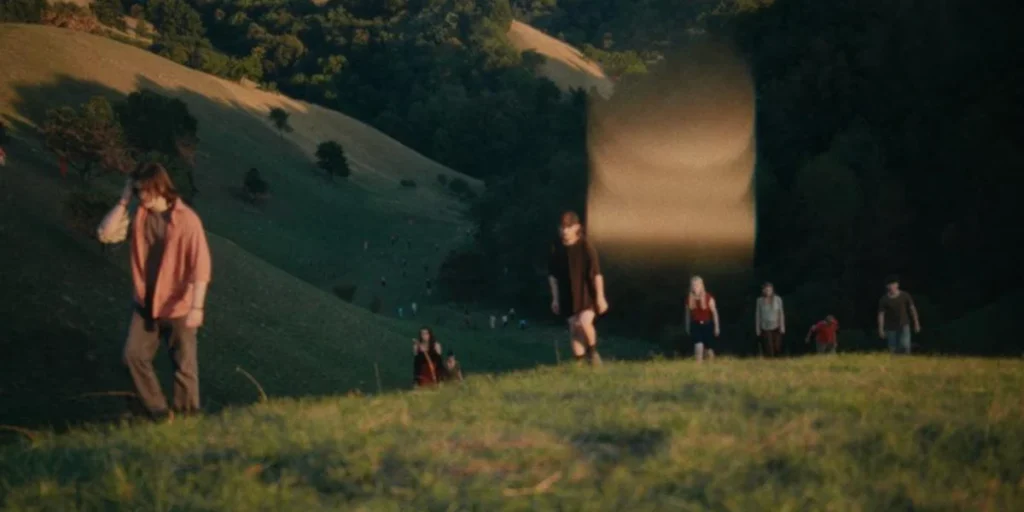
Hokum represents the latest effort from Damian McCarthy, whose previous works, such as Caveat (2020) and the critically acclaimed Oddity (2024), established him as a master of low-budget, high-tension psychological horror. McCarthy’s directorial style is characterized by a minimalist approach to storytelling, favoring practical effects, claustrophobic settings, and a meticulous buildup of dread over traditional cinematic tropes. In Hokum, McCarthy expands his scope, moving from the singular interior locations of his earlier films to the vast, eerie landscapes of the Irish countryside, which serves as a secondary character within the film.
The production of Hokum was kept under tight wraps during its filming in 2025, with industry insiders noting that the project aimed to blend McCarthy’s signature "haunted object" motifs with a broader narrative regarding grief and ancestral trauma. The casting of Adam Scott, primarily known for his comedic timing in Parks and Recreation and his dramatic turn in the psychological thriller series Severance, was seen as a strategic move to ground the film’s supernatural elements in a relatable, human experience. The supporting cast, featuring Peter Coonan, David Wilmot, Florence Ordesh, Michael Patric, Will O’Connell, Brendan Conroy, and Austin Amelio, brings together a mix of established Irish character actors and international talent, reinforcing the film’s dual identity as both a local Irish production and a global horror contender.
Chronology of Development and Festival Premiere
The development of Hokum began shortly after the success of Oddity on the festival circuit. McCarthy reportedly sought to create a story that explored the "uninvited" nature of grief, using the backdrop of the Irish "long-term rental" as a vessel for horror. Principal photography took place throughout the autumn of 2025, taking advantage of the natural fog and diminishing light of the Irish shoulder season to enhance the film’s visual palette without heavy reliance on post-production color grading.
The film’s world premiere at the 2026 SXSW Film & TV Festival in Austin, Texas, served as a litmus test for its reception among genre enthusiasts. Historically, SXSW has been a launchpad for innovative horror films, including titles like Hereditary and A Quiet Place. The screening of Hokum was met with immediate critical acclaim, with reviewers highlighting the film’s ability to execute effective jump scares while maintaining a sophisticated, slow-burn narrative. Following the premiere, McCarthy and Scott engaged in a series of promotional discussions, detailing the challenges of filming in remote locations and the psychological preparation required to portray a character descending into a state of supernatural paranoia.
Analytical Perspective on the Lead Performance
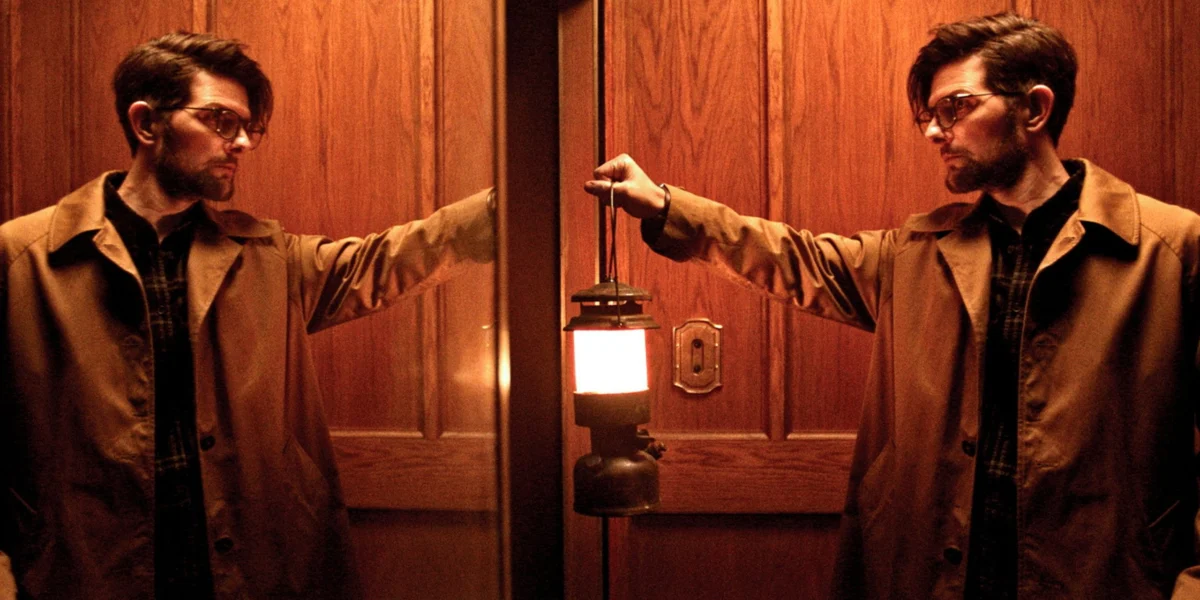
Adam Scott’s performance in Hokum is being cited by critics as a career-defining moment. Playing an author grappling with the finality of his parents’ deaths, Scott is required to carry the majority of the film’s emotional weight, often appearing alone on screen for extended sequences. This isolation mirrors the character’s internal state, a technique McCarthy uses to blur the lines between a traditional haunting and a psychological breakdown.
Industry analysts have noted that Scott’s transition into more somber, genre-heavy roles follows a trend of "prestige horror" where actors known for comedy or television drama seek to showcase their range through intense, physical performances. In Hokum, Scott avoids the clichés of the "screaming protagonist," instead opting for a quiet, observant desperation that heightens the impact of the film’s more visceral scares. His collaboration with McCarthy is described as a synergy between a director who understands the mechanics of fear and an actor who understands the mechanics of human vulnerability.
The Integration of Irish Folklore and Atmospheric Horror
One of the most praised aspects of Hokum is its sophisticated integration of Irish folklore. Rather than relying on well-worn myths, McCarthy delves into the more obscure and unsettling aspects of rural Irish superstition—concepts of "land memory" and the idea that certain places are inherently hostile to outsiders. The film utilizes the concept of the "thin place," a term in Celtic spirituality referring to locations where the distance between this world and the next is narrowed.

The technical execution of these themes is supported by the film’s cinematography and sound design. The auditory landscape of Hokum is designed to be immersive, using the natural sounds of the Irish wind and old architecture to create a constant sense of unease. Critics at SXSW noted that the film’s "haunted house" elements are subverted by the fact that the protagonist is an author—someone who makes a living by creating narratives—making him an unreliable narrator of his own terrifying experience.
NEON’s Distribution Strategy and Market Implications
The acquisition of Hokum by NEON is a significant indicator of the film’s commercial potential. NEON has established itself as a powerhouse in the independent and genre film space, having successfully distributed Academy Award winners like Parasite and recent horror hits like Longlegs. By scheduling the release for May 1st, NEON is positioning Hokum as a "pre-summer" counter-programmer to the typical blockbuster fare, targeting an audience that seeks intellectual and atmospheric horror.
Market data suggests that folk horror is currently experiencing a resurgence in global popularity. Films that ground supernatural events in specific cultural contexts—such as Midsommar or The Witch—have consistently performed well at the box office and on streaming platforms. Hokum fits into this trajectory, offering a distinctly Irish perspective that appeals to both domestic audiences in Ireland and the United Kingdom, as well as the lucrative North American market. The partnership between McCarthy and NEON suggests a long-term investment in McCarthy as a leading voice in modern horror.
Official Responses and Critical Reception
Early reviews following the SXSW screening have been overwhelmingly positive. The consensus among critics is that Hokum succeeds in being "genuinely terrifying" without sacrificing narrative depth. The Hollywood Reporter and Variety have both noted that McCarthy has refined his craft, moving away from the "gimmicks" of his earlier work to embrace a more classical, yet still innovative, form of cinema.
In public statements, Damian McCarthy expressed his gratitude for the reception, stating that his goal was to create a film that felt "ancient and modern at the same time." Adam Scott commented on the physical and mental demands of the shoot, noting that the remote Irish locations provided an organic sense of isolation that helped inform his performance. The chemistry between the director’s vision and the actor’s execution is being hailed as the primary reason for the film’s success on the festival circuit.
Broader Impact on the Horror Genre and Irish Cinema
The success of Hokum is expected to have a lasting impact on the Irish film industry, which has seen a surge in high-quality genre productions over the last decade. Films like The Hole in the Ground and You Are Not My Mother have paved the way for Irish horror to be taken seriously on the international stage. Hokum represents a scaling up of these efforts, combining local storytelling with international star power and a major US distributor.
Furthermore, the film’s reliance on practical effects and atmospheric tension serves as a critique of the modern trend toward over-reliance on CGI in horror. By focusing on the "unseen" and the "implied," McCarthy reinforces the idea that the most effective horror is that which allows the audience’s imagination to fill in the blanks. As Hokum prepares for its May 1st theatrical debut, it stands as a testament to the enduring power of the supernatural thriller and the rising influence of Irish filmmakers in the global cinematic landscape.
The film’s arrival in theaters will likely spark further discussion regarding the evolution of "folk horror" and the ways in which modern filmmakers are reinterpreting traditional myths for a contemporary audience. With a strong performance by Adam Scott and the backing of a major distributor like NEON, Hokum is poised to be one of the most discussed horror films of 2026, potentially securing McCarthy’s place among the elite directors of the genre.