The Genesis and Evolution of the Narrative
The journey of Is God Is began long before its transition to the silver screen. Aleshea Harris originally wrote the play as a way to explore themes of Black womanhood, anger, and the "spaghetti western" aesthetic through a lens rarely afforded to women of color. In 2016, the script was awarded the Relentless Award, an honor established in memory of actor Philip Seymour Hoffman to recognize plays that are "fearless in their exploration of the human condition."
The stage production premiered Off-Broadway at Soho Rep in 2018 to critical acclaim, winning three Obie Awards, including one for playwriting. Critics at the time noted the play’s unique "Afropunk" sensibility and its structural nods to Greek tragedy and Sam Peckinpah-style violence. Harris’s decision to direct the film version herself ensures that the specific rhythmic dialogue and heightened reality of the original text are preserved while being expanded for a cinematic canvas. The transition from stage to screen allows for a more expansive visual exploration of the American landscape, contrasting the claustrophobic origins of the sisters’ trauma with the sprawling, desolate beauty of the West.
Narrative Structure and Thematic Depth
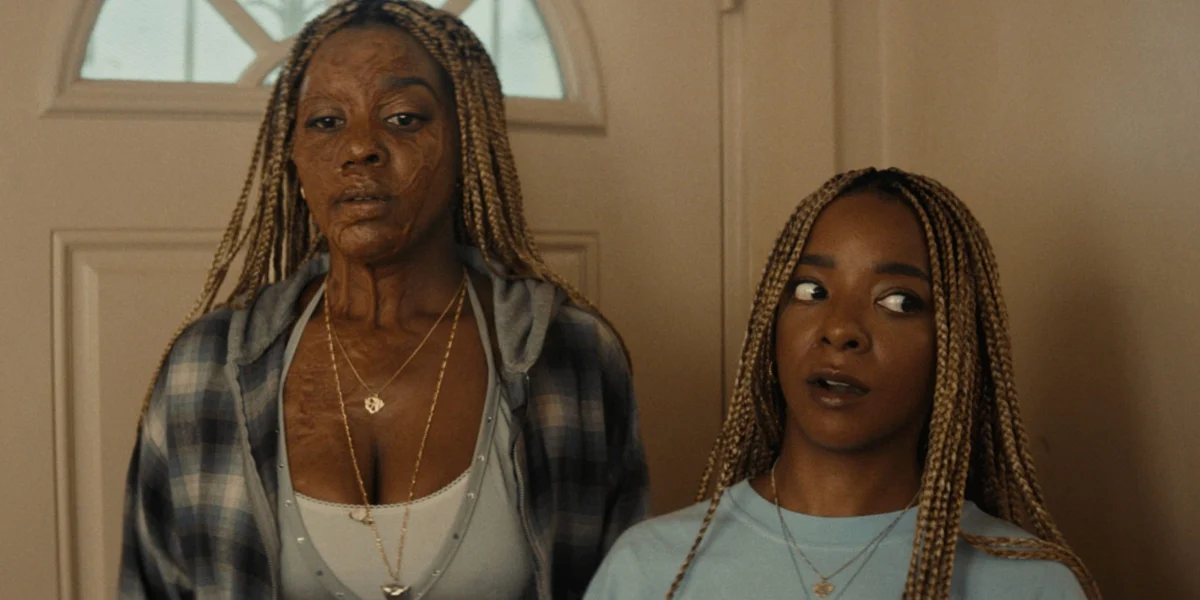
At its core, Is God Is is a morality play disguised as a revenge thriller. The plot is set in motion by a letter from the sisters’ mother, who survived the same fire that scarred her daughters. When Anaia and Racine visit her, they find a woman consumed by a singular purpose: the death of the man who ruined their lives. This maternal decree serves as the "God" in the title—a command that is both divine and terrifying.
The sisters represent two different responses to trauma. Anaia is often portrayed as more internal and hesitant, while Racine is the proactive force of the duo. Their journey is episodic, mirroring the "hero’s journey" but subverting it by replacing the traditional male protagonist with two Black women whose primary motivation is not romantic or societal, but deeply personal and ancestral. The film tackles the concept of "justifiable violence," asking the audience to weigh the sisters’ suffering against the brutality they are asked to commit. By utilizing the tropes of the western—a genre historically centered on white male stoicism—Harris reclaims the narrative of the frontier as a space for Black female agency and retribution.
An Ensemble Cast of Theoretical and Cinematic Weight
The casting of Is God Is reflects a deliberate blend of rising theatrical stars and established Hollywood veterans. Kara Young and Mallori Johnson lead the film as Anaia and Racine, respectively. Young, a Tony-winning actress known for her transformative work on Broadway, brings a grounded intensity to the role of Anaia. Johnson, who gained prominence in the television adaptation of Octavia Butler’s Kindred, provides a complementary energy as Racine.
The supporting cast adds significant depth to the film’s world. Sterling K. Brown, an Emmy and Golden Globe winner, takes on the role of the father, a character whose presence looms large over the sisters’ lives long before he appears on screen. Erika Alexander and Vivica A. Fox bring decades of industry experience to their roles, representing a lineage of Black female performers who have navigated the very industry tropes that Harris’s script seeks to deconstruct. Janelle Monáe’s involvement further emphasizes the film’s "Afropunk" and genre-bending credentials, as she has consistently utilized her career to explore themes of identity and futurism.
In interviews conducted during the promotional cycle, the cast has highlighted the physical and emotional demands of the production. The use of prosthetic scarring was a central element of the actors’ preparation, serving as a constant reminder of the characters’ history. The cast noted that the film does not shy away from the visceral nature of the sisters’ pain, yet it also finds moments of dark humor and profound sisterly bond.
Chronology of Production and Release
The timeline of the film’s development illustrates the growing interest in "prestige genre" films—movies that use thriller or horror elements to address complex social issues.

- 2016: Aleshea Harris wins the Relentless Award for the script of Is God Is.
- February 2018: The play premieres at Soho Rep in New York City, becoming a critical sensation.
- 2021–2022: Development for the film adaptation begins, with Amazon MGM Studios securing the rights and Harris attached to direct.
- 2023: Principal photography takes place, featuring a cast that bridges the worlds of theater and mainstream cinema.
- Early 2024: Post-production is completed, and promotional materials begin to highlight the film’s unique visual style, characterized by high-contrast lighting and a saturated color palette.
- May 15, 2024: The film is scheduled for a wide theatrical release, followed by a streaming window on Amazon Prime Video.
Production Design and Visual Language
Visually, Is God Is departs from the gritty realism often associated with domestic dramas. Instead, Harris employs a "heightened reality" that draws from 1970s exploitation cinema and spaghetti westerns. The use of color is particularly symbolic; deep reds and stark blacks dominate the frame, representing blood, fire, and the darkness of the sisters’ mission.
The production design emphasizes the contrast between the "Old South" of the sisters’ upbringing and the "New West" of California. This geographical shift is not just a change in setting but a psychological progression. As the sisters move further from their mother’s bedside, the influence of her command is tested by the realities of the world they encounter. The cinematography utilizes wide shots to emphasize the isolation of the characters, while tight, intimate close-ups capture the nuances of the sisters’ internal conflict.
Broader Industry Implications and Cultural Context
The release of Is God Is occurs at a time when the film industry is increasingly valuing original voices from the theater world. Following in the footsteps of playwrights-turned-filmmakers like Celine Song (Past Lives) and Florian Zeller (The Father), Aleshea Harris represents a new wave of directors who prioritize language and character-driven tension.
Furthermore, the film contributes to a burgeoning subgenre of Black-led thrillers that use genre conventions to explore racial and familial trauma. While films like Get Out and Us used horror to address systemic issues, Is God Is uses the revenge thriller to look inward at the domestic unit. It challenges the "strong Black woman" trope by showing its protagonists as vulnerable, scarred, and driven by a cycle of pain they did not choose.
The partnership with Amazon MGM Studios is also significant. As major studios navigate the shifting landscape of theatrical versus streaming releases, the decision to give Is God Is a theatrical window suggests a confidence in the film’s ability to attract an audience through its visual spectacle and critical pedigree. This move aligns with a broader trend of "elevated genre" films finding success in theaters before transitioning to digital platforms.
Critical Analysis and Expectations
Early buzz surrounding the film suggests that it will be a polarizing but essential viewing experience. The violence, while stylized, is central to the story’s exploration of how trauma is inherited. By refusing to offer easy catharsis, Harris forces the audience to confront the messy reality of vengeance.
The film’s success will likely be measured not just by its box office performance but by its impact on the cultural conversation regarding Black female representation in genre film. For years, Black women in thrillers were often relegated to the roles of the victim or the "magical" helper. Is God Is places them at the center of the frame as both the victims of violence and its primary purveyors, demanding a complex moral engagement from the viewer.
As the May 15th release date approaches, Is God Is stands as a testament to the power of original storytelling and the enduring relevance of the revenge myth. By blending the ancient traditions of tragedy with the modern sensibilities of Afropunk, Aleshea Harris has created a cinematic experience that is as intellectually stimulating as it is viscerally jarring. The film invites audiences to witness a journey that is at once a brutal reckoning and a profound exploration of what it means to survive.