After a deeply disappointing exit from the 2018 FIFA World Cup, Japan’s national football team embarked on a period of intense introspection, grappling with the persistent question of what truly separates them from the sport’s perennial titans. The consensus within the Japan Football Union (JFU) and among national sports commentators coalesced around a singular, glaring deficit: the absence of an undisputed "Ace Striker," a formidable individual capable of seizing decisive moments and single-handedly altering the course of a match. This profound national yearning for a goal-hungry, victory-thirsty forward, an instrument of tactical revolution, forms the dramatic crucible for the highly anticipated film adaptation of the acclaimed manga series "Blue Lock," slated for release in Japan on August 7, 2026. The cinematic event is poised to reignite conversations about the very ethos of Japanese football and the radical measures required to forge a truly world-class presence on the global stage.
The Genesis of a Radical Vision: Japan’s Post-2018 Reckoning
Japan’s performance at the 2018 FIFA World Cup in Russia was, by many accounts, a study in both admirable resilience and agonizing near-misses. Under then-manager Akira Nishino, the Samurai Blue navigated a challenging Group H, progressing to the knockout stages despite initial skepticism. Their round-of-16 clash against a star-studded Belgium team, however, encapsulated the national team’s enduring paradox. Japan stunned the world by taking a commanding 2-0 lead early in the second half through goals from Genki Haraguchi and Takashi Inui, showcasing their characteristic blend of disciplined teamwork, technical proficiency, and tactical intelligence. Yet, in a brutal twist of fate, Belgium mounted a spectacular comeback, scoring three unanswered goals, including a devastating counter-attack in the final seconds of injury time, to secure a 3-2 victory. This defeat, particularly its manner – a loss from a winning position at the very brink of history – left an indelible scar, reinforcing a long-held belief that while Japan possessed collective strength, they lacked the individual brilliance, particularly in the final third, to close out such high-stakes encounters against top-tier opponents.
For decades, Japanese football has been lauded for its emphasis on teamwork, discipline, tactical fluidity, and technical skill. The J-League, established in 1993, has nurtured a system that prioritizes collective harmony and intricate passing play. While this approach has yielded consistent qualification for World Cups since 1998 and respectable performances, it has also, arguably, stifled the emergence of the kind of audacious, ego-driven striker who defines the attacking prowess of footballing powerhouses like Brazil, Argentina, France, or Portugal. These nations often boast players who are not only technically gifted but also possess an unshakeable self-belief and a ruthless hunger for goals that transcend team-first mentalities. The 2018 World Cup heartbreak catalyzed a critical self-assessment within the JFU, leading to the conclusion that a fundamental paradigm shift was necessary to bridge this perceived gap.
The "Blue Lock" Project: A Controversial Experiment
In the fictional world of "Blue Lock," this post-2018 introspection culminates in the audacious and highly controversial "Blue Lock" project. Conceived by the eccentric and visionary coach Jinpachi Ego, the initiative is portrayed as the JFU’s radical response to their persistent shortcomings on the international stage. Its explicit goal is to engineer, through an extreme survival-of-the-fittest methodology, the "world’s greatest egoist striker" – a player whose insatiable desire for goals and personal glory is paramount, even above the traditional tenets of teamwork. This philosophy directly challenges the ingrained cultural values of Japanese sports, which typically champion self-sacrifice, harmony, and collective effort over individualistic ambition.
The project gathers 300 of Japan’s most promising youth players, all under 18, into a specialized, isolated training facility known as "Blue Lock." Within this high-pressure, competitive environment, players are pitted against each other in a series of grueling challenges designed to foster extreme individualism and cultivate their unique "ego." The underlying premise is that only by ruthlessly eliminating competitors and prioritizing one’s own scoring ability can the ultimate striker emerge. This intense psychological and physical gauntlet forces participants to "out-muscle and out-ego everyone who stands in their way," pushing them to transcend their previous limitations and embrace a more aggressive, self-centered approach to scoring. The narrative explores the moral and ethical implications of such an extreme methodology, questioning whether the pursuit of individual genius justifies the dismantling of established sporting ethics. The 300 selected youths represent the pinnacle of Japan’s emerging football talent, making the stakes incredibly high for each participant and, by extension, for the future trajectory of Japanese football itself.
From Manga Phenomenon to Cinematic Event
The "Blue Lock" saga first captivated audiences in August 2018 with the launch of its manga series, written by Muneyuki Kaneshiro and illustrated by Yusuke Nomura, in Kodansha’s Weekly Shōnen Magazine. Its timing, hot on the heels of Japan’s World Cup exit, resonated deeply with a nation hungry for answers and a new direction in football. The manga quickly distinguished itself from traditional sports narratives by embracing a darker, more psychological tone, blending intense football action with elements of a battle royale. Its unique premise, compelling characters, and high-stakes drama garnered critical acclaim and a massive readership.
"Blue Lock" has achieved remarkable commercial success, selling millions of copies worldwide and winning the prestigious 45th Kodansha Manga Award in the Shōnen category in 2021. Its popularity led to an equally successful anime television series adaptation, which premiered in October 2022, further expanding its global fanbase and cementing its status as a cultural phenomenon. The anime series, produced by Eight Bit, brought the manga’s dynamic action and psychological intensity to life, earning praise for its animation quality and faithful adaptation of the source material.
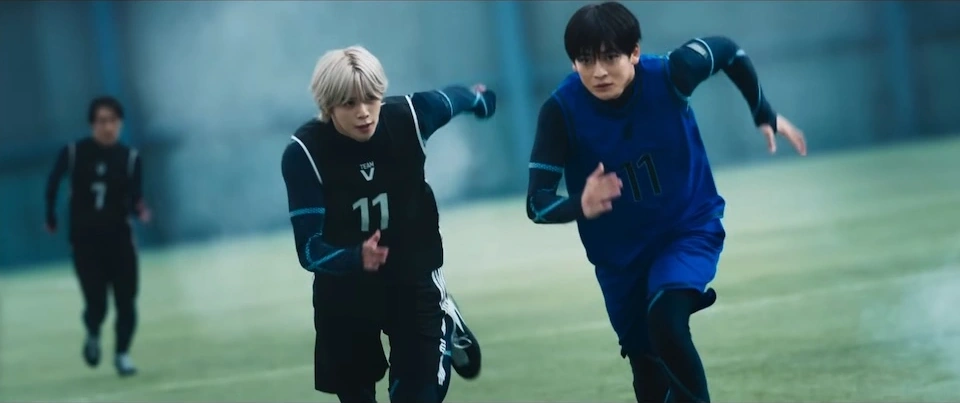
The announcement of a feature film adaptation, set to release on August 7, 2026, marks a significant milestone for the franchise. Feature films based on popular manga and anime properties often serve as major cultural events, attracting both dedicated fans and broader audiences. The 2026 release date suggests a carefully planned production timeline, allowing ample time for a high-quality cinematic experience that can live up to the franchise’s reputation. Such a release also typically involves significant marketing campaigns, merchandise tie-ins, and potential global distribution, further elevating "Blue Lock"’s international profile. The film is expected to delve deeper into specific character arcs or a particular segment of the Blue Lock project, offering a fresh perspective while maintaining the core themes and high-octane football action that define the series.
Broader Implications: Football Culture, Youth Development, and National Identity
The "Blue Lock" film release in 2026 is not merely an entertainment event; it is poised to become a cultural touchstone that could profoundly influence discussions surrounding Japanese football, youth development, and even national identity.
Impact on Japanese Football Strategy: While "Blue Lock" is a work of fiction, its central premise sparks a crucial debate within real-world football circles: the optimal balance between collective play and individual brilliance. For years, the JFU has invested heavily in developing coaches and implementing structured youth academies that emphasize technical skills and tactical discipline. The fictional "Blue Lock" project, with its extreme focus on individual ego, challenges these established norms. Will the film, and the underlying philosophy it champions, inspire a re-evaluation of youth coaching methodologies in Japan? Could it encourage a greater emphasis on nurturing individual flair and a more aggressive attacking mindset, even if not to the extreme portrayed in the story? Football pundits and former players are likely to engage in robust discussions about whether Japan truly needs to cultivate "egoist" strikers or if their traditional strengths can be refined to produce more decisive attacking outcomes. The success of players like Kyogo Furuhashi or Daizen Maeda in European leagues, combining work rate with goal-scoring instincts, might be seen as a real-world counterpoint or a partial validation of the need for more prolific finishers.
Cultural Resonance and Youth Engagement: The manga and anime have already resonated deeply with a younger generation of Japanese football fans and aspiring players. "Blue Lock" offers a narrative that celebrates ambition, self-belief, and the relentless pursuit of individual excellence – themes that, while perhaps challenging traditional Japanese collectivism, also appeal to universal desires for personal achievement. The film’s release could amplify this message, potentially inspiring a new wave of young athletes to push their boundaries and embrace their individual talents more boldly. This could have long-term implications for the psychological makeup of future Japanese athletes, fostering a generation more confident in asserting their individual prowess within a team context.
Global Soft Power and Economic Impact: Japan’s anime and manga industry is a significant global cultural export, contributing substantially to the nation’s soft power. "Blue Lock" has already garnered an international following, and a major film adaptation will undoubtedly extend its reach. International distribution of the film, coupled with existing global streaming availability of the anime, will further solidify "Blue Lock"’s place as a globally recognized sports franchise. This cultural export not only promotes Japanese storytelling and animation prowess but also indirectly shines a spotlight on Japanese football itself, generating interest in the J-League and the national team. Economically, a successful film can generate substantial revenue through box office receipts, merchandise sales, licensing, and potentially even tourism, as fans might be inspired to visit Japan, the birthplace of this compelling narrative. The global anime film market continues to grow, with Japanese productions frequently breaking box office records both domestically and internationally. "Blue Lock" is well-positioned to capitalize on this trend.
Conclusion
The "Blue Lock" film, arriving on August 7, 2026, is more than just another anime adaptation; it is a cultural phenomenon that encapsulates Japan’s ongoing journey to cement its place among the footballing elite. Born from the collective disappointment of the 2018 World Cup and fueled by a bold, albeit controversial, vision of individualistic excellence, the "Blue Lock" project, both in fiction and as a cinematic event, compels a nation to confront its footballing identity. As audiences flock to witness the brutal yet inspiring quest to forge the ultimate striker, the film will undoubtedly spark renewed debate about the future of Japanese football, the balance between ego and team, and the extraordinary measures one might take to achieve unparalleled victory on the world stage. The question remains: who will emerge to lead the team, and will their ego be enough to overcome all obstacles, fictional or otherwise, to finally claim football’s ultimate prize?