The latest edition of the Udine Far East Film Festival (FEFF) meticulously upheld its distinguished tradition, presenting a compelling blend of accessible, crowd-pleasing cinematic works alongside a curated selection of auteur-driven projects and films deeply engaged with historical and social narratives. In an era marked by widespread global instability and uncertainty, audience preferences at the festival visibly shifted, indicating a profound resonance with films that offered more than mere escapism. While emotionally rich narratives continued to draw significant attention, a striking number of titles with explicit social or historical foundations garnered particular acclaim, ultimately featuring prominently among the festival’s award recipients. This trend underscores a broader yearning among viewers for cinema that reflects, questions, and interprets the complex realities of the contemporary world.
Shifting Cinematic Landscapes: Regional Focus and Emerging Voices
A notable programmatic adjustment this year was the comparatively smaller representation of Chinese cinema, a shift that created ample space for an expanded presence of films from Hong Kong and Japan. This strategic rebalancing allowed the festival to showcase a broader spectrum of creativity from these regions. Japan, in particular, presented two significant world premieres, signaling its vibrant output, alongside the acclaimed family drama Fujiko, which went on to secure three prestigious awards. This increased visibility for Japanese cinema highlights its diverse storytelling and strong directorial voices currently captivating international audiences.
Conversely, South Korea, which has enjoyed a period of robust dominance in both festival circuits and public perception over recent years, appeared to be navigating a more transitional or "uneven phase." Its most prominent entry at FEFF was the documentary The Seoul Guardians, a timely work delving into a recent, tumultuous chapter of the country’s history. This focus on documentary filmmaking for its leading submission suggests a turn towards urgent, reality-driven narratives within Korean cinema, potentially in response to internal socio-political developments.
The festival also provided a robust platform for ASEAN cinema, with Vietnam standing out through the largest number of films in competition. This strong showing included Tunnels: Sun in the Dark, which emerged as one of the festival’s most impactful and discussed entries, underscoring the growing strength and artistic ambition of filmmaking across Southeast Asia. This regional emphasis not only diversified the festival’s offerings but also highlighted the evolving dynamics within Asian film production, where new voices and narratives are continually gaining international traction.
An unexpected, yet noticeable, departure from established tradition was the significant reduction of the festival’s much-loved late-night horror slot. This segment, historically a firm favorite among dedicated audiences, was only marginally represented this year. The diminished presence of the genre might reflect a conscious programming choice to prioritize the socially and historically conscious films that resonated so strongly with the current zeitgeist, or perhaps a temporary dip in the availability of high-quality horror titles from the region.
Celebrating Legacies: Career Achievement Awards and Retrospectives
A cornerstone of the Udine Far East Film Festival has always been its commitment to honoring cinematic excellence and nurturing international talent. This edition maintained a strong presence of distinguished international guests, particularly from Japan and Taiwan, further enriching the festival’s vibrant atmosphere and fostering cross-cultural dialogue.
The festival presented three highly anticipated career awards, celebrating the enduring contributions of legendary figures to Asian cinema. Japanese actor Koji Yakusho, renowned for his versatile and powerful performances across a career spanning decades, received a lifetime achievement honor. The award was presented by none other than acclaimed German director Wim Wenders, a gesture that underscored Yakusho’s global artistic impact and the deep respect he commands within the international film community. Complementing this recognition, the festival hosted a dedicated seven-film retrospective titled "Koji Yakusho: Perfect Roles," offering audiences a comprehensive journey through his most iconic and influential works. This retrospective served as a testament to his profound influence on contemporary Japanese cinema and his ability to inhabit a diverse array of characters with unparalleled depth.
Chinese actress Fan Bingbing, a global icon celebrated for her compelling screen presence and significant contributions to both domestic and international productions, was also honored with a career award. Her recognition at Udine reaffirmed her status as a pivotal figure in modern Asian entertainment and an artist whose work transcends geographical boundaries.
Finally, the legendary Hong Kong action choreographer and director Yuen Woo-ping received a career award, acknowledging his revolutionary impact on martial arts cinema and his indelible mark on action choreography worldwide. Yuen Woo-ping’s attendance at the festival was a particular highlight, especially as he was present for the screening of his wuxia epic, Blades of the Guardians: Wind Rises in the Desert, which served as the festival’s closing film. His presence offered a unique opportunity for audiences to connect with a master whose innovative techniques have shaped generations of action filmmaking.
In-Depth Film Highlights: A Panorama of Asian Storytelling
The festival’s diverse program showcased a rich tapestry of Asian narratives, each offering unique insights into cultural, social, and personal experiences.
Fujiko: A Japanese Family Saga Rooted in Personal History
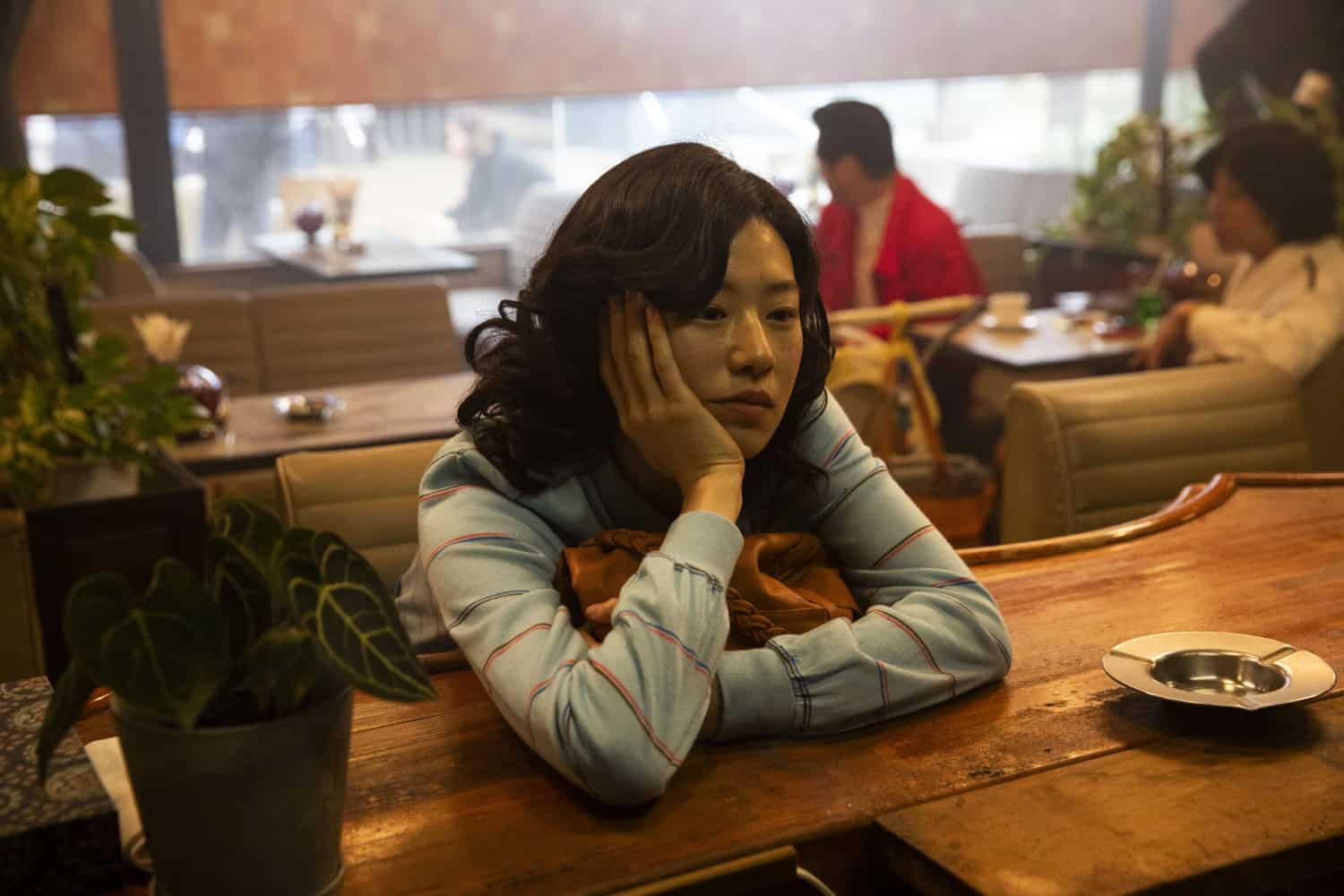
Taichi Kimura’s Fujiko, a poignant family drama, made its world premiere in competition at the Udine Far East Film Festival, subsequently opening Nippon Connection and slated for a Japanese theatrical release on June 5, 2026. This film marks Kimura’s second feature, following his Best Director win at the 2023 Barcelona Asian Film Festival for Afterglows. Produced by MEGUMI, who also features in the cast, Fujiko has garnered international attention, with SC Films International acquiring worldwide sales rights and including it in its Cannes Film Market slate.
Set against the evocative backdrop of Shizuoka in the late 1970s and 1980s, the film draws deeply from Kimura’s own family history, a fact he describes as making it the most important work of his career. The narrative commences in 1982, where Fujiko, an insurance saleswoman, unexpectedly recounts her life story to a weary hotel cook, played by Lily Franky. Her tale transports viewers to a stormy Shizuoka night in 1977, where she gives birth to her daughter Mari. The initial joy of motherhood quickly gives way to the oppressive reality of her husband’s domineering mother and sister, who cruelly separate her from her child. With her own mother, Chiyo, Fujiko reclaims Mari, embarking on a challenging journey as a single mother amidst the harsh societal expectations of the era.
Kimura’s direction employs a wonderfully retro aesthetic, evident from its very first scene, turning a chance encounter into a sprawling life narrative. The film’s intense musical score, episodic structure, and concise 95-minute duration evoke an older, more direct style of popular filmmaking—playful, generous, and emotionally impactful. Yet, Fujiko avoids mere nostalgia, leveraging its 1970s and 1980s setting to critically explore Japanese society and its patriarchal structures. Anchored by Yuki Katayama’s superb performance and a strong ensemble, the film emerges as a crowd-pleasing yet substantial comedy-drama, looking back with a potent mix of affection, anger, and vibrant cinematic energy. Kimura discussed the overwhelming reception in Udine, noting its surreal quality and his surprise at the strong audience reaction. He also shared candid thoughts on Japanese cinema’s contemporary landscape, advocating for a more dynamic, music-driven approach influenced by his upbringing in the UK and exposure to Western cinema, challenging what he perceives as an overemphasis on "ma" (empty space) and slower pacing.
The Seoul Guardians: A Tense Dive into Political Turmoil
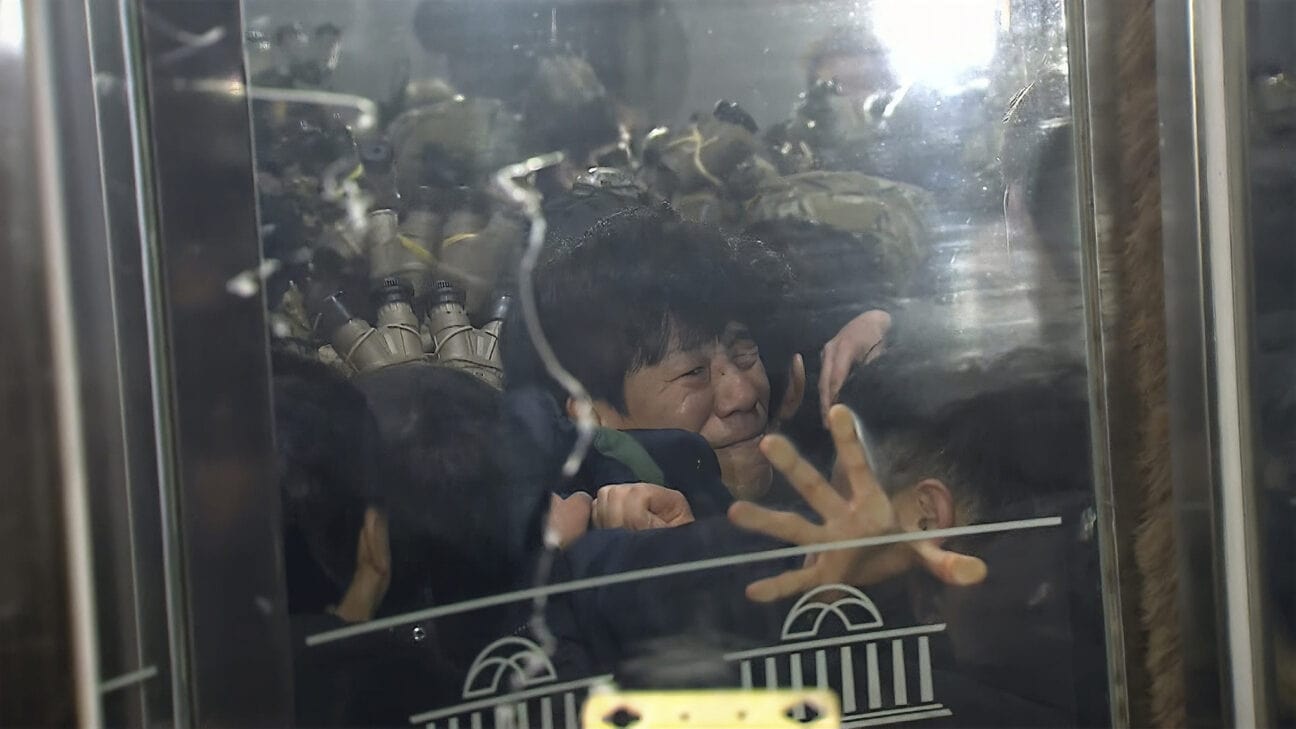
The Seoul Guardians, a documentary directed by Kim Jong-woo, Kim Shin-wan, and Cho Chul-young, earned a Special Mention from the NETPAC jury in Rotterdam and stood out at Udine for its gripping narrative and rare cinematic tension—a quality the reviewer notes as often missing in contemporary Korean and Asian cinema. The film dramatizes a pivotal moment on December 3, 2024, at 22:27 KST, when President Yoon Suk Yeol declares martial law, citing collaborations between the Democratic Party and North Korean communists as a threat to state security. The underlying motivation, however, is revealed to be the President’s frustration with strong opposition blocking his legislative agenda, particularly his budget.
The documentary plunges into the immediate aftermath, as lawmakers rush to the National Assembly to outvote the presidential decree, only to find police officers already inside, blocking entry to parliamentarians, their assistants, and journalists. What unfolds is captured in a raw, reportage style by the three directors, who were themselves inside the building. The ensuing chaos—people scaling walls, desperate attempts to gain entry, and barricading efforts against military intervention—transforms the documentary into an intense political thriller. The narrative is framed by the Constitutional Court’s decision regarding the President’s impeachment for the unlawful declaration of martial law, providing institutional context to the dramatic events. The film’s exceptional editing by Stacy Kim and Cho Chul-young, characterized by constant cuts and a complete absence of superfluous material, sustains a relentless sense of tension, cementing The Seoul Guardians as one of the year’s most compelling documentaries.
My Name: Unearthing Historical Trauma on Jeju Island
Veteran filmmaker Chung Ji-young continues his deep engagement with modern Korean history in My Name, following previous works like The Boys, Black Money, and Unbowed. Premiering in the Forum section of the Berlin International Film Festival and enjoying a healthy box office run in Korea, the film delves into the harrowing Jeju 4.3 Incident, joining a small wave of recent films addressing this tragic chapter. Set in 1998 on Jeju Island, the story centers on 18-year-old high school student Young-oak, who struggles with a name he perceives as feminine within a rigidly masculine and hierarchical environment. Simultaneously, his mother, Jeong-sun, a ballet teacher, experiences unexplained physical and psychological distress, particularly in spring, as fragments of a long-repressed past begin to surface.
Chung Ji-young constructs a narrative across three distinct axes. The first follows Young-oak’s coming-of-age, particularly after he becomes president and a new student, Kyung-tae, forms a disruptive gang. The second axis, set in the present, explores Jeong-sun’s trauma, which her psychiatrist urges her to confront. This leads to the third axis, where Jeong-sun’s past unfolds chronologically backward from recent memories to childhood, revealing progressively significant revelations—a masterstroke in the film’s storytelling. Despite minor issues such as occasional overdramatization and a few disconnected scenes, My Name stands as a highly competent work, balancing mainstream appeal with independent sensibilities, maintaining a consistent level of quality throughout its trajectory.
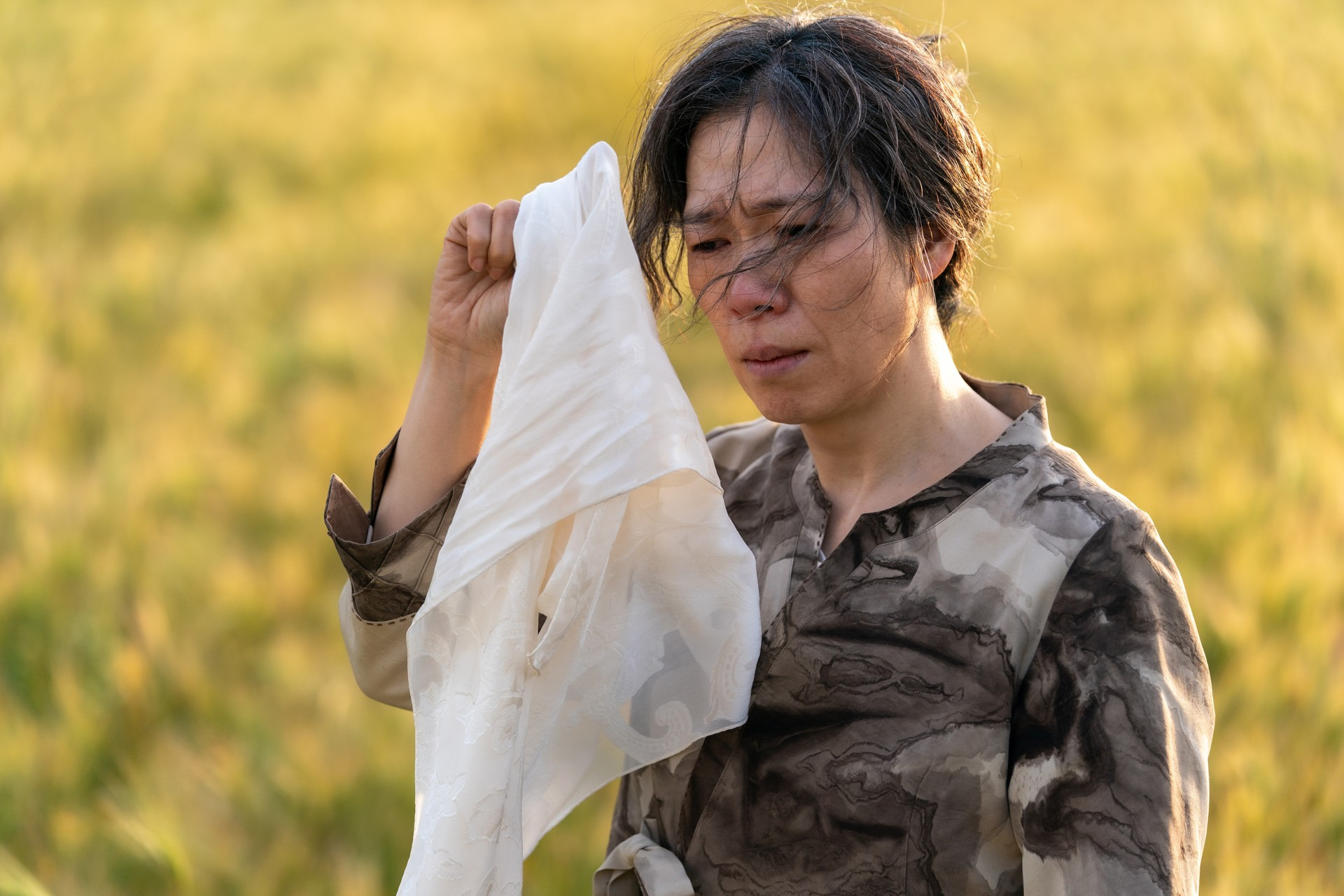
Unchained: Exploring Youth, Bullying, and Redemption
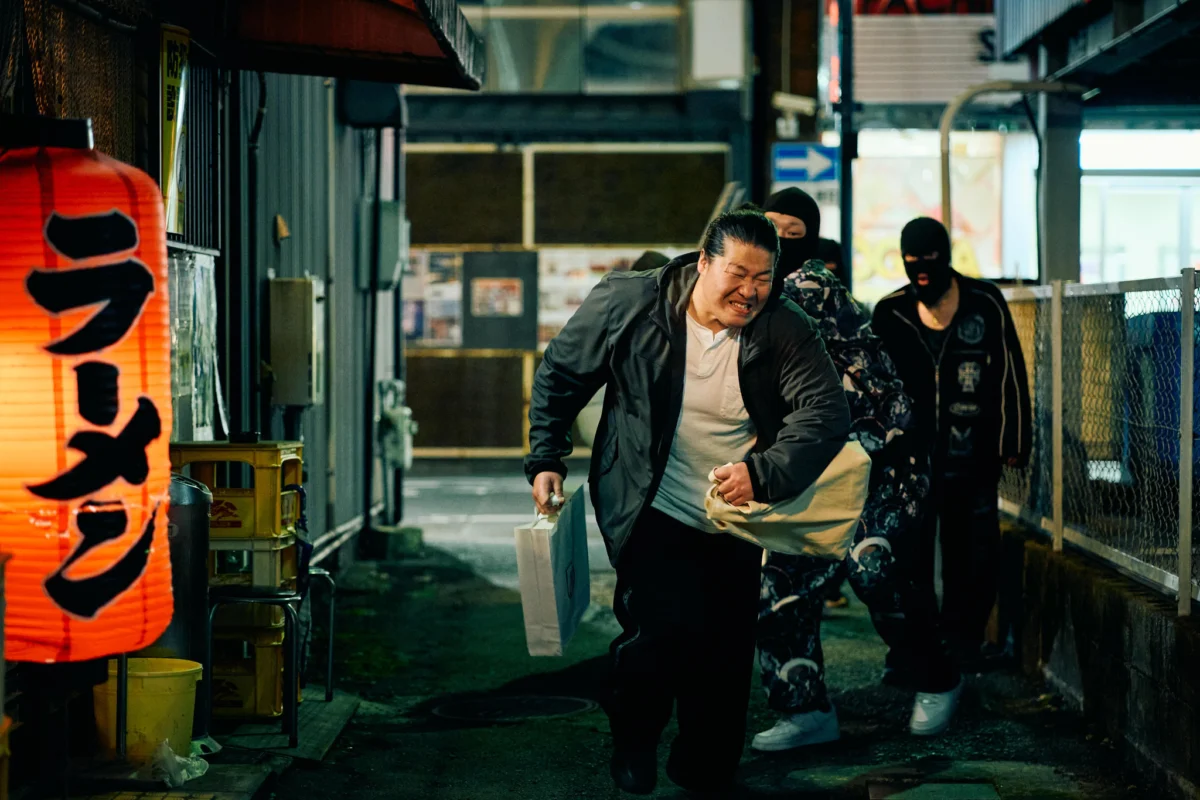
Keisuke Yoshida, known for his focus on societal outcasts, returns to this territory with Unchained, which had its world premiere at Udine. The film tackles the familiar subject of bullying and young offenders in Japanese cinema but from a distinctive and thought-provoking angle. The narrative introduces Nishi, an imposing figure who, despite initially resembling a gang member, heads a rehabilitation center for troubled adolescents. A former criminal himself, Nishi is a staunch believer in the possibility of change and reform.
In parallel, the film follows a schoolteacher deeply concerned about Kaito, a particularly violent and empathetic bully who resists all attempts at discipline or dialogue. Kaito’s alarming lack of empathy manifests in uncontrollable outbursts of rage against classmates, family, and even animals, seemingly oblivious to the harm he inflicts. Yoshida’s direction imbues the film with his characteristic personal tone, blending intense drama with an unexpected, almost accidental sense of humor. His characters, driven by raw emotion and rage, often reveal moments of unintentional comedy. Unchained ultimately delivers another emotionally charged and critical portrait of society, built around an unforgettable, eccentric lead. It remains a morally complex work, offering no easy answers but prompting profound questions about responsibility, guilt, and the potential for personal transformation.
Mother Bhumi: A Malaysian Blend of Mysticism and Social Commentary
Chong Keat Aun’s fourth feature, Mother Bhumi, which he also penned, premiered in Tokyo last October. Starring Fan Bingbing, Natalie Hsu, and Bai Run-yin, it garnered eight nominations at the 62nd Golden Horse Awards, winning three, including Best Cinematography, Best Original Film Song, and Best Leading Actress for Fan Bingbing. Set in the late 1990s in a northern Malaysian village bordering Thailand, where Chinese, Malay, and Siamese communities coexist, the story follows Hong Im, a widowed farmer leading a minimalist life with her children. The family believes her deceased husband has reincarnated in the buffalo she keeps at home. By day, she works in the paddy fields; by night, she heals villagers from illness and misfortune as a ritualistic shaman.
Chong Keat Aun reaffirms his status as one of Malaysia’s most compelling filmmakers, effectively blending the supernatural with political, historical, and social commentary, forming the narrative backbone. The protagonist’s relationship with her children adds a compelling family drama layer. Fan Bingbing delivers a truly impressive performance, portraying the multifaceted Hong Im—mother, shaman, activist, and victim—with equal conviction. As is customary in Chong’s work, the visuals are of the highest caliber. Leung Ming Kai’s cinematography masterfully captures the paddy fields, domestic interiors, and public spaces with both artistry and realism, seamlessly transitioning between ritualistic imagery and an almost documentary-like approach. While perhaps slightly less impactful in its contextual layering than his previous efforts, Mother Bhumi remains a competent and engaging work, distinguished by its visual strength and powerful central performances. Fan Bingbing, in her interview, expressed gratitude for the opportunity to explore such a complex character, highlighting the cultural richness of the Malaysian setting.
Unexpected Family: Jackie Chan’s Heartfelt Turn in a Modern Drama
Li Taiyan’s Unexpected Family marks a significant advancement for the young director, who adeptly bridges documentary sensibility with narrative storytelling. In his debut feature as both writer and director, Li ambitiously casts action superstar Jackie Chan against type, inviting him to transcend his familiar screen persona. The film introduces young, penniless Zhong Bufan, en route to Wuhan to fulfill a crucial task: scattering his beloved grandmother’s ashes in a proper burial site in the big city. However, Bufan must first secure employment, and Wuhan proves a daunting challenge for the small-town boy.
Bufan soon discovers a makeshift family consisting of Jia, the young Su, and neighbor Auntie Jin, who care for Ren, attempting to minimize the impact of his dementia. This arrangement not only proves beneficial for Ren but also fills a void in their otherwise solitary urban lives. Director Li Taiyan’s work possesses all the hallmarks of a successful Lunar New Year film: a touch of comedy, a measure of drama, and a strong emphasis on family ties and the perennially popular theme of homecoming. It also thoughtfully addresses contemporary issues such as the growing disconnection from family in rapidly modernizing cities and the increasing prevalence of cognitive decline. Chan’s performance is remarkable; his portrayal of a man lost in the fog of dementia, despite his physical fitness, caught between awareness and confusion, is both heartbreaking and incredibly believable. Unexpected Family is a wholesome, touching, and tender cinematic journey, proving to be a genuine pleasure to watch.
The Shadow’s Edge: A High-Stakes Homage to Hong Kong Action
Writer-director Larry Yang reunites with Jackie Chan in The Shadow’s Edge, following their collaboration on the 2023 film Ride On. While Ride On was a heartwarming blend of family drama, action, and comedy, The Shadow’s Edge ventures into darker, grittier territory. Both films, however, serve as affectionate, nostalgic tributes to the rich heritage of Hong Kong action cinema and to Jackie Chan’s legendary career. This time, Chan is joined by Tony Leung Ka-fai, another titan of Asian cinema, who delivers a commanding performance as the enigmatic villain, The Shadow.
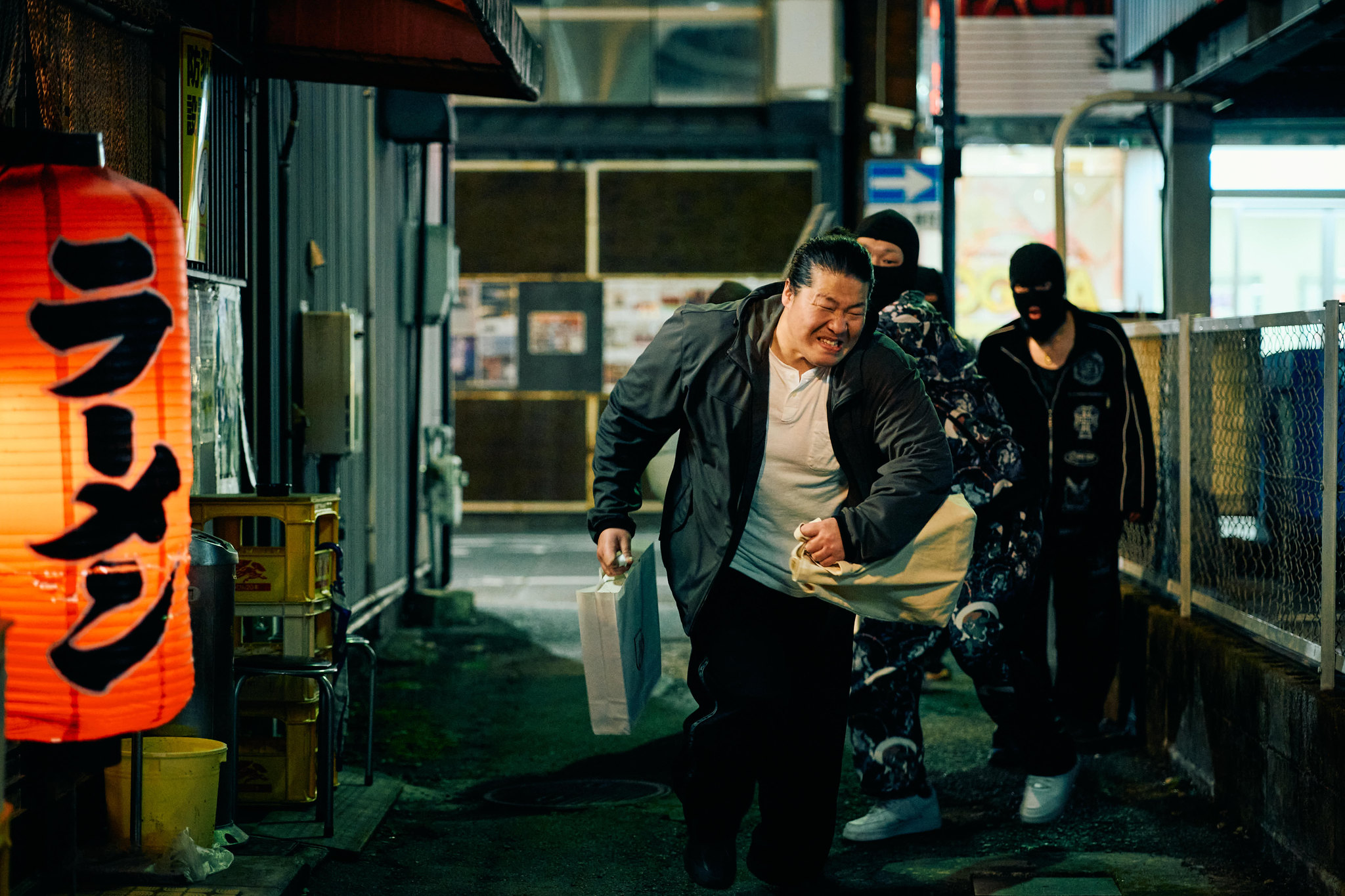
The plot unfolds in Macau, where a new gang of high-tech thieves and masters of disguise, led by former intelligence officer Fu Lang-seng (The Shadow), emerges. Frustrated, the police enlist retired surveillance expert Wong Tak-chong to identify The Shadow and his crew. Preferring old-school methods over modern technology, Wong assembles and trains a young task force to patrol Macau’s streets and alleys. Despite an impressive, high-octane opening showcasing a whirlwind of high-tech con artists, the film’s most compelling moments lie in its low-tech segments, where Jackie Chan and Tony Leung engage in a classic cat-and-mouse game. This marks a return to form for 71-year-old Jackie Chan; his fight scenes remain entertaining, and the blend of his comedic touches with the film’s gritty plot is surprisingly effective. Overall, The Shadow’s Edge delivers a solid, crowd-pleasing spectacle that deftly balances action, humor, and suspense, celebrating the enduring appeal of Hong Kong action cinema.
Ky Nam Inn: Vietnam’s Visually Stunning Journey Through Memory
Following the international acclaim of Song Lang, Leon Le returns with his highly anticipated sophomore feature, Ky Nam Inn. Premiering in the Special Presentations section of the 50th Toronto International Film Festival, the film continues Le’s exploration of memory, art, and human intimacy, set against the evocative backdrop of 1980s post-war Saigon. Shot entirely on 35mm, Ky Nam Inn not only marks the triumphant comeback of actress Do Thi Hai Yen but also reaffirms Le’s position as one of the most distinctive voices in contemporary Vietnamese cinema.
Set in the mid-1980s, a period when Vietnam was still recovering from the scars of war while tentatively moving towards renewal, the film tells the story of Khang, a young translator tasked with producing a new Vietnamese version of Antoine de Saint-Exupéry’s The Little Prince. Arriving in Saigon, he lodges in a crumbling collective housing unit, where he encounters Ky Nam, a widowed, older woman from the South who cooks for the tenants. The meticulous craftsmanship of Ky Nam Inn is its first striking quality. Much like Song Lang, it is a visual feast, with sets designed down to the smallest detail. Bob Nguyen’s cinematography masterfully utilizes framing, even in crowded small rooms, and combined with Octopus’s coloring, the result is a succession of painterly images. Despite minor shortcomings, Ky Nam Inn emerges as a visually stunning and emotionally meaningful work, beautifully crafted and layered with subtle social and political commentary. Leon Le, in an interview, emphasized his dedication to capturing the specific atmosphere of 1980s Saigon, aiming for an authentic yet poetic portrayal.
Suzuki=Bakudan: A Japanese Thriller’s Explosive Ascent
Suzuki=Bakudan (literally "Suzuki=Bomb") is a 2025 Japanese crime thriller directed by Akira Nagai, based on Katsuhiro Go’s critically acclaimed novel. After a successful theatrical run in Japan, where it surpassed 2 billion yen at the box office, the film found a wider audience on Netflix, entering the top 10 most-watched non-English titles with 2.8 million views in its first week. It has already drawn comparisons to Se7en for its riddle-driven plot and to Joker for its unhinged villain.
One ordinary night in Tokyo, police officers arrest a middle-aged homeless man for vandalizing a vending machine and assaulting a convenience store assistant. Brought to the police station, he is interrogated by young detective Isao Todoroki, but something is amiss. Suzuki=Bakudan excels in its portrayal of the villain; Suzuki dominates the narrative, beginning subtly before escalating his insanity to literally explosive heights. For a good two-thirds of the film, the action unfolds primarily in the interrogation room, where Suzuki steadily raises the stakes and exposes the limits of his antagonists. Unfortunately, the third act of Suzuki=Bakudan is somewhat weaker, a disappointment after such a strong build-up. Nevertheless, it remains a very entertaining and tense thriller, largely due to the powerful performances of its stellar cast.
The World of Love: Yoon Ga-eun’s Sensitive Portrayal of Adolescence
Nine years after her critically acclaimed debut The World of Us and six years after The House of Us, writer-director Yoon Ga-eun returns with The World of Love, the latest addition to her outstanding body of work. This film solidifies her reputation as one of South Korea’s most sensitive storytellers of childhood and adolescence. The story opens with seventeen-year-old Jooin, in her school uniform, discussing afternoon clubs with her teacher. Undecided about her interests or future aspirations, she nonetheless projects a spirited, funny, and vibrant personality.
Yoon Ga-eun has consistently demonstrated a remarkable ability to adopt a child’s perspective, seeing the world through their eyes. In The World of Us, her protagonist navigates the harsh social rules of the playground and learns to communicate with peers. The House of Us explores the foundations and meaning of family. In The World of Love, Yoon Ga-eun delves into themes of pain and trauma, broadening her perspective from the first-person approach of her earlier films to encompass the more complex social landscape of those orbiting Jooin’s life. Once again, The World of Love showcases Yoon Ga-eun’s profound empathy for younger generations, her delicate yet confident storytelling, her dedication to her craft, and her deep understanding of her audience, establishing her as one of the most interesting and compelling filmmakers working today. In a joint interview, Yoon Ga-eun and Seo Su-Bin discussed the evolution of her storytelling, noting the transition to exploring more complex, interconnected emotional landscapes.
Another World: Hong Kong Animation’s Epic Fantasy
Over two decades after the animated film My Life as McDull made history and garnered international awards for Hong Kong animation, first-time director Tommy Ng Kai-chung reignites hopes for global recognition with his latest fantasy epic, Another World. Adapted from Japanese author Naka Saijo’s novel Sennenki: Thousand-Year Journey of an Oni, the film was selected for screening at the prestigious Annecy International Animation Film Festival and earned three Golden Horse Award nominations.
Despite featuring characters and settings such as princesses, knights, and Flower City, and an aesthetic reminiscent of Japanese kawaii anime, Another World largely eschews cuteness and sweetness. Instead, the film unfolds as a blunt dissertation on the origins of evil, the role of trauma in fostering rage and resentment, and the negative karma generated by unresolved grievances. These themes, along with the concept of the titular "Another World," are deeply informed by the Buddhist philosophy of impermanence. The animation in Another World is top-notch, with 2D and 3D elements harmoniously integrated. Both heart-wrenching and exhilarating, Another World deeply resonates with its audience. Despite some narrative challenges, it stands as a significant achievement for first-time director Tommy Ng Kai-chung and holds meaningful implications for the future of Hong Kong’s animation industry. In an interview, Ng and producer Polly Yeung discussed the challenges and inspirations behind adapting such a profound philosophical narrative into an animated feature.
A Mighty Adventure: A Miniature World of Wonder from Hong Kong
A Mighty Adventure is an animated featurette by director Toe Yuen, who first rose to international prominence after winning the top prize at the Annecy International Animation Film Festival in 2001 for My Life as McDull, a landmark in Hong Kong animation. After many years away, Yuen returns with this 77-minute film, which ingeniously blends computer animation with live-action elements in a visually ambitious hybrid form. The film opens in what appears to be an idyllic natural setting, a lush forest that is eventually revealed to be the suburban greenery of a large city, closely resembling Hong Kong. Within this miniature ecosystem, various insect families coexist, creating a vibrant micro-world.
At its core, this is a family-oriented animated film—sweet, playful, and often humorous, yet equally engaging for adult viewers. While it might initially evoke Pixar-like storytelling and characters, the film distinguishes itself through its meticulous execution. The visuals are striking, with a seamless blend of animation and remarkably detailed live-action backgrounds. Dust, soil, and everyday textures feel alive, lending weight and presence to this miniature world. A Mighty Adventure marks a warm and imaginative return for Toe Yuen, and it contributes to a broader sense of renewal in Hong Kong animation, alongside works like Another World. It is a simple yet carefully crafted film that finds its strength in intricate detail, rich texture, and a gentle sense of discovery.
Once We Were Us: A South Korean Romance Unravels the Past
Once We Were Us, the South Korean adaptation of the popular 2018 Chinese romance Us and Them, was skillfully directed by Kim Do-young, known for her acclaimed 2019 film Kim Ji-young, Born 1982. The story begins as Eun-ho and Jeong-won, once a couple now long estranged, serendipitously meet aboard a plane bound for Seoul. When bad weather forces the plane to disembark, they spend the night revisiting their shared past through a series of extended flashbacks for the audience.
Within minutes of Once We Were Us, the audience is aware of the story’s conclusion: it is a relationship that did not endure. This foreknowledge, rather than diminishing engagement, intensifies it, drawing viewers into the narrative as they anticipate the moments of unraveling, seeking to understand the "why." The love story unfolds with an exhilarating, childlike sense of freshness and honesty—funny, tender, clumsy, and unvarnished. Despite some minor flaws, Once We Were Us proves to be a surprisingly gripping and compelling experience. Its honest dissection of the harsh realities of love in the real world makes it appealing even to audiences not typically drawn to romance films.
**Night King: Hong Kong’s