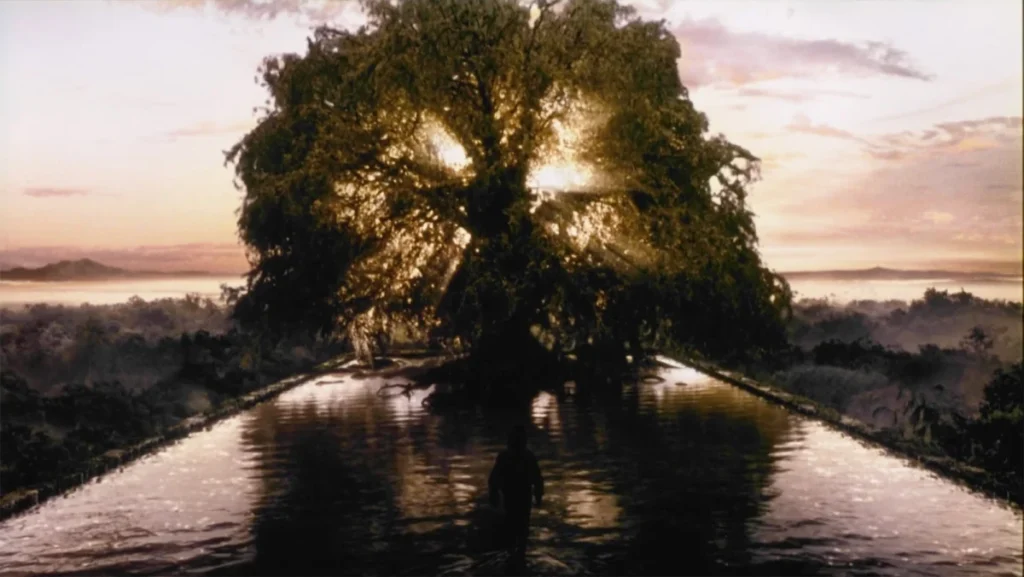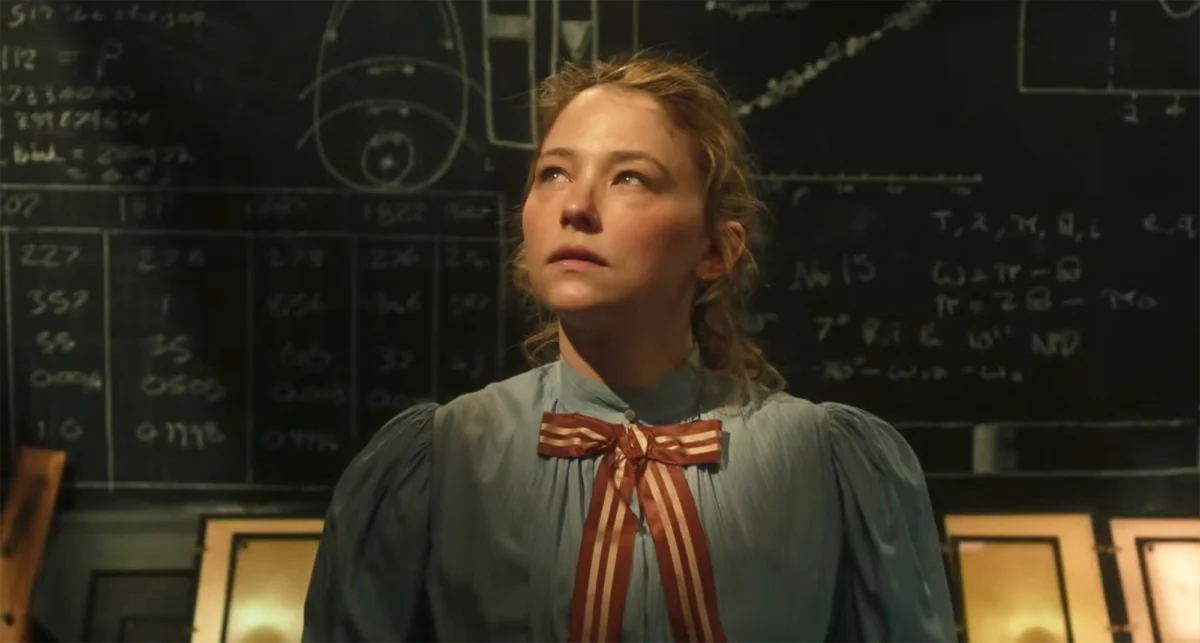
West End Films has officially released the first full-length trailer for the upcoming cinematic adaptation of Virginia Woolf’s second novel, Night and Day. Directed by the acclaimed international filmmaker Tina Gharavi, the film is scheduled to arrive in United Kingdom theaters on June 19, 2026. This production marks a significant attempt to bring one of Woolf’s more traditional, yet intellectually subversive, narratives to a contemporary audience, framing the story as an "un-romantic comedy" that challenges the conventional tropes of the period drama genre.
The film stars Haley Bennett as Katharine Hilbery, a woman navigating the rigid social structures of early 20th-century Britain. Unlike the typical heroines of Edwardian literature, Katharine is a passionate astronomer who views the prospect of marriage not as a romantic milestone, but as a potential hindrance to her scientific pursuits and personal autonomy. The trailer highlights the film’s sharp wit and its focus on the "dogma" of the era, showcasing a cast that includes Elyas M’Barek, Jennifer Saunders, Lily Allen, Jack Whitehall, and Timothy Spall.
Cinematic Adaptation of a Literary Classic
The source material for the film, Virginia Woolf’s Night and Day, was first published in 1919. While Woolf is often remembered for her later, more experimental "stream-of-consciousness" works such as Mrs. Dalloway and To the Lighthouse, Night and Day represents her engagement with the traditional realist novel. However, even within this structured format, Woolf utilized the narrative to explore the complexities of the women’s suffrage movement, the tension between domestic duty and intellectual ambition, and the shifting definitions of love in a rapidly modernizing world.
Screenwriter Justine Waddell has adapted the text with an emphasis on its comedic and satirical elements. By labeling the film an "un-romantic comedy," the production team signals a departure from the sentimentalism often found in adaptations of early 20th-century literature. The narrative follows Katharine Hilbery as she attempts to balance the expectations of her distinguished family—her father, played by Timothy Spall, is a prominent figure in the literary establishment—with her private desire to study the stars and avoid the domestic trap of a conventional marriage.

Production History and Creative Vision
The development of Virginia Woolf’s Night & Day has been a multi-year project involving several international production houses. Produced by Christopher Figg, Julie Link, Philipp G. Steffens, Meg Thomson, and Justine Waddell, the film is a collaborative effort between Vue Lumiere and West End Films. The choice of Tina Gharavi as director brings a distinct perspective to the project. Gharavi, known for her BAFTA-nominated debut I Am Nasrine and the documentary Tribalism Is Killing Us, has a history of exploring themes of identity, displacement, and social rebellion.
Gharavi’s direction aims to bridge the gap between the 1910s setting and 21st-century sensibilities. The trailer suggests a visual style that captures the "twilight glow" of the Edwardian era while maintaining a brisk, modern pace. The dialogue, as seen in the promotional footage, retains Woolf’s intellectual rigor while highlighting the absurdity of the period’s patriarchal attitudes. The production design emphasizes the contrast between the cluttered, historical interiors of the Hilbery household and the vast, open possibilities represented by the night sky that Katharine observes through her telescope.
Cast Overview and Character Dynamics
The ensemble cast brings together a mix of established dramatic actors and comedic talent, reflecting the film’s hybrid tone. Haley Bennett, who has previously received acclaim for her roles in Cyrano and The Girl on the Train, takes the lead as Katharine Hilbery. Her portrayal is described as "fiercely independent," focusing on the character’s internal conflict between social performance and private passion.
Jack Whitehall portrays William Rodney, a character whose traditional views on romance and marriage serve as a foil to Katharine’s independence. The inclusion of Whitehall, known primarily for his comedic work, suggests that the film will lean into the satirical aspects of the "marriage market" of the era. Timothy Spall plays Katharine’s father, providing a link to the Victorian values that the younger characters are beginning to question.
The supporting cast is equally notable. Lily Allen and Jennifer Saunders add further depth to the social circles depicted in the film. Allen’s involvement continues her transition into dramatic acting, while Saunders brings her extensive experience in British comedy to the role. Elyas M’Barek, a major star in German cinema, rounds out the central group, representing the shifting loyalties and evolving social dynamics that drive the plot forward.

Thematic Exploration: Astronomy and Autonomy
A central metaphor in both the novel and the film is Katharine’s devotion to astronomy. In the context of the early 1900s, a woman pursuing a hard science was a radical act of defiance. The film uses Katharine’s telescope as a symbol of her desire for objective truth and a life governed by the laws of the universe rather than the arbitrary rules of London high society.
The "Night and Day" of the title refers to the dual lives led by the characters: their public personas (Day) and their private, often unexpressed desires (Night). The film explores how these two worlds collide when Katharine is pushed to "claim her space in the world." Unlike a traditional romance where the protagonist finds fulfillment through a partner, Virginia Woolf’s Night & Day focuses on the protagonist’s journey toward self-definition. The trailer concludes with the poignant line, "One day all of this will vanish—with brick and mortar and dogma," emphasizing the transient nature of social structures compared to the permanence of the stars and the human spirit.
Development Timeline and Distribution Strategy
The timeline for the film’s release has been carefully managed to coincide with the summer cinema season in the United Kingdom.
- Initial Announcement: The project was first announced in early 2024 as a fresh take on Woolf’s work.
- Principal Photography: Filming took place throughout 2025, utilizing locations across London and rural Britain to capture the authentic Edwardian atmosphere.
- Trailer Launch: April 17, 2026, marked the debut of the official UK trailer, generating immediate interest among literary enthusiasts and film critics.
- Theatrical Release: The film is set to open nationwide in the UK on June 19, 2026.
West End Films and Vue Lumiere have opted for a traditional theatrical window before the film moves to streaming platforms. This strategy is intended to capitalize on the visual scale of the production, particularly the scenes involving astronomical observations and the detailed period recreations. The distribution plan includes a presence at several international film festivals prior to the June release to build critical momentum.
Market Context and Literary Legacy
The release of Virginia Woolf’s Night & Day comes at a time when there is a renewed interest in "feminist retellings" of classic literature. Recent successes in this genre, such as Greta Gerwig’s Little Women and Autumn de Wilde’s Emma., have demonstrated that there is a significant audience for period pieces that prioritize female agency and contemporary dialogue over rigid historical reenactment.

Virginia Woolf’s estate and scholars of her work have often noted that Night and Day is one of her most accessible novels, making it an ideal candidate for a wide cinematic release. By focusing on the "un-romantic" aspects of the story, the filmmakers are positioning the movie to appeal to younger audiences who may find traditional period romances outdated. The film also contributes to the ongoing "Woolf Renaissance," as her explorations of gender and identity continue to resonate in modern political and social discourse.
Anticipated Reception and Industry Implications
Industry analysts predict that Virginia Woolf’s Night & Day will perform well among "prestige" cinema-goers and fans of British drama. The combination of a high-profile cast and a respected director suggests that the film will be a contender during the subsequent awards season, particularly in categories related to screenplay adaptation and costume design.
Furthermore, the film’s focus on a female scientist in a historical setting aligns with current trends in media that highlight the "hidden figures" of history. While Katharine Hilbery is a fictional creation, her struggles mirror those of real-world pioneers in astronomy like Caroline Herschel or Maria Mitchell. This thematic layer adds a level of educational value to the entertainment, potentially broadening the film’s reach to academic and scientific communities.
Official responses from the cast and crew have emphasized the importance of Woolf’s voice in 2026. In a statement released alongside the trailer, director Tina Gharavi noted that the film is "not just a look back at the past, but a conversation with the present about how much space women are allowed to occupy." Screenwriter Justine Waddell echoed these sentiments, stating that the goal was to "uncover the humor and the rebellion" that is often overlooked in Woolf’s earlier writing.
As the June 19 release date approaches, West End Films plans to release a series of "behind-the-scenes" featurettes focusing on the historical accuracy of the astronomical equipment used in the film and the process of adapting Woolf’s complex prose for the screen. These promotional efforts are designed to sustain engagement and establish Virginia Woolf’s Night & Day as a significant cultural event of the 2026 cinematic calendar.