Makoto Ueda, the celebrated writer and leader of the renowned Japanese theatre troupe Europe Kikaku, has marked a significant milestone in his illustrious career with the release of his directorial debut, "You are the Film." Known for his ingenious approach to short, location-based science fiction narratives featuring a constrained number of characters, Ueda has seamlessly transitioned his unique expertise from the stage to the cinematic realm. This new feature film, a micro-budget sci-fi comedy, not only solidifies his distinctive storytelling voice but also demonstrates his formidable talent now extended to directing. "You are the Film" has quickly garnered attention for its inventive premise, kinetic pacing, and characteristic blend of humor and fantastical elements, positioning it as a standout in contemporary Japanese independent cinema.
Makoto Ueda’s Trajectory: From Stage to Screen Innovator
Ueda’s journey to the director’s chair has been a deliberate and creatively fertile one, deeply rooted in his work with Europe Kikaku. Founded in 1999, Europe Kikaku quickly established itself as a pioneering force in Japanese theatre, celebrated for its unique brand of "location-based sci-fi" plays. These productions often utilized everyday settings as backdrops for extraordinary, often temporal or spatial, anomalies, exploring complex scientific concepts through accessible, humorous, and deeply human narratives. This ethos, emphasizing intellectual playfulness within strict physical constraints, became Ueda’s signature.
His transition to screenwriting saw this theatrical ingenuity translate brilliantly to film. Works like "Summer Time Machine Blues" (2005), which he penned, and later critically acclaimed features such as "Beyond the Infinite Two Minutes" (2020) and "River" (2023), both directed by Junta Yamaguchi and written by Ueda, exemplify his mastery of the micro-budget sci-fi comedy. These films, often praised for their intricate time-loop or temporal paradox plots confined to single or very few locations, demonstrated that ambitious genre storytelling doesn’t necessitate exorbitant budgets. Instead, Ueda’s scripts leveraged clever concepts, sharp dialogue, and compelling character interactions to create narratives that were both intellectually stimulating and profoundly entertaining. "Beyond the Infinite Two Minutes," for instance, achieved global cult status for its ingenious single-take illusion and a plot revolving around a television that shows two minutes into the future, all set within a small café. "River" continued this tradition, trapping characters in a two-minute time loop around a traditional Japanese inn. These successes built a strong foundation for Ueda’s directorial aspirations, proving his capacity to develop strong, engaging stories that resonate with both genre aficionados and general audiences. The natural evolution for a storyteller with such a clear authorial voice was to take the reins entirely, guiding his vision from script to final cut.
"You are the Film": A Deep Dive into the Premise and Production
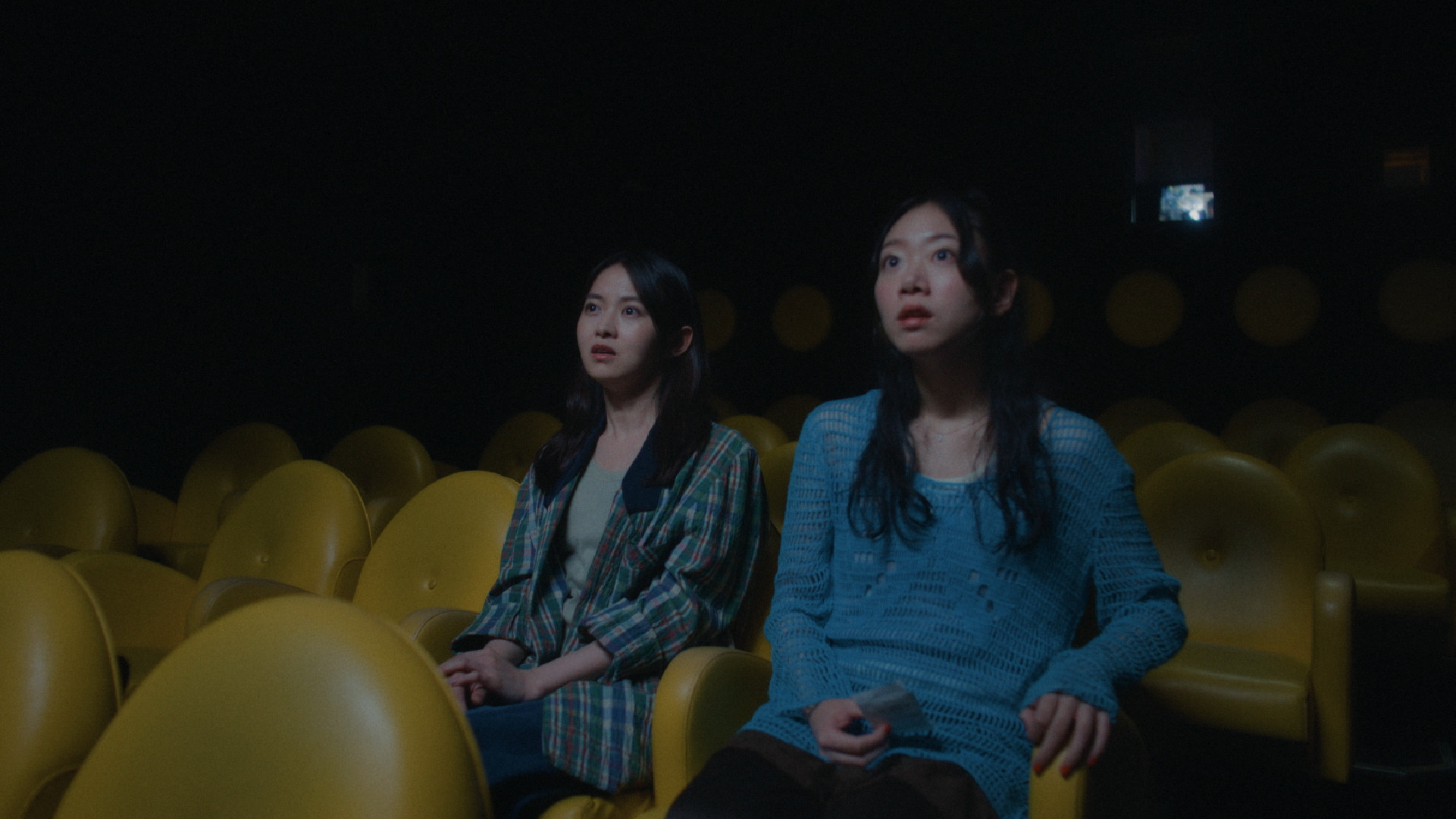
"You are the Film" plunges audiences into a delightfully absurd premise, a hallmark of Ueda’s previous works. The narrative unfolds primarily in Tokyo’s vibrant Shimokitazawa district, a hub known for its bohemian atmosphere, independent theatres, live music venues, and eclectic eateries. The story begins with Madoka, a playwright, who, following a recommendation from the manager of the local "Good Heavens Pub," decides to watch a new indie movie titled "Sangenjaya Escape" at Tollywood, a small, intimate theatre nestled between the pub and the "Crescent Rock" restaurant.
Simultaneously, in a parallel yet intertwined thread, Kazuma, the frontman of a struggling band, also finds himself in Shimokitazawa. Frustrated with his bandmates and struggling to sell tickets for their gigs, he takes the advice of the restaurant manager and heads to the small theatre next door to catch a new film, "Shimokitazawa Exodus."
The fantastical element ignites when Kazuma arrives at the theatre. The film has already commenced, and to his astonishment, its star, Madoka, appears on screen, seemingly occupying the very same theatre space Kazuma is in. In a profound and bewildering twist, the two protagonists, isolated in their respective cinemas, discover they can communicate directly with each other through the movie screens they are watching. This establishes a unique multiverse connection, where the films act as portals, allowing Madoka and Kazuma to interact despite being in different realities, or perhaps, different iterations of the same reality.
The production of "You are the Film" remained true to Ueda’s established micro-budget philosophy. Filmed with ingenuity and an emphasis on creative problem-solving over lavish expenditure, the movie maximizes its confined settings. The deliberate choice of locations—the theatre, the pub, the restaurant, and a ground-floor clothing store—is not merely a budgetary constraint but a creative decision. These intimate, recognizable Shimokitazawa locales become characters in themselves, grounding the fantastical narrative in a tangible, relatable reality. This approach mirrors the principles of Europe Kikaku, where limitations are often transformed into catalysts for innovation.
Signature Style and Thematic Resonance
For his directorial debut, Makoto Ueda masterfully retains the stylistic and thematic elements that have defined his writing career, making "You are the Film" instantly recognizable to his fans while offering a fresh cinematic experience. The film’s core conceit is a direct descendant of his earlier explorations into temporal and spatial displacement. In "Beyond the Infinite Two Minutes," a computer screen served as the conduit between past and future. "Summer Time Machine Blues" utilized a literal time machine in a sci-fi clubroom to link different points in time. Here, in "You are the Film," it is the humble theatre room and its screen that act as the nexus, weaving together distinct universes or realities.
This central mechanism unleashes the characteristic chaos, confusion, and brilliant whimsy that are hallmarks of Ueda’s oeuvre. The narrative unfurls with a fast, kinetic pace, a crucial element given its concise 68-minute runtime. This brisk tempo ensures that audiences are immediately drawn into the characters’ bizarre predicament, even without explicit explanations for the multiverse-connecting phenomenon. The absence of a laborious setup allows the story to dive straight into the comedic and dramatic potential of its premise, relying on the audience’s willingness to embrace the fantastical.
Ueda’s genius lies in his ability to keep the narrative perpetually fresh, even when dealing with inherently repetitive concepts like time travel or parallel dimensions. Just as his previous works avoided stagnation, "You are the Film" continuously reinvents itself as the story progresses. This dynamic storytelling propels the film into unpredictable territory, particularly in its second half. The unfolding absurdity, while undeniably hilarious, pushes the feature fully into sci-fi territory, yet it remains perfectly coherent within the meticulously established constraints of its multiverse. Unlike some of his previous films that concluded with a neatly tied, sentimental ending, Ueda opts for a resolution in "You are the Film" that, while perhaps less conventional, is guaranteed to leave viewers with a lasting smile, underscoring his evolution as a storyteller willing to experiment with narrative closure.
Performances and Ensemble Dynamics
Consistent with many Europe Kikaku productions, the acting in "You are the Film" embodies a distinctly quirky charm. The performances strike a delicate balance between slight exaggeration and grounded realism, contributing significantly to the film’s playful atmosphere and harmonizing with its fanciful narrative. The ensemble cast, a blend of established talents and familiar faces from the Europe Kikaku troupe, delivers performances that are both endearing and crucial to the film’s success.
Former Nogizaka46 idol Marika Ito takes on the role of Madoka, portraying her with a wide-eyed confusion that perfectly captures the character’s bewildered yet resilient response to her extraordinary situation. Ito navigates Madoka’s emotional arc with nuance, even amidst the film’s inherent preposterousness, particularly as her character’s dynamics with her theatre troupe members evolve. Opposite her, Kai Inowaki delivers a compelling performance as Kazuma, the struggling musician. Despite the physical separation enforced by the film’s premise—Madoka and Kazuma primarily interact through screens—Ito and Inowaki cultivate a palpable chemistry, their reactions and dialogue exchanges forming the emotional core of the film.
The supporting cast is populated with many familiar faces from the Europe Kikaku collective, reinforcing the communal spirit of Ueda’s projects. Notably, Munenori Nagano features prominently as a multiverse-jumping stranger. Nagano’s recurring presence is significant; he is the only cast member to have appeared in all three of Ueda’s aforementioned screenwriting credits ("Summer Time Machine Blues," "Beyond the Infinite Two Minutes," "River") as well as "You are the Film." This continuity not only provides a comforting familiarity for audiences but also subtly reinforces the interconnectedness of Ueda’s cinematic universe, with Nagano’s character potentially serving as a recurring narrative anchor across these distinct, yet thematically linked, stories. The collective’s unique acting style, often described as theatrical and slightly heightened, lends itself perfectly to the comedic timing and absurd situations central to "You are the Film," creating a cohesive and highly engaging viewing experience.
Cinematic Craft: Visual Storytelling on a Budget
"You are the Film" not only showcases Ueda’s storytelling prowess but also his burgeoning directorial command of cinematic language, particularly through its distinctive camera work. A hallmark shared with his previous screenwriting collaborations, the film employs fluid camera movements, prevalent use of long takes, and dynamic tracking shots throughout its runtime. This choice is particularly effective given the film’s constrained settings.
With the entire proceedings primarily confined to four locations – the Tollywood theatre, the Good Heavens Pub, the Crescent Rock restaurant, and a ground-floor clothing store – the camera becomes an active participant in the unfolding narrative. It deftly follows the two lead characters, Madoka and Kazuma, often in a dizzying fashion that heightens the sense of madness and confusion inherent in their multiverse-spanning communication. The long takes immerse the audience directly into the characters’ real-time reactions and discoveries, building tension and comedic timing without relying on rapid cuts. Tracking shots, meanwhile, connect the characters to their immediate environments, even as their focus is on the distant screen, emphasizing their isolation within their own realities while simultaneously underscoring the bizarre connection they share.
This deliberate visual strategy serves multiple purposes: it maximizes the impact of the limited physical spaces, imbues the film with a unique visual rhythm, and crucially, amplifies the fantastical elements without needing elaborate special effects. The camera’s agility ensures that despite the repetitive nature of the characters’ primary interaction point (the screen), the visual experience remains dynamic and engaging, effectively pulling the audience into the film’s unique reality. The effective use of these techniques demonstrates Ueda’s understanding of how cinematic tools can be leveraged to elevate a concept-driven, micro-budget production, proving that creativity in cinematography can often surpass the need for expensive production design.
Festival Circuit and Critical Acclaim
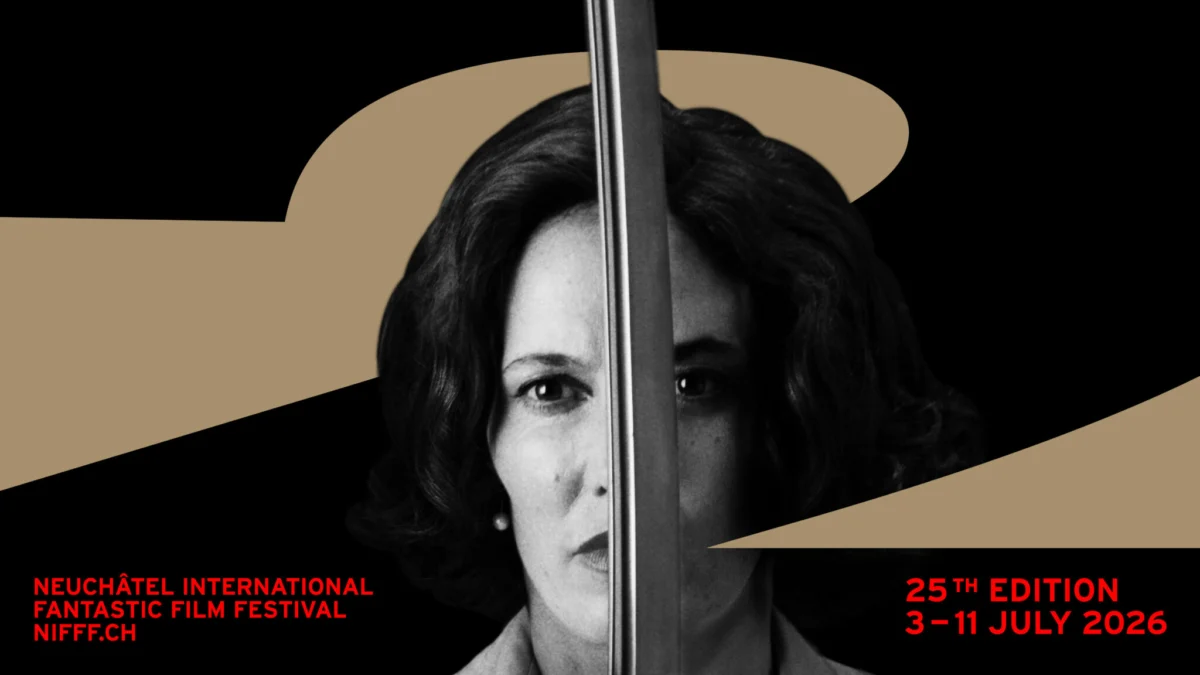
Upon its release, "You are the Film" quickly found its footing on the international festival circuit, drawing praise for its originality and execution. A notable selection was its inclusion at the Neuchâtel International Fantastic Film Festival (NIFFF), a prestigious event known for celebrating innovative and genre-bending cinema from around the globe. NIFFF’s programming committee, known for its discerning taste in fantasy, sci-fi, and horror, recognized Ueda’s film as a significant contribution to the genre. This selection not only provided a prominent platform for the film but also underscored its international appeal and critical relevance within the fantastic film community.
The film’s reception at NIFFF and other hypothetical festival screenings was overwhelmingly positive. Critics lauded Ueda for his seamless transition to directing, highlighting his ability to translate his distinctive writing style into a cohesive and visually engaging cinematic experience. Reviewers frequently pointed out the film’s clever script, inventive use of its premise, and the comedic timing of its performances. Its micro-budget origins were often framed as a testament to creative ingenuity, with many praising the film as an inspiring example of how compelling genre cinema can be made without massive financial backing. The compact 68-minute runtime was also cited as a strength, ensuring a taut narrative that never overstays its welcome, delivering maximum impact in a concise package.
The initial critical consensus positioned "You are the Film" not just as a strong directorial debut but as a fresh voice in sci-fi comedy, capable of captivating audiences with its blend of intellectual curiosity, laugh-out-loud humor, and heartfelt character moments. Its unique premise and skilled execution cemented its place as a film to watch, generating buzz and attracting further attention to Ueda’s growing body of work.
Implications for Japanese Independent Cinema
Makoto Ueda’s "You are the Film" carries significant implications for Japanese independent cinema, particularly within the sci-fi and comedy genres. His directorial debut further cements his role as a standard-bearer for creative, low-budget filmmaking, demonstrating that compelling, high-concept stories can be brought to the screen without the need for extensive resources. This achievement serves as a powerful inspiration for emerging filmmakers in Japan and beyond, showing that ingenuity and strong storytelling can overcome financial constraints.
Ueda’s consistent success with micro-budget genre films, from "Beyond the Infinite Two Minutes" to "River" and now "You are the Film," highlights the viability and artistic merit of this approach. It champions a model where conceptual brilliance and meticulous execution take precedence over spectacle, fostering an environment where innovative ideas can thrive. This could encourage a new wave of independent productions to explore genre filmmaking with similar constraints, pushing the boundaries of what is possible with limited means.
Furthermore, the film’s setting in Shimokitazawa reinforces the district’s identity as a vibrant cultural hub for independent arts. By rooting his fantastical narrative in this recognizable, bohemian locale, Ueda pays homage to the grassroots spirit of indie creation and underscores the idea that extraordinary stories can emerge from everyday environments. This connection to a specific, culturally rich area adds another layer of authenticity and appeal, potentially drawing more attention to Japan’s diverse regional film scenes.
The Future of Makoto Ueda
"You are the Film" marks a pivotal moment in Makoto Ueda’s career, signifying his successful transition from acclaimed writer to a director with a distinct vision. This debut solidifies his position not just as a master storyteller, but as a complete auteur capable of guiding a project from conceptualization to its final cinematic form. The critical and festival success of the film establishes a strong foundation for his future directorial endeavors, raising expectations for what he will bring to the screen next.
His ability to consistently deliver inventive, inspired, and often hilarious micro-budget gems proves that he is not merely adept at writing these kinds of productions, but equally skilled at directing them. This dual capability positions him as a unique and influential figure in contemporary Japanese cinema. With "You are the Film," Ueda has not only expanded his creative repertoire but has also demonstrated a keen understanding of how to maximize cinematic impact with minimal resources, a skill highly valued in the global independent film landscape.
As his filmography grows, there is significant potential for broader international recognition. His films, with their universal themes of time, connection, and the human condition, packaged within highly original sci-fi premises, possess an inherent appeal that transcends cultural boundaries. The future for Makoto Ueda as a director appears bright, promising further explorations into the whimsical, the perplexing, and the profoundly human aspects of science fiction comedy, cementing his legacy as a truly innovative voice in cinema.