The Kingdom of Saudi Arabia has dramatically escalated its financial incentives for international film productions, announcing a new cash rebate scheme that can return up to 60 percent of eligible local spending. This significant policy shift, unveiled by the Saudi Film Commission on Friday at the prestigious Cannes Film Festival, positions Saudi Arabia among the world’s most generous destinations for film and television production, marking a pivotal moment in its ambitious drive to diversify its economy and establish a robust creative industry.
A Bold New Incentive Package
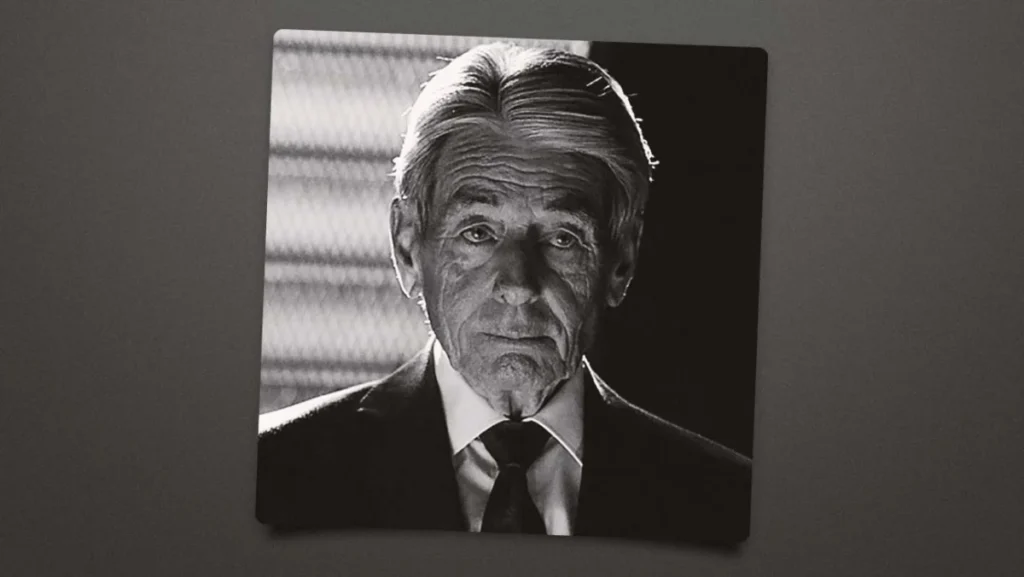
The revised incentive program, presented by Abdullah bin Nasser Al-Qahtani, CEO of the Saudi Film Commission, during the Marché du Film, represents a comprehensive overhaul of the Kingdom’s existing support mechanisms. Beyond the headline 60 percent rebate ceiling, the new scheme introduces critical operational enhancements designed to address prior concerns from global producers. These include faster disbursement processes and a robust package of financing solutions developed in close partnership with the Cultural Development Fund (CDF), a state-backed agency specifically mandated to channel capital into Saudi cultural projects.
The Commission’s stated aim for these changes is to streamline the operating environment for production companies, enhancing efficiency and improving cash-flow predictability throughout the entire shooting cycle. These measures directly respond to early feedback and "gripes" voiced by international producers navigating the Kingdom’s nascent film support programs, indicating a responsiveness to industry needs and a commitment to fostering a more production-friendly ecosystem.
Strategic Investment Amidst Regional Headwinds
This intensified push into the film sector arrives at a particularly challenging juncture for Saudi Arabia’s broader tourism and hospitality industries. According to reports, the 2026 war between the U.S./Israel and Iran, which erupted in late February, has severely disrupted air travel and inbound tourism across the entire Gulf region. Saudi Arabia, which had experienced unprecedented growth in inbound tourism since opening its doors to international visitors in 2019, finds itself notably exposed to this slowdown.
By concentrating fresh state financing and strategic policy adjustments on the film sector, Riyadh is sending a clear signal of its unwavering commitment to building out its content-production infrastructure. This move underscores the film industry’s vital role as a key creative pillar within Crown Prince Mohammed bin Salman’s ambitious Vision 2030 economic diversification drive, which seeks to transform the Kingdom into a global investment powerhouse and a hub for culture and entertainment, moving away from its traditional reliance on oil. The decision, however, is being made at a time when international producers are scrutinizing Middle East shoots with heightened caution, adding a layer of strategic complexity to Saudi Arabia’s bold gambit.
Statements from Leadership: Empowerment and Partnership
Abdullah bin Nasser Al-Qahtani emphasized the long-term vision behind these initiatives. "The announcement represents an extension of the Kingdom’s vision to build a sustainable film sector rooted in empowerment and partnership," Al-Qahtani stated. He further elaborated that recent regulatory advancements, including the introduction of a comprehensive financial audit and disbursement procedures guide, were specifically designed to provide filmmakers with "greater clarity" and transparency in financial dealings, thereby boosting confidence in the Saudi system.
Echoing this sentiment, Majed bin Abdulmohsen Al-Hugail, CEO of the Cultural Development Fund, highlighted the industry’s evolving demands. "Today, the speed and clarity of procedures have become key factors shaping production and investment decisions in the global film industry," Al-Hugail remarked. He articulated the program’s core objective: "Through this program, we aim to provide a more efficient and flexible experience that meets the needs of projects at various stages and strengthens the Kingdom’s position as a reliable partner for international productions." The CDF’s partnership ensures that financial solutions are not just available but are integrated seamlessly into the production process, from early development to post-production.
Global Context and Competitive Edge
The 60 percent cash rebate ceiling instantly propels Saudi Arabia to the forefront of the global film incentive landscape. This figure significantly surpasses the typical offerings from established European national rebate programs, which generally range between 25 and 40 percent. It also outpaces many of the most aggressive recent schemes in the Asia-Pacific region, including Thailand’s revised incentives and Australia’s expanded location offset, which have themselves been successful in attracting major international projects.
For instance, countries like the United Kingdom offer a 25% rebate for films and high-end TV, with certain caps. Canada’s federal and provincial incentives can combine to offer competitive rates, often in the 25-30% range. Malta provides up to 40%, while Hungary offers 30%. The sheer scale of Saudi Arabia’s 60% offer is a clear statement of intent, designed to be irresistible to large-scale productions seeking to maximize their budgets. This aggressive positioning aims to capture a significant share of the multi-billion dollar global film production market.
However, a crucial piece of information that remains undisclosed by the Saudi Film Commission is the program’s total budget or annual cap for the revised rebate. This information is vital for international producers and studios, who will be keen to weigh these figures to determine the true bankability and long-term sustainability of Saudi Arabia’s new scheme. The absence of such details often leads to a wait-and-see approach among major players, despite the attractive headline figure. Transparency on budget allocations and annual limits will be critical in converting interest into committed productions.
The Road to Vision 2030: A Deeper Dive into Saudi Arabia’s Cultural Transformation
Saudi Arabia’s journey towards becoming a global film hub is intricately linked to its broader Vision 2030 blueprint. Initiated by Crown Prince Mohammed bin Salman, this ambitious plan seeks to overhaul the Kingdom’s economy, reducing its reliance on oil exports and fostering new sectors, including tourism, technology, and culture. The entertainment sector, in particular, has been identified as a key driver for job creation, talent development, and enhancing the quality of life for Saudi citizens.
A significant milestone in this transformation was the lifting of a 35-year ban on cinemas in 2018. This pivotal decision immediately sparked a boom in cinema construction and a burgeoning local film industry. Since then, the Kingdom has witnessed the opening of numerous multiplexes, attracting global cinema chains and local investors. The establishment of the Red Sea International Film Festival in Jeddah, which debuted in 2020 (with its first physical edition in 2021), has further cemented Saudi Arabia’s commitment to cinema, providing a platform for Arab and international filmmakers, fostering cultural exchange, and supporting emerging talent.
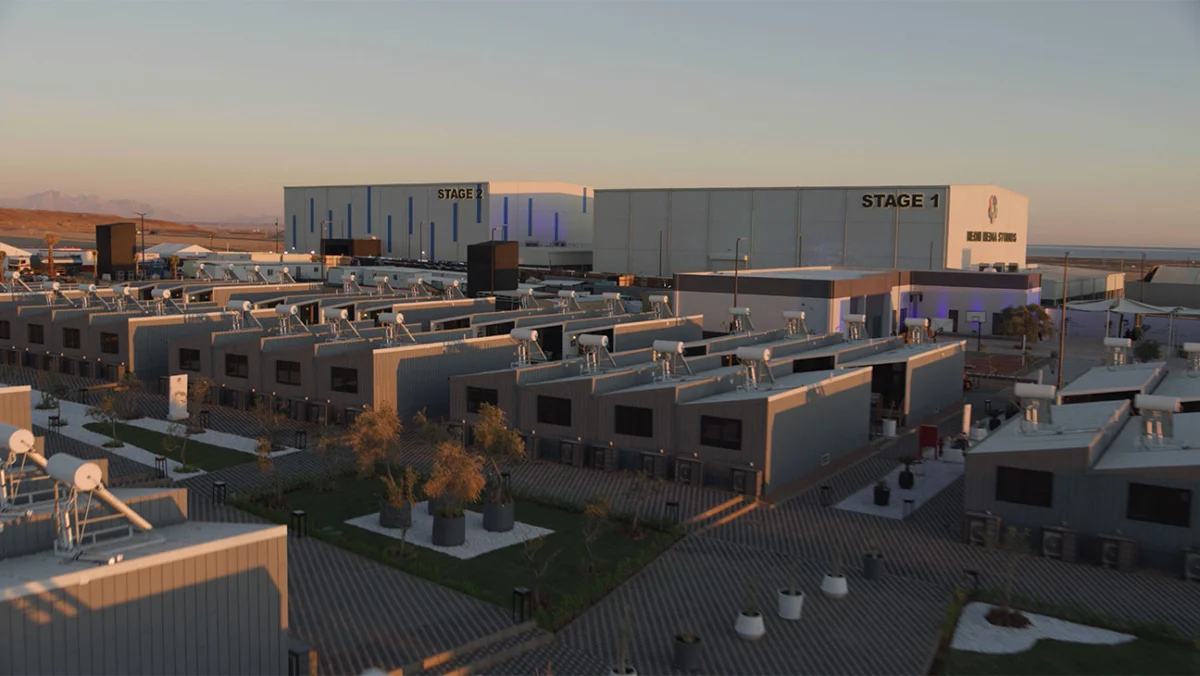
The government, through entities like the Cultural Development Fund and the Ministry of Culture, has poured billions of dollars into cultural infrastructure and initiatives. This includes developing film schools, training programs, and production facilities. The aim is not merely to attract foreign productions but also to cultivate a vibrant indigenous film industry capable of telling Saudi stories and showcasing Saudi talent on a global stage. The increased rebate serves a dual purpose: it draws in the expertise and financial investment of international productions, which in turn can help build local capacity, transfer skills, and stimulate the wider creative economy.
Economic Multiplier Effect and Soft Power Ambitions
The film industry is renowned for its significant economic multiplier effect. Every dollar invested in production often generates several dollars in related economic activity, benefiting sectors such as hospitality, transportation, construction, catering, and local retail. A 60% rebate, especially for large-budget international films, could translate into hundreds of millions of dollars in local spending annually, creating thousands of direct and indirect jobs for Saudis. This aligns perfectly with Vision 2030’s goals of boosting non-oil GDP and empowering the private sector.
Beyond economics, film production is a powerful tool for soft power and nation branding. By hosting international films, Saudi Arabia can shape global perceptions, showcase its diverse landscapes—from the ancient city of AlUla to the futuristic NEOM project—and highlight its cultural heritage. Films can act as extended tourism advertisements, drawing visitors to locations featured on screen. This is particularly critical in the current geopolitical climate, where positive international engagement and narrative control are highly valued. The choice to double down on film investment amidst the "2026 war" and its adverse impact on traditional tourism can be interpreted as a strategic pivot: if direct tourism is hampered, cultural production can still project an image of dynamism and openness.
Challenges and the Path Forward
Despite the unprecedented incentives, Saudi Arabia faces inherent challenges in its quest to become a leading film hub. The scrutiny from international producers regarding Middle East shoots, particularly in light of regional tensions, is a significant factor. Producers weigh not only financial incentives but also political stability, logistical ease, legal frameworks, and crew safety. While the new measures aim to improve "cash-flow predictability" and "clarity," the broader geopolitical environment remains a variable.
Furthermore, building a mature film industry requires more than just financial incentives. It necessitates a deep pool of skilled local talent (actors, crew, directors, writers), robust post-production facilities, and a supportive ecosystem for creative expression. While significant investments are being made in training and infrastructure, these elements take time to develop and achieve international standards. The long-term success of the 60% rebate will depend on how effectively Saudi Arabia can foster this holistic industry growth, rather than simply being a location for transient foreign productions.
The undisclosed budget and annual cap for the rebate program also present an element of uncertainty. For major studios planning multi-year production slates, knowing the longevity and capacity of an incentive program is paramount. This information will be crucial for Saudi Arabia to fully capitalize on its generous offer and provide the long-term assurance that large-scale, tentpole productions require.
In conclusion, Saudi Arabia’s announcement of a 60% cash rebate at Cannes is a bold, assertive move designed to accelerate its transformation into a global film production powerhouse. It’s a strategic investment, made against a backdrop of regional volatility, that underscores the Kingdom’s unwavering commitment to Vision 2030’s cultural and economic diversification goals. While the immediate financial appeal is undeniable, the true measure of its success will lie in its ability to foster a sustainable, vibrant, and globally respected film industry that transcends mere financial incentives and becomes a genuine hub of creative excellence. The world’s eyes, and cameras, are now firmly fixed on the Kingdom.