The premiere of Clarissa at the Cannes Film Festival marks a significant milestone for West African cinema, as directors Arie and Chuko Esiri return to the international stage with a sophisticated reimagining of Virginia Woolf’s 1925 modernist masterpiece, Mrs. Dalloway. Set against the vibrant and complex backdrop of contemporary Lagos, Nigeria, the film represents a bold departure from traditional adaptations, transposing the interiority of Woolf’s characters into a post-colonial urban landscape. Produced with a runtime of 125 minutes, the film features an ensemble cast led by Academy Award nominee Sophie Okonedo and David Oyelowo, signaling a high-water mark for Nigerian-led international co-productions.
Narrative Overview and Setting
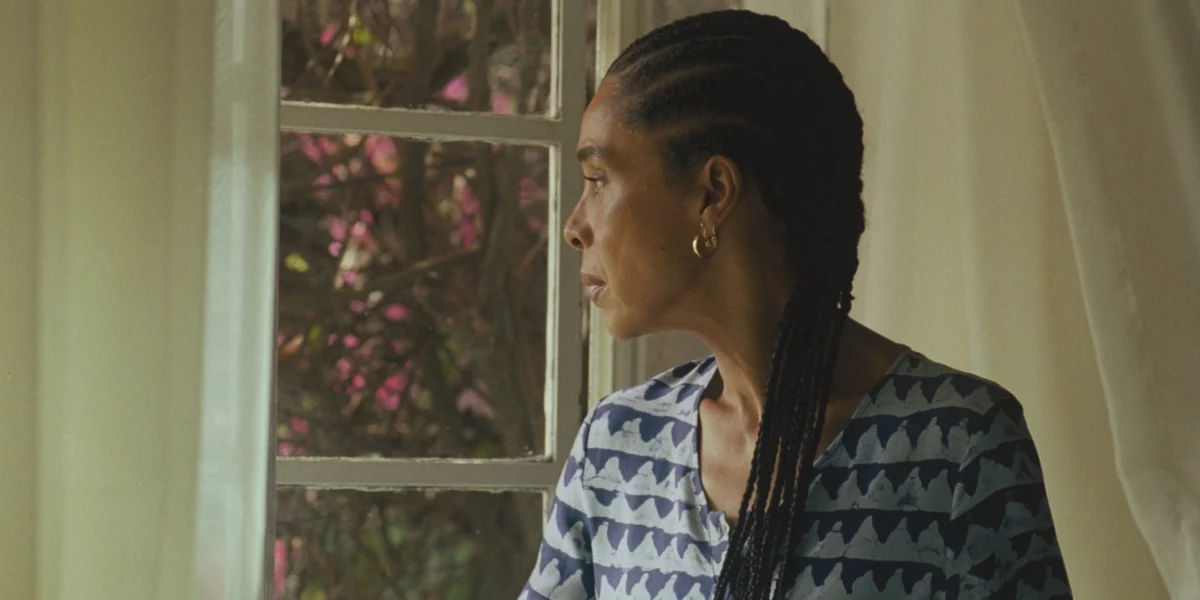
The film’s narrative follows Clarissa, portrayed by Sophie Okonedo, a high-society woman in Lagos as she navigates the final preparations for an evening party at her home. While the surface of the plot concerns the logistics of hosting—positioning furniture and arranging flowers—the true movement of the film is internal. As Clarissa moves through the city, she is confronted by the ghosts of her past, specifically a group of friends from her youth whose presence triggers a series of vivid, often painful, recollections.
The Esiri brothers utilize a dual-timeline structure to bridge the gap between the present day and the characters’ formative years. This approach allows the audience to witness the evolution of the central figures, exploring how the idealistic aspirations of their youth have either curdled or transformed into the realities of their adult lives. The Lagos setting serves as more than just a backdrop; it is a character in itself, reflecting the tensions between tradition and modernity, and the lingering echoes of colonial influence that mirror the themes of Woolf’s original text.
From Bloomsbury to Lagos: Contextualizing the Adaptation
Virginia Woolf’s Mrs. Dalloway was originally conceived as a critique of the British social structure in the aftermath of World War I, focusing on the "stream of consciousness" to explore the fragmented nature of time and identity. In Clarissa, Chuko Esiri, who serves as both director and writer, adapts these themes to fit the Nigerian experience. By shifting the setting to Lagos, the film engages with the specificities of Nigerian history, particularly the intellectual and social transitions following independence.
The screenplay intentionally integrates Woolf’s preoccupation with the passage of time and the weight of social expectations. However, it enriches the source material by layering in a thematic focus on the colonial experience. This is most notably explored through the character of Peter (played by Toheeb Jimoh in the past and David Oyelowo in the present). Peter is depicted as a poet who has authored a book specifically for Nigerians regarding the colonial legacy. This narrative choice allows the film to engage in a meta-commentary on language and reclamation—subjects that were central to the intellectual movements in 20th-century Africa.
The Production Timeline and Cinematic Vision
The development of Clarissa follows the critical success of the Esiri brothers’ 2020 debut, Eyimofe (This Is My Desire), which also premiered at major international festivals and established the duo as proponents of a new, observational style of Nigerian filmmaking. Production for Clarissa began following a lengthy period of script development aimed at ensuring the "stream of consciousness" style could be effectively translated into a visual medium.
Technically, the film is a masterclass in atmospheric cinematography. The directors utilize natural light and a series of seamless transitions—including dissolves and recurring mirror motifs—to simulate the fluid nature of memory. The 125-minute runtime allows for a deliberate, sometimes meandering pace that mimics the act of reading a novel. This pacing is intentional, designed to encourage the audience to pause and reflect on the characters’ internal states rather than rushing toward a traditional climax.
Analyzing the Ensemble Performance
The strength of Clarissa relies heavily on its cast, which brings together established international stars and rising talents. Sophie Okonedo’s performance as the titular character has been noted for its subtlety, capturing the "luminous" yet guarded nature of a woman who has spent her life adhering to social protocols. Her performance is balanced by India Amarteifio, who portrays the younger Clarissa. Amarteifio, coming off the success of high-profile period dramas, provides a performance that anchors the film’s emotional stakes, illustrating the vibrant potential of a woman before the constraints of society take hold.
The supporting cast provides the necessary friction for Clarissa’s introspection:
- David Oyelowo and Toheeb Jimoh: By sharing the role of Peter across two timelines, they provide a cohesive look at a man haunted by both his love for Clarissa and his intellectual frustrations with his country’s history.
- Ayo Edebiri and Nikki Amuka-Bird: Portraying the younger and older versions of Sally, respectively, they highlight the romantic undercurrents and the "what if" scenarios that define Clarissa’s bittersweet reckoning. Edebiri’s performance, in particular, has been cited for its magnetic screen presence, providing a sharp contrast to the more reserved social circles Clarissa inhabits.
- Fortune Nwafor: Adds depth to the ensemble, contributing to the multifaceted depiction of Lagosian society.
Supporting Data: African Representation at Cannes
The inclusion of Clarissa in the Cannes selection is a data point in a larger trend of increasing visibility for African cinema on the global festival circuit. Historically, African films have represented less than 5% of the official selections at major European festivals. The Esiri brothers’ consistent presence at these venues suggests a shift toward "Art House" Nigerian cinema that diverges from the high-output, direct-to-consumer model of the traditional Nollywood industry.
Industry analysts suggest that Clarissa represents a growing appetite for "Global South" adaptations of Western classics. By reinterpreting Woolf through a Nigerian lens, the Esiris are not merely "translating" the story but are asserting the universality of modernist themes while reclaiming the narrative space for African perspectives.
Official Responses and Critical Reception
Early reactions from film critics and industry professionals have praised the film’s "beautiful intentionality." Chuko Esiri’s screenplay is noted for its sharp, reflective dialogue, particularly in scenes that debate the precision of language and the ethics of reclaiming colonial terminology.
While some critics have noted the film’s "meandering" stretches, the consensus suggests that this fragmentation is a deliberate stylistic choice that enhances the observation of the characters over time. The film has been described as an "elegantly crafted reimagining" that manages to make century-old material feel "deeply new and relevant." Distributors have expressed interest in the film’s potential for a successful limited theatrical run in North America and Europe, followed by a robust life on prestige streaming platforms.
Broader Impact and Cultural Implications
The implications of Clarissa extend beyond the confines of the film industry. The project serves as a cultural bridge, connecting the literary traditions of the Bloomsbury Group with the contemporary artistic movements of Lagos. It poses essential questions regarding identity: what is lost over time, and what is lost generationally?
Furthermore, the film’s focus on the precision of art—exemplified by Clarissa’s obsession with the placement of paintings and furniture—serves as a metaphor for the Esiri brothers’ own filmmaking process. Their work demands an exacting level of detail, challenging the stereotype of African cinema as being purely high-drama or low-budget.
As the film moves into wider distribution, it is expected to spark discussions on the role of the "global novel" and the validity of cross-cultural adaptations. By successfully navigating the intricate relationships and hidden desires of its characters, Clarissa establishes itself not just as a tribute to Virginia Woolf, but as a definitive statement on the enduring power of the human spirit to seek connection amidst the shifting sands of history and social change. In the context of modern Nigeria, where the dialogue between the past and the future is constant, Clarissa offers a poignant, bittersweet reckoning that resonates far beyond the shores of Lagos.