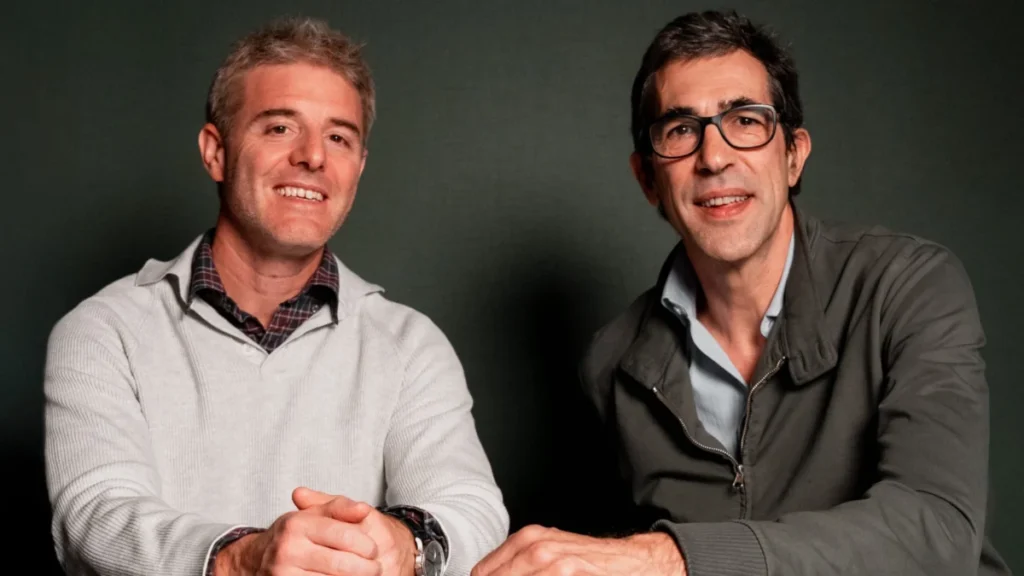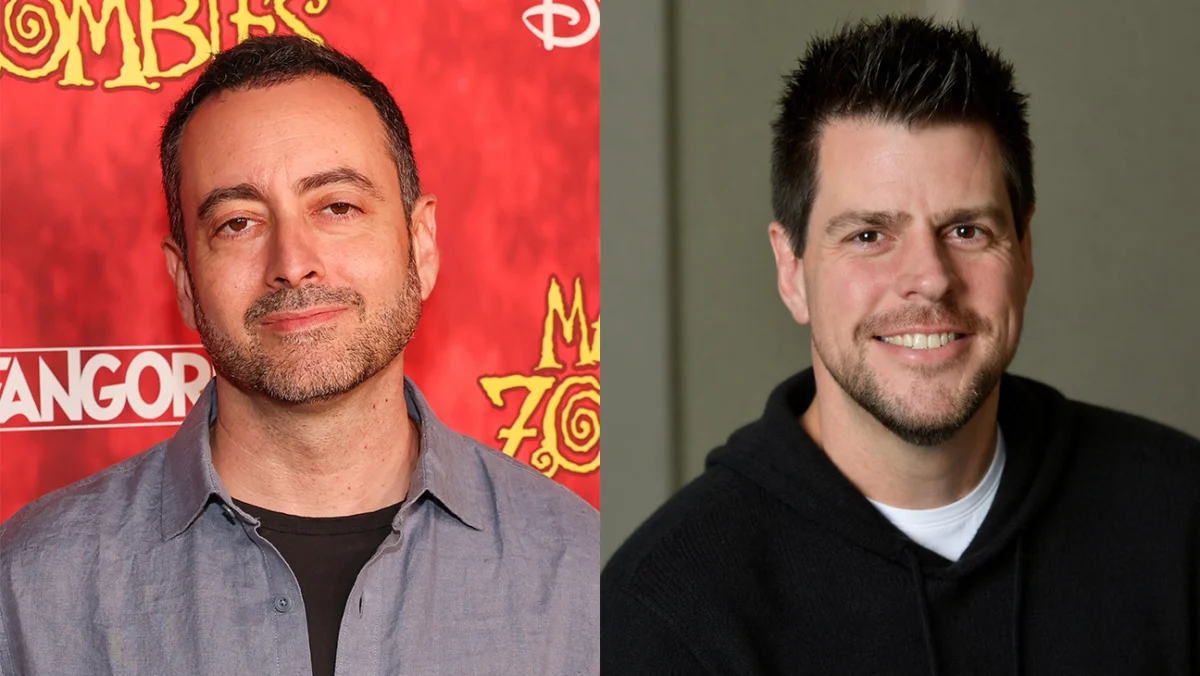
In a significant restructuring of its executive hierarchy, Marvel has announced a sweeping reorganization of its comics publishing and franchise management units. Brad Winderbaum, who currently serves as the Head of Television and Animation for Marvel Studios, has been promoted to the newly created position of Head of Marvel Television, Animation, Comics, and Franchise. This move effectively consolidates the creative oversight of Marvel’s storytelling across nearly all primary media platforms under a single executive. Working alongside Winderbaum, David Abdo will transition from his role within the broader Disney ecosystem to serve as Marvel’s General Manager of Comics and Franchise.
The leadership transition marks the end of an era for the publishing giant. Dan Buckley, a veteran executive who has served as the architect of Marvel’s publishing strategy for over two decades, will be stepping down from his current role. To ensure a seamless handover of responsibilities and to maintain stability within the division, Buckley is slated to remain with the company in an advisory capacity through mid-2027. This reorganization represents the most substantial shift in Marvel’s publishing leadership since the company was acquired by The Walt Disney Company in 2009.
A Unified Creative Vision Under Brad Winderbaum
The promotion of Brad Winderbaum is a clear signal of Marvel’s intent to achieve total narrative and brand synergy. By placing television, animation, and comics under one umbrella, Marvel Studios President Kevin Feige is further integrating the source material with the cinematic and streaming outputs that have come to define the modern entertainment landscape. Winderbaum is a Marvel stalwart, having been with the studio since the production of the foundational 2008 film Iron Man.
Over the last decade and a half, Winderbaum has ascended through the ranks, eventually taking charge of the studio’s massive expansion into Disney+ streaming content. His portfolio as an executive producer includes critical and commercial successes such as Hawkeye, the second season of Loki, and the breakout animated hit X-Men ’97. He is also overseeing highly anticipated upcoming projects including Agatha: All Along, Daredevil: Born Again, and the animated series Your Friendly Neighborhood Spider-Man.
In his expanded role, Winderbaum will be responsible for the overarching creative direction of Marvel’s publishing portfolio. This includes setting the tone for the various comic book lines and ensuring that the global brand and franchise efforts remain consistent across international markets. Crucially, C.B. Cebulski, the current Editor-in-Chief of Marvel Comics, will remain in his position but will now report directly to Winderbaum. This structure suggests that while the day-to-day editorial decisions remain with veteran comic book professionals, the long-term strategic and creative roadmap will be aligned with the broader Marvel Studios vision.
The Strategic Appointment of David Abdo
Complementing Winderbaum’s creative focus is the appointment of David Abdo as General Manager of Comics and Franchise. Abdo arrives at Marvel from the Disney Music Group, where he served as General Manager and was credited with modernizing the division’s operational framework and digital footprint. With over 20 years of experience in media business transformation, Abdo’s role is expected to be heavily focused on the operational, logistical, and digital evolution of the Marvel brand.
Abdo’s background in the music industry—a sector that underwent a radical digital transformation over the last two decades—is particularly relevant to the current state of the comic book industry. As physical retail faces ongoing challenges and digital consumption via platforms like Marvel Unlimited continues to grow, Abdo’s expertise in digital innovation and strategic growth is viewed as a vital asset. His reporting line to Winderbaum establishes a "creative-operational" duo intended to balance artistic storytelling with sustainable business practices.
The Legacy of Dan Buckley
The departure of Dan Buckley marks the exit of one of the most influential figures in the history of the medium. Buckley joined Marvel in the early 2000s, a period when the company was still recovering from its mid-90s bankruptcy. Under his leadership as Publisher and later as President of Marvel Entertainment, the company regained its footing and launched some of the most successful comic book events in history.
During Buckley’s tenure, Marvel published seminal works such as Civil War, Secret Wars, and the recent "Age of Krakoa" reinvention of the X-Men franchise. Buckley was instrumental in expanding the reach of Marvel’s characters beyond the printed page, overseeing forays into high-end video games, licensed merchandise, and television animation. Kevin Feige, in his official statement, praised Buckley’s "lasting mark on Marvel’s legacy," noting that his leadership helped bring iconic characters to new generations of fans worldwide. Buckley’s decision to stay through 2027 provides the company with a three-year window to integrate the new leadership without disrupting ongoing publishing cycles.
Market Pressures and the Competitive Landscape
The timing of this executive shake-up is not coincidental. For the first time in the 21st century, Marvel recently saw its dominant position in the comic book market share challenged by its historic rival, DC Comics. The recent success of DC’s "Absolute Universe" initiative—a bold reimagining of its core icons—has captured significant consumer attention and retail dollars.
Furthermore, the industry’s most prestigious honors, the Eisner Awards, saw a dominant showing from DC and independent publishers earlier this month, leaving Marvel with a smaller share of the critical spotlight than in previous years. Industry analysts suggest that Marvel’s publishing arm has struggled to maintain its creative momentum amidst the sheer volume of content being produced for the Marvel Cinematic Universe (MCU). The appointment of Winderbaum is seen as an attempt to reinvigorate the comics side with the same "event-style" energy that has characterized Marvel’s successful film and television ventures.
Chronology of Marvel’s Leadership Evolution
To understand the weight of this change, one must look at the timeline of Marvel’s corporate restructuring over the last five years:
- October 2019: Kevin Feige is named Chief Creative Officer of Marvel, giving him oversight of all creative direction for the company’s storytelling across film, TV, animation, and comics.
- March 2023: Disney undergoes a massive corporate reorganization, resulting in the folding of Marvel Entertainment (the New York-based publishing and licensing arm) into Disney’s larger business units. Longtime Chairman Isaac "Ike" Perlmutter is ousted.
- Late 2023: Kevin Feige begins taking a more active role in the publishing division’s portfolio, signaling that a leadership change was imminent.
- July 2024: Marvel loses its market share lead to DC following the launch of the Absolute Universe and a lackluster performance at the Eisner Awards.
- Present Day: Marvel officially announces the promotion of Winderbaum and the hiring of Abdo, formalizing the transition away from the Buckley era.
Implications for the Future of Marvel Comics
The consolidation of power under Winderbaum and Abdo suggests several likely shifts in Marvel’s future strategy. First, fans can expect an even tighter "synergy" between the comics and the MCU. While the comics have traditionally served as the "R&D" department for the films, there may now be a more concerted effort to align comic book storylines with upcoming movie and TV releases to capitalize on cross-platform marketing.
Second, the emphasis on David Abdo’s digital expertise points toward a potential overhaul of Marvel’s digital distribution. With the rise of webtoons and vertical-scrolling comics, Marvel may look to innovate its Marvel Unlimited platform to reach younger, mobile-first audiences who do not frequent traditional brick-and-mortar comic book shops.
Finally, the move addresses the "creative fatigue" that some critics have noted in recent Marvel publishing cycles. By bringing in Winderbaum—who has a proven track record of managing complex, episodic narratives in animation and live-action—Marvel is betting that a fresh perspective can restore the publishing unit to its position as the undisputed industry leader.
In his statement, Kevin Feige expressed optimism for the new leadership team: "Brad brings a proven ability to lead creative teams and craft ongoing, episodic narratives that resonate with our fans around the world, while David offers a strong track record of operational excellence and strategic growth. I’m excited for what they’ll be able to do together as we begin building out the next 90 years of Marvel’s comic book legacy."
As the industry watches closely, the success of this transition will likely be measured by Marvel’s ability to reclaim its market dominance and whether it can produce new, culturally resonant stories that stand alongside the classics of the last century. With Dan Buckley providing a steady hand during the transition, the Winderbaum-Abdo era begins at a pivotal moment for the House of Ideas.