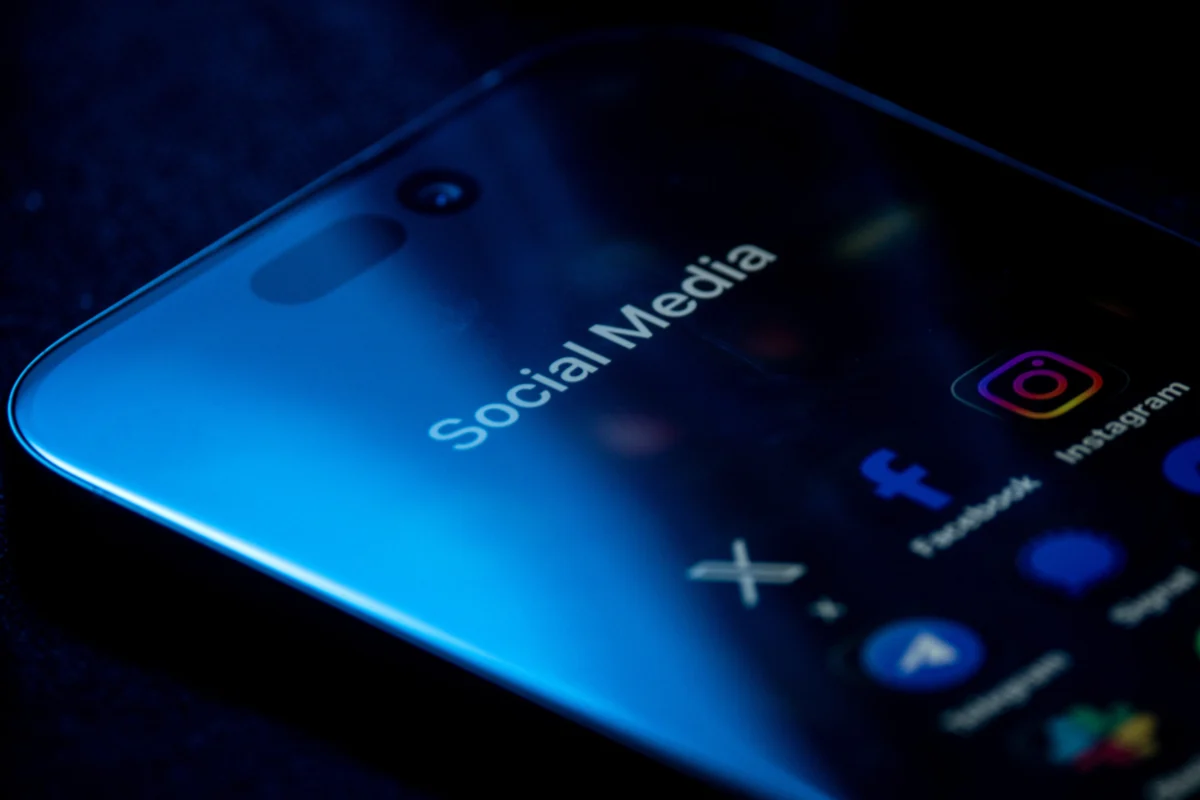
In a period defined by the rapid-fire consumption of algorithmically curated short-form video, a new study from the University of California, Santa Barbara (UCSB) suggests that the quality of digital content may have a more profound impact on human cognition than previously understood. Researchers Jonathan Schooler and Madeleine Gross have released findings demonstrating that even brief exposure to challenging, ambiguous, or "high-effort" media can measurably increase a viewer’s creativity and openness to new perspectives. This discovery offers a scientific counterpoint to the prevailing trend of "empty-calorie" content—the viral clips and low-engagement "slop" that dominate platforms like YouTube, TikTok, and Instagram.
The study, which is slated for publication in the peer-reviewed academic journal Psychology of Aesthetics, Creativity, and the Arts, indicates that the cognitive benefits of art are not restricted to long-term education or intensive study. Instead, the researchers found that "micro-doses" of sophisticated media—specifically avant-garde or independent animated shorts—can act as a form of mental exercise, priming the brain for complex problem-solving and flexible thinking.
The Experimental Design: Rigor in the Digital Age
The UCSB research team sought to investigate the immediate psychological effects of different media types on a random population. To achieve this, they designed a rigorous experiment involving nearly 500 participants, who were split into two distinct groups. The primary objective was to "push the poles as far apart as possible," according to Gross, contrasting highly accessible, low-effort content with challenging, multi-layered artistic works.
The control group was tasked with watching "viral-video" content, described as home-video-style domestic antics and standard social media fare. These videos are characterized by their predictability, linear narratives, and immediate emotional payoffs—qualities that drive high engagement on social media platforms but require minimal cognitive processing.
The experimental group, conversely, watched animated shorts sourced from platforms such as Short of the Week, a platform backed by Sugar23 that curates independent films often seen at international film festivals. These films were selected for their ambiguity, non-linear structures, and "challenging" themes. Unlike the viral videos, these shorts often leave questions unanswered, forcing the viewer to engage in active interpretation.
Measuring Creativity and Conceptual Expansion
Following the viewing session, both groups were subjected to a series of cognitive tests designed to measure "conceptual expansion" and "openness." Conceptual expansion is a psychological term for the ability to break away from traditional mental ruts and connect seemingly unrelated ideas—a hallmark of the creative process.
One of the primary metrics involved asking subjects to devise a five-sentence short story. These stories were then evaluated for originality, narrative depth, and linguistic flexibility. Additionally, participants were asked to identify connections between disparate concepts, a task used to measure multimodal thinking.
The results were statistically significant. Participants who had viewed the challenging animated shorts scored substantially higher on both creativity and openness metrics. They demonstrated a greater capacity for "flexible thinking" and were more likely to approach the subsequent tasks with a mindset that embraced novelty.
In a paradoxical twist, the researchers noted that the participants actually reported enjoying the viral videos more than the experimental shorts. This suggests a disconnect between hedonic pleasure (immediate satisfaction) and eudaimonic growth (intellectual or psychological development). While the viral videos provided a "dopamine hit," they left the participants’ creative faculties dormant. The challenging films, though sometimes perceived as less "likable" in the moment, served as a catalyst for immediate cognitive improvement.
The Psychological Mechanics of Ambiguity
The researchers hypothesize that the "positive impact" of challenging media stems from the way the brain processes ambiguity. When a viewer is presented with a standard viral video, the brain can rely on "well-worn mental ruts." The narrative is familiar, the punchline is expected, and the visual language is simple. This allows the brain to remain in a passive state.
However, when faced with an ambiguous or surreal animated short, the brain’s predictive coding is disrupted. Because the content does not follow a standard script, the viewer is forced to consider alternate possibilities and original interpretations to make sense of what they are seeing. This state of "active sense-making" appears to spill over into subsequent tasks, leading to the observed spikes in creativity.
Madeleine Gross noted that these traits of openness and creativity are not fixed. While personality psychology often treats "Openness to Experience" as a stable trait, this study suggests it is more like a muscle that can be flexed and strengthened through specific environmental triggers.
Context and Chronology: From Arts Education to Digital Micro-Dosing
Historically, research into the cognitive benefits of the arts has focused on long-term interventions. Studies throughout the late 20th and early 21st centuries have consistently shown that children enrolled in intensive arts programs—music, painting, or theater—demonstrate higher academic performance and better emotional regulation.
However, the UCSB study marks a shift in the chronology of this research by focusing on "immediate" and "short-term" effects in adults. The timeline of this study coincides with a growing global concern regarding the "attention economy" and the impact of short-form video on the human psyche.
- Early 2010s: The rise of algorithmic feeds begins to prioritize high-engagement, low-effort content.
- 2018–2021: Psychological studies begin to link excessive social media use with decreased attention spans and increased anxiety.
- 2022: Schooler and Gross begin designing an experiment to see if the "quality" of digital content can reverse some of these trends.
- 2023: Data collection from 500 participants is completed, showing a clear divide between viral content and artistic content.
- 2024: The findings are prepared for publication, offering a "prescription" for digital consumption.
The "Media Diet" and the Threat of AI-Generated Content
The implications of this study are particularly relevant in the context of the burgeoning Artificial Intelligence (AI) industry. As AI models become more adept at generating content tailored to specific user preferences, there is a risk of a "feedback loop" where users are only ever shown content that confirms their biases and satisfies their immediate cravings.
Industry analysts suggest that the "AI slop" era—content generated solely to capture clicks without any underlying artistic intent—could further erode the cognitive benefits associated with media consumption. If the UCSB study is correct, a digital environment devoid of ambiguity and challenge could lead to a broader decline in societal creativity and problem-solving abilities.
The researchers liken the situation to a nutritional crisis. Just as a diet of processed sugars leads to physical health issues despite being "tasty," a media diet of viral clips leads to cognitive stagnation. The "prescription" offered by Schooler and Gross is simple: even a few minutes of exposure to "intellectual fiber"—challenging art—can mitigate the effects of digital junk food.
Reactions and Broader Implications
While the study has been met with enthusiasm by educators and arts advocates, the researchers maintain a level of scientific caution. Jonathan Schooler emphasized that while the benefits are tangible, they are not a "magic bullet" for genius.
"I wouldn’t want to suggest everyone can turn into John Updike with exposure to seven-minute films," Schooler stated. "But there’s a range of capacity that we each have, and almost all of us are not at the top of that range. We can all get closer by doing something like this."
The study also suggests a potential correlation between "openness" and longevity. Previous longitudinal studies in the field of gerontology have suggested that high levels of openness to experience are associated with lower mortality rates and better cognitive health in old age. By boosting openness through media consumption, individuals may be contributing to their long-term neurological resilience.
Conclusion: A Call for Conscious Consumption
The findings from UC Santa Barbara serve as a timely reminder of the power of the media we consume. As platforms continue to optimize for "watch time" and "engagement," the burden of maintaining cognitive health increasingly falls on the individual.
The research suggests that the solution is not necessarily to abandon digital media entirely, but to curate a more balanced "media diet." By incorporating "challenging" content—films that confuse, provoke, or require interpretation—viewers can actively train their brains to be more creative and open to the world. In an age where the algorithm seeks to keep us in comfortable mental ruts, the act of watching a strange, ambiguous short film may be one of the simplest and most effective ways to reclaim our cognitive flexibility.