The Writers Guild of America West (WGAW) and its unionized staff members have reached a tentative first contract agreement, signaling a likely conclusion to a nearly three-month work stoppage that has strained the internal operations of one of Hollywood’s most powerful labor organizations. The Writers Guild Staff Union (WGSU) announced the breakthrough on Friday, marking a significant milestone in a dispute that saw a labor advocacy group pitted against its own employees. The agreement comes after weeks of intensifying picketing and public friction that threatened to undermine the WGAW’s reputation following its high-profile victory in the 2023 film and television writers’ strike.
According to a statement released by the WGSU Bargaining Committee, a ratification vote is scheduled to take place in the coming days. The committee has expressed strong support for the deal, enthusiastically recommending that its members vote in favor of the contract. If ratified, the strike will officially end, and the staff members—who handle the day-to-day administrative, legal, and organizational work of the Guild—will return to their posts. The union noted that upon their return, staff will resume their core mission of defending the gains achieved by writers and assisting in the continued building of collective power within the entertainment industry.
The Genesis of the Conflict
The labor dispute between the WGAW and the WGSU began in early 2024, but the roots of the tension trace back to the staff’s efforts to secure their first-ever collective bargaining agreement. While the WGAW represents thousands of screenwriters in negotiations with major studios and streaming platforms, its own internal staff sought similar protections and formalized work standards. The WGSU is an affiliate of the Pacific Northwest Staff Union, a larger body that provides organizational support for employees of labor unions.
The work stoppage began in earnest nearly three months ago, after negotiations over wages, benefits, and job security stalled. The optics of the strike were immediately noted by industry analysts and guild members alike. For a guild that had recently concluded a grueling 148-day strike against the Alliance of Motion Picture and Television Producers (AMPTP), finding itself on the employer side of a picket line created a complex and often uncomfortable dynamic.
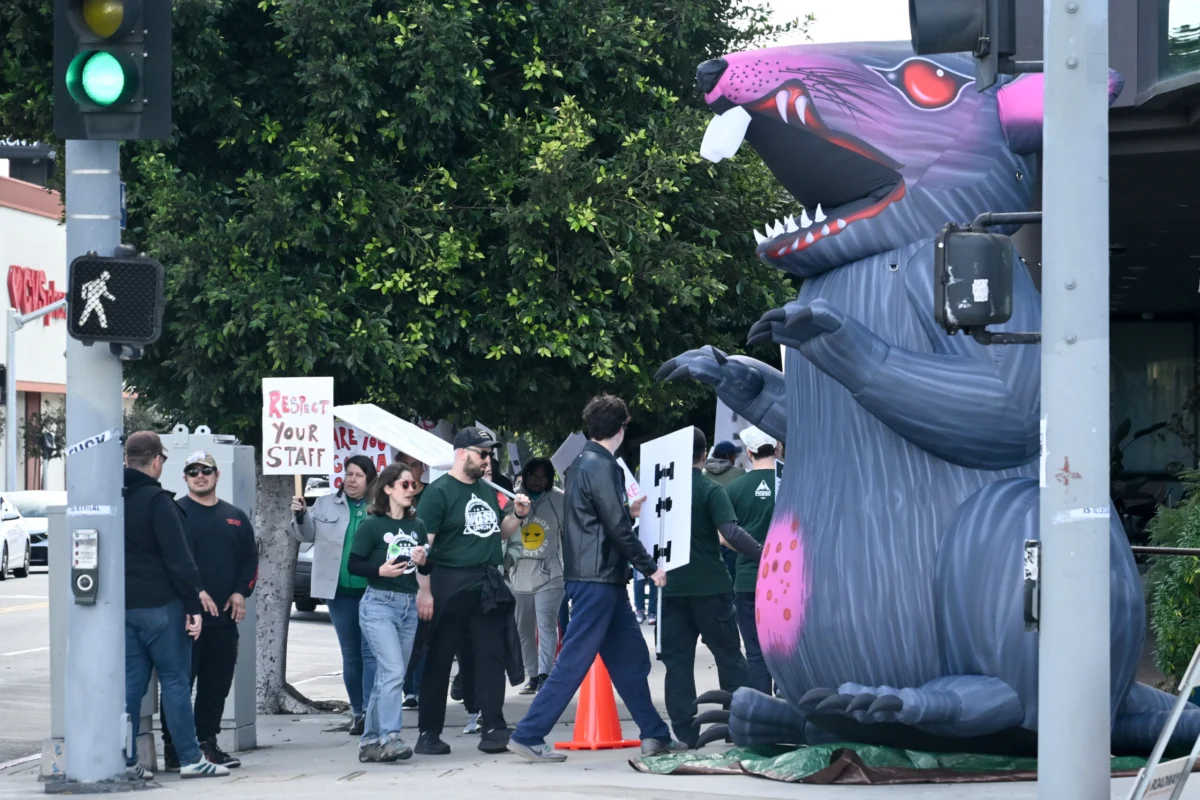
The presence of "Scabby the Rat," a giant inflatable symbol frequently used in labor disputes to highlight companies accused of using non-union labor or engaging in union-busting tactics, became a fixture outside the WGAW headquarters at the intersection of Fairfax Avenue and 3rd Street in Los Angeles. The use of Scabby was particularly poignant, as it suggested that the WGSU viewed the WGAW leadership’s tactics as indistinguishable from those of the corporate entities the Guild typically opposes.
A Timeline of Escalation and Allegations
The three-month standoff was characterized by a series of dramatic escalations and serious allegations. In the early weeks of the strike, the WGSU accused the WGAW leadership of engaging in "bad faith bargaining," a legal term referring to a party’s refusal to participate in the negotiation process with a genuine intent to reach an agreement.
As the strike progressed, the allegations grew more severe. The WGSU claimed that the WGAW had engaged in surveillance of striking workers and had unfairly terminated the employment of a union organizer and several vocal supporters. These claims were particularly damaging to the WGAW’s public image, as the organization frequently critiques major studios for similar anti-labor practices.
By late March, the conflict had spilled over into the WGAW’s external business. A leaked video surfaced showing WGAW leadership and negotiating team members attempting to enter a building for industry-wide bargaining sessions while being heckled by their own staff. Protesters were heard shouting "Shame!" and "Don’t cross the picket line!"—rhetoric usually reserved for "scabs" or executives during a standard Hollywood strike.
In April, the WGAW leadership retaliated with its own set of accusations. The Guild’s management claimed that some picketers had engaged in physical intimidation and verbal abuse that crossed the line into illegal behavior. The WGSU categorically denied these claims, characterizing them as an attempt to delegitimize a peaceful and legal labor action.
Operational Disruptions and the Cancellation of the WGA Awards
The strike’s impact was not limited to rhetoric and picket lines; it caused substantial logistical disruptions for the Guild. The most visible casualty was the annual Writers Guild Awards, a glitzy, star-studded event that serves as a cornerstone of the Hollywood awards season. Citing the inability to guarantee a smooth production and the discomfort of holding a celebratory event while staff members were picketing outside, the WGAW canceled the traditional ceremony.
Instead of the usual black-tie affair, the Guild announced it would hold an "alternative celebration" at a later date. This decision was met with irony when Atsuko Okatsuka, the comedian who had been slated to host the awards, chose to headline a fundraiser for the striking WGSU staff. This move highlighted the split in loyalty among the creative community, many of whom felt a dual allegiance to the Guild that represents them and the staff members who facilitate their union benefits.
Furthermore, the WGAW was forced to vacate its primary offices and cancel several key membership meetings. These meetings were intended to prepare writers for upcoming contract negotiations and to provide updates on the implementation of the new Minimum Basic Agreement (MBA) won in 2023. The absence of staff meant that the administrative machinery required to support thousands of writers was effectively paralyzed.
Reaction from the WGA Membership
The internal strike prompted a range of reactions from the WGAW’s high-profile membership. While many writers remained silent, others expressed frustration at what they perceived as a failure of leadership to resolve the dispute quickly and quietly.
Brittani Nichols, a prominent writer for the hit series Abbott Elementary, was one of the most vocal critics. In a widely circulated statement, Nichols described the strike as "embarrassing" for the Guild. She argued that the public infighting degraded the "goodwill" the WGA had painstakingly built during its own strike against the studios. The sentiment among some members was that the WGAW leadership should have been more sensitive to the irony of being an employer accused of union-busting.
The situation even became a subject of humor in the industry. During the Actors Awards, member Seth Rogen made light of the episode, noting the absurdity of a union being picketed by its own union. While delivered as a joke, the comment underscored the degree to which the dispute had become a talking point throughout Hollywood, distracting from the Guild’s legislative and industrial goals.
The Path to Resolution: Key Figures and Negotiations
The breakthrough on Friday was the result of intensified negotiations led by high-ranking representatives from both sides. Sean Graham, the General Counsel for the WGAW, headed the negotiations for the employer side. Graham, who is typically tasked with protecting the Guild’s legal interests against external entities, found himself in the unusual position of negotiating against his own subordinates.
On the side of the workers, Brandon Tippy, the President of the Pacific Northwest Staff Union (the parent organization of the WGSU), led the bargaining. The negotiations focused on codifying a "first contract," which is often the most difficult agreement to reach in labor relations as it establishes the foundational rules for the employer-employee relationship where none previously existed.
While the specific details of the tentative agreement have not yet been made public, sources close to the negotiations suggest the contract includes provisions for improved grievance procedures, standardized wage increases, and protections against arbitrary termination—addressing several of the key complaints that led to the strike.
Broader Implications for Labor in the Entertainment Industry
The resolution of the WGSU strike carries broader implications for the labor movement within the entertainment industry. It highlights a growing trend of "unionization within unions," where the employees of labor organizations seek the same protections they help provide to their members. This phenomenon has been seen in other large organizations, including the SEIU and the AFL-CIO, reflecting a broader cultural shift toward labor empowerment across all sectors.
For the WGAW, the end of the strike allows the organization to turn its full attention back to the studios. With the 2023 contract now in the implementation phase, the Guild faces the significant task of ensuring that studios comply with new regulations regarding Artificial Intelligence (AI), data transparency, and residual payments. Having its staff back in the office is essential for the rigorous monitoring required to enforce these gains.
Furthermore, the settlement may help mend the "bad optics" that Nichols and others lamented. By reaching a deal, the WGAW leadership can argue that they eventually adhered to the very principles of collective bargaining they advocate for on the national stage. However, the scars of the three-month conflict—including the allegations of surveillance and intimidation—may take longer to heal, potentially affecting internal morale for years to come.
Conclusion and Next Steps
As the ratification vote approaches, the Hollywood community will be watching closely to see if the WGSU members approve the deal. A "yes" vote will officially dissolve the picket lines and allow the inflatable Scabby the Rat to be deflated and put away.
The WGAW has yet to announce if the canceled awards ceremony will be rescheduled in its original format or if the "alternative celebration" will proceed as planned. For now, the focus remains on the transition back to normalcy. The successful negotiation of this first contract serves as a reminder that even within organizations dedicated to worker rights, the balance of power between employer and employee remains a point of constant and sometimes painful negotiation.
With the staff returning to work, the WGAW hopes to move past this internal rift and re-establish itself as a unified front as it continues to navigate the rapidly changing landscape of the global entertainment industry. Further updates on the ratification vote and the specific terms of the new contract are expected early next week.