Berlin, Germany – Mascha Schilinski’s critically acclaimed experimental period drama, Sound of Falling, has swept the 76th German Film Awards, affectionately known as the Lolas, securing an unprecedented 10 accolades, including the coveted Gold Lola for Best Film and Best Director for Schilinski herself. The ceremony, held in Berlin, was not only a celebration of cinematic achievement but also a surprisingly emotional and sharply political affair, marked by industry-wide support for the embattled Berlin Film Festival director, Tricia Tuttle, and a profound moment of introspection from legendary filmmaker Wim Wenders.
A Triumphant Sweep for Sound of Falling
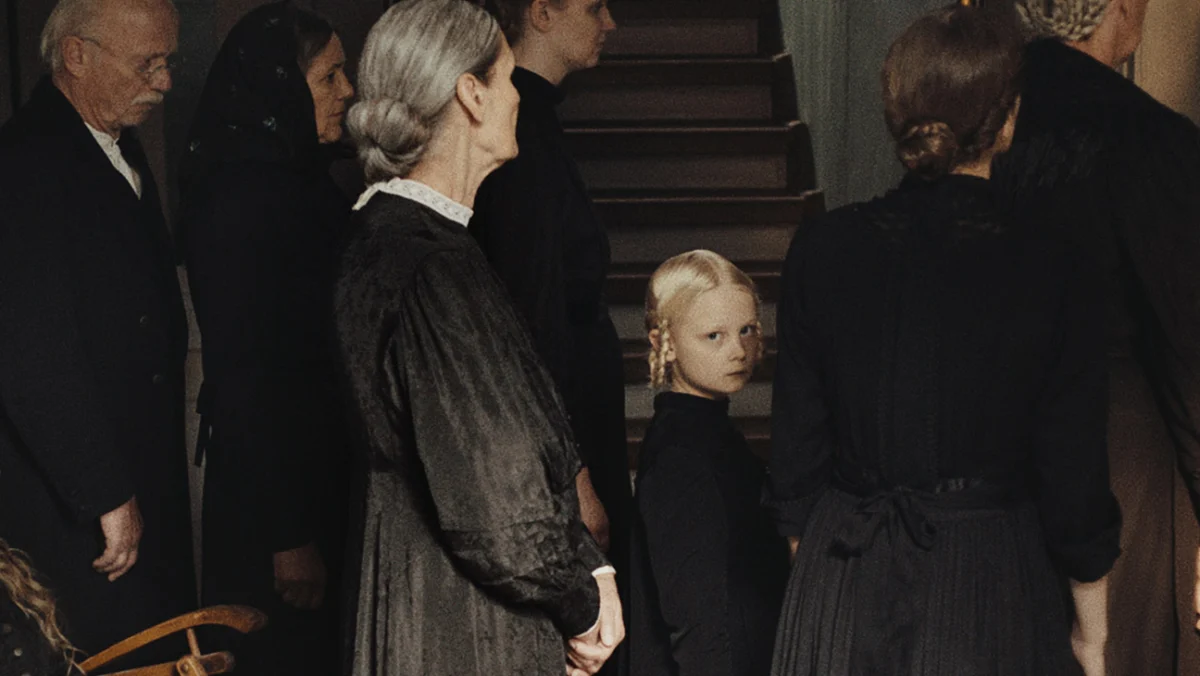
Sound of Falling, Schilinski’s sophomore feature, emerged as the undeniable frontrunner, converting 10 of its 11 nominations into wins, a near-perfect record that cemented its status as a landmark film in contemporary German cinema. The film, which first garnered international attention with a Jury Prize win at the Cannes Film Festival last year, impressed the German Film Academy with its audacious narrative structure. It meticulously traces the interconnected lives of four young women across distinct epochs in rural East Germany, offering a poignant and often melancholic exploration of identity, memory, and the enduring echoes of history.
The film’s victory signals a significant moment for experimental storytelling within the mainstream German film landscape. Schilinski, whose debut feature also received critical praise, has quickly established herself as a director with a unique vision and a fearless approach to cinematic form. Her Best Director win underscores the Academy’s recognition of her masterful command over complex narrative and visual artistry. Beyond the top prizes, Sound of Falling also dominated the technical categories, securing Lolas for Best Supporting Actress (Lena Urzendowsky), Best Cinematography (Fabian Gamper), Best Editing (Evelyn Rack), Best Sound Design (Claudio Demel, Billie Mind, Kai Tebbel, Sebastian Heyser, Jürgen Schulz), Best Costume Design (Sabrina Krämer), Best Production Design (Cosima Vellenzer, Maike Kiefer), and Best Hair and Make-Up (Anne Marie Walther, Irina Schwarz). This near-total sweep across various disciplines highlights the film’s holistic excellence and the collaborative brilliance of its production team, affirming its status as a fully realized artistic endeavor.
The Competition: Yellow Letters and Oh, This Unspeakable Void
While Sound of Falling enjoyed unparalleled success, Ílker Çatak’s Berlin Film Festival winner, Yellow Letters, which had amassed nine nominations, found itself largely overshadowed. Despite its strong showing at the Berlinale and significant critical buzz, Çatak’s film managed to secure only two Lolas: the prestigious Silver Lola for Best Film and Best Score for composer Marvin Miller. This outcome, while still recognizing Yellow Letters‘s artistic merit, highlighted the overwhelming preference for Schilinski’s work among the German Film Academy members this year.
The Bronze Lola for Best Film went to Simon Verhoeven’s comedy, Oh, This Unspeakable Void (original German Ach, diese Lücke, diese entsetzliche Lücke). Verhoeven’s film also celebrated two significant acting triumphs: Best Actress for the legendary Senta Berger and Best Supporting Actor for Michael Wittenborn. Berger, an 85-year-old grande dame of German cinema with a career spanning over six decades and a filmography boasting more than 100 roles, accepted her first-ever Lola, a poignant moment for an actress who has left an indelible mark on European film. Her win, for her role in her son Simon Verhoeven’s film, added a personal touch to the evening, celebrating both her enduring talent and a family legacy in cinema. Wittenborn, a beloved veteran performer, was recognized for his role as Berger’s on-screen husband, underscoring the Academy’s appreciation for seasoned talent.
Individual Accolades and Noteworthy Performances
Beyond the major film categories, individual acting honors were also distributed to highly deserving artists. August Diehl received the Lola for Best Actor for his compelling portrayal in Kirill Serebrennikov’s The Disappearance of Josef Mengele. Diehl, known for his intense and versatile performances in films like Inglourious Basterds and A Hidden Life, took on the challenging role of the infamous Nazi doctor on the run in South America after World War II. His nuanced depiction of a historical figure fraught with moral complexity was lauded by the Academy, demonstrating his remarkable ability to inhabit deeply troubled characters.
The Best Supporting Actress Lola, as mentioned, went to Lena Urzendowsky for her role in Sound of Falling, further cementing the film’s exceptional ensemble and individual performances.
A Ceremony Beyond the Awards: Politics and Reflection
The 76th German Film Awards were hosted by actor Christian Friedel, fresh from his critically acclaimed roles in The Zone of Interest and The White Lotus. Friedel navigated a ceremony that transcended mere award presentations, delving into the contemporary political and ethical challenges facing the film industry.
One of the evening’s most impactful moments came with the presentation of the Lifetime Achievement Lola to Wim Wenders. The legendary German director, whose illustrious career includes masterpieces like Paris, Texas, Pina, and Perfect Days, used his acceptance speech for profound self-reflection. Wenders candidly addressed a scene from his 1975 film Wrong Move, which featured a topless shot of actress Nastassja Kinski when she was just 13 years old. In a rare and striking public statement, Wenders admitted he would not shoot such a scene today and expressed his ongoing "struggle" with the ethical implications, even questioning whether to permanently remove it from the film. He openly appealed to the younger generation of filmmakers in the audience for their guidance, sparking a vital intergenerational dialogue about artistic responsibility, changing societal norms, and the evolving ethics of filmmaking in the wake of movements like #MeToo. This candid moment was widely praised as a courageous and necessary acknowledgment of past practices and a call for continued ethical vigilance in the industry.
The political undercurrents of the evening were palpable, particularly concerning the standing ovation given to Tricia Tuttle when she took the stage to present the Best Director award. Tuttle, the director of the Berlin Film Festival, had faced intense pressure and a concerted campaign, primarily from right-wing press outlets, to resign earlier this year. This pressure stemmed from pro-Palestinian statements made by one of the Berlinale winners, igniting a heated debate about artistic freedom, political expression, and the role of cultural institutions in a charged global climate. The audience’s unanimous and fervent show of support for Tuttle underscored a collective industry stance against political interference and in favor of artistic autonomy. The sentiment was further amplified when Ingo Fliess, a producer on Yellow Letters, used his Silver Lola acceptance speech to directly criticize German Culture Minister Wolfram Weimer, who was present in the audience and had been instrumental in exerting pressure on Tuttle to step down. This direct confrontation brought the political tensions to the forefront, highlighting the deep divisions and strong convictions within Germany’s cultural and political spheres regarding freedom of expression.
Broader Implications for German Cinema
The 76th German Film Awards represent a significant moment for the national film industry. The sweeping success of Sound of Falling signals a strong endorsement of experimental, artistically daring cinema by the German Film Academy. It could inspire a new wave of filmmakers to push creative boundaries, moving beyond more traditional narrative structures. Mascha Schilinski’s ascendancy to the forefront of German directing is particularly notable, showcasing the vibrant talent emerging from the country’s film schools and independent scene.
The Lolas, often referred to as the "German Oscars," are not merely about celebrating past achievements but also about shaping the future trajectory of German cinema. The emphasis on artistic merit, as evidenced by Sound of Falling‘s triumph, alongside the recognition of veteran talents like Senta Berger and August Diehl, paints a picture of a diverse and robust film landscape. The political statements and discussions, particularly those involving Wim Wenders and Tricia Tuttle, indicate that the German film community is highly engaged with contemporary social and ethical issues, willing to confront difficult truths, and advocate for artistic integrity and freedom. This engagement ensures that the Lolas remain not just an awards ceremony, but a vital forum for cultural discourse in Germany.
The Audience Prize for Most Successful Film went to Manitou’s Canoe, directed by Michael "Bully" Herbig, showcasing the continued appeal of commercially successful, popular cinema alongside the critically acclaimed art-house productions. This dichotomy reflects the multifaceted nature of the German film industry, catering to both broad audiences and discerning cinephiles. Additionally, the Bernd Eichinger Prize was awarded to Thomas Wöbke and Philipp Trauer, honoring their significant contributions to German film culture, often recognized for their innovative and impactful work as producers.
In conclusion, the 76th German Film Awards delivered a night of unparalleled cinematic celebration, record-breaking wins, and deeply resonant socio-political commentary, firmly placing Sound of Falling at the pinnacle of German film achievement and signaling a dynamic, evolving future for the nation’s cinematic arts.
Full List of German Film Award Winners 2026
Lola for Best Film
Sound of Falling, dir. Mascha Schilinski
Silver Lola For Best Film
Yellow Letters, dir. Ílker Çatak
Bronze Lola For Best Film
Oh, This Unspeakable Void, dir. Simon Verhoeven
Best Director
Mascha Schilinski for Sound of Falling
Best Documentary
Siri Hustvedt – Dance Around the Self
Best Children’s Film
Circus Boy
Best Actor
August Diehl for The Disappearance of Josef Mengele
Best Actress
Senta Berger for Ach, diese Lücke, diese entsetzliche Lücke
Best Supporting Actress
Lena Urzendowsky for Sound of Falling
Best Supporting Actor
Michael Wittenborn for Oh, This Unspeakable Void
Best Cinematography
Fabian Gamper for Sound of Falling
Best Editing
Evelyn Rack for Sound of Falling
Best Sound Design
Claudio Demel, Billie Mind, Kai Tebbel, Sebastian Heyser, Jürgen Schulz for Sound of Falling
Best Score
Marvin Miller for Yellow Letters
Best Costume Design
Sabrina Krämer for Sound of Falling
Best Production Design
Cosima Vellenzer, Maike Kiefer for Sound of Falling
Best Hair and Make-Up
Anne Marie Walther, Irina Schwarz for Sound of Falling
Best Visual Effects
Michael Wortmann, Frank Schlegel for Momo
Audience Prize for Most Successful Film
Manitou’s Canoe, dir. Michael “Bully” Herbig
Lifetime Achievement Lola
Wim Wenders
Bernd Eichinger Prize
Thomas Wöbke, Philipp Trauer