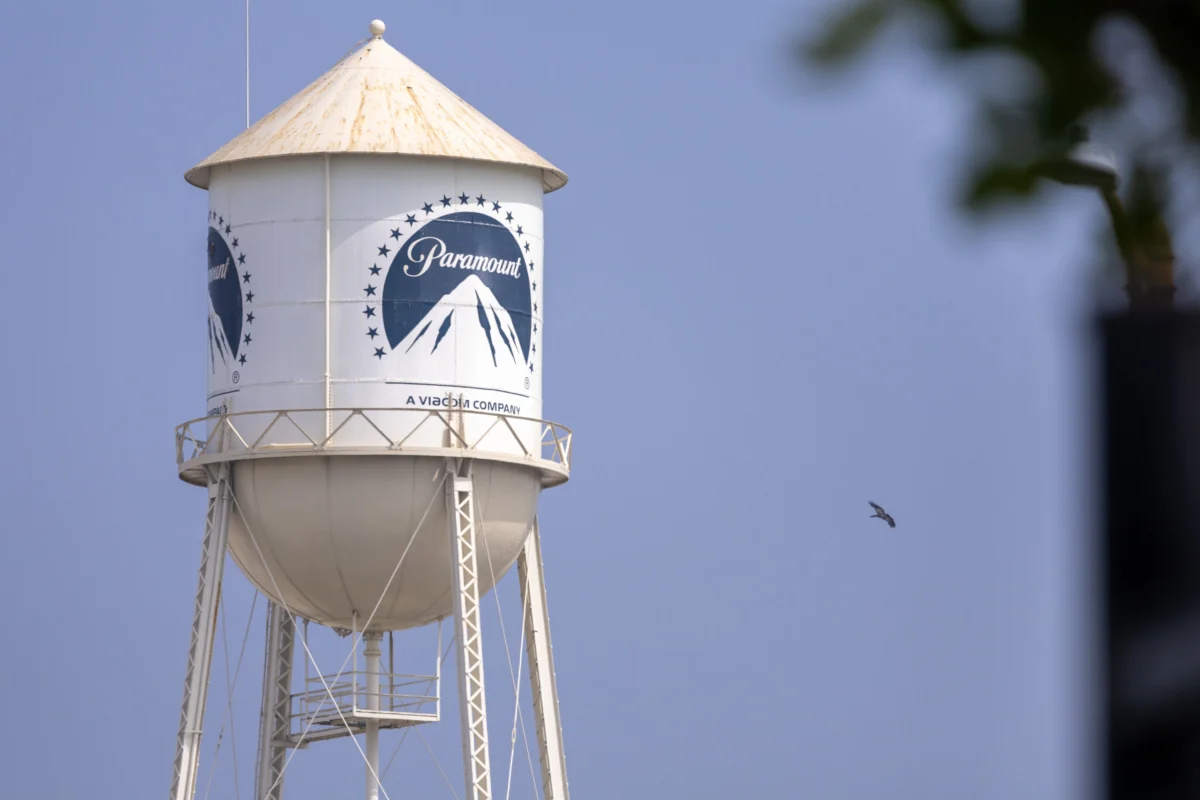
A group of Paramount Global subscribers has filed a federal lawsuit in California seeking to halt the proposed $110 billion merger between Paramount and Warner Bros. Discovery (WBD), marking the first major legal challenge to a deal that threatens to fundamentally alter the landscape of the global entertainment industry. The complaint, lodged on Thursday, alleges that the massive consolidation would violate federal antitrust laws by substantially reducing competition across the sectors of streaming, news media, and theatrical film distribution. The plaintiffs are asking the court for a permanent injunction to block the merger and to unwind Skydance Media’s recent acquisition of Paramount, which served as the precursor to this larger tie-up.
The legal action represents a significant hurdle for Paramount CEO David Ellison and WBD CEO David Zaslav, who have championed the merger as a necessary defense against the encroaching dominance of technology giants like Netflix, Amazon, and Apple. However, the lawsuit paints a different picture, arguing that the transaction is less about competing with tech firms and more about eliminating traditional rivals to gain leverage over consumers. According to the complaint, the deal would consolidate Paramount’s ability and incentive to raise subscription prices, reduce the total output of creative content, and worsen consumer-facing terms through aggressive control of licensing and theatrical windowing.
The Core Allegations of the Antitrust Complaint
The lawsuit centers on the Clayton Act, a foundational piece of U.S. antitrust legislation that prohibits mergers or acquisitions where the effect "may be substantially to lessen competition, or to tend to create a monopoly." The plaintiffs argue that by combining two of the "Big Five" legacy Hollywood studios, the transaction creates a market concentration that is inherently harmful to the public interest.
The complaint specifically highlights the risk of "coordinated interaction" among the remaining major studios. With fewer independent players in the market, the lawsuit suggests that the survivors will have less incentive to compete on price or quality. Joseph Alioto, the lead attorney representing the subscribers, argues that the proposed transaction would increase "top-four concentration" in the theatrical market by more than 10 percentage points, effectively removing Paramount as a meaningful independent competitor that has existed for over a century.
Furthermore, the plaintiffs allege that Skydance Media’s strategy is one of "growth by acquisition" rather than innovation. They contend that instead of building better products or investing in original intellectual property to win over customers, the entities involved are pursuing scale through consolidation to eliminate rivals and weaken the competitive constraints that traditionally protect consumer pricing.
A New Titan in the Streaming Wars
One of the most contentious aspects of the merger is its impact on the rapidly evolving streaming market. As traditional cable television continues to decline, the battle for digital subscribers has become the primary metric for success in Hollywood. The lawsuit provides detailed data suggesting that a combined Paramount-WBD entity would instantly become a dominant force, likely ranking as the second or third largest streaming provider in the world.
Currently, Warner Bros. Discovery’s "Max" and Paramount’s "Paramount+" rank third and fourth, respectively, in the hierarchy of top-tier streaming services for 2024. The complaint estimates that the combined streaming business would generate approximately $17.9 billion in annual revenue. While Netflix remains the clear leader in terms of global subscriber count, the lawsuit argues that a combined Paramount-WBD would leapfrog Disney+ in several key metrics, especially when accounting for their combined library of prestigious intellectual property, which includes the DC Universe, Star Trek, HBO, and the NCAA March Madness broadcasting rights.
Consumer advocates worry that this concentration of "must-have" content will lead to inevitable price hikes. Over the past 24 months, nearly every major streaming service, including Max and Paramount+, has raised monthly subscription fees. The lawsuit suggests that without the threat of consumers switching between these two specific platforms, the new entity will have an "unfettered path" to further increase costs while simultaneously reducing the amount of original content produced each year.
Theatrical Distribution and the Future of Cinema
Beyond the living room, the merger’s impact on the silver screen is a focal point of the legal challenge. If the deal is finalized, the combined company would control roughly 24 percent of the theatrical distribution market. This would make it the largest theatrical distributor in the United States, surpassing the current market share of Walt Disney Studios.
David Ellison has attempted to alleviate these concerns by pledging a robust theatrical slate, promising to release at least 30 movies per year with a minimum 45-day exclusive theatrical window. While this commitment was designed to win favor with theater owners and creative talent, the lawsuit argues that such promises are difficult to enforce and likely unsustainable. The plaintiffs contend that the merger will ultimately leave moviegoers with fewer titles to choose from, a reduction in genre diversity, and fewer mid-budget films that do not fit the "blockbuster" mold.
The "death of the middle" has been a growing concern in Hollywood, as studios increasingly focus on massive franchises at the expense of independent-style dramas or comedies. The lawsuit alleges that by merging two of the primary engines for such films, the variety of the American cinematic landscape will be permanently diminished.
News Media and Editorial Independence
The merger also brings together two of the most influential news organizations in the United States: CBS News (owned by Paramount) and CNN (owned by WBD). The lawsuit identifies this as a critical threat to viewpoint diversity and editorial independence. According to the complaint, the combined company would become the second-largest news media entity in the country, trailing only Comcast (owner of NBC News and MSNBC).
This aspect of the deal has taken on a political dimension. The lawsuit points to reports that former President Donald Trump has expressed support for the Paramount-WBD merger, allegedly as a way to undermine the market position of Netflix, a company he has frequently criticized. The plaintiffs argue that a merger influenced by political maneuvering or the desire to create a more "friendly" media landscape could compromise the credibility and independence of both CNN and CBS News, leading to a narrowing of the perspectives available to the American public.
Chronology of the Mega-Merger
The path to this $110 billion deal has been marked by months of corporate maneuvering and high-stakes bidding:
- Late 2023: Initial reports surface that David Zaslav (WBD) and Shari Redstone (Paramount) have begun preliminary talks regarding a potential merger.
- January – February 2024: Skydance Media, led by David Ellison and backed by RedBird Capital, enters the fray with a bid to acquire National Amusements, the holding company that controls Paramount.
- February 2024: Netflix reportedly declines to enter a bidding war for Warner Bros. Discovery assets, clearing a path for Paramount to emerge as the primary suitor. California Attorney General Rob Bonta issues a warning that the deal will face "vigorous review."
- July 2024: Paramount officially agrees to a merger with Skydance Media in a deal valued at $8 billion, which serves as the structural foundation for the subsequent $110 billion valuation of the combined WBD-Paramount entity.
- August 2024: Warner Bros. Discovery shareholders overwhelmingly vote to approve the combination with Paramount, signaling investor confidence in the scale of the new company.
- September 2024: Subscribers file the federal lawsuit in California, seeking to halt the process before regulatory approvals are finalized.
Official Responses and Regulatory Outlook
In response to the lawsuit, a spokesperson for Paramount dismissed the claims as "without merit." The company maintains that the merger is pro-competitive, stating, "The combination of Paramount and WBD will create a stronger competitor that is well-positioned to serve as a champion for creative talent and consumer choice." Executives have argued that the scale provided by the merger is the only way to ensure the long-term survival of legacy media brands in an era dominated by Big Tech.
Despite the optimism from the boardrooms, the deal faces a gauntlet of regulatory hurdles. The Department of Justice (DOJ) and the Federal Trade Commission (FTC) have signaled a more aggressive stance toward vertical and horizontal integrations under the current administration. Furthermore, the Federal Communications Commission (FCC) must review the transfer of broadcast licenses, particularly regarding the CBS television stations.
The California Department of Justice remains an active player in the investigation. Attorney General Rob Bonta has emphasized that the state will look closely at the impact on the local economy, particularly in Los Angeles, where the reduction of two major studios into one could lead to significant job losses in production and administrative sectors.
Broader Industry Implications
The outcome of this lawsuit and the subsequent regulatory reviews will likely set a precedent for the future of the entertainment industry. If the merger is allowed to proceed, it may trigger a final wave of consolidation among the remaining mid-sized media companies, such as Lionsgate, AMC Networks, and Sony Pictures, as they scramble to achieve the scale necessary to compete with the "Big Three" of the new era: Disney, Netflix, and the Paramount-WBD entity.
However, if the subscribers’ lawsuit succeeds or if the DOJ sues to block the deal, it could signal the end of the "mega-merger" era in Hollywood. For consumers, the stakes involve more than just monthly subscription fees; they involve the diversity of the stories told on screen and the independence of the news organizations that inform the public. As the legal battle unfolds in California, the eyes of the global media industry remain fixed on whether the "Mountain" and the "Shield" will be allowed to become one.