The cinematic landscape of horror is abuzz with a revelation that has sent ripples of excitement and discussion through fan communities worldwide. The recently released film, The Mummy, directed by Lee Cronin, has been officially confirmed to exist within the same expansive universe as Sam Raimi’s iconic 1981 horror classic, The Evil Dead. This groundbreaking confirmation solidifies a growing suspicion among viewers who noted striking tonal and stylistic similarities between Cronin’s latest work and his previous directorial effort, Evil Dead Rise.
The Unfolding Connection: From Speculation to Confirmation
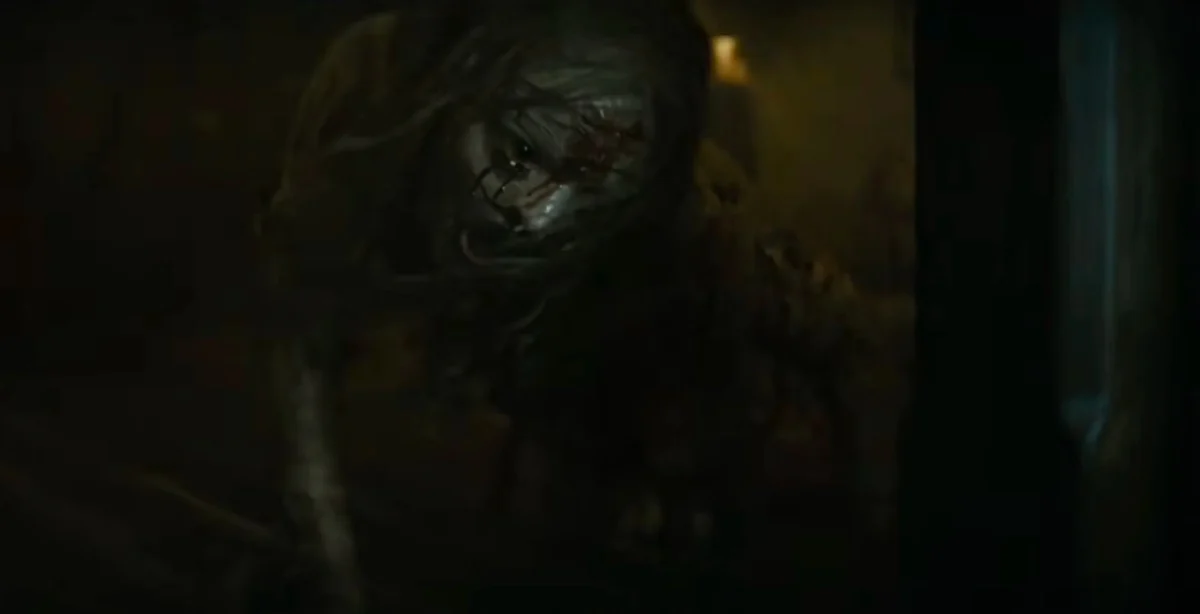
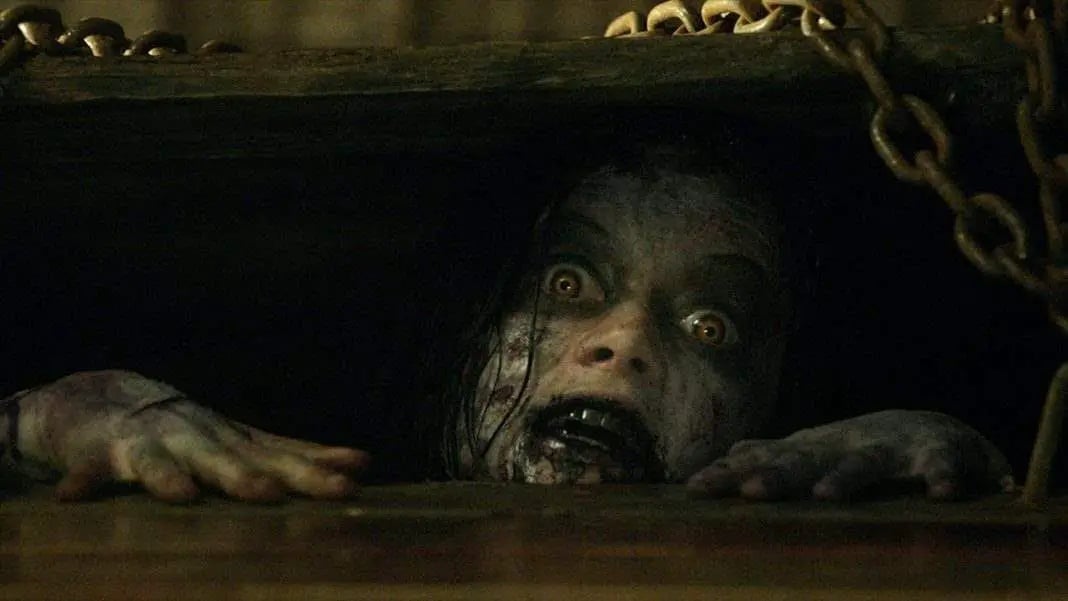
Upon its release, The Mummy immediately drew parallels with the visceral and relentless horror that characterized Evil Dead Rise. While the film ostensibly explores themes of ancient curses and mummy-themed terror, reminiscent of classic horror tropes and even drawing comparisons to the supernatural dread of The Exorcist, its execution leaned heavily into a signature brand of grotesque violence, unyielding brutality, and a distinctively dark, mean-spirited energy. This potent cocktail of horror elements proved difficult for discerning audiences to ignore, sparking widespread speculation about a potential shared universe.
Lee Cronin himself has now definitively addressed these burgeoning theories. In a recent interview with Collider, the director unequivocally stated his perspective: The Mummy is indeed set within the same interconnected narrative tapestry as the Evil Dead franchise. Further elaborating on the subtle yet deliberate nature of this connection, Cronin revealed that a specific detail within the film serves as a direct, albeit easily overlooked, piece of connective tissue.
"I’ve definitely thought about that," Cronin stated when questioned about the film’s canonicity within the Evil Dead universe. "If you pay attention to the name of the archaeologist professor in the movie… he could be a distant relative of some key characters in Evil Dead Rise." This seemingly minor detail, the naming of a supporting character, is sufficient within the established logic of cinematic universes to cement a canonical link. By this established standard, The Mummy now officially joins the growing ranks of films that contribute to the ever-expanding Evil Dead saga.
A Universe in Expansion: The Evolving Evil Dead Canon
This confirmation of The Mummy‘s inclusion in the Evil Dead universe is not an isolated incident but rather a strategic expansion of a narrative that has been steadily growing. The journey began with Fede Álvarez’s critically acclaimed 2013 reboot, Evil Dead, which skillfully revived the franchise for a new generation. This film was instrumental in establishing a renewed interest in the Deadites and their malevolent influence.
The continuity established by Álvarez’s film was further cemented when it was officially linked to Sam Raimi’s original trilogy: The Evil Dead (1981), Evil Dead II (1987), and Army of Darkness (1992). This intricate web of continuity was subsequently extended to include the television series Ash vs. Evil Dead, which continued the adventures of Bruce Campbell’s iconic Ash Williams. What was once perceived as a series of disparate reinterpretations and continuations has now been unified into a single, cohesive, and sprawling canon. Cronin’s The Mummy, by virtue of its confirmed shared universe status, now plays a role in further widening this established horror mythology.
The trajectory of the Evil Dead franchise indicates a clear strategy for sustained growth and audience engagement. Following Evil Dead Rise, the franchise is slated for further installments. Upcoming projects include this summer’s Evil Dead Burn and the anticipated Evil Dead Wrath, scheduled for release in 2028. These future films are expected to continue building upon the established lore and potentially introduce new characters and narrative threads that further intertwine with the existing universe.
The Mummy: Narrative and Reception
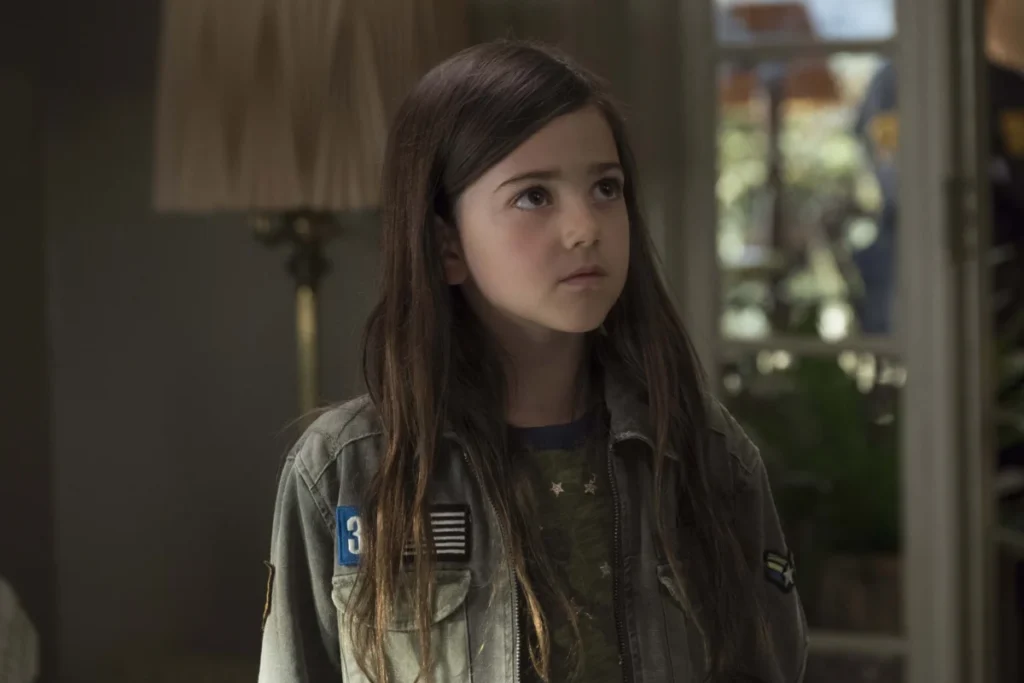
The plot of The Mummy centers on a journalist whose young daughter mysteriously disappears into the desert. Eight years later, in a development that shatters the family’s prolonged grief, the daughter is inexplicably returned. However, this supposed joyous reunion quickly devolves into a horrifying ordeal, as the circumstances surrounding her return unleash a nightmarish reality upon the family. While the film’s narrative premise draws upon classic mummy lore, its thematic and stylistic execution, as noted, aligns it with the brutal and relentless horror of the Evil Dead series.
Early box office projections for The Mummy suggest a robust opening weekend, largely fueled by the dedicated horror audience and the inherent curiosity surrounding its connection to the popular Evil Dead franchise. However, critical reception to the film has been notably divided. This divergence in critical opinion could potentially influence its long-term commercial performance. Nevertheless, the confirmed link to the Evil Dead universe has undeniably ignited significant interest and sparked fervent debate within the genre community, ensuring its place in contemporary horror discourse.
Implications for the Horror Genre
The integration of The Mummy into the Evil Dead universe represents a significant development for the horror genre, signaling a growing trend towards interconnected cinematic universes. This approach, popularized by major studios, is now being embraced by independent and genre-focused filmmakers as a means of expanding their creative reach and building dedicated fan bases.
For fans of Lee Cronin and the Evil Dead franchise, this confirmation offers a rich new avenue for exploration. The potential for cross-over narratives, shared character arcs, and thematic resonance between The Mummy and the Evil Dead films is immense. It invites a deeper analysis of Cronin’s directorial style and his thematic preoccupations, which now appear to be consistently woven into a larger, darker tapestry.
The strategic naming of the archaeologist professor is a testament to the power of subtle world-building. In an era where elaborate shared universes are the norm, such understated connections can be particularly effective in rewarding attentive viewers and fostering a sense of discovery. It suggests a sophisticated approach to franchise management, where even minor details can carry significant narrative weight.
The success of this strategy will likely depend on the continued quality of future installments and the ability of filmmakers to maintain a consistent tone and thematic coherence across disparate narratives. However, the initial confirmation of The Mummy‘s place within the Evil Dead universe has undoubtedly set a compelling precedent, demonstrating that even seemingly unrelated horror properties can be woven together to create a more expansive and engaging cinematic experience. This development underscores the dynamic and ever-evolving nature of the horror genre, where established icons can be reimagined and new narratives can be seamlessly integrated, forging a richer and more interconnected mythology for audiences to delve into. The expansion of the Evil Dead universe with The Mummy is a clear indication that the era of interconnected horror is not only here to stay but is actively expanding its reach and ambition.