Walt Disney Studios concluded the 2026 CinemaCon convention in Las Vegas with a high-profile presentation that signaled a strategic commitment to theatrical exclusivity and the continued dominance of its core intellectual properties. The event, held at the Caesars Palace Colosseum, served as a formal introduction of sorts for the studio’s new leadership structure following the transition in March 2026, which saw Josh D’Amaro succeed Bob Iger as Chief Executive Officer. Despite the significant change at the corporate level, the presentation emphasized continuity, reassurance for theater owners, and a release schedule designed to capitalize on established franchises and prestige adult dramas.
Strategic Leadership and Theatrical Commitment
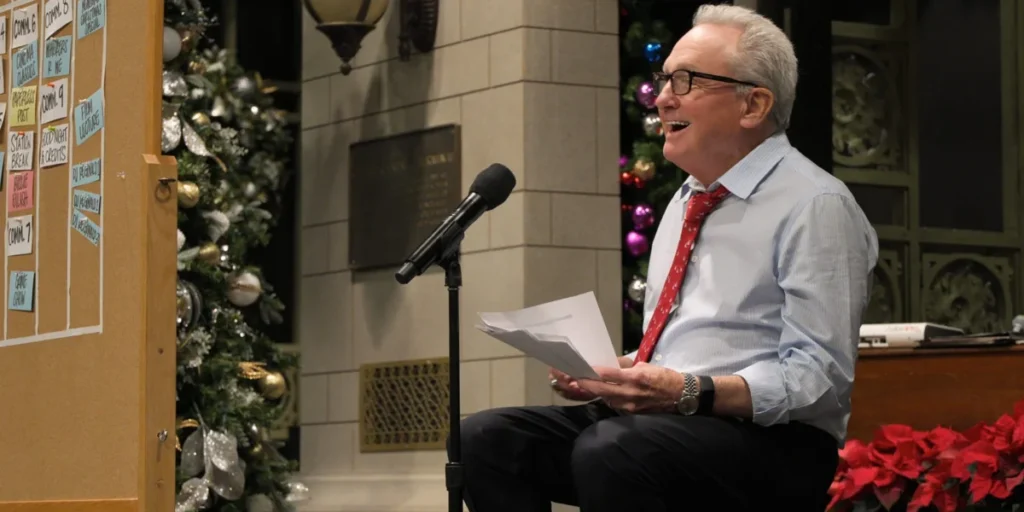
The presentation was led by Disney Entertainment Chairman Alan Bergman, who addressed the gathered theater owners and exhibitors with a focus on the studio’s historical performance and future stability. Bergman highlighted that Disney has maintained its position as the number-one studio at the global box office for nine of the past ten years. This track record served as the foundation for his argument that Disney remains the industry’s most reliable partner for brick-and-mortar cinemas.
Central to Bergman’s address was the announcement of Disney’s theatrical windowing strategy. In an era where streaming services have often compressed the time between theatrical release and home viewing, Bergman revealed that Disney’s 2025 slate averaged 57 days of theatrical exclusivity. This figure significantly exceeds the 45-day window frequently requested by competitors and exhibitors. By maintaining a longer window, Disney aims to maximize per-screen averages and support the long-term viability of the exhibition sector.
This message of stability comes at a complex time for the conglomerate. While the studio is currently undergoing a workforce reduction of approximately 1,000 employees, the internal restructuring appears less volatile than the corporate maneuvers seen at rival studios like Paramount. The transition from Iger to D’Amaro—who previously oversaw Disney’s Parks, Experiences, and Products division—suggests a focus on integrated brand management and the "experience economy," a philosophy that aligns well with the demands of theatrical exhibition.
The Return of Star Wars to the Big Screen
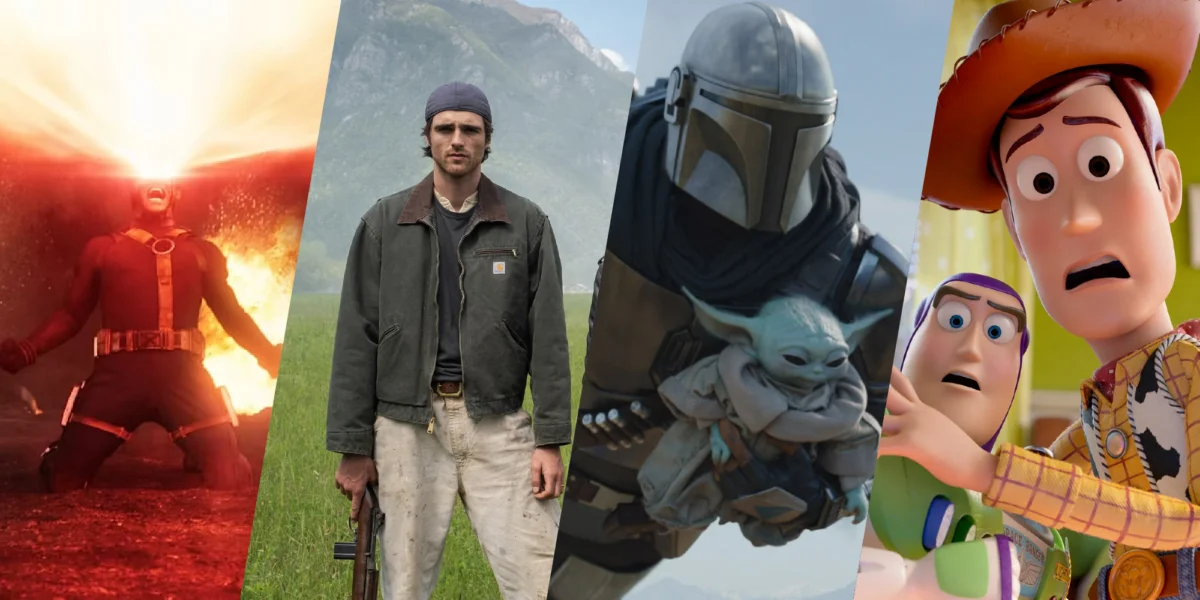
The presentation shifted to content with a significant focus on the return of the Star Wars brand to theaters. Director Jon Favreau took the stage to provide an in-depth look at The Mandalorian & Grogu, scheduled for release on May 22, 2026. This project marks the first Star Wars feature film since 2019, representing a pivotal moment for Lucasfilm as it attempts to transition its successful Disney+ streaming characters to the cinematic format.
Favreau highlighted the technical craftsmanship behind the production, noting the collaboration with Industrial Light & Magic (ILM) and the use of traditional stop-motion animation for specific creature effects—a nod to the franchise’s practical effects roots. An extended 16-minute footage sequence was screened, showcasing the titular duo infiltrating a hideout of Imperial sympathizers. The sequence culminated in a high-stakes escape involving three AT-AT walkers. Analysts note that while the footage demonstrated high production values, the film’s commercial success may depend heavily on its ability to appeal to general audiences who have not followed the television series.
Animation Powerhouses: Pixar and Disney Animation
Disney’s animation divisions, Pixar and Walt Disney Animation Studios, presented a mix of legacy sequels and original concepts. Tom Hanks and Tim Allen, the voices of Woody and Buzz Lightyear, appeared to promote Toy Story 5, slated for June 19, 2026. The film’s narrative focuses on the contemporary challenge of children’s addiction to technology, specifically tablets and mobile devices.
The previewed scenes depicted the character Bonnie becoming enamored with a "Lilypad" tablet, prompting the traditional toys to navigate their diminishing relevance. This thematic direction serves as a direct extension of the franchise’s core conceit—the relationship between a child and their playthings. Industry observers suggest that Toy Story 5 is a strategic move to stabilize Pixar’s box office performance following a period of experimental original releases.
In the realm of original content, Walt Disney Animation Studios introduced Hexed, featuring the voice of Hailee Steinfeld. The film appears to be an original fairy tale following a protagonist named Billie who discovers her magical heritage in a hidden realm. The studio also leveraged its acquisition of 20th Century Fox by announcing Ice Age: Boiling Point. Original cast members Ray Romano, Denis Leary, and Queen Latifah appeared on stage to promote the film, which features a volcanic catastrophe triggered by the franchise’s mascot, Scrat. This marks the first theatrical Ice Age release under the Disney banner, signaling a continued effort to monetize the Blue Sky Studios library.
Live-Action Remakes and High-Concept Dramas
Dwayne Johnson and newcomer Catherine Laga’aia presented the live-action adaptation of Moana, scheduled for July 10, 2026. Johnson, who reprises his role as the demigod Maui, emphasized the personal significance of the project, noting that his character’s design and personality were inspired by his grandfather, High Chief Peter Maivia. The presentation included a trailer featuring updated versions of the original film’s soundtrack. Despite some public skepticism regarding the speed of this remake (the original was released in 2016), Disney’s data suggests a high demand for the property, particularly in international markets.
The studio also diversified its presentation with adult-oriented fare from its 20th Century and Searchlight Pictures labels. Notable reveals included:
- The Dog Stars: Directed by Ridley Scott and starring Jacob Elordi, Margaret Qualley, and Josh Brolin. This post-pandemic survival drama follows a small community in the wake of a global collapse.
- Wild Horse Nine: A Martin McDonagh film featuring Sam Rockwell and John Malkovich. The footage showcased McDonagh’s signature dark humor, focusing on a verbose CIA officer involved in a geopolitical coup.
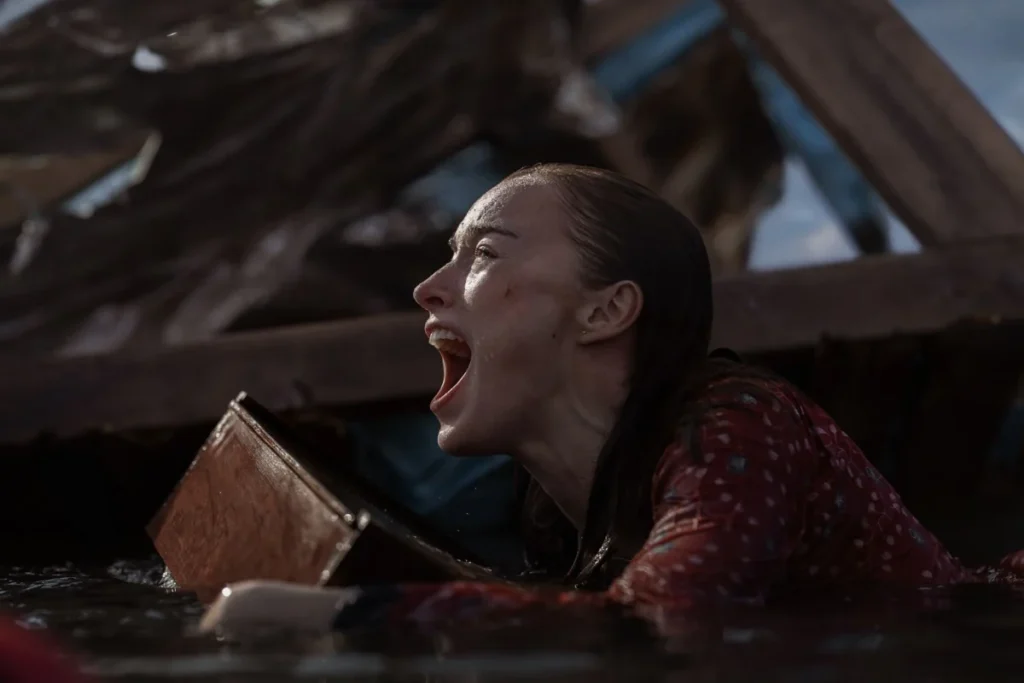
- Whalefall: Directed by Brian Duffield and based on the novel by Daniel Kraus. The film follows a scuba diver (Austin Abrams) who is swallowed by a sperm whale. The footage was described as a "dialogue-free, underwater version of Gravity," generating significant buzz for its tension and technical execution.
- The Devil Wears Prada 2: A brief scene was shown, confirming the return of the central cast in a sequel that explores the evolution of the fashion magazine industry in the digital age.
Marvel Studios and the Introduction of Infinity Vision
Marvel Studios President Kevin Feige, accompanied by directors Anthony and Joe Russo, concluded the presentation with updates on Avengers: Doomsday. The studio introduced a new technical standard termed "Infinity Vision." While the specifics remained somewhat technical, the initiative is designed to certify premium large-format (PLF) theaters that meet Marvel’s rigorous visual and audio specifications.
This move is interpreted by industry analysts as a defensive strategy to secure PLF and IMAX screens, particularly as the December 2026 release of Dune: Part Three poses a significant threat to Marvel’s screen count. The presentation culminated in "The Trailer of Doom," introduced by Robert Downey Jr. and Chris Evans. The footage showcased a massive crossover event featuring the New Avengers, the Fantastic Four, and the X-Men. The trailer’s reception among exhibitors was overwhelmingly positive, underscoring the brand’s continued role as a cornerstone of the global box office.
Chronology of Major Releases and Fiscal Implications
The 2026 slate presented at CinemaCon outlines a dense schedule of tentpole releases:
- May 22, 2026: The Mandalorian & Grogu (Lucasfilm)
- June 19, 2026: Toy Story 5 (Pixar)
- July 10, 2026: Moana (Disney Live Action)
- Late 2026: Avengers: Doomsday (Marvel Studios)
- December 2026: Star Wars: Starfighter (Lucasfilm – Brief Mention)
The studio also briefly looked toward 2027, mentioning Pixar’s Gatto for a March release. The heavy reliance on franchises in 2026 is a clear indication of Disney’s "quality over quantity" mandate, an Iger-era policy that D’Amaro appears to be maintaining. By focusing on high-floor, high-ceiling properties, the studio aims to mitigate the risks associated with a volatile post-pandemic market.
Broader Impact and Industry Outlook
The Disney presentation at CinemaCon 2026 suggests a studio that is doubling down on its strengths while navigating internal and external pressures. The 1,000-person layoff serves as a reminder of the ongoing push for efficiency within the Walt Disney Company, yet the robust production slate indicates that the studio is not retreating from its ambitious theatrical goals.
The 57-day theatrical window is perhaps the most significant data point for the broader industry. If Disney continues to see high returns with this model, it may pressure other studios to reconsider their shorter windows, potentially shifting the power dynamic back toward traditional exhibitors.
As Josh D’Amaro settles into his role as CEO, the 2026 slate will serve as the first major test of his leadership. The question remains whether his background in theme parks and consumer experiences will translate into a new era of cinematic storytelling, or if he will primarily serve as a steward of the established Disney formula. For now, the "House of Mouse" has presented a 2026 roadmap that promises to keep theaters occupied and the global box office competitive.