Lionsgate has announced significant revisions to its theatrical release calendar, notably impacting the highly anticipated two-part sequel to The Passion of the Christ, titled The Resurrection of Christ. The studio has moved the release date for Part One from its original March 26, 2027, slot to May 6, 2027, a shift of just over a month. More substantially, Part Two, which was initially slated for May 6, 2027, will now premiere a full year later on May 25, 2028. This strategic rescheduling also paves the way for the Johnny Depp-led film Daydrinker, which has now been officially slotted for March 26, 2027, filling the vacated date left by The Resurrection of Christ: Part One.
The Long-Awaited Sequel: A Deep Dive into The Resurrection of Christ
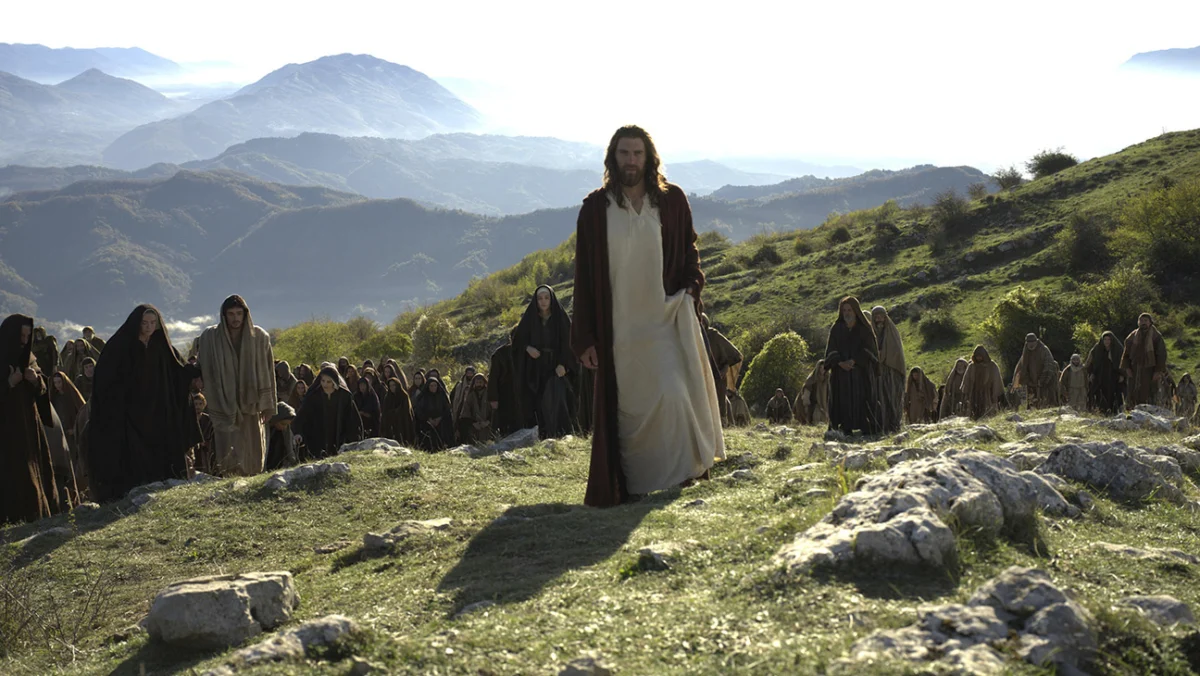
The news of the date shifts arrives alongside the unveiling of the first-look photograph of Jaakko Ohtonen portraying Jesus Christ. Ohtonen steps into a role previously defined by Jim Caviezel in Mel Gibson’s 2004 blockbuster, The Passion of the Christ. That film, an independent production distributed by Newmarket Films, transcended conventional box office expectations, earning over $610 million globally against a modest $30 million budget. It remains the highest-grossing independent film of all time, a testament to its profound cultural and religious impact. The original film garnered significant attention for its visceral depiction of the final hours of Jesus’ life, sparking both critical acclaim and intense debate.
The development of The Resurrection of Christ has been a two-decade-long journey for director Mel Gibson. His commitment to the project stems from a deeply personal and spiritual conviction. In an official statement accompanying the announcement, Gibson articulated his enduring dedication: “This is far more than a film to me. It’s a mission I’ve carried for over 20 years to tell what I believe is the most important story in human history.” This sentiment underscores the profound personal investment Gibson has in depicting the aftermath of Christ’s crucifixion, focusing on the events leading to and following his resurrection.
Filming for The Resurrection, which recently concluded production, features an international ensemble cast alongside Ohtonen. Key cast members include Mariela Garriga, Pier Luigi Pasino, Kasia Smutniak, Riccardo Scamarcio, and veteran actor Rupert Everett. The involvement of such a diverse and experienced cast suggests a production aiming for broad appeal while maintaining the gravitas associated with its predecessor.
Strategic Release Date Adjustments: An Industry Analysis
The decision by Lionsgate to alter the release dates for such a high-profile project is likely a calculated move, reflecting a confluence of production demands, market considerations, and competitive landscape analysis. Pushing Part One back by a few months from March to May 2027 could allow for additional post-production refinement, particularly for a film of this scope and thematic weight. Religious epics often involve extensive visual effects, intricate historical detailing, and a meticulous editing process to ensure both theological accuracy and cinematic impact.
The more substantial delay of Part Two by a full year, from May 2027 to May 2028, is particularly noteworthy. This extended gap between parts one and two suggests a strategic decision to maximize the theatrical run and cultural conversation around the first installment before launching the conclusion. It also provides a significant window for further post-production work, marketing campaigns, and potentially even reshoots or additional photography if deemed necessary after initial cuts are reviewed. Furthermore, staggering the releases allows Lionsgate to capitalize on the anticipation built by Part One, potentially driving larger audiences to the sequel. This strategy has been successfully employed by other major franchises, demonstrating the effectiveness of building momentum between installments.
The May release window itself is often a highly coveted slot in the Hollywood calendar, signaling a film with major blockbuster aspirations. Moving from a late March slot, which can sometimes be competitive with early summer tentpoles, to early May places The Resurrection of Christ: Part One squarely in the prime spring/early summer corridor, traditionally a lucrative period for major studio releases. For Part Two, a late May 2028 release positions it strategically near the Memorial Day weekend, a holiday period historically strong for film openings. This suggests Lionsgate is aiming for significant box office performance, leveraging prime theatrical real estate.
The Genesis of a Phenomenon: The Impact of The Passion of the Christ
To fully understand the significance of The Resurrection of Christ, one must revisit the phenomenon of The Passion of the Christ. Released in 2004, the film became a cultural touchstone, particularly within evangelical Christian communities. Despite its R-rating for graphic violence and its dialogue being almost entirely in Aramaic, Latin, and Hebrew with subtitles, it resonated deeply with faith-based audiences worldwide. Its global gross of $610 million on a $30 million production budget, with an additional $15 million in marketing costs, made it one of the most profitable films in cinematic history.
The film’s success was not just financial; it ignited widespread discussion about faith, redemption, and the cinematic portrayal of religious narratives. It also showcased the significant economic power of the faith-based market, prompting other studios to invest more in films catering to religious audiences. Prior to The Passion, many studios viewed religious films as niche products with limited commercial upside. Gibson’s film unequivocally demonstrated the contrary, setting a precedent for subsequent productions like War Room, Heaven Is for Real, and Miracles from Heaven, all of which achieved considerable box office success within their respective budgets.
Mel Gibson’s journey with The Passion was marked by personal investment and controversy. He financed a significant portion of the film himself when major studios were hesitant to back a project with such potentially polarizing content and graphic depiction. His subsequent career was also impacted by personal legal issues and public controversies, making his return to directing a project of this magnitude, particularly one that continues the narrative of The Passion, a keenly observed event in Hollywood. His stated "mission" for The Resurrection reiterates his profound connection to this specific biblical narrative and suggests a continued effort to leverage cinema for spiritual storytelling.
Casting a New Christ: Jaakko Ohtonen and the Legacy of Jim Caviezel
The announcement of Jaakko Ohtonen as Jesus Christ marks a significant casting decision. Jim Caviezel’s portrayal in The Passion of the Christ was widely praised for its intensity and emotional depth, becoming synonymous with the character for many viewers. Stepping into such a memorable role presents both an opportunity and a challenge for Ohtonen. While details about Ohtonen’s prior work are not as widely known in mainstream Hollywood, the selection by Gibson suggests a deliberate choice to find an actor who can embody the spiritual and physical demands of depicting the resurrected Christ. The first-look photo provides the initial glimpse into his interpretation, setting the stage for audience anticipation.
The change in lead actor from Caviezel to Ohtonen is notable. While Caviezel had publicly expressed interest in reprising the role, Gibson’s decision to cast Ohtonen signals a fresh perspective or perhaps a narrative shift that required a different interpretation. The story of the Resurrection, after all, is not merely a continuation of the Passion but a new chapter focusing on hope, divine power, and the dawn of a new covenant, potentially requiring a different emotional and physical presence from its lead.
Lionsgate’s Broader Slate: Introducing Daydrinker and Johnny Depp’s Resurgence
Filling the March 26, 2027, slot is Daydrinker, a film that marks a significant milestone in Johnny Depp’s career. This project was notable for being the first Hollywood movie to cast Depp in the years following his highly publicized and acrimonious divorce from Amber Heard and the subsequent legal battles. His return to mainstream Hollywood projects has been closely watched, and Daydrinker represents a key step in his career resurgence.
Daydrinker centers on a private yacht bartender, played by Madelyn Cline, who finds herself entangled with a mysterious guest, portrayed by Depp. Their paths cross with a formidable criminal figure, brought to life by Penélope Cruz. The film is directed by Marc Webb, known for his work on The Amazing Spider-Man films and the critically acclaimed indie drama 500 Days of Summer. The screenplay is penned by Zach Dean, whose previous credits include The Tomorrow War. The combination of Webb’s directorial style, Dean’s writing, and a compelling cast suggests a thriller with potential for both commercial appeal and critical intrigue.
Depp’s career has seen a gradual re-entry into the public eye since the conclusion of his defamation trial against Heard. Beyond Daydrinker, he has also been tapped to star in a Scrooge movie at Paramount, further signaling a return to major studio productions. His appearance at the Cannes Film Festival for the French historical drama Jeanne du Barry also marked a significant moment, where he received a standing ovation, indicating a potential shift in public perception and industry willingness to re-engage with the actor. The strategic placement of Daydrinker by Lionsgate suggests confidence in Depp’s star power and the film’s commercial viability.
The Evolving Landscape of Faith-Based Cinema
The delays for The Resurrection of Christ and the prominent placement of Daydrinker reflect Lionsgate’s diversified portfolio and its strategic approach to different market segments. The faith-based cinema market, while robust, often operates on different timelines and marketing strategies compared to mainstream blockbusters. Films in this genre often benefit from grassroots marketing campaigns, early engagement with religious leaders, and strategic releases around key religious holidays.
The sustained interest in The Resurrection of Christ over two decades underscores the enduring demand for biblically inspired narratives. While some faith-based films have faced criticism for their production values or didactic tone, The Passion of the Christ demonstrated that a high-quality, unflinching cinematic approach can garner widespread acceptance and profound engagement. Lionsgate, which has previously had success with faith-based titles like The Shack, understands the nuances of this market. The meticulous approach to The Resurrection, as evidenced by the long development and now the careful date adjustments, reflects an ambition to create a film that not only satisfies its core audience but also transcends genre boundaries, much like its predecessor.
Broader Implications for Lionsgate and the Industry
These scheduling changes by Lionsgate highlight the dynamic nature of film distribution in the contemporary landscape. Studios constantly juggle production schedules, post-production timelines, competitive release windows, and talent availability. For Lionsgate, a studio known for its diverse slate ranging from action franchises like John Wick to horror series like Saw and faith-based dramas, these adjustments are part of a larger strategy to optimize its theatrical performance.
The decision to give The Resurrection of Christ ample time between its two parts, and to slot a significant film like Daydrinker into a prime date, indicates a confident and calculated approach to its upcoming releases. It suggests a belief in the long-term potential of both properties. For The Resurrection, the extended wait between parts one and two could serve to heighten anticipation and build a stronger narrative bridge, allowing audiences to fully absorb the first part before the conclusion arrives. For Daydrinker, securing a March 2027 date positions it well for a spring release, avoiding the intense competition of the summer blockbuster season while still attracting a significant audience.
Ultimately, these calendar shifts are more than just date changes; they are strategic maneuvers designed to maximize box office returns, manage audience expectations, and position key films for success in a competitive global market. As the industry continues to evolve, such careful planning becomes increasingly crucial for studios like Lionsgate to thrive and deliver compelling content to diverse audiences worldwide. The anticipation for both The Resurrection of Christ and Daydrinker will undoubtedly continue to build as their new release dates draw closer.