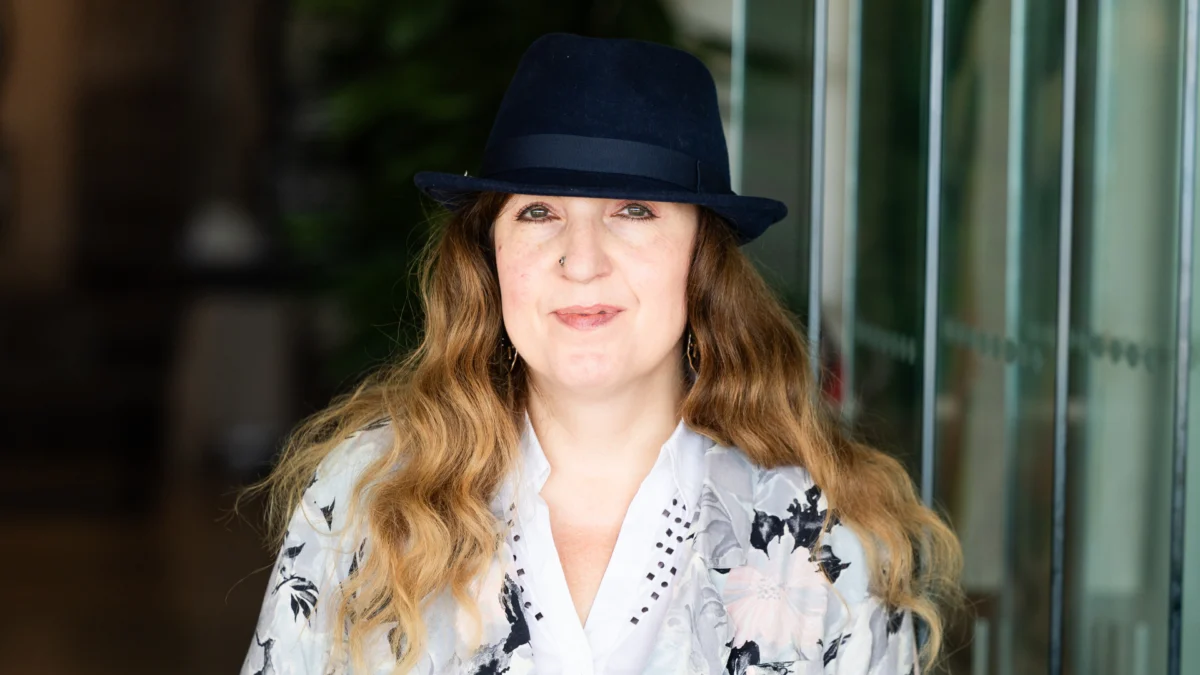
Mia Bays is set to conclude her influential five-year tenure as the Director of the British Film Institute’s (BFI) Filmmaking Fund in October, marking the end of a period characterized by strategic innovation, a resolute commitment to creative risk, and a profound advocacy for cultural and gender equity within British independent cinema. As the first individual to hold this pivotal position for a fixed term – a structural change implemented to underscore the immense influence and strategic importance of the role – Bays navigated a dramatically transformed industry landscape, one irrevocably altered by the seismic shifts of the post-pandemic era and evolving global distribution paradigms. Her departure initiates a significant search for a successor who will inherit the stewardship of one of the most vital engines for independent film in the UK.
A Tenure Defined by Bold Vision and Strategic Innovation
Bays assumed leadership of the BFI Filmmaking Fund at a critical juncture for British cinema. The industry, still reeling from the unprecedented disruptions of the COVID-19 pandemic, faced a complex array of challenges, from shuttered cinemas and production halts to rapidly accelerating shifts in audience consumption habits driven by the rise of streaming platforms. Against this backdrop, Bays, drawing upon her extensive experience spanning producing, exhibition, distribution, and international sales strategy, consolidated her expertise to oversee an annual budget of approximately £20 million (equivalent to around $27 million). This substantial financial power was wielded with a distinctive philosophy: to actively counter the industry’s inherent risk aversion and champion a diverse slate of original, culturally significant projects.
Her appointment in a fixed-term capacity, a deliberate move by the BFI, signaled a desire for focused, impactful leadership capable of enacting significant change within a defined period. This structural clarity allowed Bays to implement her vision with agility, fostering a culture where bold artistic choices and underrepresented narratives were not merely tolerated but actively sought out and celebrated. Her personal commitment as a cultural and gender equity activist was not just a guiding principle but a foundational pillar of the fund’s operations, influencing everything from project selection to team restructuring.
Championing Creative Risk and Underserved Voices
A cornerstone of Bays’ philosophy has been the unwavering belief that public funds exist precisely to support projects that commercial investors might deem too risky. This conviction has translated into a diverse and often audacious slate of films that have garnered critical acclaim and international recognition. "I think [risk] is absolutely a fundamental part of what the public funds are there for," Bays emphasized in a recent interview with The Hollywood Reporter ahead of her final Cannes Film Festival as the fund’s director. This principle has been tangibly demonstrated through the fund’s support for films that challenge conventions, explore untold stories, and introduce fresh voices to the global stage.
Among the standout successes cited by Bays are Rich Peppiatt’s raucous "print the legend" biopic Kneecap, a UK-Ireland co-production that has been lauded for its vibrant energy and unique narrative; Harry Lighton’s biker BDSM dramedy Pillion; and Akinola Davies Jr.’s tender, Lagos-set My Father’s Shadow. These films exemplify the fund’s willingness to back projects that push boundaries, both thematically and stylistically. Kneecap notably won a BAFTA for Best British Debut in 2025 (as projected in the original source, indicating future awards recognition for a film released in 2024), and My Father’s Shadow secured the same accolade this year (2024). Both Kneecap and Pillion also earned the British Independent Film Award (BIFA) for Best British Independent Film in consecutive years, underscoring their critical impact. Furthermore, the fund’s supported films have been selected as the UK entry for Best International Feature at the Oscars, with Santosh in 2025 and My Father’s Shadow in 2026, showcasing their international resonance and appeal.
Bays’ impact extended beyond feature films. The short animation fund supported Two Black Boys in Paradise, which won the BAFTA for Best Short Animation, and Magid / Zafar, a project from the higher-budget short scheme "Future Takes," which won a BIFA and received a BAFTA nomination. These accolades, while only one metric, consistently highlight the fund’s ability to identify and nurture exceptional talent across various formats and genres.
Another significant example of the fund’s commitment to challenging narratives is Palestine 36. Bays describes it as a film that addresses an "untold story – the colonial impact of the U.K. in Palestine and [how] we’re seeing the effects of that still to this day." Such projects, she argues, would simply not be made without public funding, and their existence enriches not only film culture but also the wider cultural discourse in the UK, shaping how the nation understands and represents itself.
Strategic Initiatives and Fund Evolution
Under Bays’ leadership, the BFI Filmmaking Fund underwent significant structural and operational enhancements designed to maximize its impact and transparency. She spearheaded a reshaping of the fund’s team, fostering an environment conducive to proactive talent discovery and project development. A key area of focus was improving the fund’s performance against the BFI’s overarching inclusion targets, a strategic imperative to ensure that the films supported are representative of the UK’s diverse population and that opportunities are extended to filmmakers from all backgrounds. While specific metrics detailing the improvements were not provided, the consistent selection of films from underrepresented voices and regions suggests a tangible impact.
Bays also innovated by establishing new funding streams tailored to specific needs within the industry. The "Impact Fund" was created to support more experienced directors, providing them with the resources to pursue ambitious projects that promise significant cultural or social reverberations. Complementing this, "Future Takes" was launched to back higher-budget, live-action short-form projects, recognizing the critical role of shorts in nurturing emerging talent and serving as a proving ground for innovative storytelling. By financing a focused slate of approximately 12 feature films annually, Bays ensured that each project received dedicated attention and resources, allowing the fund to home in on talent pursuing profound cultural and social impact.
The fund’s decision-making process was also made more transparent through the articulation of six clear fund priorities. These priorities serve as a vital guide for applicants, ensuring they understand the criteria that steer funding decisions. The framework also emphasizes a balanced slate, prioritizing UK-wide representation to move beyond a London-centric focus, actively backing creative risk, and ensuring films have impact both domestically and internationally, considering audiences who have historically been underserved.
Navigating a Transformed Industry Landscape
Despite the successes, Bays candidly addressed the significant obstacles currently plaguing the British film industry. She identifies "the challenges of distribution" as the biggest hurdle. The current climate sees distributors becoming increasingly risk-averse, leading to less money being invested in releases and crucial Prints & Advertising (P&A) campaigns. This contraction, coupled with the struggle to sell films internationally, creates a difficult environment, particularly for the kind of risky, independent films that the BFI Filmmaking Fund is designed to support.

This market contraction has profound implications. As other investors become more risk-averse, Bays fears a "rollback on the progress that has been made over the past few years in diversifying [film]," potentially shutting out underrepresented voices that have only recently begun to gain traction. This highlights the ever-increasing importance of public funds like the BFI’s, which act as a vital counterweight to commercial pressures. However, Bays acknowledged that supporting just 12 features a year, while substantial, is "not enabling much, really, in the grand scheme of things."
The Promise of Co-Productions: A Path Forward
Amidst these challenges, Bays sees a clear path forward for British cinema: co-productions. She emphatically states that co-productions are "100 percent" the way forward, arguing that it is "incredibly hard to finance a film entirely out of the U.K. at the moment." Co-productions offer a crucial mechanism for pooling resources, accessing multiple tax credits and public funds, and broadening a film’s potential audience and market reach.
She cited Kneecap as a prime example of a successful co-production, involving the UK and Ireland, two broadcasters, and three significant lottery funds. This collaborative model, she believes, was essential for the film’s realization and has demonstrated the potential for privileging more Irish-language work, highlighting its cultural importance and commercial viability. Bays also underscored the significance of partnerships within the UK itself, such as funding collaborations with Ffilm Cymru Wales, Screen Scotland, and Northern Ireland Screen, which foster meaningful regional film development.
The existence and recent expansion of the UK Global Screen Fund, a sister fund designed to support minority co-productions, is seen as "incredibly important." Bays expressed optimism about its increased funding and upcoming new interventions, signaling a concerted effort to bolster international collaboration for British film.
Optimism Amidst Challenges: A Resurgent British Cinema
Despite the formidable hurdles, Bays maintains a buoyant optimism, primarily fueled by the sheer quality and impact of British filmmaking. "I’m always buoyed by the work," she said, praising British filmmaking as "consistently world-class" and demonstrating significant international impact through strong sales and box office performance.
One particular source of optimism for Bays is the "resurgence of comedy" in the UK, which she feels is "long overdue." She pointed to data indicating that "seven out of 10 of the qualifying indies at the U.K. box office last year were comedies or comedy-drama." This trend, exemplified by films like The Ballad of Wallis Island, Marching Powder, and Pillion, showcases a vibrant return to a historically strong British comedic tradition. She also highlighted The Incomer, a culturally Scottish film supported by the fund, which made a significant mark at Sundance, demonstrating the universal appeal of human stories rooted in specific cultural contexts.
Looking ahead to her final Cannes Film Festival as fund director, Bays expressed particular excitement for Clio Barnard’s I See Buildings Fall Like Lightning, a film she describes as "brilliant." She lauded the collaborative team behind the project and its ability to "speak to the challenges of a generation, particularly 30-somethings," with heart, tenderness, and care, suggesting its themes resonate beyond British borders.
Reflecting on Leadership and Leaving a Legacy
Reflecting on her five-year tenure, Bays subscribes to the principle of "creative renewal," viewing the fixed term as a healthy mechanism for change. She believes five years is an optimal duration to effect substantial transformation and "leave a steady ship." Her impressive track record of awards, international selections, and the launch of new initiatives certainly attests to this.
When asked for advice for her successor, Bays championed the concept of a "beginner’s mind" – an approach characterized by openness, eagerness, and a lack of preconceptions. She stressed the importance of listening intently to the industry, understanding its evolving needs, and being adaptable. "Just being able to listen is such an incredible part of what good leadership looks like," she advised, emphasizing the need to strike a balance between bringing one’s own ideas and responding to the genuine demands of the film community. This adaptability, she believes, will be crucial for the fund to continue its vital role in the next five years, potentially shifting its focus as industry needs dictate.
Mia Bays’ leadership of the BFI Filmmaking Fund will be remembered for its unwavering dedication to audacious storytelling, its proactive pursuit of diverse voices, and its strategic response to a challenging industry landscape. Her tenure has solidified the fund’s reputation as a vital catalyst for independent British cinema, ensuring that creative risk remains at the heart of public funding.
Looking Ahead: The Search for a Successor and Future Trajectory
With recruitment for her replacement officially underway, the BFI faces the critical task of finding a leader who can build upon Bays’ legacy while navigating the ongoing evolution of the global film industry. The successor will need to possess a similar blend of artistic sensibility, strategic acumen, and a deep commitment to the BFI’s inclusion goals. They will inherit a fund that has been invigorated and made more transparent, but also one operating within a precarious ecosystem where independent film faces constant threats from distribution challenges and commercial risk aversion.
The continued emphasis on co-productions, the nurturing of new talent through schemes like "Future Takes," and the unwavering support for culturally resonant and challenging narratives will undoubtedly remain central to the fund’s mission. Bays’ impact extends beyond the films she directly supported; she has reinforced the foundational principle that public funding is indispensable for fostering a vibrant, diverse, and world-class national cinema. Her departure marks the end of a highly successful chapter, but the robust framework and bold spirit she instilled are poised to guide the BFI Filmmaking Fund into its next era.