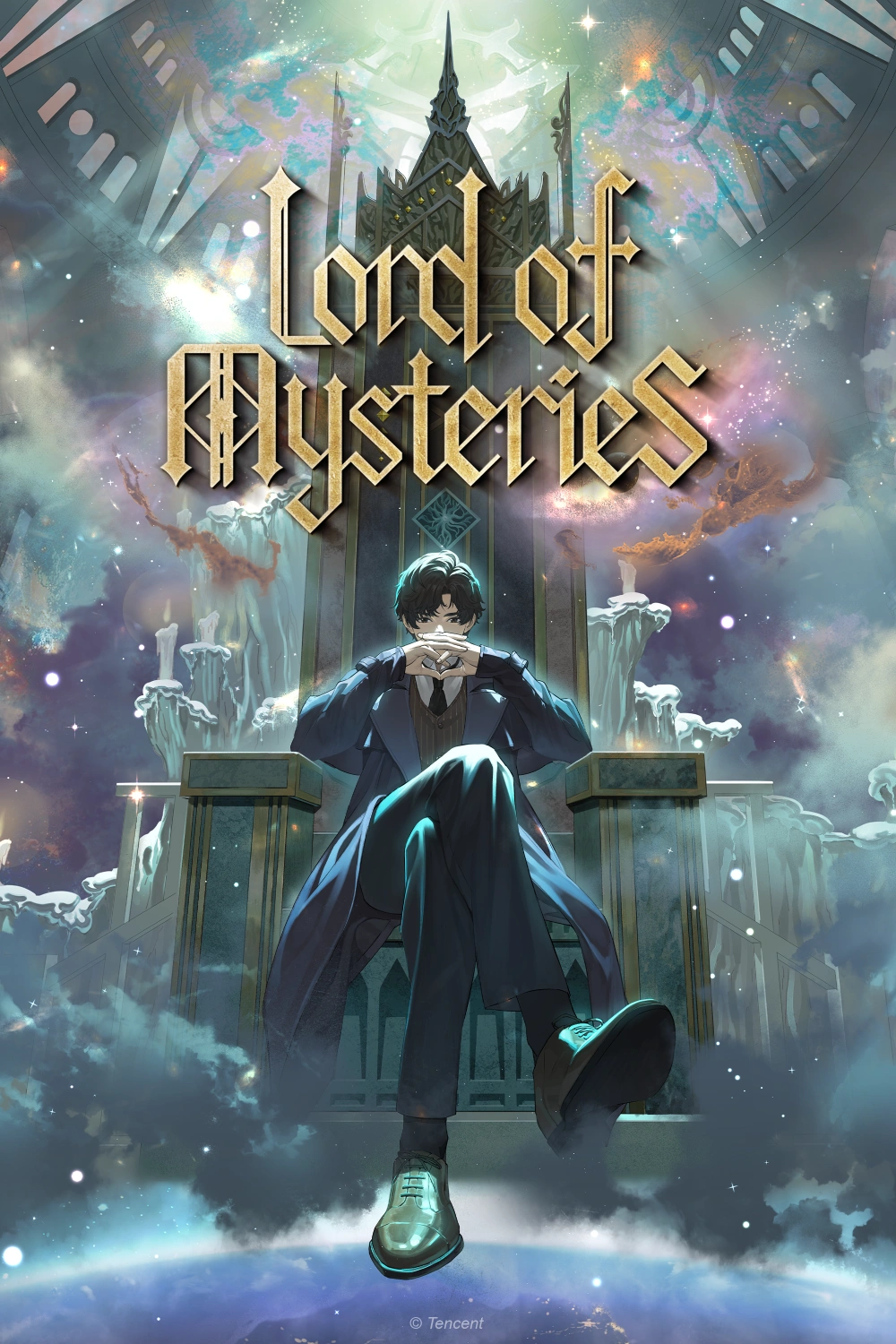
The highly anticipated animated series, Lord of Mysteries, has emerged as a significant addition to the burgeoning landscape of Chinese animation, known as donghua. Directed by Xiong Ke, a name synonymous with successful adaptations such as Grandmaster of Demonic Cultivation and The King’s Avatar, this new action-supernatural epic ventures into a meticulously crafted world where advanced machinery coexists with powers beyond human comprehension. Based on the acclaimed web novel by Cuttlefish That Loves Diving, the series explores themes of transmigration, mystery, and the occult within a distinct steampunk setting, quickly capturing the attention of both domestic and international audiences, notably through its global distribution on Crunchyroll. Its arrival marks another pivotal moment for the donghua industry, showcasing its ambition to translate complex literary works into visually compelling animated narratives.
The Phenomenal Source Material: Cuttlefish That Loves Diving’s Masterpiece
At the heart of the donghua’s widespread appeal lies its foundation in one of the most celebrated and influential Chinese web novels of all time. Cuttlefish That Loves Diving’s Lord of Mysteries (诡秘之主) captivated millions of readers worldwide since its serialization began in 2018. The novel is renowned for its intricate world-building, which masterfully blends Victorian-era steampunk aesthetics with cosmic horror elements inspired by H.P. Lovecraft, alongside traditional Western fantasy and progression fantasy tropes. Its narrative complexity, involving a detailed system of "Beyonder" pathways, mystical organizations, and an overarching cosmic struggle, set a new benchmark for the genre. The novel garnered an immense following, accumulating billions of views and discussions across various online platforms, and frequently topped popularity charts on major web novel sites. Its translation into multiple languages further solidified its global phenomenon status, with dedicated fan communities dissecting its lore and theories. The author, Cuttlefish That Loves Diving, is celebrated for his meticulous planning and ability to maintain narrative coherence across millions of words, earning him a reputation as one of the most innovative and consistent writers in the Chinese web novel sphere. The sheer depth and scope of the original work presented both an exciting opportunity and a formidable challenge for its animation adaptation, necessitating a faithful yet accessible interpretation for a broader audience.
Directorial Vision and Studio Expertise
The selection of Xiong Ke as director underscores the ambition behind the Lord of Mysteries donghua. Xiong Ke’s previous directorial endeavors, Grandmaster of Demonic Cultivation (Mo Dao Zu Shi) and The King’s Avatar, are widely credited with elevating the profile of Chinese animation on the global stage. Grandmaster of Demonic Cultivation, a wuxia fantasy series, garnered critical acclaim for its stunning animation, emotional depth, and successful adaptation of a beloved novel, achieving significant international viewership and awards. The King’s Avatar, a pioneering esports-themed series, similarly showcased a high level of animation quality and narrative engagement, appealing to a different, yet equally dedicated, fan base. These successes demonstrated Xiong Ke’s capability to manage large-scale productions and translate popular literary narratives into compelling visual media while maintaining artistic integrity.
The animation studio, B.CMAY PICTURES, known for its expertise in high-quality 3D and hybrid animation, was entrusted with bringing the complex world of Lord of Mysteries to life. The studio’s track record includes other notable donghua projects that have pushed the technical boundaries of Chinese animation. Their involvement signaled a commitment to delivering a visually rich and immersive experience, leveraging advanced animation techniques to articulate the series’ unique blend of steampunk technology and supernatural phenomena. The synergy between Xiong Ke’s directorial experience and B.CMAY PICTURES’ technical prowess was anticipated to be a cornerstone of the adaptation’s success, promising a production that could meet the high expectations of the novel’s devoted readership while attracting new viewers.
Chronology of Adaptation and Release
The journey of Lord of Mysteries from a web novel sensation to an animated series involved several key milestones. The original novel began its serialization in 2018, concluding its primary run in 2020. Given its immense popularity, an animation adaptation was highly anticipated by fans. The official announcement of the donghua project was made in [Year, if known, e.g., late 2021 or early 2022], generating significant buzz across fan communities and industry news outlets. Production then commenced with B.CMAY PICTURES at the helm and Xiong Ke leading the directorial team.
Promotional campaigns began with the release of initial concept art and character designs, followed by teaser trailers that offered glimpses into the series’ distinctive steampunk aesthetic and the terrifying grandeur of its supernatural elements. These early previews were met with enthusiasm, particularly for the detailed environmental designs and the dynamic portrayal of Beyonder abilities. The Lord of Mysteries donghua officially premiered in [Year/Month of premiere, e.g., late 2023 or early 2024] on domestic Chinese streaming platforms. Shortly thereafter, Crunchyroll, a leading international distributor of anime and donghua, announced its acquisition of the global streaming rights, making the series accessible to a worldwide audience with subtitles in multiple languages. This move solidified its status as a major international release, further broadening the reach of Chinese animation. The staggered release of episodes has allowed for ongoing engagement, with discussions and analyses accompanying each new installment, fostering a vibrant global fan community.
Narrative Core: Transmigration, Mystery, and the Occult
The plot of Lord of Mysteries plunges viewers into the enigmatic journey of Zhou Mingrui, a history student from modern-day Earth, who abruptly finds himself transmigrated into a parallel universe. He awakens in the body of Klein Moretti, a young man from the city of Tingen in a world reminiscent of Victorian-era Europe, but profoundly altered by advanced machinery and hidden mystical forces. Klein’s initial disorientation quickly gives way to a chilling discovery: the original Klein Moretti had attempted suicide, leaving behind a cryptic journal filled with occult symbols and warnings of grave danger. This journal becomes Mingrui’s first crucial link to understanding the treacherous supernatural undercurrents of his new reality.
Concurrently, a mysterious death investigation is underway by the Tingen Nighthawks, an organization dedicated to confronting supernatural threats and maintaining societal order. The victims are revealed to be Klein’s university friends, and Klein himself was the last person to have met them, making him the central figure in uncovering the truth. This entanglement draws the attention of Dunn Smith, the stoic and experienced captain of the Nighthawks, who offers Klein protection under the condition that he joins their ranks. To do so, Klein must undergo a transformation, becoming a "Beyonder" – an individual who has consumed a special potion and gained access to incredible, often terrifying, superpowers. As Klein navigates his new role within the Nighthawks, his primary objectives converge: to unravel the conspiracy surrounding the original Klein Moretti’s past and to discover a means of returning to his own world, all while grappling with the existential dread of cosmic entities and the corrupting influence of the Beyonder pathways. This narrative structure, blending personal quest with overarching mystery and systemic world-building, forms the compelling backbone of the series.
World-Building and the Intricate Beyonder System
The world of Lord of Mysteries is a standout feature, meticulously constructed to evoke a sense of grim realism intertwined with fantastical elements. The setting is primarily a fictionalized Victorian-era city, Tingen, characterized by its industrial advancements, gas lamps, steam-powered vehicles, and a stark class divide. This steampunk aesthetic is not merely cosmetic; it underpins the societal structure and technological level, contrasting sharply with the hidden magical underbelly. The world is governed by powerful ancient entities, deities, and cosmic horrors that exert subtle or overt influence, often driving individuals to madness or granting them immense power.
Central to the narrative is the "Beyonder" system, a complex and highly detailed magic framework. Individuals become Beyonders by consuming potions corresponding to specific "pathways," each granting a unique set of abilities, ranging from divination and illusion to combat prowess and manipulation of the mind or elements. These pathways are arranged in a hierarchical "Sequence" system, with Sequence 9 being the weakest and Sequence 0 representing godhood. The consumption of potions is fraught with peril; without proper digestion, mental stability is compromised, leading to corruption, madness, or even monstrous transformation. This inherent danger adds a constant layer of tension and psychological horror, as characters must not only battle external threats but also their own inner demons and the potential for losing their humanity. Organizations like the Nighthawks, Mandated Punishers, and Mechanical Hive, each aligned with different Beyonder pathways, operate in secret to combat supernatural threats, manage Beyonder incidents, and maintain a fragile balance in a world constantly teetering on the brink of cosmic chaos. This well-thought-out system provides a rich tapestry for countless storylines and character developments.
Animation and Art Direction: A Visual Spectacle
B.CMAY PICTURES’ animation in Lord of Mysteries stands as one of the series’ most commendable aspects, particularly in its execution of action sequences and the portrayal of supernatural abilities. The studio employs a sophisticated blend of traditional 2D animation and modern 3D CGI, creating a dynamic visual experience that enhances the intensity and realism of Beyonder powers. This hybrid approach allows for fluid character movements and expressive facial animations in 2D, while leveraging 3D for complex environmental details, elaborate magical effects, and the often grotesque forms of otherworldly creatures. The result is a seamless integration that elevates the visual spectacle, making each power manifestation feel impactful and unique.
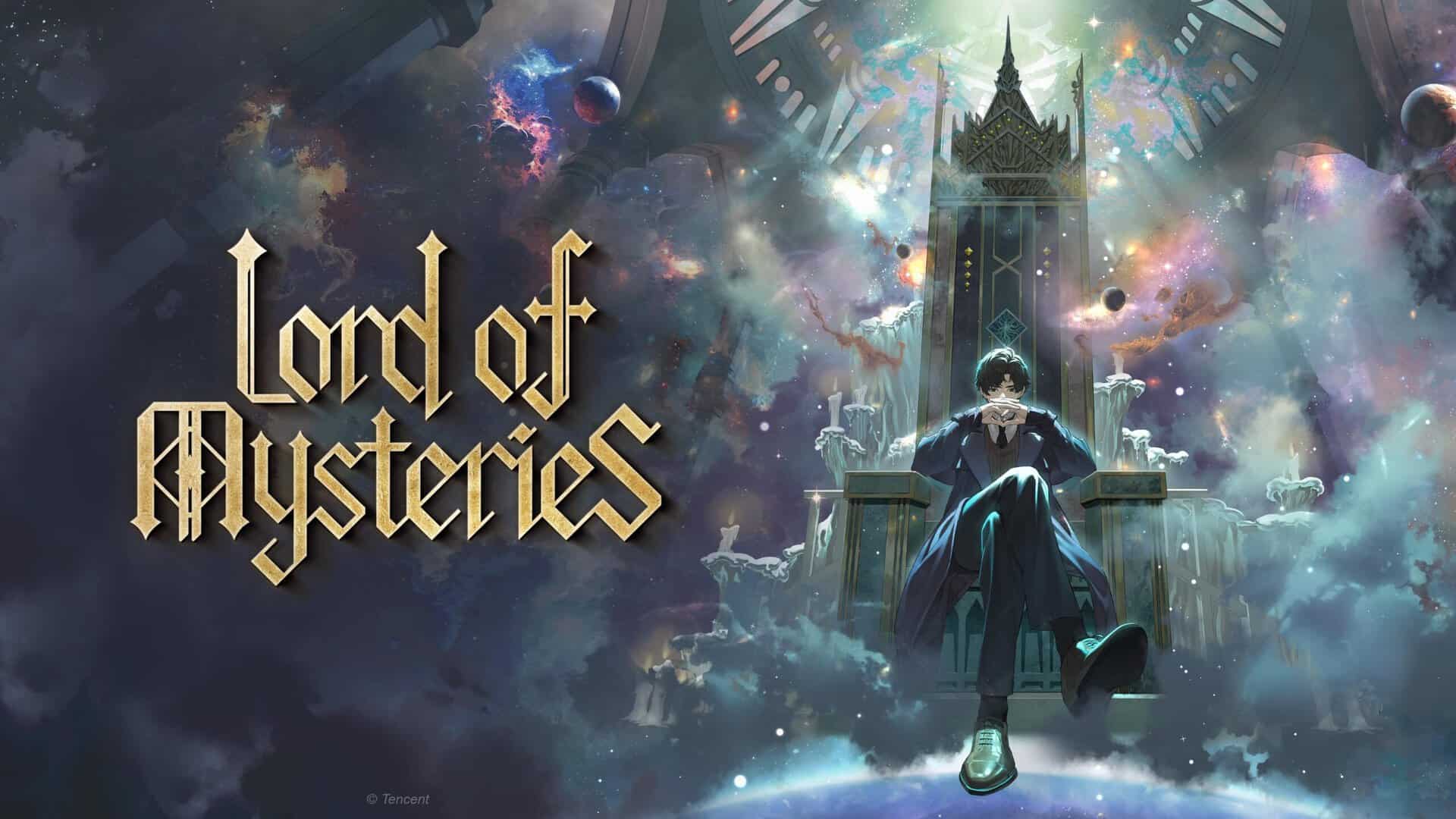
The art direction perfectly captures the steampunk world setting. The fictional Victorian-era cityscapes are rendered with exquisite detail, from the intricate gears of industrial machinery to the ornate architecture of government buildings and the gloomy alleyways. A heavy reliance on 3D animation for these environments, combined with a dark and muted color palette, effectively conveys a grim, atmospheric, and often oppressive environment. This aesthetic choice reinforces the underlying themes of mystery, danger, and cosmic dread inherent in the story.
Furthermore, the series does not shy away from depicting the horror elements, a crucial component of the source material. Character design, spearheaded by Xiaoli Luo, plays a significant role in this. Monsters and corrupted Beyonders are often rendered with grotesque, nightmarish forms, reflecting the evil spells and eldritch influences that create them. Even less gruesome creatures are introduced with a palpable sense of creepiness or through well-timed jumpscares, enhancing the thriller aspect of the narrative. The commitment to visual fidelity, both in depicting beauty and horror, ensures that the series is not only engaging but also deeply immersive, drawing viewers into its unique and perilous world.
Critical Analysis: Pacing, Clarity, and Character Portrayal
While lauded for its visual prowess, Lord of Mysteries has faced some critical discussion regarding its narrative clarity and pacing, particularly in its initial episodes. The series struggles, at times, to clearly explain its highly complex concepts and extensive world-building to new viewers. Early scenes frequently resort to expositional dialogue or on-screen text to re-explain aspects of its universe, rather than integrating these explanations more organically through visual storytelling or character actions. This approach can be somewhat overwhelming, leading to viewer confusion and occasionally necessitating rewatches to fully grasp the intricacies of the Beyonder system, the various organizations, and the historical context. For instance, the repeated display of characters’ names and abilities upon their appearance, while helpful, also highlights the challenge of naturally conveying such information.
The pacing of the narrative, driven by Klein’s quick wit and rapid deductions, has also been noted as contributing to an initial sense of rush. In the first three episodes, Zhou Mingrui, as Klein, navigates through multiple major plot points and revelations, sometimes condensing significant events into a single episode. This rapid progression, while reflecting Klein’s intelligence and the novel’s internal monologue-driven pace, leaves little room for viewers to fully process the information or emotionally connect with the unfolding events, especially given the sheer volume of new concepts introduced simultaneously. However, critical feedback indicates that the pacing gradually improves in later episodes, transitioning into more contained, episodic case-solving arcs that allow for deeper exploration of characters and world elements.
Another point of discussion centers on Klein Moretti’s emotional reactions. While his extraordinary composure in the face of transmigration and supernatural threats is a hallmark of his character, it occasionally results in a perceived lack of emotional depth or relatability. For example, his pragmatic acceptance and immediate utilization of a dimension where he possesses godlike control, without a moment of wonder or existential shock, showcases his astute mind but can make him appear cold or distant to some viewers. This portrayal, while potentially faithful to the internal monologue often present in the novel, might inadvertently create a barrier for viewers seeking a more overt emotional connection with the protagonist. Balancing the character’s intellectual prowess with relatable human reactions remains a nuanced challenge for adaptations of this nature.
Official Responses and Fan Engagement
The reception from various stakeholders reflects the significant impact of the Lord of Mysteries donghua. Director Xiong Ke has openly acknowledged the immense pressure and responsibility of adapting such a beloved work, often emphasizing his team’s dedication to honoring the original novel while making it accessible to a new audience. Statements from B.CMAY PICTURES have highlighted the technical innovations employed, particularly in merging 2D and 3D animation, as a testament to their commitment to pushing the boundaries of donghua production quality.
Cuttlefish That Loves Diving, the original author, has expressed satisfaction with the adaptation, particularly praising the visual interpretation of his complex world and characters. His endorsement has been crucial in maintaining fan confidence in the project. Crunchyroll, as the primary international distributor, has actively promoted Lord of Mysteries as a flagship donghua title, underscoring its strategic importance in expanding Chinese animation’s global footprint. Their marketing efforts have focused on the series’ unique genre blend and high production values, aiming to attract viewers accustomed to Japanese anime and other international animation.
Fan communities worldwide have engaged intensely with the series. Online forums, social media platforms, and dedicated fan wikis are abuzz with discussions, theories, and analyses of each episode. While initial reactions included debates over pacing and certain character portrayals, the overwhelming sentiment has been one of excitement and appreciation for the visual fidelity and overall quality of the adaptation. The series has consistently trended on various streaming platforms and social media, indicating a robust and active viewership that actively participates in shaping its ongoing narrative through discussions and feedback.
Broader Impact and Implications for Donghua
The Lord of Mysteries donghua is poised to have a profound impact on the broader landscape of Chinese animation. Its successful adaptation of a complex, multi-genre web novel serves as a powerful testament to the maturity and ambition of the donghua industry. It demonstrates that Chinese studios are increasingly capable of tackling intricate narratives that require significant creative and technical resources, moving beyond simpler stories to engage with more sophisticated literary works. This success could pave the way for more high-profile web novel adaptations, further enriching the content diversity available in donghua.
Globally, the series’ prominence on Crunchyroll signifies a continued push for Chinese animation into mainstream international markets. As viewers worldwide increasingly seek out diverse animated content, Lord of Mysteries offers a unique blend of steampunk, fantasy, and cosmic horror that stands apart from traditional anime offerings. Its reception will undoubtedly influence future acquisition strategies by international distributors and shape perceptions of donghua quality and storytelling capabilities. The series is contributing to a growing cultural exchange, introducing global audiences to distinctive Chinese storytelling sensibilities and genre blends.
Looking ahead, the success of Lord of Mysteries could lead to further seasons, expanding the animated narrative to cover more of the original novel’s extensive plotlines. It also opens avenues for merchandise, spin-off projects, and potentially even live-action adaptations, further solidifying the Lord of Mysteries intellectual property as a global entertainment franchise. The challenges faced, particularly in initial pacing and clarity, also offer valuable lessons for future donghua productions, emphasizing the importance of balancing faithfulness to source material with accessibility for new viewers. Overall, Lord of Mysteries is not just an animated series; it is a significant cultural phenomenon and a crucial benchmark for the evolving global presence of Chinese animation.
Conclusion
Lord of Mysteries emerges as a landmark achievement in Chinese animation, deftly bringing to life a beloved web novel renowned for its intricate world-building and unique genre fusion. Despite initial challenges in narrative clarity and pacing, the series distinguishes itself through B.CMAY PICTURES’ exceptional animation quality, particularly in its dynamic action sequences and atmospheric steampunk aesthetics. The series’ commitment to depicting both the beauty of its fantastical elements and the grim horror of its supernatural entities underscores its ambition. As a pivotal release for director Xiong Ke and a major international acquisition for Crunchyroll, Lord of Mysteries not only entertains but also serves as a crucial indicator of the donghua industry’s growing capacity for complex storytelling and global appeal, further cementing its place as a significant contributor to the international animation landscape.