The highly anticipated television anime adaptation of Akira Ozaki’s popular manga, Uchi no Otōto-domo ga Sumimasen (Sorry About My Younger Brothers), has unveiled a vibrant second promotional video, offering fans a tantalizing glimpse into the series’ musical landscape and character dynamics. The dynamic video prominently features the captivating opening theme song, "Aikotoba," performed by the acclaimed music group DISH//, and the soulful ending theme song, "Clover," by the talented Reira Ushio. This revelation comes as the 24-episode series gears up for its official debut on July 3rd, promising a significant presence in the summer anime season.
Musical Showcase and New Voice Talent Emerge
The newly released promotional video serves as a crucial touchpoint for fans, not only by showcasing the anime’s visual style and narrative direction but also by highlighting the integral role of its theme music. DISH//, known for their energetic performances and popular hits, lends their distinct sound to "Aikotoba," an opening theme expected to set an upbeat and engaging tone for each episode. Complementing this, Reira Ushio’s "Clover" is poised to provide a more introspective and emotionally resonant closing to the anime’s installments. The synergy between these musical offerings and the visual storytelling is a critical element in building anticipation for the series.
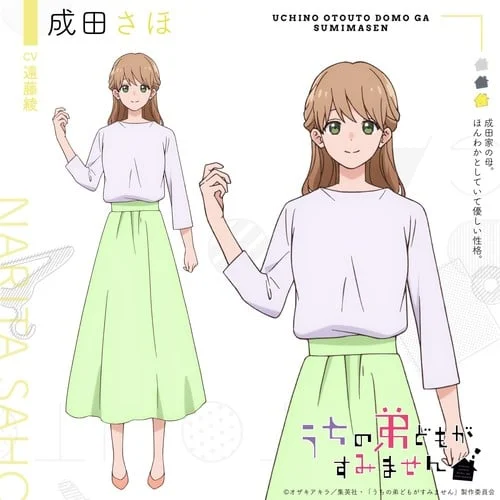
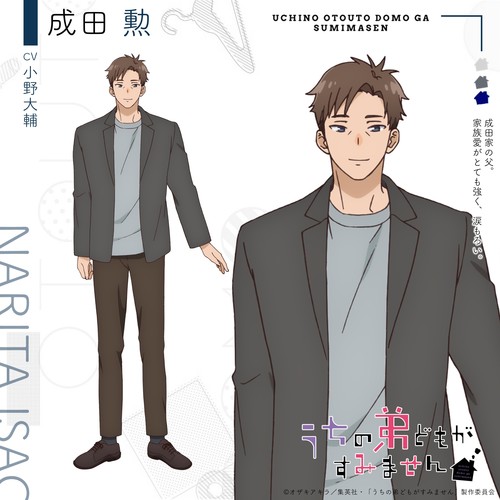
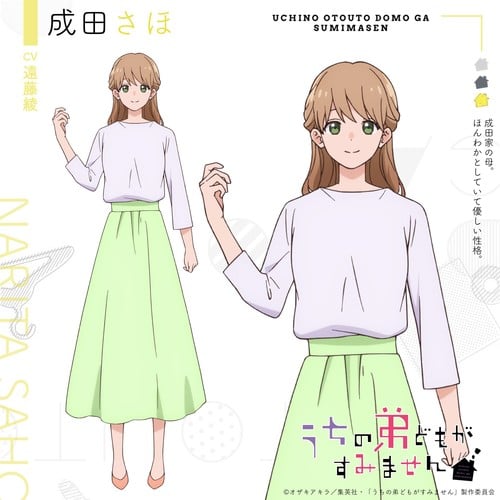
Beyond the musical revelations, the production team also announced two significant additions to the voice cast. Daisuke Ono, a veteran voice actor renowned for his versatile performances in numerous popular anime, will bring to life the character of Isao Narita, the patriarch of the Narita family. Ono’s casting suggests a character of considerable gravitas and warmth, essential for anchoring the family dynamics. Joining him is Aya Endō, another respected voice actress, who will portray Saho Narita, the matriarch of the family. Endō’s involvement hints at a nuanced portrayal of the maternal figure, likely playing a pivotal role in navigating the complexities of the blended family. The inclusion of these established talents further solidifies the production’s commitment to delivering a high-quality viewing experience.
A Deep Dive into the Uchi no Otōto-domo ga Sumimasen Narrative
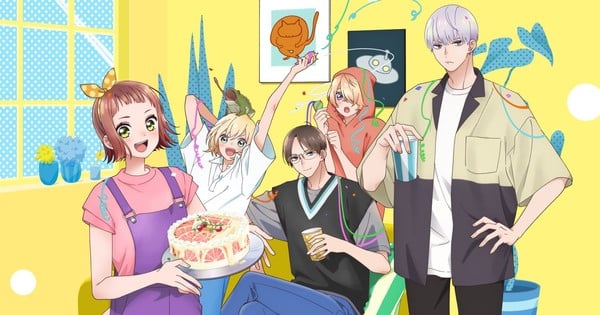
The anime adaptation is based on Akira Ozaki’s manga, which centers on the life of high school student Ito Hazui. The narrative kicks into high gear during Ito’s spring break at the end of her first year of high school. Her world is dramatically altered when her mother remarries, leading to Ito’s relocation and integration into a new family. Upon arriving at her new residence, Ito is met with a surprising revelation: she now has four younger step-brothers. The core of the story revolves around Ito’s earnest efforts to forge connections with her new siblings, navigating the inherent challenges and joys of this expanded family unit. A particular focus is placed on the eldest brother, Gen, who initially presents a cold exterior but gradually reveals a hidden kindness beneath his aloof demeanor. This dynamic promises to be a central source of character development and emotional depth within the series.
The original manga made its debut in Shueisha’s prestigious Bessatsu Margaret magazine in January 2020, quickly garnering a dedicated readership. The serialization has progressed steadily, with Shueisha set to release the 15th compiled book volume of the manga on June 25th, underscoring its sustained popularity and the anticipation for its animated counterpart.
Production Team and Broadcast Details
Helming the anime adaptation is director Hitoshi Nanba, whose previous work on the critically acclaimed Golden Kamuy showcases his adeptness at bringing compelling narratives to life. The animation itself will be produced by Lay-duce, a studio known for its high production values and engaging visual style. Megumi Shimizu, who previously contributed to the successful series My Next Life as a Villainess: All Routes Lead to Doom!, is overseeing the series composition, suggesting a well-structured and cohesive storyline.
The character designs are being handled by Shiori Hiraiwa and Yōko Fukushima, with Hiraiwa having previously worked on Tomo-chan Is a Girl! and Fukushima on the #COMPASS2.0 ANIMATION PROJECT. Their combined expertise is expected to translate Ozaki’s beloved characters into a visually appealing animated format. The musical score, a crucial element for setting the mood and enhancing emotional impact, is being composed by Gin of Busted Rose, who has previously contributed to the soundtracks of Pop Team Epic and Don’t Toy with Me, Miss Nagatoro, indicating a potential for a unique and memorable musical score.
The Uchi no Otōto-domo ga Sumimasen anime is scheduled to premiere on July 3rd. It will be broadcast across multiple Japanese television networks, including Tokyo MX, Gunma TV, Tochigi TV, and BS11. The premiere slot is set for 24:00 JST, which effectively translates to midnight on July 4th JST. The series is slated for a substantial run, spanning two consecutive cours (seasons or broadcast blocks), totaling 24 episodes. This extended run suggests a commitment to exploring the narrative arc in its entirety, allowing for comprehensive character development and plot progression.
Broader Context and Industry Implications
The transition of Uchi no Otōto-domo ga Sumimasen from manga to anime, and its subsequent live-action film adaptation released in December 2024, highlights a growing trend of successful manga properties being adapted across multiple media platforms. The live-action film’s debut at the #4 position in its opening weekend in Japan is a testament to the source material’s strong fanbase and its broad appeal. This multi-faceted approach to adaptation can significantly amplify a franchise’s reach and profitability, attracting new audiences while engaging existing ones.
The announcement of the theme song performers and additional cast members is a strategic move by the production committee to generate further buzz and solidify fan interest. DISH// and Reira Ushio are established artists whose involvement can draw in their respective fanbases, while the addition of Daisuke Ono and Aya Endō to the voice cast brings a level of prestige and recognition that can attract a wider viewership.
The anime’s release in the summer season places it in direct competition with other major anime premieres. However, its unique premise, focusing on family dynamics and relatable coming-of-age themes, could carve out a distinct niche. The dual cours format, a common practice for longer-running anime series, suggests that the narrative will be given ample time to develop, potentially leading to a more satisfying and complete story for viewers.
Analysis of Potential Impact
The success of Uchi no Otōto-domo ga Sumimasen anime will likely hinge on its ability to translate the charm and emotional resonance of the manga into a visually engaging and narratively compelling animated series. The focus on a blended family and the challenges of navigating new relationships offers fertile ground for both comedic and dramatic storytelling. The performance of the theme songs and the chemistry between the voice actors will also play a crucial role in shaping the audience’s perception and emotional connection to the characters.
Furthermore, the anime’s reception could influence future adaptation decisions for similar manga properties. A strong performance at the box office and positive critical reception could encourage more studios to invest in adapting slice-of-life and family-centric stories, diversifying the anime landscape. The continued success of the Uchi no Otōto-domo ga Sumimasen franchise across manga, live-action, and anime suggests a robust and enduring appeal that the production team will aim to capitalize on with this latest animated venture. The comprehensive nature of the 24-episode run, combined with the established creative team and popular musical artists, positions the series as a significant contender in the competitive summer anime season, with the potential to resonate deeply with audiences seeking heartwarming and character-driven narratives.