Steven Spielberg’s illustrious career, spanning over five decades, has gifted the world with a cinematic legacy that continues to captivate audiences and shape the landscape of filmmaking. While critical acclaim and box office success often define a director’s impact, the true measure of a filmmaker’s connection with their audience frequently lies in the personal significance their works hold. This exploration delves into the profound impact of several of Spielberg’s films, as articulated by individuals whose lives have been touched and transformed by his storytelling. From childhood wonder to adult introspection, these personal narratives illuminate the enduring power of Spielberg’s vision.
A Childhood of Wonder and Emotional Awakening: E.T. the Extra-Terrestrial
For Andrea, 51, from Manchester, UK, E.T. the Extra-Terrestrial remains her most cherished Spielberg film. The experience of seeing it at the tender age of eight at Bolton Odeon in 1982 marked her first foray into the magic of cinema. The film’s profound emotional impact was immediate and lasting. "It was also the first film that made me cry – not just cry, but sob all the way home on the bus," she recalls. This visceral reaction, a potent mix of happiness and sadness, left her in a state of childlike confusion, a testament to the film’s ability to evoke complex emotions.
Her viewing of E.T. was part of a social outing with her mother and friends from the Gingerbread Club, an organization supporting single mothers. In an era where single parenthood often carried a societal stigma, such groups provided a vital sense of community and solidarity. This context likely amplified Andrea’s connection to the film’s narrative. "Looking back, I think part of the reason I connected so strongly with E.T. was that it featured a single mum rather than the perfect nuclear family that dominated so many films and TV programmes of the time," she reflects. "It felt much closer to my own reality, and that made me love the film even more." The enduring affection for the film is further evidenced by her cherished memory of receiving an E.T. doll for Christmas that year, a tangible symbol of her deep admiration. Even decades later, the iconic score by John Williams can still evoke tears, a powerful indicator of the film’s lasting emotional imprint.

Comfort and Nostalgia: The Enduring Appeal of Hook
Rhea from Melbourne, Australia, finds solace and profound personal meaning in Hook (1991), a film often relegated to the periphery of Spielberg’s acclaimed filmography, even by the director himself. Despite its critical reception, Hook serves as a powerful source of comfort and nostalgia for Rhea, a child of the 1990s. "The film is a trusted comfort," she states. "I can quote all the dialogue, and even use phrases from it in my day-to-day life." The film’s unique blend of elements – the "effervescently sad Robin Williams as the boy who accidentally grew up," the whimsical humor, and the pervasive warm atmosphere – create a deeply resonant experience for her.
The frequent broadcasts of Hook on free-to-air television during her childhood, coupled with her own "pirated copy," allowed for repeated viewings that solidified its place in her heart. She continues to revisit the film at least annually, seeking a dose of nostalgic comfort. "So despite Spielberg’s protestations, it is my favourite of his oeuvre for many selfish reasons," she admits, highlighting the deeply personal nature of her appreciation. This perspective underscores how audience reception can diverge significantly from critical consensus, with personal connection often triumphing over critical judgment.
A Fright to Fascination: Close Encounters of the Third Kind
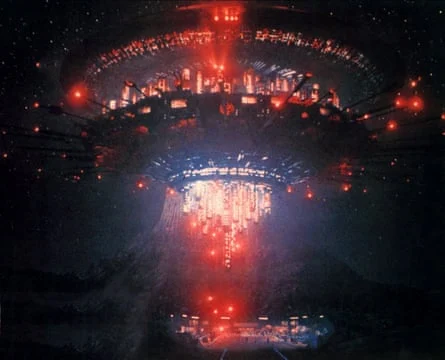
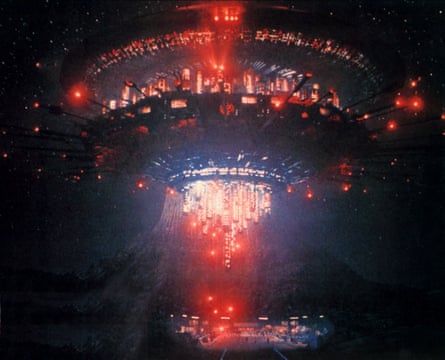
For Scott Harrison, 54, from North Wales, UK, Close Encounters of the Third Kind (1977) holds a special place, primarily due to the serendipitous circumstances of its viewing. At the age of five, a mix-up at the cinema led him and his sister to see Close Encounters instead of their intended double bill. Initially apprehensive, especially after his mother voiced concerns about its potential scariness, Scott’s fears were quickly dispelled. "About 15 minutes in, I famously announced that my tummy had stopped shaking and from that point on I was utterly absorbed by this film of such mindblowing scale, spectacle and wonder," he recounts.
The film’s impact transcended mere entertainment. That night, Scott famously asked his mother to leave the curtains open so he could gaze at the stars, a direct result of Spielberg’s "genius" sparking his curiosity about the universe. This experience highlights the film’s power to ignite imagination and a sense of wonder in young minds, fostering a lifelong fascination with the unknown. His confusion regarding film titles like "of the Third Kind" and "Episode IV" in Star Wars also points to a common childhood experience of navigating cinematic narratives without full context, yet still being profoundly moved by them.
A Perfect Blend of Emotion: Always
Karen Cusick, 61, from Devon, identifies Always (1989) as her definitive "feelgood movie." The film, starring Holly Hunter, Richard Dreyfuss, and John Goodman, is lauded for its masterful blend of humor, heartbreaking sadness, thrilling action, and memorable dialogue. Cusick particularly praises the chemistry between Hunter and Dreyfuss, noting that their unconventional attractiveness made them even more relatable and endearing. "I have to watch this film every couple of years and I always laugh and always messy-cry and it never fails to reaffirm my faith in people," she states. She considers Always to be Spielberg’s perfect love story, a sentiment she believes is often overshadowed by his more commercially successful blockbusters.
The Thrill of Adventure: Raiders of the Lost Ark
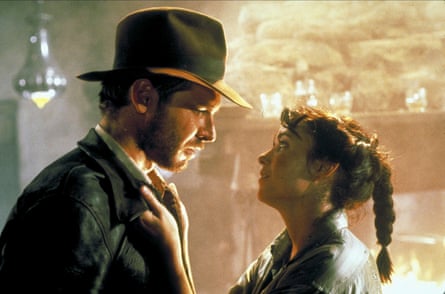
Niall Laverty, from Dublin, Ireland, champions Raiders of the Lost Ark (1981) for its sheer "propulsive energy and giddy excitement." He highlights the timeless appeal of Indiana Jones’s adventures as he navigates booby-trapped temples and confronts Nazis. Laverty points out Spielberg’s masterful homage to the 1930s cliffhanger serials and Tintin stories, which imbues the film with an unparalleled sense of adventure. The German translation of Spielberg’s name, "play mountain," perfectly encapsulates the director’s approach, bringing a "playfulness to the screen" that is evident from the iconic opening sequence to the exhilarating desert truck chase. The dynamic chemistry between Indiana Jones and Marion Ravenwood further elevates the film, evoking the charm of a classic 1930s screwball comedy.
Resilience and Imagination: Empire of the Sun
For Matthew Vandermeer, 50, from Brisbane, Australia, Empire of the Sun (1987) stands out as a profound exploration of resilience and imagination. As a major Hollywood production filmed in communist China, it held a unique place in cinematic history. Vandermeer notes its faithfulness to J.G. Ballard’s novel, with Christian Bale’s portrayal of young Jamie/Jim becoming inextricably linked to the character in his mind. The film’s "extraordinary imagery," "real" acting, and John Williams’s "beautiful" score are all significant draws.
However, it is the film’s thematic depth that resonates most deeply with Vandermeer. He identifies with Jim’s situation of separation from his parents and forced self-reliance, prompting introspection about his own potential coping mechanisms. While acknowledging the grim realities depicted, Vandermeer emphasizes that he doesn’t view Empire of the Sun as solely a war film. Instead, he sees it as a powerful narrative about "imagination, resilience, choices and consequences," themes that have ensured its enduring impact on him.
A Filmmaker’s Legacy: The Fabelmans
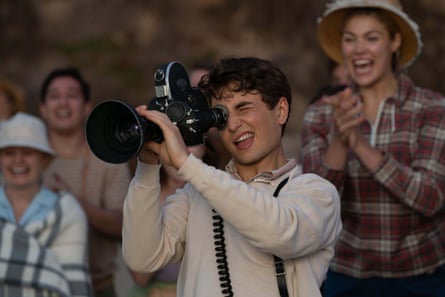
Nathan Ossmann, a 49-year-old high-school English and film studies teacher from Appleton, Wisconsin, US, declares The Fabelmans (2022) his favorite film of all time. He strategically uses it as the capstone for his film studies class, recognizing its profound significance for both educators and students of cinema. The Fabelmans is Spielberg’s deeply personal semi-autobiographical narrative, chronicling his childhood, adolescence, and the familial influences that shaped him into a filmmaker.
Ossmann describes the viewing experience for Spielberg fans of his generation as "almost religious," viewing the film as a "meditation on growing up with the movies." He sees it as an earnest effort to guide future filmmakers and enthusiasts, illustrating the intricate blend of science and art that underpins impactful cinema. He argues that Spielberg’s mastery of both, honed by his parents’ contrasting influences, has enabled him to translate vivid dreams onto the screen. The film’s "joyous final shot" is singled out as a moment that elicits the same childlike wonder as E.T.‘s glowing heart, a testament to Spielberg’s enduring ability to connect with audiences on an emotional level.
The Strength of Sisterhood: The Color Purple
Mandy Purcell, 54, from Melbourne, Australia, champions The Color Purple (1985) as Spielberg’s finest work. She highlights its powerful portrayal of sisterhood, mutual support through adversity, and the maturation of its characters. The film’s depiction of the downtrodden rising, its exceptional musical numbers, and its exploration of enduring love across decades are key elements of its appeal. Purcell emphasizes the film’s core message: the "strength of women to overcome their circumstances when they support each other." The soundtrack, a rich tapestry of gospel, jazz, and blues, is also a significant highlight, with the scene of Shug singing gospel while demanding her father’s forgiveness being particularly memorable.
The Tense Debut: Duel
Mike Abbott, 83, from London, UK, first encountered Richard Matheson’s short story "Duel" in Playboy magazine in the early 1970s and was thrilled to discover it was adapted into a film. His viewing of the film on UK Channel 4 and subsequent ownership of the DVD have solidified its place as a regularly rewatched favorite. He recalls Dennis Weaver, the lead actor, from his role as Chester in the classic American western series Gunsmoke. Abbott is particularly captivated by Spielberg’s portrayal of the menacing, anonymous truck driver and the relentless intimidation tactics employed. Despite its seemingly singular premise – the truck’s repeated, unnerving appearances – Spielberg’s direction keeps the tension palpable. The film’s "literally a cliffhanger" ending, where the truck plunges to its doom, is a testament to its cleverness, especially for a directorial debut.
These diverse perspectives underscore the multifaceted impact of Steven Spielberg’s cinema. Beyond commercial success, his films have become deeply personal touchstones, shaping memories, fostering emotional growth, and leaving an indelible mark on the hearts and minds of audiences worldwide. Each narrative, from the alien encounter that evoked profound sadness and wonder to the thrilling adventure that ignited a passion for discovery, serves as a testament to Spielberg’s unparalleled ability to weave stories that resonate across generations and personal experiences.