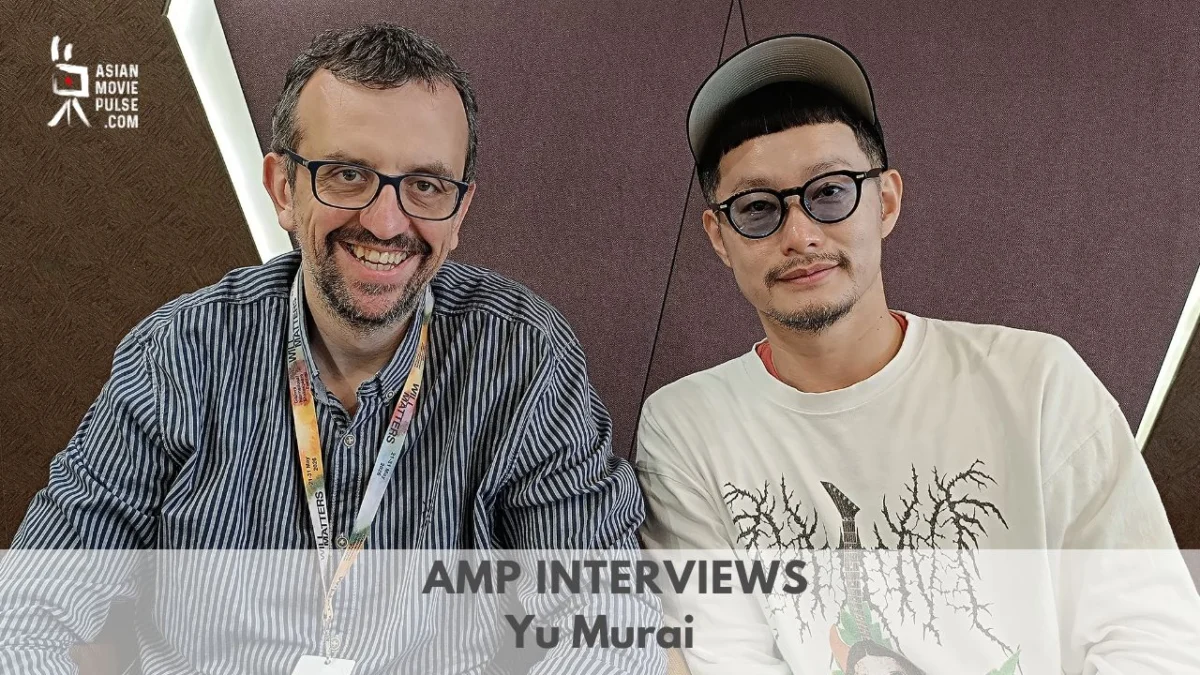
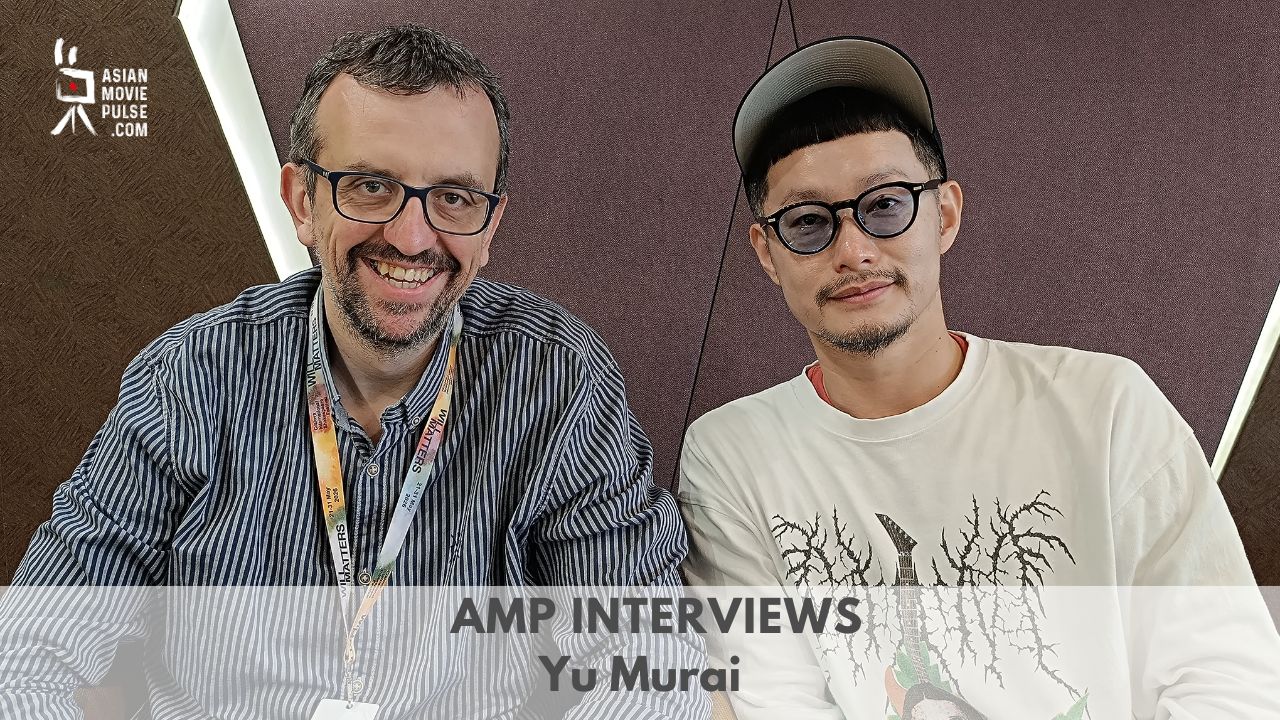
Japanese director Yu Murai recently captivated audiences and critics alike at the Craiova International Shakespeare Festival with his audacious production, "HAMLET | TOILET." The presentation sparked considerable discussion regarding its unusual concept, Murai’s distinctive approach to classical theatre, and the intricate blend of comedy, vulgarity, tragedy, and physical discomfort that defines his work. Murai elucidated the profound motivations and layers of meaning behind his decision to recontextualize Shakespeare’s iconic tragedy within the confines of a toilet, challenging conventional interpretations and pushing the boundaries of theatrical expression.
The Craiova International Shakespeare Festival: A Global Stage for Innovation
The Craiova International Shakespeare Festival, held biennially in Romania, stands as one of the world’s preeminent celebrations of William Shakespeare’s enduring legacy. Since its inception in 1994, the festival has garnered a reputation for its commitment to showcasing diverse, often experimental, interpretations of Shakespeare’s canon from across the globe. It attracts leading international theatre companies, directors, and scholars, fostering a vibrant environment for cultural exchange and artistic innovation. The festival is renowned for its daring programming, frequently featuring productions that challenge traditional staging, language, and cultural boundaries. Hosting a production like "HAMLET | TOILET" aligns perfectly with the festival’s ethos of encouraging bold, contemporary reinterpretations that breathe new life into classic texts, prompting audiences to reconsider the universality and adaptability of Shakespearean themes in a modern context. Its presence at Craiova underscores the festival’s role as a crucial platform for cutting-edge theatrical discourse and cross-cultural dialogue, drawing attention to the evolving landscape of global theatre.
The Genesis of "HAMLET | TOILET": Challenging Shakespearean Dogma
Murai’s inspiration for "HAMLET | TOILET" stems partly from his complex relationship with the prevalent treatment of Shakespeare in Japan. He observed a pervasive tendency to venerate Shakespeare as an almost divine figure, leading to productions often characterized by an overwhelming seriousness. While acknowledging the sincerity inherent in this reverence, Murai contends that such an approach frequently overlooks the raw, often messy, emotional realities of Shakespeare’s characters. This perceived disconnect between grandiosity and genuine human experience became a primary impetus for his radical reinterpretation.
To counteract this, Murai sought to strip "Hamlet" of its traditional ceremonial grandeur and relocate it to a space inherently private, mundane, and intimately connected to the body: the toilet. This choice was not merely an act of provocation but a deliberate artistic statement designed to bring the audience closer to the characters’ unvarnished internal states. By placing Hamlet’s soliloquies and dramatic confrontations in such an unglamorous setting, Murai aimed to expose the vulnerability, hidden suffering, and often grotesque aspects of human existence that he believes are central to Shakespeare’s original text, yet frequently sanitized in conventional stagings. The toilet, therefore, transforms from a mere lavatory into a potent metaphor for the private chambers of the soul, where true anguish and profound reflection often unfold far from public gaze.
Beyond Parody: The Tension Between Seriousness and Disruption
While "HAMLET | TOILET" might initially appear to be a comedic parody, Murai, who is also involved in more conventional theatrical adaptations including 2.5D theatre (a genre popular in Japan that brings manga and anime characters to life on stage), emphasizes that his intent is far from simply mocking seriousness. Instead, he is deeply fascinated by the inherent tension between profoundly serious thematic material and forms of expression that may initially seem crude, comical, or disruptive. He argues that even Shakespeare’s original plays, when stripped of their historical reverence, contain elements that can feel forced, repetitive, or even tedious to a contemporary audience. For Murai, maintaining audience engagement requires a delicate balance of rhythm and dynamism, suggesting that disruption can be a powerful tool to reinvigorate classic texts.
This philosophy is central to the production’s equilibrium between comedy, vulgarity, and tragedy. Murai consciously integrates elements of contemporary Japanese pop culture into "HAMLET | TOILET," not merely to inject humor or avoid boredom, but to offer international audiences a glimpse into the distinctive theatrical and comic sensibilities of present-day Japan. Some of these references, such as moments connected to pachinko culture—a popular form of mechanical gambling in Japan—are instantly recognizable and resonate deeply with Japanese viewers. Other elements, however, are designed to function as universally legible physical or visual jokes, transcending linguistic and cultural barriers to ensure broader accessibility and appreciation for the production’s unconventional humor. This strategic blending of high and low culture serves to bridge the gap between historical drama and contemporary experience, making Shakespeare relevant and engaging for a new generation.
Layers of Meaning: From Ancient Emperors to Modern Trauma
The intricate tapestry of "HAMLET | TOILET" is further enriched by unexpected intertextual references, demonstrating Murai’s profound engagement with both Japanese history and contemporary societal anxieties. One such reference connects the production to Tadashi Suzuki, a titan of Japanese theatre from the 1960s and 1970s. Suzuki, founder of the Suzuki Company of Toga (SCOT), is renowned for his rigorous physical theatre methodology, which emphasizes the actor’s disciplined body and connection to primal energies. Murai specifically cited the "Saga Emperor" as a reference linked to Suzuki’s work. In Suzuki’s theatrical universe, this historical figure often appears as a character seeking absolution for his sins, a powerful motif of guilt, observation, and purification. This seemingly disparate reference subtly underscores that despite its often-vulgar surface, "HAMLET | TOILET" is deeply rooted in Japanese theatrical history and philosophical concepts, adding layers of intellectual depth to its apparent levity.
Furthermore, the devastating Fukushima disaster and the events of March 11, 2011, profoundly shaped Murai’s interpretation of "Hamlet." The director articulated how pain and agony are not always externally visible, especially from the vantage point of those untouched by direct trauma. For Murai, the toilet setting emerges as a secluded, private sanctuary where this hidden suffering can be contained and confronted. He links this concept directly to the younger generation in Japan, who, in the aftermath of Fukushima, are compelled to navigate life with underlying fears and anxieties that may not manifest outwardly. This connection transforms the toilet from a comedic prop into a poignant symbol of the internal, often unacknowledged, burden carried by a society grappling with profound collective trauma.
Murai further elaborates on this idea by connecting it to the Japanese cultural concept of "hara," which literally translates to "stomach" or "belly." He contrasts this with Western expressions that typically locate sorrow or emotion in the heart. In Japanese culture, "hara" is intricately linked to a myriad of emotions, sincerity, hidden motives, friendship, and even death. Consequently, the toilet setting transcends mere provocation; it becomes a visceral, physical manifestation of pain that resides deep within the body, an internal turmoil that aligns perfectly with the profound, often hidden, anguish experienced by Hamlet. This cultural insight adds a crucial dimension to the production, allowing it to resonate with specific Japanese sensibilities while simultaneously exploring universal themes of suffering and concealment.
The Rigors of Performance: Physicality and Dynamic Casting
The demands placed upon the performers in "HAMLET | TOILET" are considerable, with Murai describing physicality as an indispensable component of his directorial approach. Drawing parallels to Stanislavski’s methodologies, he explained that actors are required to physically experience the trance-like states, agony, and pain of their characters during rehearsals. This rigorous process of physical strain is intended to enable performers to approach their roles with utmost directness and truthfulness, embodying the internal struggles of the characters through corporeal expression. The visceral nature of the performance not only heightens the dramatic impact but also serves as a conduit for the audience to connect with the raw, unfiltered emotions depicted on stage.
Casting also plays a critical role in maintaining the production’s dynamic vitality. Murai’s strategy involves a core group, typically two members from his own theatre company, complemented by one external performer—either from another company or a freelancer. This deliberate infusion of new talent forces the established actors to repeatedly adjust and adapt to different energies and interpretations. This continuous process of renewal ensures that "HAMLET | TOILET" remains fresh, spontaneous, and prevents the production from becoming stagnant, reflecting Murai’s commitment to artistic evolution and challenging routine.
Bridging Cultural Divides: Communication Beyond Language
Addressing the numerous puns and vocabulary-based jokes inherent in the Japanese script, Murai candidly acknowledged the limitations of translating every nuance through subtitles, particularly given the linguistic complexities of Japanese wordplay. However, he firmly believes that theatre possesses a powerful universal language communicated through gesture, facial expression, rhythm, and sheer physical energy. Even when specific verbal humor might be lost in translation, audiences can still intuitively grasp the comic intent through these non-verbal cues, demonstrating the resilience of theatrical communication.
Murai is keenly aware of the diverse reactions his work elicits from international audiences. He recounted an illuminating tour in Kerala, India, where responses varied sharply between younger and older spectators. While some audience members readily embraced the production’s unconventional humor, others found themselves disoriented or unable to connect. For Murai, such cultural clashes are not deterrents but an integral part of the enriching experience of presenting Shakespeare abroad, highlighting the complex interplay between cultural context and artistic reception.
Rather than being discouraged by negative feedback, Murai finds criticism immensely valuable. Even when spectators assert that his production is "not Hamlet," he remains intrigued by their reactions, viewing them as opportunities to understand why the production operates in its unique manner. He treats every audience response, including walkouts, as a lesson, providing insights into what audiences are prepared or unwilling to "digest" at a particular moment. This openness to critique underscores his commitment to continuous learning and refining his artistic vision.
Future Directions: Challenging Norms and Redefining Shakespeare
Discussing the contemporary Japanese theatre scene, Murai observed a prevailing tendency to undervalue comedy, puns, and humorous approaches, often failing to treat them with the seriousness they deserve. This observation directly aligns with the artistic boundaries he seeks to challenge through his work. His future endeavors will continue to engage with Shakespeare’s canon, with "King Lear" already identified as one of his upcoming projects, promising further unconventional explorations of classical tragedy.
When asked the playfully provocative question of whether he had ever read Shakespeare in the toilet, Murai’s response elegantly encapsulates the core philosophy behind "HAMLET | TOILET." He stated that when he reads, he prefers seclusion and solitude, eschewing public spaces like parks. This preference for private contemplation perfectly mirrors the production’s central tenet: Shakespeare stripped of its traditional grandeur, situated in isolation, and brought into direct, unvarnished contact with the intimate and often uncomfortable realities of the human body and mind. "HAMLET | TOILET" thus stands as a testament to Murai’s radical vision, proving that even the most revered texts can be profoundly reinterpreted to reveal new truths in the most unexpected of settings.