A groundbreaking study by the anti-ageism campaign Age Without Limits has exposed a stark disparity in cinematic representation, revealing that blockbuster films are four times more likely to feature a talking animal than a woman over the age of 60. The comprehensive analysis, which examined the 100 highest-grossing films released in the UK across 2023, 2024, and projections for 2025, paints a concerning picture of how older women are largely absent from the silver screen.
The survey found that in this three-year period, only five films within the top 100 highest performers boasted a woman over 60 in a starring role. In stark contrast, approximately 20 films featured animated or digitally rendered creatures engaging in human-like conversation, highlighting a preference for fantastical characters over experienced actresses. This imbalance is further underscored by a peculiar observation within the data: six of the top-grossing films featured a male actor named Chris. Chris Pratt alone accounted for half of these appearances, with Chris Pine and Chris Hemsworth headlining major blockbusters. Christian Friedel, known primarily by his first name "Chris" to friends, secured a co-lead role in the critically acclaimed arthouse film The Zone of Interest (2024), representing a more nuanced, albeit limited, inclusion.
The Limited Roster of Older Female Leads
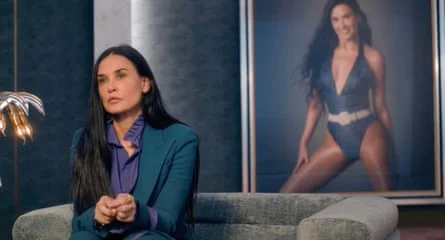
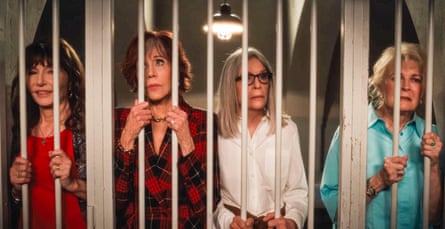
The five films that managed to break into the UK’s top 100 box office with an older woman in a prominent role during the surveyed period were Allelujah (2023), My Big Fat Greek Wedding 3 (2023), Book Club: The Next Chapter (2023), The Substance (2024), and Freakier Friday (2025). While these titles represent a small fraction of the highest earners, the presence of films like Book Club: The Next Chapter, starring veterans Candice Bergen, Jane Fonda, Diane Keaton, and Mary Steenburgen, suggests a potential audience exists for such narratives.
Beyond the elite box office tier, other films featuring older women, such as Hard Truths, I’m Still Here, and Thelma, have garnered critical acclaim, indicating that cinematic success is not solely tied to the age of its lead actors. The upcoming release of Bridget Jones: Mad About the Boy, projected to be a significant earner in 2025, narrowly missed the survey’s criteria; its star, Renée Zellweger, would have qualified had she been three years older. This close call further emphasizes the arbitrary nature of age-based casting decisions.
A Confluence of Factors: Industry Shifts and Enduring Legacies
The timeframe of the Age Without Limits study coincides with a period marked by the passing or retirement of several beloved and iconic British female actors. The absence of figures like Maggie Smith, Joan Plowright, Glenda Jackson, Judi Dench, and Vanessa Redgrave from contemporary film releases, due to natural career progression or personal circumstances, undoubtedly contributes to the shrinking pool of available talent for these roles. Glenda Jackson’s final cinematic appearance in The Great Escaper, where she shared co-lead billing with Michael Caine, did not make the top 100 chart, a detail that further illustrates the challenges faced by films featuring older actors, even when paired with established male stars.

Voices of Experience: An Industry Out of Touch with Reality
The stark findings have drawn sharp criticism from prominent figures within the acting community. Academy Award-winning actress Emma Thompson, 67, articulated her frustration, stating, "Women are half the population and we get older. So where are the stories about us? The older we get, the more interesting we are. I want to see more films centre on ageing women; we are compelling, relatable, and overdue for centre stage. Older women don’t need permission to exist on screen. They already exist in the world, cinema just needs to catch up."
Thompson’s own recent roles, while critically lauded, have not always translated into blockbuster box office success. Her leading role in the 2025 noir drama Dead of Winter garnered significant praise but a modest UK gross of $112,006. Similarly, her performance in the 2022 drama Good Luck to You, Leo Grande achieved $1.3 million in the UK, a respectable figure given the ongoing struggles of cinemas in the post-Covid era. These figures, while not reaching the heights of major studio productions, demonstrate that compelling performances from older actresses can resonate with audiences.
Audience Appetite: A Demand Unmet
The Age Without Limits campaign, spearheaded by the Centre for Ageing Better, has also sought to gauge public opinion on the matter. A poll of 4,000 individuals revealed a significant appetite for films featuring older female leads. One in six respondents indicated they would be more inclined to watch a film if it starred an actress over 60. Furthermore, a substantial 33% of the surveyed public felt that insufficient films are produced with women over 60 in leading roles, compared to a mere 3% who believed the opposite.
Dr. Carole Easton, CEO of the Centre for Ageing Better, expressed her dismay at the current state of affairs. "It is absolutely ludicrous to think so few films have been made in recent years that have an older woman at the front and centre," she stated. "Up to one in five UK cinema attendees are aged 55 and above, this age group spends hundreds of millions of pounds every year on cinema. The representation of older actors in major film roles is so disproportionate to the proportion of older women in the cinema-going audience, the lack of representation is insulting, frankly."
Dr. Easton further elaborated on the pervasive nature of ageism, extending beyond the film industry: "Sadly, it is not just in cinema where this happens. In many forms of media, in many different employment sectors and parts of public life, the input of older women is minimised, marginalised and ignored. We must all push back against ageism, and its intersection with sexism, by telling the cultural gatekeepers that we want all aspects and stages of life represented in the things we watch, listen to and read."
Decades of Underrepresentation: A Deep-Rooted Issue
Previous research conducted by the Centre for Ageing Better, analyzing nearly 50 popular films released between 2010 and 2022, found that only one in three speaking characters were aged 50 or over. This study, conducted by academics at the University of West London’s School of Film, Media and Design, also revealed a significant gender imbalance: female characters aged 65 and over were more than three times less likely to appear in British films than their male counterparts over the same decade.
The researchers further critiqued the portrayal of older women on screen, noting that when they do appear, they are often depicted as "passive, pitiable, ridiculed for failing to act their age and often irrelevant to the main plot." This suggests a systemic issue where older female characters are not only underrepresented but also frequently relegated to one-dimensional or negative archetypes.
Harriet Bailiss, co-lead of the Age Without Limits campaign, highlighted the damaging consequences of this lack of representation: "By failing to properly represent older people, and older women in particular, the film industry is actively participating in the pushing of older people to the margins of society. For many older people who have come to question their value through internalizing the ageism they see around them every day in society, this lack of representation will reinforce the idea that older people matter less as they get older. No wonder so many women talk about feeling invisible as they get older when they don’t see themselves reflected back in popular culture or advertising."
Glimmers of Hope: Shifting Tides in Award Recognition?
While the cinematic landscape for older women remains challenging, recent developments in award ceremonies offer a tentative sign of progress. Research published in March indicated a historical trend at the Academy Awards, where acting awards have predominantly favored older men and younger women. However, Michelle Yeoh’s historic Best Actress win at age 60 in 2023 is seen by some as a potential catalyst for improved representation.
Historically, only seven women over 60 have secured the Best Actress Oscar, with just two, Jessica Tandy and Katharine Hepburn, achieving this feat over the age of 70. Data from the BBC illustrates a steady increase in the average age of Best Actress nominees: from 33 in the 1940s to 36 in the 1970s, 40 in the 2000s, and currently standing at 44 in the 2020s. This upward trend, while incremental, suggests a gradual shift in how age is perceived in leading actress categories.
Looking ahead, several veteran actresses are poised for potential award contention. Julianne Moore, 65, is expected to feature in Jesse Eisenberg’s untitled musical comedy. Marion Bailey, 75, is slated for a role in Mike Leigh’s latest film, and the legendary Ellen Burstyn, 93, is set to appear in A Place to Be.
Meanwhile, Meryl Streep, 76, continues to demonstrate the enduring appeal of older female stars. Her anticipated sequel to The Devil Wears Prada is currently charting at number four among the UK’s highest-grossing films, demonstrating that established talent, even in sequels, can command significant audience attention and box office draw. This success, alongside the continued presence of films featuring talking animals and male "Chrises," underscores the critical need for a more inclusive and representative approach to storytelling in Hollywood. The industry’s reflection of reality, it seems, has a long way to go to catch up with the experiences of half its population.