The History Channel, long synonymous with exhaustive chronicles of the Second World War, is set to redefine its legacy with an ambitious new documentary series, World War II With Tom Hanks. Debuting on Memorial Day in 2026, this 20-part project aims to deliver the most comprehensive global perspective on the conflict since the seminal 1974 ITV series, The World at War, narrated by Laurence Olivier. With acclaimed actor Tom Hanks, 69, serving as narrator and executive producer, alongside Pulitzer Prize-winning historian Jon Meacham, 57, the series promises to leverage unparalleled gravitas and scholarly depth to illuminate what Hanks describes in the first episode as "the largest event in human history."
The Vision Behind the Series: An Unprecedented Scope
World War II With Tom Hanks transcends the typical stand-alone documentaries often associated with the History Channel. Executive produced by a formidable duo known for their profound engagement with history—Hanks, celebrated for his roles in films like Saving Private Ryan and Greyhound, and his production of the HBO trilogy Band of Brothers, The Pacific, and Masters of the Air; and Meacham, a prolific author of presidential biographies—the series is designed to offer an all-encompassing narrative. It meticulously covers every major theater of the war, from the Nazi invasion of Poland in September 1939 to the Japanese surrender in September 1945.

This expansive undertaking is a collaborative effort with the National World War II Museum in New Orleans, a leading institution dedicated to preserving the history and lessons of the global conflict. The museum’s expertise and archival resources are integral to the series’ commitment to historical accuracy and depth. By airing in 2026, the documentary benefits from the clarity that time has afforded historians and researchers, incorporating footage and accounts that have come to light over the past 80 years. This temporal distance allows for a more nuanced understanding, free from the immediate emotional intensity that often characterized earlier narratives.
A Timely Recalibration of History
The launch of World War II With Tom Hanks arrives at a particularly poignant moment in global affairs. As the American-led postwar global order faces increasing fragmentation, and alarming trends such as Holocaust denial and the rise of far-right politics gain traction, the lessons of World War II are, perhaps more than ever, at risk of being forgotten or deliberately distorted. The series thus positions itself not merely as a historical recounting, but as a vital civic intervention, urging contemporary audiences to reflect on the choices made during humanity’s darkest chapter and their implications for today.
In a recent Zoom conversation with The Hollywood Reporter, Hanks and Meacham elaborated on their motivations and the series’ objectives. Hanks, whose fascination with the war predates his most iconic roles, traces his deep connection back to childhood encounters, such as witnessing his Navy veteran father’s reunion with a wartime comrade. "They had a conversation then that was in such deep code that was not unlike moments I’ve heard again and again from an awful lot of veterans, who say, ‘Well, here’s something you have to understand.’" This personal genesis underscores Hanks’ enduring quest to understand the individual experiences within the monumental conflict.

The Enduring Fascination: Tom Hanks’ Deep Dive into WWII
Tom Hanks’ repeated engagement with World War II, both as an actor and a producer, stems from a profound and evolving philosophical inquiry. He articulates his ongoing wrestle with the question: "Why do I keep turning to it again and again for that combination of poetry and solace and enlightenment?" His current conclusion is that this fascination is intrinsically linked to the present. "It has to be about today," Hanks asserts, "It has to be more about the palpable choices that we face here in 2026 as opposed to, look what those tough guys did back in the 1930s."
Hanks emphasizes the "tactile decisions" every human being had to make during the war, decisions he sees mirrored in the present. The stark contrast between freedom and slavery, the rise of ideologies asserting racial or theological superiority—these historical parallels resonate deeply with contemporary challenges. "Is that in existence anywhere today? Well, yeah. So in that regard, it always comes down to some kind of personal choice that we’re going to have to make no matter what the war is," Hanks reflects, highlighting the timeless relevance of the war’s moral dilemmas.
While acknowledging the cinematic appeal of war, Hanks is quick to dispel any notion of glorification. He notes that productions like Band of Brothers might sometimes superficially resemble "a fun camping trip," but the reality was brutal. He recalls the perspective of an original Easy Company veteran: "Hey, we were attacked. This wasn’t like Vietnam or Korea. They were trying to kill us from the get-go. And what was I supposed to do? What we all had to do. There was something I could do no matter what." This sentiment grounds the series in the grim realities faced by those who lived through the conflict.

Jon Meacham’s Historical Lens: Illumination Over Entertainment
For Jon Meacham, a historian renowned for his meticulous research and engaging narratives, the appeal of World War II is less about "pleasure" and more about profound illumination. Referencing Horace’s definition of poetry as literature that "delights and instructs," Meacham clarifies that "delight" in this context signifies diversion from the mundane, rather than frivolous enjoyment. His own initiation into the war’s narrative came through his grandfathers, both veterans, and later through Herman Wouk’s epic novels, The Winds of War and War and Remembrance, which he revisits regularly. Wouk famously termed these works "historical romances," a description Meacham finds apt for much of the art and literature surrounding the war.
Meacham views these narratives as dramatizations of "the starkest stakes we’ve ever known." For him, history at its best is "illuminating," providing insights into the human condition under extreme pressure. His collaboration with Hanks on World War II With Tom Hanks aims to provide this illumination on an unprecedented scale, offering audiences a deep understanding of the global forces at play and the individual sacrifices made.
Chronology and Supporting Data: A Global Conflict Unpacked

The Second World War, spanning six years from 1939 to 1945, involved over 100 million people from more than 30 countries and resulted in an estimated 70 to 85 million fatalities, making it the deadliest conflict in human history. The series will meticulously trace this timeline:
- September 1, 1939: Germany invades Poland, triggering declarations of war by France and the United Kingdom, marking the war’s official start.
- May-June 1940: The Battle of France and the evacuation of Dunkirk.
- July-October 1940: The Battle of Britain, the first major campaign fought entirely by air forces.
- June 22, 1941: Operation Barbarossa, Germany’s invasion of the Soviet Union, opening the brutal Eastern Front.
- December 7, 1941: Japan attacks Pearl Harbor, bringing the United States into the war.
- 1942-1943: Major turning points including the Battle of Stalingrad, the Battle of Midway, and the North African Campaign.
- June 6, 1944: D-Day, the Allied invasion of Normandy, opening the Western Front.
- May 8, 1945: V-E Day, Germany surrenders unconditionally.
- August 6 & 9, 1945: Atomic bombs dropped on Hiroshima and Nagasaki.
- September 2, 1945: Japan formally surrenders, ending World War II.
Meacham highlights the visceral impact of seeing imagery from the Eastern Front, a theater often underrepresented in Western narratives. He notes the "mind-boggling" scope and scale of the Soviet Union’s efforts and sacrifices from June 1941 onwards. Indeed, the Soviet Union bore the brunt of the war’s human cost, with over 20 million people killed, including approximately 10 million soldiers, a staggering figure compared to around 400,000 U.S. military casualties. This stark difference helps explain historical resentments and the need for a truly global perspective.
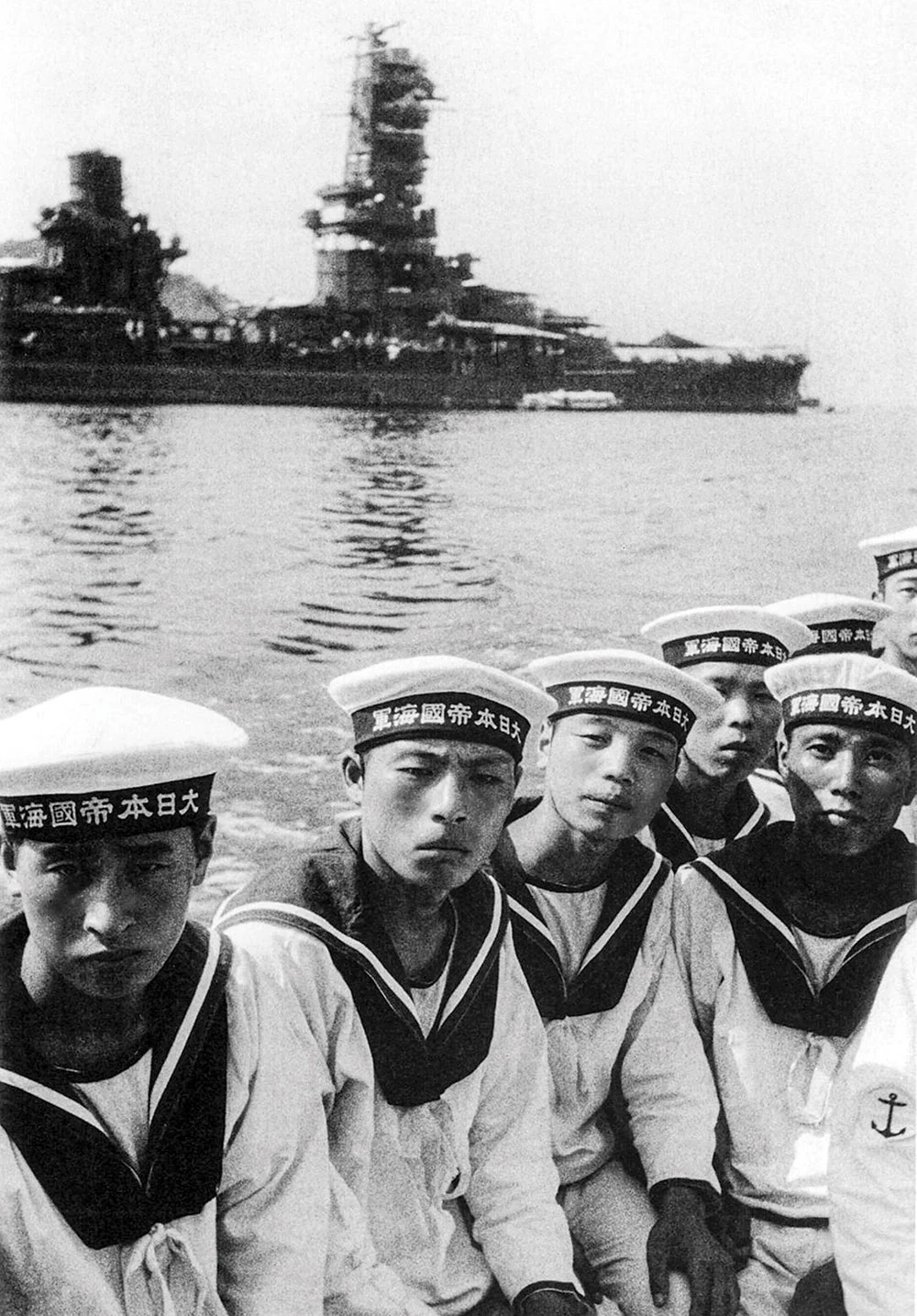
Hanks, while recording, was struck by the immense power of the Japanese navy and its rapid expansion across the Pacific, which fueled fears of an American mainland invasion post-Pearl Harbor. He also cited the "ton of footage" on the Holocaust that he had never seen in its "totality," revealing the full, unedited horror previously only glimpsed through "judicious edits."
Lessons for Today: America’s Role and the Rise of Revisionism

The series premieres on Memorial Day and is also framed within the commemoration of America’s 250th anniversary, inviting reflection on the nation’s track record in promoting peace, freedom, and democracy. Meacham distinguishes between "celebration" and "commemoration," emphasizing that the latter involves critical reflection. He argues that America’s entry into WWII was rooted in the traditions of its founding 250 years prior, a belief in the rule of law and individual sovereignty as alternatives to the perpetual battlefield envisioned by dictatorships. He quotes Dwight D. Eisenhower’s reflection at Normandy in 1964: "You know, Walter, these men bought time for us to get this right."
The contemporary political landscape, marked by figures who have allegedly disparaged fallen soldiers, raises critical questions about America’s willingness to confront anti-democratic forces today. Hanks expresses cautious optimism, citing the "extraordinary built-in machinery" of American democracy that allows for the selection and removal of leaders. However, he rates the chances of having learned WWII’s lessons well enough to inform present-day moral choices at "50-50."
A significant concern for both Hanks and Meacham is the rise of historical revisionism, particularly Holocaust denial. "We now are dealing with a rise of revisionist history, with people making money off of saying there was no Holocaust in World War II. It’s all a sham. How does that happen?" Hanks asks. He posits that the very freedoms of press and assembly, while essential to democracy, also allow such malevolent narratives to exist. Yet, he maintains confidence that these freedoms ultimately "work to the good more often than they work for the malevolent."
Regarding the historical criticism that the West knew about concentration camps but failed to act decisively, Meacham acknowledges degrees of knowing. Early warnings from leaders like Churchill and Roosevelt existed, and press reports circulated. While he believes there was a "failure on refugee policy" and a wish for "more attempts at rescue," the prevailing military strategy was to defeat Germany first, considering any diversion of resources a hindrance to saving all lives, including Jewish lives. Meacham frames this not as an excuse, but as a crucial lesson: "The moral utility of this conversation, the reason to call Churchill and Roosevelt and others to account, is to remind ourselves that if even the most heroic people in the past could get something so wrong, we need to be forever vigilant about what we’re getting wrong in our own time." Hanks echoes this, emphasizing the imperative to ask: "What would we do now, given the same circumstances, the same kind of information?"

Broader Impact and Implications
World War II With Tom Hanks is poised to make a substantial impact on public understanding of the conflict. By providing a truly global narrative, it will challenge Eurocentric or American-centric biases, offering a more complete picture of the sacrifices and strategies across continents. The involvement of the National World War II Museum lends academic rigor, ensuring that the historical accounts are meticulously researched and presented.
The series’ timing is also crucial. In an era where disinformation spreads rapidly and historical facts are increasingly contested, a well-produced, comprehensive documentary can serve as an invaluable educational tool. It can help bridge generational gaps in understanding, providing younger audiences with context for current geopolitical tensions and the fragility of democratic institutions. It reinforces the idea that history is not a static collection of facts, but a dynamic dialogue between past and present, offering critical insights into human nature and societal choices.
Future Endeavors

For Tom Hanks, the journey into World War II history is far from over. Despite this monumental series, his fascination remains undimmed. "Oh, every time I read a book, I come up with something else I want to option in order to try to turn it into a movie or miniseries," he confesses, indicating that his profound engagement with the "largest event in human history" will likely continue to yield new narratives and insights for years to come.
As World War II With Tom Hanks prepares for its 2026 debut, it stands as a testament to the enduring power of history, presented by figures deeply committed to ensuring its lessons resonate with a new generation facing its own complex challenges.