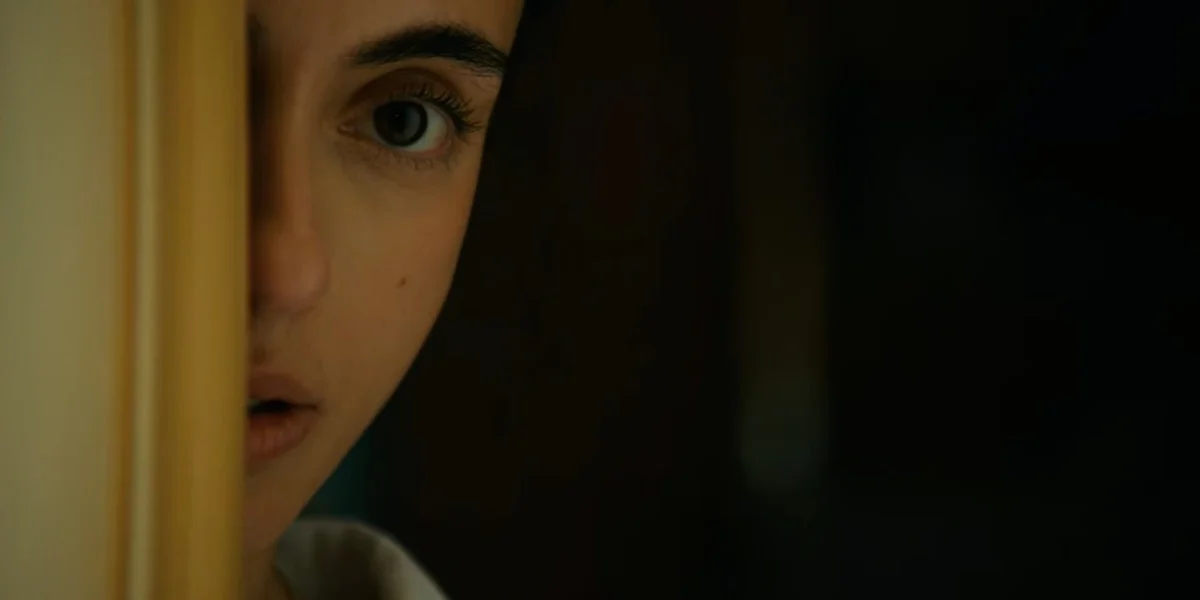
The narrative follows a young, idealistic nurse who finds her professional and personal boundaries blurred after she is assigned to a mysterious, affluent patient. This central relationship develops against the backdrop of an idyllic retirement community that is suddenly plagued by a series of increasingly perverse and targeted scam calls. As the calls escalate from financial exploitation to psychological warfare, the community’s sense of security dissolves, forcing the protagonist into a high-stakes game of manipulation. The film is scheduled for a limited theatrical rollout in New York and Los Angeles starting July 10, 2026, under the banner of the Independent Film Company.
Narrative Architecture and Thematic Depth
Night Nurse distinguishes itself by blending the traditional elements of the erotic thriller with contemporary anxieties regarding technology and elder exploitation. The "scam call" subplot serves as a primary engine for the film’s suspense. In recent years, data from the Federal Trade Commission has shown a sharp increase in sophisticated voice-cloning and social engineering scams targeting the elderly, making the film’s premise particularly resonant with modern audiences. Bernstein utilizes this real-world fear to create a sense of pervasive vulnerability that permeates the retirement community setting.
The "starry-eyed" protagonist, portrayed by Cemre Paksoy, serves as the audience’s surrogate into this insulated world. Her transition from a dedicated medical professional to a woman entangled in a web of deceit provides the film’s emotional core. Critics at Sundance noted that Bernstein’s script avoids the clichés of the "femme fatale" or the "damsel in distress," instead opting for a more complex exploration of power dynamics and moral ambiguity. The inclusion of Mimi Rogers adds a layer of genre pedigree; Rogers, known for her work in seminal psychological dramas, provides a grounding presence that bridges the gap between the erotic thrillers of the 1990s and this modern iteration.
The 2026 Sundance Film Festival Context
The premiere of Night Nurse at Sundance 2026 occurred during a year when the festival emphasized "genre-bending" narratives. Out of over 15,000 submissions for the 2026 program, Bernstein’s film was selected for its unique visual language and its ability to maintain a high level of tension without relying on traditional horror tropes. The "Midnight" category, where the film debuted, has historically been a launching pad for cult classics and breakout indie hits.
Early reviews from the festival were largely positive, with many critics highlighting the film’s "seductive and disturbing" tone. Analytical reports from the festival indicated that Night Nurse was one of the most-searched titles in the Sundance digital portal during the second half of the event. This digital footprint suggests a strong interest among the younger demographic of cinephiles who have been rediscovering the erotic thriller through streaming platforms and repertory screenings.
Production and Directorial Vision
Georgia Bernstein’s role as writer, director, and producer granted her an unusual level of creative control for a sophomore feature. In her discussions following the premiere, Bernstein emphasized the importance of "tactile tension"—using sound design and close-up cinematography to create an intimate, yet claustrophobic, experience. The film’s aesthetic is reportedly inspired by the neo-noir movements of the late 20th century but updated with a clinical, modern palette that reflects the medical setting.
The production was filmed on location, utilizing a real luxury retirement estate to enhance the authenticity of the setting. This choice allowed the crew to capture the juxtaposition between the manicured, peaceful exterior of the community and the dark, psychological turmoil occurring behind closed doors. Industry analysts suggest that Bernstein’s ability to deliver a high-concept, visually polished film on an independent budget makes her a director to watch for future major studio collaborations.
Cast Dynamics and Performance Analysis
The ensemble cast of Night Nurse has been cited as one of its strongest assets. Cemre Paksoy’s performance has been described as a "revelatory" turn, marking her transition from supporting television roles to a leading presence in independent cinema. Her chemistry with Bruce McKenzie, who plays the mysterious patient, is central to the film’s erotic tension. McKenzie’s character remains an enigma for much of the film, a narrative choice that keeps the audience in a state of perpetual uncertainty.

Eleonore Hendricks and Colleen Rose Trundy provide crucial support as residents of the retirement community, representing the varied reactions to the scam call crisis—ranging from denial to paralyzing fear. Mimi Rogers, in a role that serves as a mentor and a foil to Paksoy’s character, brings a level of gravitas that elevates the film’s stakes. The casting strategy appears to have been a deliberate attempt to mix fresh faces with established talent, a move that often aids in the marketing of independent thrillers to a wider audience.
The Resurgence of the Erotic Thriller
The release of Night Nurse comes at a pivotal time for the erotic thriller genre. After a period of relative dormancy in the 2010s, the genre has seen a revival in the 2020s, driven by films like Fair Play and Babygirl. However, Bernstein’s approach is noted for its "disturbing" edge, moving away from purely romantic or sexual tension toward a more nihilistic exploration of modern society.
Market data from 2025 suggests that adult-oriented thrillers have seen a 15% increase in box office performance for limited releases compared to the previous five-year average. This trend is attributed to "audience fatigue" regarding superhero and franchise-heavy lineups, leading viewers to seek out original, provocative content. Night Nurse is positioned to capitalize on this trend, particularly with its July release date, which places it as an "alternative" to the traditional summer blockbusters.
Distribution and Release Strategy
The Independent Film Company has opted for a strategic rollout for Night Nurse. By opening in select theaters in New York and Los Angeles on July 10, 2026, the distributor aims to build word-of-mouth momentum before potentially expanding to other major metropolitan markets. This "platform release" model is a common tactic for films that rely on critical acclaim and prestige branding.
The choice of July 10th is significant, as it positions the film in the middle of the summer season, typically dominated by high-budget action films. By offering a "seductive and disturbing" counter-program, the Independent Film Company is targeting an older, more sophisticated demographic that may be underserved by the current theatrical landscape. Following its theatrical window, the film is expected to move to a premium VOD platform, where erotic thrillers historically perform well in the "home viewing" environment.
Broader Implications for Independent Cinema
The success of Night Nurse at Sundance and its subsequent distribution deal highlight the ongoing viability of the "triple-threat" filmmaker in the independent sector. Georgia Bernstein’s ability to navigate the complexities of writing, directing, and producing suggests a shift back toward auteur-driven projects in the indie space.
Furthermore, the film’s focus on the "perverse scam call" phenomenon reflects a growing trend of "techno-social thrillers"—films that explore the psychological impact of digital-age crimes. As society becomes increasingly reliant on digital communication, the vulnerabilities exposed in Night Nurse are likely to become a recurring theme in the thriller genre.
Conclusion and Future Outlook
As the July release date approaches, the industry will be watching the performance of Night Nurse as a bellwether for the erotic thriller’s commercial potential in 2026. The combination of a timely premise, a strong ensemble cast, and Bernstein’s distinct directorial voice has positioned the film as a potential "sleeper hit" of the year. For the Independent Film Company, the project represents a significant investment in provocative, adult-oriented storytelling.
The film’s journey from a Sundance premiere to a targeted theatrical release underscores the importance of film festivals in the lifecycle of independent cinema. Without the positive critical reception in Park City, a niche genre film like Night Nurse might have struggled to find a foothold in a crowded market. Instead, it enters the summer season with a "certified fresh" reputation and a growing base of intrigued viewers. Whether the film will lead to a broader renaissance for the erotic thriller remains to be seen, but for now, Georgia Bernstein has established herself as a formidable new voice in American cinema.