The sentiment echoing through daily conversations often begins with a weary sigh and the admission, "Today has been really rough." This sentiment, however, is rarely confined to a single day. It rapidly expands, encompassing yesterday, the entire week, the preceding month, and a year that feels as if it has stretched into an era of perpetual challenge. This pervasive sense of overwhelm, while perhaps humorously attributed to an individual’s personal "god of chaos," is a collective experience, a shared burden in what many describe as "unprecedented times." The author’s relatable analogy of wanting "sidekick energy" rather than the demanding "main character energy" resonates deeply, as individuals grapple with a desire for the simpler, more grounded existence reminiscent of a peaceful Shire, a stark contrast to the epic struggles often thrust upon them.
This collective exhaustion and the feeling of being perpetually under siege has significant implications for mental well-being. The constant pressure, rather than forging resilience, can inadvertently lead to emotional hardening. This phenomenon, akin to transforming into an "emotional diamond," creates a protective shell that repels negativity but also prevents the inflow of positivity and connection. The challenge, therefore, lies not in becoming impenetrable, but in maintaining a state of "softness." This involves cultivating kindness, love, and an openness to nurture oneself and others, much like a well-cooked potato that can nourish.
The concept of maintaining emotional "softness" in the face of relentless adversity is not a new one. Ancient philosophies and modern therapeutic approaches alike emphasize the importance of emotional flexibility and vulnerability for genuine well-being. The author draws a poignant parallel to the poet Mary Oliver’s words, "You only have to let the soft animal of your body love what it loves." This suggests that allowing oneself to feel, to connect, and to experience joy, even amidst despair, is a fundamental act of self-preservation and resistance. In this context, "tactical whimsy" emerges not as an escape, but as a potent tool, a "tried-and-true weapon" against the pervasive sense of dread.
In recognition of this widespread need for comfort and distraction, this expanded editorial approach aims to provide a curated selection of media that offers solace, joy, and a gentle respite from the ongoing challenges. Beyond book recommendations, this initiative will encompass television shows, webcomics, and other forms of media that have provided personal joy and may offer similar benefits to the readership. The goal is to equip individuals with a diverse toolkit for navigating the "barrage of awful" by embracing moments of lightheartedness and engaging with narratives that offer connection and optimism.
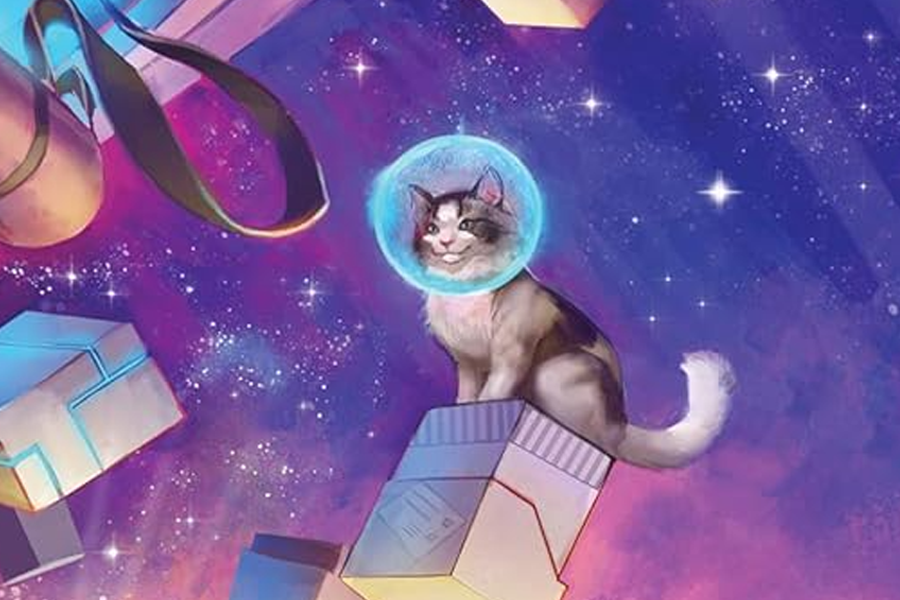
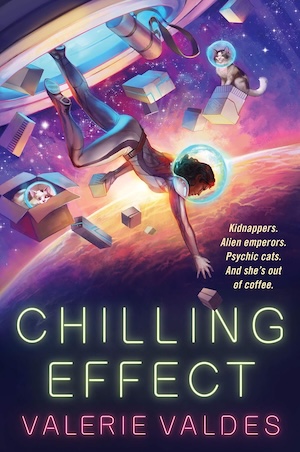
"Chilling Effect" by Valerie Valdes: A Motley Crew in the Cosmos
One of the most enduring tropes in storytelling is the appeal of a "motley crew," a group of disparate individuals who form an unlikely, yet deeply loyal, family. Valerie Valdes’s novel, "Chilling Effect," masterfully delivers on this premise with its foul-mouthed space captain, Eva Innocente, and the crew of the starship La Sirena Negra. This ensemble cast, far from being exclusively human, embodies the essence of found family, proving that their diverse origins are secondary to their shared bond.
The narrative kicks into high gear when Eva’s sister is abducted by "The Fridge," a formidable crime syndicate. This catalyst propels Eva and her crew into a series of perilous missions, all while evading a vengeful, fish-faced emperor whose romantic advances Eva once rebuffed. Adding to the cosmic chaos are psychic cats who have a penchant for escaping their cargo hold, and Eva’s own inconvenient romantic feelings for the ship’s engineer. "Chilling Effect" is characterized by its humor and off-beat narrative, presenting a vibrant and engaging space opera that offers a welcome escape.
The popularity of space operas with ensemble casts has seen a significant resurgence in recent years, fueled by successful franchises like "Guardians of the Galaxy." This genre taps into a deep-seated human desire for adventure, camaraderie, and the exploration of the unknown. "Chilling Effect" aligns with this trend by offering a fresh, humorous take on familiar sci-fi tropes, emphasizing character relationships and witty dialogue.
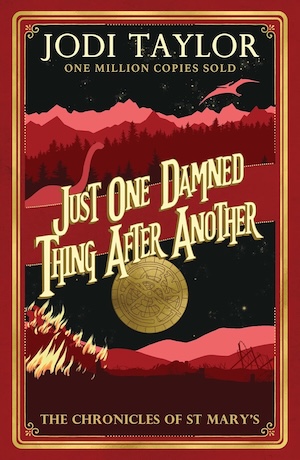
"Just One Damned Thing After Another" by Jodi Taylor: A Chaotic Dance Through History
Jodi Taylor’s novel, "Just One Damned Thing After Another," offers a unique exploration of historical causality, drawing a humorous parallel to the classic Simpsons Treehouse of Horror episode where Homer’s minor alterations to the past create catastrophic future consequences. The protagonist, Madeline Maxwell, is a historian recruited by St. Mary’s, an institution dedicated to observing pivotal historical events. The cardinal rule: observe, but do not interfere. The narrative vividly illustrates the precariousness of altering the past, where even the smallest action can trigger a cascade of unforeseen and often violent repercussions.
While the book unflinchingly depicts some grim historical moments, its strength lies in its ability to balance these darker elements with a "well-executed chaotic romp." The humor and engaging plot provide a vital counterpoint to the gravity of the subject matter. A particularly memorable element is the inclusion of dinosaurs, a detail that underscores the book’s commitment to surprising and delighting its readers. For those who enjoy this initial installment, good news abounds: "Just One Damned Thing After Another" is the first book in a complete series, promising extensive narrative potential. The author’s personal recommendation, based on an audiobook experience, further enhances its appeal.
The concept of time travel, particularly the "butterfly effect," has long fascinated audiences, appearing in numerous literary and cinematic works. Taylor’s approach distinguishes itself by focusing on the institutionalized, observational aspect of historical research, creating a unique framework for exploring the consequences of even accidental interference. The series’ success, evidenced by its dedicated fanbase, speaks to its ability to blend historical intrigue with compelling character development and a signature blend of humor and peril.
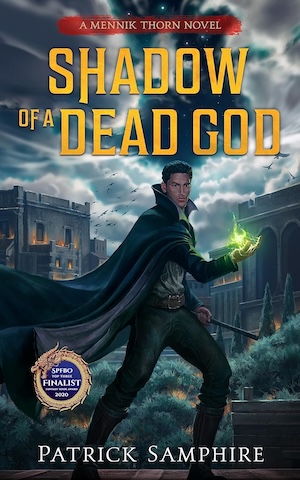
"Shadow of a Dead God" by Patrick Samphire: The Underdog Mage Detective
Patrick Samphire’s "Shadow of a Dead God" introduces readers to Mennik, a mage who embodies the beloved trope of the "down-on-their-luck underdog detective." Mennik is characterized by his rough exterior and heart of gold, a figure striving to do his best in a world that often feels unjust. Despite lacking the same magical prowess as his adversaries, he navigates challenges with resilience and a wry sense of humor, which often serves as a coping mechanism.
The narrative gains momentum when a seemingly simple job catapults Mennik into the role of a murder suspect, forcing him to embark on a quest to clear his name. The humor of the novel stems directly from Mennik’s self-deprecating wit, lending the story a distinct "noir fantasy tone." Samphire’s innovative approach to magic within this world is also a significant draw for readers. The fact that the series is complete provides a satisfying narrative arc for new readers to immerse themselves in.
The archetype of the flawed protagonist with a hidden noble core is a perennial favorite in fiction. Authors like Raymond Chandler and Dashiell Hammett popularized the hardboiled detective, and Samphire cleverly adapts this to a fantasy setting. The appeal lies in the relatability of a character who, despite facing overwhelming odds and personal shortcomings, remains committed to justice and truth. The completion of the series also addresses a common reader desire for a satisfying and conclusive narrative experience.
"Wilde Life" by Pascalle Lepas: Ghosts, Witches, and Found Family in Rural Oklahoma
Pascalle Lepas’s webcomic, "Wilde Life," offers a charming and often humorous exploration of the supernatural and the unexpected connections that can form in the most unlikely of circumstances. The protagonist, Oscar, a journalist, makes a drastic life change by leaving Chicago for a small town in rural Oklahoma. The house he rents, however, comes with an unexpected roommate: the spectral presence of a 1940s army computer girl. Instead of succumbing to fear, Oscar approaches this encounter with curiosity, setting the stage for a series of extraordinary discoveries.
As Oscar settles into his new life, he encounters a cast of local characters including witches, a mystical bear residing in the woods, and a teenage werewolf named Clifford. While the narrative touches upon potentially scary creatures and real-world issues, its overarching tone is one of "sweetness and humor." This is largely attributed to Oscar’s character and the familial bonds he develops. Lepas’s distinctive art style is another highlight, with the author expressing particular fondness for a drawing of Clifford in his wolf form, which has served as a long-standing laptop wallpaper. While an early collection of the comic is available in graphic novel format, the majority of "Wilde Life" can be accessed online.
Webcomics have emerged as a significant platform for independent storytelling, offering creators direct access to audiences and the freedom to explore diverse themes. "Wilde Life" exemplifies this trend by blending elements of paranormal fiction with slice-of-life storytelling and character-driven humor. The increasing popularity of supernatural comedies, such as "What We Do in the Shadows," suggests a strong audience appetite for narratives that find levity in the eerie and the uncanny.
"Widow’s Bay": A Cursed Island Town with a "Parks and Rec" Heart and Stephen King’s Soul
The television series "Widow’s Bay," created by Katie Dippold and streaming on Apple TV, has garnered significant attention for its unique blend of genres. Described as "Parks and Rec if Stephen King wrote it," the show centers on the earnest efforts of a small island town’s mayor to revitalize his community through tourism. However, this idyllic facade is threatened by the island’s palpable curse.
The series masterfully balances moments of genuine humor with unsettling creepiness, demonstrating a keen understanding of how to build suspense. The creators effectively leverage the power of anticipation, understanding that true horror often lies in the unspoken dread and the build-up to the "terrible thing." This is particularly evident in early episodes, such as the second episode’s exploration of the mayor’s basement, which exemplifies the show’s knack for generating chilling suspense. The overall tone, the performances of the cast, and the atmospheric setting combine to create a "pitch-perfect" narrative that feels both authentic and engaging.
The show’s creators imbue the series with meticulous attention to detail, which enhances both its comedic and horror elements. For instance, the names and designs of fictional board games found by the mayor – "Daddy’s Home" with its unsettling vintage graphic, and "She Shouldn’t Have Said That" – contribute to the pervasive sense of unease and dark humor. The game "Teeth," which contains a set of pliers upon opening, exemplifies this blend of the absurd and the disturbing. Matthew Rhys delivers a compelling performance as Mayor Tom, a sympathetic yet flawed character whose optimistic recklessness is tempered by the jaded pragmatist voiced by Stephen Root. For fans of horror-comedy, "Widow’s Bay" offers a compelling and well-crafted viewing experience.
The success of shows like "Widow’s Bay" highlights a growing audience demand for genre-bending narratives that can effectively combine humor and horror. This trend reflects a broader cultural comfort with exploring darker themes through lighter, more accessible lenses. The show’s critical reception and viewership suggest a strong appeal for its ability to deliver both laughs and chills, providing a unique form of escapism that resonates with contemporary audiences. The nuanced portrayal of characters and the careful pacing of suspense contribute to its overall effectiveness.
In conclusion, the current cultural landscape is marked by a pervasive sense of challenge and a collective yearning for respite. The media recommendations presented—from the intergalactic camaraderie of "Chilling Effect" to the historical paradoxes of "Just One Damned Thing After Another," the underdog charm of "Shadow of a Dead God," the whimsical hauntings of "Wilde Life," and the darkly comedic curse of "Widow’s Bay"—offer various avenues for readers to find solace, laughter, and a much-needed sense of connection. By embracing "softness" and "tactical whimsy," individuals can better navigate the complexities of modern life and find moments of joy amidst the ongoing "barrage of awful." The world, indeed, can be viewed as a potato, ready to be savored and shared, especially when approached with an open heart and a playful spirit.