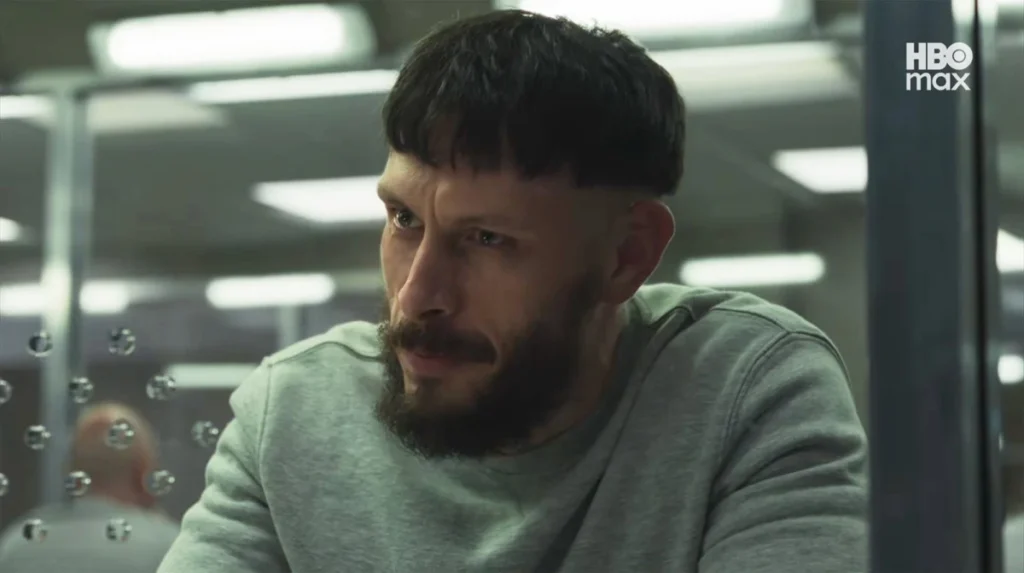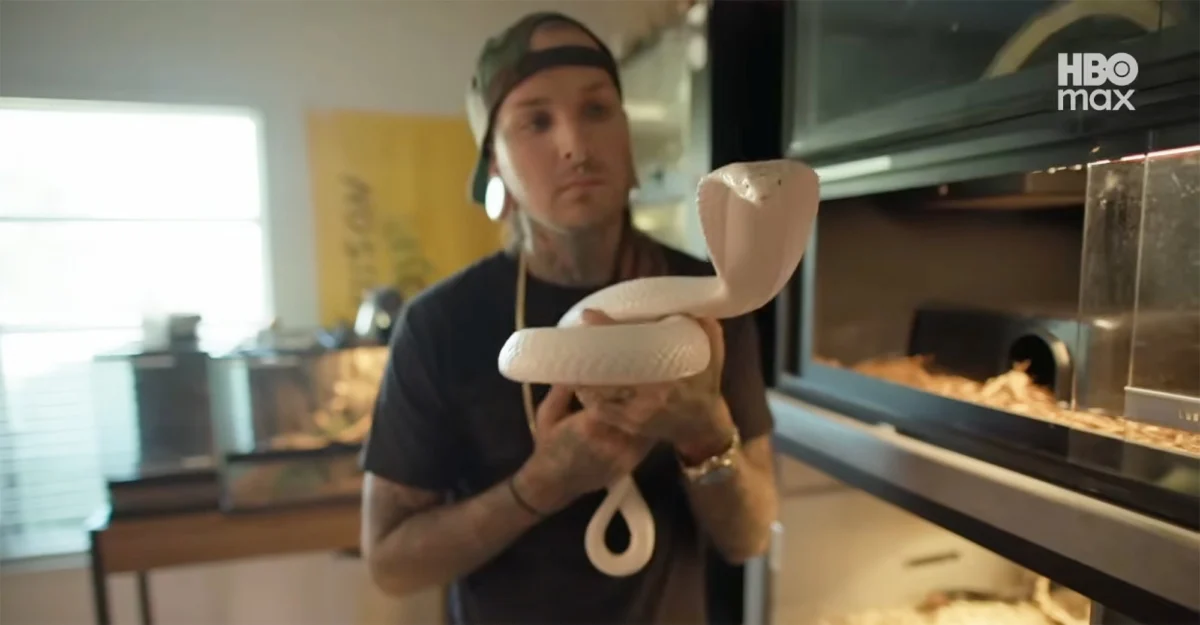
HBO Max has officially released the first trailer for its upcoming true crime documentary series, Monsters of God, a production that delves into the high-stakes and often perilous underworld of exotic reptile trafficking. Directed by renowned conservationist and filmmaker Eric Goode, the series is scheduled to make its streaming debut on August 6, 2026. This announcement follows the project’s successful world premiere at the 2026 SXSW Film Festival, where it secured the Audience Award in the TV Premiere category, signaling a high level of public interest in Goode’s latest exploration of human obsession and the exploitation of the natural world.
Monsters of God represents a thematic continuation for Goode, who previously gained international recognition for his work on the cultural phenomena Tiger King and Chimp Crazy. While his previous works focused on big cats and primates, this new venture pivots toward the secretive global network of cold-blooded creatures, including rare snakes, alligators, crocodiles, iguanas, and turtles. The series is produced through a collaboration between A24, Goode Films, and HBO Documentary Films, featuring a robust executive production team that includes Josh Safdie, Ronald Bronstein, and Eli Bush.
Narrative Focus and the Psychology of Obsession
The core narrative of Monsters of God follows the rise and eventual collision of two rival kingpins within the exotic reptile trade. These individuals managed a lucrative global operation that, for a time, served as a primary supplier for various zoological institutions across the United States. However, the documentary reveals how a singular act of betrayal transformed a professional partnership into a multi-decade vendetta, leading to the eventual exposure of their criminal enterprise.
The series utilizes the tagline "People are going to continue to want that which is forbidden," emphasizing the psychological driver behind the trade. Goode’s lens captures a world where the rarity of a species dictates its value, often leading collectors to ignore international conservation laws and ethical boundaries. The trailer highlights the "gonzo" nature of this underworld, featuring interviews with traffickers, fanatical collectors, and the federal agents tasked with dismantling their networks. By gaining unprecedented access to these figures, the series attempts to humanize—or at least explain—the motivations of those who risk imprisonment and physical harm to possess the world’s most dangerous and endangered reptiles.

Chronology of the Reptile Trade and Legal Evolution
To provide necessary context, Monsters of God traces the evolution of reptile ownership and trafficking from the early 20th century to the modern digital age. A significant turning point highlighted in the series is the passage of the Endangered Species Act (ESA) of 1973. Prior to this legislation, the movement of exotic animals across borders was subject to significantly less oversight. The implementation of the ESA, along with the international CITES (Convention on International Trade in Endangered Species of Wild Fauna and Flora) treaty, forced the trade underground.
The series maps out a timeline that shows how the reptile trade transitioned from legitimate pet store inventory to a secretive, high-stakes black market. In the 1980s and 1990s, as interest in "exotic" pets surged in Western markets, the demand for wild-caught specimens outpaced legal breeding programs. This period saw the rise of the "kingpins" featured in the documentary, who exploited regulatory loopholes and remote international borders to satisfy the appetites of wealthy private collectors and under-regulated zoos.
By the early 2000s, the trade had become a complex international crime ring, utilizing sophisticated smuggling techniques—such as concealing rare hatchlings in consumer electronics or clothing—to bypass customs. Monsters of God documents these methods while also focusing on the 2010s and 2020s, a period where social media and online forums further accelerated the demand for rare "designer" reptiles, pushing many species to the brink of extinction in their native habitats.
Supporting Data: The Scope of the Illegal Wildlife Trade
The illegal wildlife trade is widely recognized by international law enforcement agencies, including Interpol and the United Nations Office on Drugs and Crime (UNODC), as one of the most profitable criminal industries globally. Estimates suggest that the trade generates between $7 billion and $23 billion annually, ranking alongside the trafficking of drugs, weapons, and humans.
Reptiles are particularly vulnerable to trafficking due to several factors:

- Biological Resilience: Many reptiles can survive long periods without food or water, making them easier to transport in cramped, hidden conditions than mammals or birds.
- Market Demand: There is a significant market for both live specimens for the pet trade and skins for the luxury fashion industry.
- Biodiversity Hotspots: Many rare reptiles are endemic to small geographic areas in Southeast Asia, Africa, and South America, making it possible for traffickers to significantly deplete a species’ wild population in a single poaching season.
According to data from the World Wildlife Fund (WWF), thousands of reptiles are seized by customs officials every year, yet these seizures represent only a fraction of the total volume of the trade. The series posits that the obsession with "the forbidden" has created a market where the extinction of a species actually increases its value among certain circles of collectors, creating a devastating feedback loop for conservation efforts.
Official Responses and Conservation Perspectives
While the series is framed as a true crime thriller, it has already prompted responses from the conservation community. Early reviews and statements from environmental advocates suggest that while the series provides valuable exposure to the realities of poaching, there is a lingering concern regarding the "glamorization" of the perpetrators.
In a preliminary statement, representatives from several wildlife NGOs noted that the "Tiger King effect" previously led to a surge in public interest in animal welfare legislation, such as the Big Cat Public Safety Act. They express hope that Monsters of God will similarly galvanize support for the Lacey Act and other domestic regulations that govern the interstate transport of injurious species.
Law enforcement agents featured in the series emphasize the difficulty of policing the reptile trade. Unlike larger mammals, reptiles can be hidden with relative ease, and the expertise required to identify specific endangered subspecies is often lacking among general customs staff. The series includes interviews with members of the U.S. Fish and Wildlife Service (USFWS) who describe the "cat-and-mouse" game played with traffickers who are often one step ahead of the law through the use of shell companies and encrypted communication.
Production Background and Creative Vision
The involvement of Eric Goode ensures that Monsters of God carries a specific stylistic hallmark. Known for his immersive and often confrontational filmmaking style, Goode does not merely observe his subjects but often becomes a participant in the narrative. This approach was central to the success of Tiger King, and early reports from the SXSW screening suggest that Monsters of God utilizes a similar "gonzo" investigative technique.

The production team includes several high-profile names from the world of independent and prestige cinema. The Safdie brothers (Uncut Gems, Good Time) and Ronald Bronstein bring a kinetic, high-tension energy to the project as executive producers. Their involvement suggests a focus on the grit and anxiety of the criminal lifestyle. The series was developed under the banner of Goode Films in partnership with A24, a studio known for its unconventional and artistically driven content.
The technical credits for the series also include Jeremy McBride, Eli Bush, and Harry Go, with Nancy Abraham and Lisa Heller overseeing the project for HBO Documentary Films. This collaborative effort aims to bridge the gap between sensationalist true crime and high-level investigative journalism.
Broader Impact and Implications
The release of Monsters of God comes at a time when global biodiversity is under unprecedented threat. The series serves as a warning regarding the "insatiable desire for the forbidden" and the ecological consequences of private collections. Beyond the immediate criminal narrative, the documentary addresses the broader impact of invasive species—a direct result of the exotic pet trade. In regions like the Florida Everglades, escaped or released reptiles have decimated local ecosystems, a secondary consequence of the trade that the series is expected to explore.
Furthermore, the documentary raises ethical questions regarding the role of private zoos and the transparency of animal acquisition. By documenting how rival kingpins supplied "legitimate" institutions, Monsters of God challenges the audience to consider the origins of the animals they see in captivity.
As the August 6 premiere approaches, industry analysts expect the series to be a significant driver of subscriptions for HBO Max, following the trend of high-performing wildlife-centric docuseries. The winning of the SXSW Audience Award serves as a strong indicator that the public’s fascination with the "wild" side of human nature remains potent. Monsters of God is poised to be more than just a crime story; it is a clinical look at the intersection of greed, obsession, and the cold-blooded reality of an industry that treats living creatures as contraband.