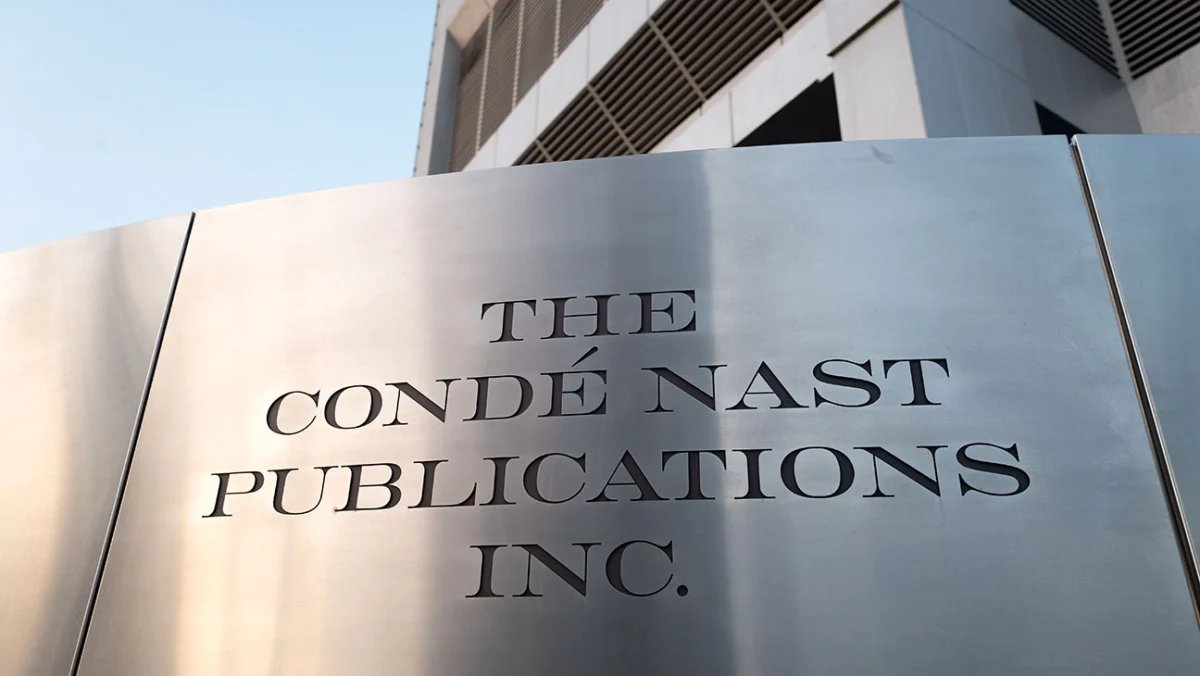
Nearly six months after a high-profile labor confrontation at the headquarters of publishing titan Condé Nast, the NewsGuild of New York has secured a comprehensive settlement on behalf of a group of employees known as the "Fired Four." The agreement, reached following an intensive arbitration process, resolves a dispute that began in November 2025 when several union members were terminated or suspended following a "march on the boss" at One World Trade Center. The settlement represents a significant moment in modern media labor relations, providing substantial financial compensation and the clearing of disciplinary records for those involved, while simultaneously highlighting the ongoing tensions between corporate management and editorial unions in an increasingly volatile publishing industry.
Under the terms of the settlement, three of the four terminated employees—Alma Avalle of Bon Appétit, Ben Dewey of Condé Nast Entertainment, and Jasper Lo of The New Yorker—have had their employment records amended. Their status has been changed from "terminated" to "resigned as active employees," a distinction that preserves their professional reputations for future employment. Furthermore, the agreement includes a financial package equivalent to nearly two years of salary for each individual, along with positive letters of recommendation from the company. For the five additional union members who were suspended during the same period, the settlement ensures they receive full backpay for the duration of their suspensions and the complete removal of the disciplinary actions from their personnel files.
The fourth individual, Jake Lahut, a former reporter for Wired, remains an outlier in the settlement process. Due to his status as a probationary employee at the time of the incident, Lahut was not covered by the "Just Cause" protections afforded to more senior staff under the union’s collective bargaining agreement. While offered a separate settlement by the company, Lahut has opted to decline the proposal, choosing instead to pursue an unfair labor practice charge through the National Labor Relations Board (NLRB).
The Genesis of the Dispute: November 5, 2025
The events leading to the settlement began on November 5, 2025, during a period of heightened anxiety within the Condé Nast workforce. The company, which owns prestigious titles including Vogue, Vanity Fair, and GQ, had recently announced a series of layoffs and structural changes to Teen Vogue that union members argued violated existing labor agreements. In response, a group of NewsGuild members organized a "march on the boss," a traditional labor tactic designed to force direct engagement with executive leadership.
The group intercepted Condé Nast’s Chief People Officer outside his office at One World Trade Center. Video footage of the encounter, which later circulated on social media and within media industry circles, depicted a tense exchange. Union members pressed the executive for answers regarding the job cuts and the future of the impacted brands, while the executive attempted to disengage and return to his office. The confrontation lasted only a few minutes, but management characterized the behavior as a violation of company policy.
On November 6, 2025, less than 24 hours after the incident, the company moved to terminate Avalle, Dewey, Lahut, and Lo. In an internal communication, Condé Nast management defended the decision, stating that the employees’ conduct "crossed the line into targeted harassment and disruption of business operations." The union immediately challenged this characterization, filing grievances and asserting that the members were engaged in "protected concerted activity" under the National Labor Relations Act (NLRA).
Chronology of the Conflict and Resolution
The path from the initial confrontation to the final settlement involved several months of legal maneuvering and public advocacy by the NewsGuild of New York.
- November 5, 2025: Union members confront the Chief People Officer at One World Trade Center.
- November 6, 2025: Condé Nast terminates four employees and suspends five others. The NewsGuild labels them the "Fired Four" and launches a public awareness campaign.
- December 2025 – January 2026: The NewsGuild files unfair labor practice charges with the NLRB, alleging retaliatory firing and interference with union activities. Formal arbitration proceedings begin as per the collective bargaining agreement.
- February – March 2026: Both parties engage in discovery and testimony. Public pressure mounts as editorial staff across various Condé Nast titles express solidarity with their terminated colleagues through social media and internal demonstrations.
- April 2026: Settlement negotiations intensify as the arbitration process nears a conclusion.
- May 2026: A formal settlement is reached, providing the majority of the "Fired Four" with financial restitution and a change in employment status.
Analysis of the Settlement Terms
The financial component of the settlement—nearly two years’ worth of pay—is notably high for labor disputes in the media sector. Typically, settlements for wrongful termination or labor violations result in backpay or a few months of severance. The scale of this payout suggests that the NewsGuild maintained a strong legal position regarding the "Just Cause" provisions of their contract.
"Just Cause" is a standard in labor law that requires an employer to have a valid, provable reason for disciplining or firing an employee. It protects workers from arbitrary or retaliatory management decisions. By securing nearly 24 months of pay and the conversion of firings to resignations, the union has effectively argued that the company’s initial disciplinary response was disproportionate to the actions taken by the employees during the November 5 protest.
However, the "no-fault" clause remains a standard feature of such agreements. Condé Nast has not admitted to any wrongdoing or liability, and the union has similarly not conceded that its members violated company policy. This allows both parties to "move forward constructively," as stated by a company spokesperson, without the further risk of a definitive legal ruling that could set a binding precedent for future "marches on the boss."
The Case of Jake Lahut and the Probationary Gap
The situation involving Jake Lahut highlights a critical vulnerability in modern union contracts: the probationary period. Most collective bargaining agreements include a window, typically ranging from three to twelve months, during which a new hire can be terminated without the employer needing to demonstrate "Just Cause."
Lahut was reportedly one week away from completing his probationary period at Wired when he was fired. Because he lacked the full protections of the union contract, his legal recourse through the internal arbitration system was limited. His decision to take the case to the NLRB moves the dispute into the federal regulatory sphere.
National Labor Relations Board cases are notoriously slow, often taking years to reach a final resolution, especially if decisions are appealed to the board’s national seats in Washington, D.C. Lahut’s case will hinge on whether his participation in the march was "protected concerted activity" under Section 7 of the NLRA, which grants employees the right to act together for their mutual aid or protection, regardless of their probationary status.
Perspectives from the Involved Parties
The reaction to the settlement has been one of cautious triumph for the union and a desire for closure for the company. Susan DeCarava, president of the NewsGuild of New York, framed the outcome as a defense of fundamental labor rights. In an interview, DeCarava emphasized that the settlement serves as a "repudiation" of the idea that management can unilaterally define the boundaries of collective action to silence dissent.
"The company wanted to send a message that if you potentially step out of line according to some random boss’s assessment, you could be fired," DeCarava stated. "This settlement proves that the right to take direct collective action is protected under federal law."
Jasper Lo, the former fact-checker at The New Yorker, expressed a more nuanced view. While acknowledging the financial and professional benefits of the deal, he described his feelings as "complicated," noting that the company’s willingness to pay such a significant sum was an implicit admission of the "egregious" nature of the initial firings. Lo plans to use the transition period to pursue Mandarin language studies and freelance work.
Alma Avalle, formerly of Bon Appétit, viewed the settlement as a win for the broader labor movement, asserting that workers have a right to engage with their superiors as equals. Avalle has since moved into the independent publishing space, co-founding a literary magazine while remaining active in union affairs.
A spokesperson for Condé Nast maintained a more corporate tone, stating: "We reached a mutual, amicable agreement so that all parties can move forward constructively. In doing so, neither party admits to any wrongdoing or liability."
Broader Implications for the Media Industry
The Condé Nast settlement arrives at a time of significant labor unrest across the American media landscape. Over the past five years, digital and legacy newsrooms have unionized at record rates, driven by concerns over job security, pay equity, and corporate consolidation. The NewsGuild of New York alone represents thousands of workers at outlets including The New York Times, Reuters, and The Associated Press.
This case sets a significant benchmark for how "marches on the boss" and other forms of direct action are handled. If Condé Nast’s initial firings had stood without challenge, it might have signaled a tightening of corporate control over workplace speech. Instead, the settlement reinforces the power of collective bargaining agreements and the "Just Cause" standard.
Furthermore, the data regarding the settlement—specifically the two-year pay provision—will likely be cited in future labor negotiations across the industry. It serves as a reminder to media executives that retaliatory actions against union members can result in significant financial and reputational costs.
As the media industry continues to grapple with the pressures of artificial intelligence, declining ad revenues, and shifting audience habits, the relationship between management and labor is expected to remain fraught. The resolution of the "Fired Four" case provides a temporary reprieve for Condé Nast, but the underlying tensions regarding layoffs and editorial autonomy remain unresolved. For now, the "Fired Four" have secured their professional futures, while the NewsGuild has sent a clear message that it will aggressively defend its members’ rights to collective advocacy.