The seemingly mundane passage between rooms in a film can often become a canvas for profound storytelling, building suspense, revealing character, or serving as the very stage for iconic action. From the chilling, echoing halls of haunted hotels to the sleek, sterile passageways of futuristic spacecraft, the corridor has proven to be a remarkably versatile cinematic device. This exploration delves into some of the most memorable and impactful corridors in film history, examining how filmmakers have leveraged these liminal spaces to amplify their narratives and etch themselves into the collective memory of moviegoers.
Grosse Pointe Blank (1997): A Reunion with Danger
The dark comedy Grosse Pointe Blank (1997) masterfully blends existential angst with sudden bursts of violence, and its corridors are no exception. John Cusack stars as Martin Blank, a contract killer who, instead of attending a professional development seminar, finds himself back in his Michigan hometown for his ten-year high school reunion. The film’s tension escalates when a rival assassin, a kickboxing expert, confronts Blank in a school hallway. This scene is particularly notable for its visceral reality, a stark contrast to the film’s often witty and self-aware dialogue. The fact that Blank’s trainer and the on-screen assailant is the legendary martial artist Benny "The Jet" Urquidez, known for his legendary bouts with Jackie Chan, underscores the genuine danger depicted. Urquidez’s presence lends an authentic martial arts pedigree to the encounter, elevating it beyond a typical cinematic brawl. This juxtaposition of dark humor and lethal seriousness, set against the backdrop of mundane high school architecture, highlights the film’s unique tonal achievement.

The Thing (1982): The Unseen Terror in Outpost 31
John Carpenter’s seminal 1982 science-fiction horror film, The Thing, utilizes the claustrophobic confines of Outpost 31 to its terrifying advantage. The desolate Antarctic research station becomes a breeding ground for paranoia and fear, and its labyrinthine corridors amplify this sense of dread. One of the film’s most iconic and unsettling sequences features the parasitic alien lifeform, disguised as an infected sled dog, prowling along a dimly lit passageway. The scene’s brilliance lies in its masterful use of suggestion and shadow. As the creature slinks by, the camera focuses on the subtle movements and the menacing silhouette against a door. The identity of the occupant about to be assimilated remains a mystery, fueling endless debate among fans about who will be the next victim of the shape-shifting horror. This sequence exemplifies how Carpenter uses the spatial limitations of the environment to create unbearable suspense, turning the simple act of moving through a corridor into a heart-stopping ordeal.
Brazil (1985): The Bureaucratic Maze
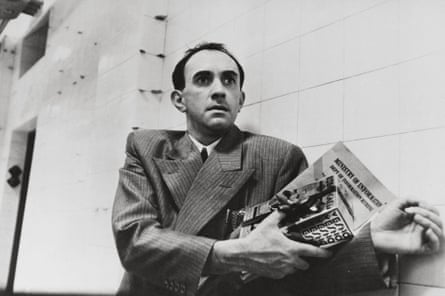
Terry Gilliam’s dystopian satire Brazil (1985) presents a nightmarish vision of an overbearing bureaucracy, and its architecture reflects this oppressive reality. The film’s protagonist, Jonathan Pryce’s Sam Lowry, is a low-level government employee whose dreams offer an escape from his bleak existence. When Lowry ascends to the "Information Retrieval" department, he enters a seemingly endless grey corridor, characterized by imposing concrete pillars. This corridor, ingeniously created using forced perspective in a disused flour mill, is famously described as "the longest corridor in the world." The sheer scale and monotonous design of this passageway visually represent the suffocating nature of the bureaucratic system. Adding to the unease, a subsequent scene depicts a white-tiled corridor stained with blood, hinting at the hidden violence and despair that lurks beneath the sterile facade of this totalitarian state. The film’s visual language, particularly its use of exaggerated architecture, serves as a powerful commentary on the dehumanizing effects of unchecked governmental power.
Phantasm (1979): The Terrifyingly Real Mausoleum Hallway
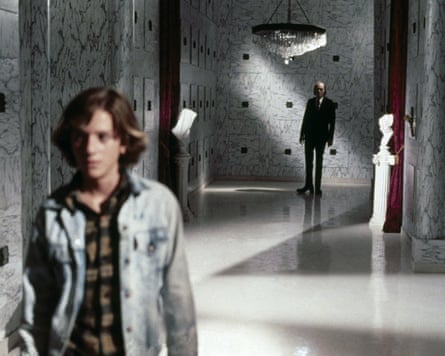
Don Coscarelli’s cult classic Phantasm (1979) is a surreal and unsettling journey into the bizarre. For weeks after its initial viewing, the film’s imagery, particularly its depiction of a marble corridor within a mausoleum, can haunt the viewer’s imagination. The film’s central antagonist, the Tall Man, presides over a nightmarish realm where the dead are reanimated and their skulls are drilled by flying metal spheres. The marble corridor, with its cold, echoing emptiness, becomes a potent symbol of the film’s Eldritch horror. The fear that one might find oneself trapped in such a place, vulnerable to the grotesque machinations of the Tall Man, lingers long after the credits roll. This visceral fear, rooted in the unsettling imagery of the mausoleum hallway, is a testament to the film’s enduring power to disturb and disquiet.
Last Year at Marienbad (1961): The Baroque Labyrinth of Memory
Alain Resnais’s enigmatic 1961 arthouse film Last Year at Marienbad cultivates a uniquely haunting atmosphere through its opulent and disorienting setting. The film unfolds within the baroque corridors of a luxurious, seemingly eternal hotel. These ornate passageways, filled with the echoes of unspoken desires and potential transgressions, become more than just architectural elements; they are portals into a subjective reality where time and memory blur. The narrative, which may or may not involve adultery and murder, is steeped in ambiguity, leaving the audience to question the reality of what they are witnessing. The film’s slow, deliberate pacing and its focus on the characters’ psychological states, often played out against the backdrop of these grand, yet unsettling, hotel corridors, create a dreamlike quality that has captivated and confounded critics and audiences alike. It is a meditation on the nature of reality, perception, and the lingering specter of the past.
The Red Queen Kills Seven Times (1972): A Giallo’s Striking Imagery
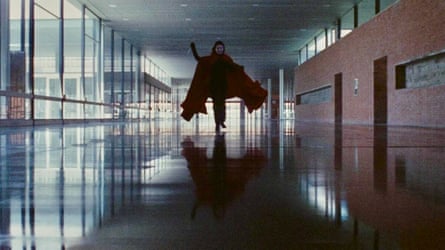
The Italian giallo genre, known for its stylish visuals and often convoluted murder mysteries, frequently employs striking imagery. The Red Queen Kills Seven Times (1972) is a prime example, featuring an iconic shot of a figure in a long red cloak and a white mask sprinting down a strikingly modern corridor, dagger in hand. This image perfectly encapsulates the film’s blend of gothic horror elements and contemporary aesthetics. The unsettling modernity of the corridor juxtaposed with the archaic imagery of the cloaked figure creates a potent visual tension. Against the backdrop of a family curse, a guilt-ridden protagonist played by Barbara Bouchet, and a captivating score by Bruno Nicolai, the film solidifies its status as a minor classic of the giallo movement, with its memorable corridor scene serving as a chilling emblem of its unsettling narrative.
The Raid: Redemption (2011): Pencak Silat in a Vertical Battlefield
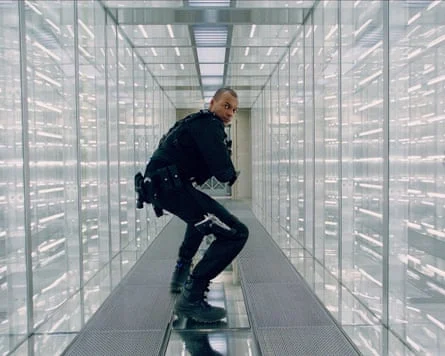
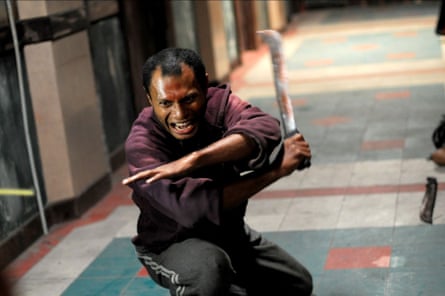
Gareth Evans’s Indonesian action masterpiece, The Raid: Redemption (2011), redefined the modern action film with its relentless pacing and breathtaking martial arts choreography. The film, which introduced the Indonesian martial art of pencak silat to a global audience, centers on a SWAT team’s assault on a high-rise apartment block controlled by a ruthless crime lord. The building itself becomes a vertical battlefield, and its numerous corridors are the sites of brutal and expertly choreographed combat sequences. Iko Uwais, as the protagonist Rama, navigates these confined spaces, engaging in a series of increasingly desperate and violent encounters. The film’s infamous corridor fights, often featuring machetes and close-quarters combat, are not mere set pieces but integral to the narrative’s escalating tension and the characters’ struggle for survival. The narrowness of these passageways forces an intimate and visceral confrontation, amplifying the impact of each blow and each desperate maneuver.
Inception (2010): A Dreamlike Dance in a Rotating Hallway
Christopher Nolan’s mind-bending science-fiction thriller Inception (2010) is renowned for its innovative visual effects, and its depiction of a rotating hotel hallway stands out as a particularly ingenious sequence. In this scene, Joseph Gordon-Levitt’s character, Arthur, engages in a zero-gravity fight with two adversaries. The disorienting effect of the spinning corridor, achieved through practical effects rather than purely CGI, immerses the audience in the dreamlike logic of the film’s layered reality. This technique, inspired by the revolving set in 2001: A Space Odyssey (1968), creates a sense of profound disorientation and physical struggle that perfectly complements the film’s exploration of the subconscious mind. The corridor here is not just a setting but a dynamic element that actively contributes to the film’s central themes of perception and reality.
Resident Evil (2002): The Deadly Embrace of AI
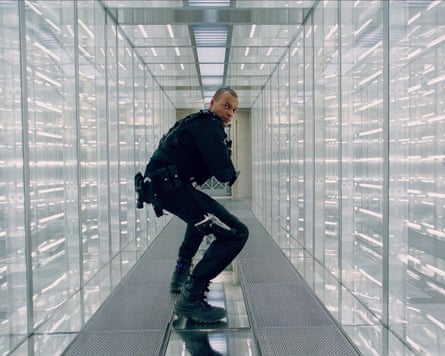
The concept of a lethal corridor, first popularized by the claustrophobic sci-fi horror Cube (1997), takes a terrifying turn in Paul W.S. Anderson’s Resident Evil (2002). In this adaptation of the popular video game franchise, a team of commandos finds themselves trapped within a vast underground genetic research facility. The facility’s artificial intelligence, known as the Red Queen, unleashes a deadly laser grid that transforms an entire corridor into a deathtrap. The stark, clinical design of the corridor, coupled with the precision of the slicing beams, creates a chilling spectacle of technological malevolence. Four commandos meet their gruesome end as the AI systematically dismembers them, highlighting the film’s theme of humanity’s vulnerability to its own creations. This sequence serves as a stark reminder of the potential dangers of unchecked artificial intelligence and the perils of advanced technology.
The Shining (1980): The Hexagonal Terror of the Overlook
Stanley Kubrick’s masterful horror film The Shining (1980) imbues the Overlook Hotel with a palpable sense of dread, and its corridors play a crucial role in this unsettling atmosphere. The iconic Steadicam shots following Danny as he rides his tricycle through the hotel’s hexagonally carpeted hallways are deeply ingrained in cinematic history. These seemingly innocent journeys become imbued with an ominous quality, hinting at the lurking horrors that the hotel conceals. The repetitive patterns of the carpet and the endless expanse of the corridors create a disorienting effect, mirroring the psychological disintegration of the characters. Even before the appearance of the ghostly twins, these passageways evoke a profound sense of unease, transforming the mundane act of traversing a hotel into a deeply unsettling experience. The Overlook’s corridors are not merely pathways; they are psychological conduits into the heart of madness.
Mission: Impossible – Ghost Protocol (2011): The Art of Deception in the Kremlin
The Mission: Impossible franchise is celebrated for its elaborate set pieces and daring stunts, and Ghost Protocol (2011) delivers one of its most ingenious sequences within a Kremlin corridor. In this scene, Ethan Hunt (Tom Cruise) and Benji Dunn (Simon Pegg) employ a sophisticated optical illusion to deceive a security guard. The meticulously planned deception, designed to appear as if they are merely passing by, is a testament to the team’s resourcefulness and technical prowess. The sheer audacity of their plan, executed within the heavily guarded corridors of the Kremlin, highlights the high stakes of their mission. The scene’s brilliance lies in its subtle tension and the precariousness of their operation; a single misstep or an unexpected arrival could unravel their carefully constructed facade. This sequence exemplifies the franchise’s ability to transform mundane architectural spaces into arenas of espionage and suspense.
Paprika (2006): The Undulating Corridors of the Subconscious
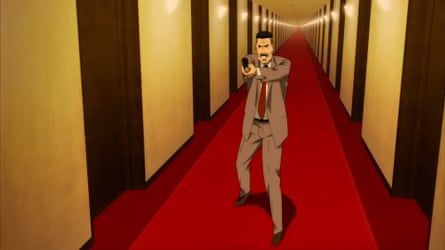
Satoshi Kon’s visually stunning 2006 anime Paprika plunges viewers into the surreal landscape of dreams, where reality and fantasy intertwine. A detective is plagued by recurring nightmares featuring a corpse in an undulating corridor, a potent visual metaphor for an unsolved murder case. The film’s exploration of the subconscious mind, facilitated by a revolutionary dream-sharing device, allows for fantastical and often disturbing imagery. The undulating corridor in the detective’s dream is a perfect manifestation of this distorted reality, a fluid and unstable space that reflects his internal turmoil. Paprika‘s pre-dates Nolan’s Inception in its intricate depiction of dreamscapes, showcasing a multi-layered narrative that blurs the lines between the waking world and the subconscious. The film’s mature themes and surreal visuals make it a captivating, albeit unsettling, cinematic experience.
Shock Corridor (1963): The Microcosm of American Psychosis
Samuel Fuller’s hard-hitting 1963 melodrama, Shock Corridor, uses the confined space of a mental asylum’s corridor as a potent symbol of societal breakdown and individual psychosis. An ambitious reporter deliberately has himself committed to an asylum to solve a murder, and the film’s title refers to the central passageway that becomes a microcosm of his grim investigation. The reporter’s journey through these halls exposes him to a disturbing array of characters and delusions, all within the stark, often oppressive architecture of the institution. While the film’s portrayal of mental health and its characters may reflect the societal attitudes of its time, the corridor as a symbol of American psychosis remains acutely relevant. The claustrophobic and often chaotic environment of the asylum, as depicted in these corridors, serves as a powerful commentary on the fragility of the human mind and the societal forces that can contribute to its unraveling.
Galaxy Quest (1999): Navigating the Perils of Alien Logic
The beloved 1999 sci-fi comedy Galaxy Quest cleverly satirizes the tropes of science fiction, and its use of corridors is no exception. When the cast of a defunct space opera finds themselves abducted by aliens who believe their show to be a historical documentary, they are forced to navigate a spaceship designed by these literal-minded extraterrestrials. In one memorable sequence, Tim Allen and Sigourney Weaver’s characters must consult Earth-based fans to guide them through a perilous utility corridor filled with "gratuitous choppy, crushy things." This scene humorously highlights the often illogical design choices found in fictional spacecraft, where practical considerations are sacrificed for dramatic effect. Weaver’s character, exasperated by the nonsensical layout, exclaims, "It makes no logical sense, why is it here?" This line perfectly encapsulates the film’s affectionate mockery of genre conventions, while the corridor itself becomes a physical manifestation of the characters’ fish-out-of-water predicament.
The Exorcist III (1990): The Terrifying Calm Before the Storm
William Peter Blatty’s The Exorcist III (1990), a sequel to the iconic horror film, delivers one of cinema’s most effective and nerve-shredding jump scares within the seemingly mundane setting of a hospital corridor. The film builds suspense through sustained shots of security guards patrolling a quiet hospital hallway, creating a false sense of security. The audience is lulled into a false sense of calm, observing the comings and goings of the night staff. However, as other characters are gradually called away, the scene is set for a terrifying encounter. The gradual emptying of the corridor and the increasing isolation of the lone figure create an unbearable tension, culminating in a sudden, shocking moment of violence. This scene is a masterclass in building dread through environmental staging and psychological manipulation, proving that even the most ordinary of spaces can become a source of profound horror.
Point Blank (1967): The Solemn March of Revenge
John Boorman’s 1967 neo-noir thriller Point Blank is a stark portrayal of a man consumed by revenge. Lee Marvin stars as Walker, a hardened criminal double-crossed by his partner and wife. His implacable quest for retribution is powerfully signaled by his solitary stride down a corridor at Los Angeles airport. The reverberating footsteps of Marvin’s character echo through the film, underscoring his relentless determination and the grim inevitability of his mission. This corridor sequence is more than just a transitional scene; it is a visual and auditory declaration of intent, establishing Walker’s unyielding resolve and setting the tone for the brutal violence that is to follow. The starkness of the airport environment, devoid of any extraneous detail, amplifies the focus on Walker’s singular purpose.
Barton Fink (1991): The Infernal Architecture of Creative Block
The Coen Brothers’ 1991 film Barton Fink presents the Hotel Earle as a nightmarish vision of artistic stagnation, rivaling even the Overlook Hotel for its unsettling atmosphere. The hotel’s hallways are central to this oppressive environment. In a particularly explosive scene, John Goodman’s character, Charlie Meadows, thunders down the corridor with a shotgun, roaring, "I’ll show you the life of the mind!" as the hideous art deco wallpaper ignites around him. This surreal and violent outburst, set against the backdrop of the burning corridor, encapsulates the film’s exploration of writer’s block, creative frustration, and the descent into madness. The grand, yet decaying, architecture of the Hotel Earle, with its suffocatingly ornate hallways, becomes a physical manifestation of Barton Fink’s own internal struggles. The scene is a potent blend of dark humor and psychological horror, where the very walls seem to conspire against the protagonist.
Oldboy (2003): The Corridor as a Crucible of Combat
Park Chan-wook’s visceral 2003 revenge thriller Oldboy features one of modern cinema’s most iconic and brutal corridor fights. The film’s protagonist, Oh Dae-su (Choi Min-sik), is imprisoned for 15 years and then mysteriously released, seeking answers and revenge. When confronted by a group of attackers in a narrow corridor, Dae-su, armed with only a hammer, unleashes a relentless and astonishingly choreographed assault. The confined space of the corridor amplifies the brutality of the fight, forcing a close-quarters, no-holds-barred confrontation. The scene’s technical brilliance lies in its sustained, nearly three-minute, single-take shot, creating a dizzying, side-scrolling effect that immerses the audience in Dae-su’s desperate struggle for survival. This corridor becomes a corrida, a gladiatorial arena where human ferocity and resilience are tested to their absolute limits. The film’s unflinching depiction of violence in such a confined space left an indelible mark on action cinema.
Goodfellas (1990): The Seamless Entry into the Inner Sanctum
Martin Scorsese’s 1990 masterpiece Goodfellas is celebrated for its kinetic energy and immersive storytelling, and "The Copa Shot" remains one of its most dazzling achievements. The scene depicts Henry Hill (Ray Liotta) seducing Karen (Lorraine Bracco) on their first date by bypassing the long queue at the Copacabana nightclub. He leads her through a series of back entrances, down endless corridors, and through the bustling kitchen, culminating in their dramatic entrance directly in front of the stage. The brilliance of this sequence, captured in a single, unbroken Steadicam shot by Larry McConkey, lies not only in its technical virtuosity but also in its narrative significance. Liotta’s character imbues the walk with personality and charisma, making the journey as captivating as the destination. The endless corridors and backstage bustle serve to emphasize Henry’s insider status and his ability to navigate the hidden pathways of power and influence, offering Karen, and the audience, a privileged glimpse into his world.
La Belle et la Bête (1946): Enchanting Passageways of Fantasy
Jean Cocteau’s 1946 French fairytale La Belle et la Bête (Beauty and the Beast) stands as a testament to the enduring power of visual storytelling, particularly its use of enchanting corridors. While Disney’s later live-action adaptation achieved immense commercial success, Cocteau’s original, crafted from scarce resources and wartime constraints, possesses a unique and bewitching magic. The film features two unforgettable corridors. The first is the Beast’s castle antechamber, lit by the eerie glow of candelabras held aloft by disembodied arms, creating a scene of haunting beauty. The second is a passageway where Belle (Josette Day) glides along, framed by billowing net curtains. This effect was achieved by placing Day on roller skates and pulling her along, a technique that predated Spike Lee’s signature floating dolly shots by over four decades. These corridors are not mere set dressing; they are integral to the film’s dreamlike atmosphere and its profound exploration of love, sacrifice, and the transformative power of inner beauty. They are pure cinematic magic, evoking a sense of wonder that transcends time and technological advancement.