The world of genre cinema is mourning the untimely passing of acclaimed Japanese filmmaker Yoshihiro Nishimura, who died at the age of 59. Nishimura, celebrated for his distinct and often outrageous contributions to body horror and extreme action cinema, succumbed to health complications following a two-week hospitalization in Tokyo. His death marks a profound loss for fans and collaborators alike, leaving a void in the independent and cult film landscape he so uniquely shaped. Among those expressing deep sorrow is American producer and writer Robert Rhine, who was collaborating with Nishimura on what would be the director’s first American/Japanese co-production, "Geisha War." Rhine described Nishimura as a "unique original, a true cinematic artist, and a one-of-a-kind talent," echoing the sentiments of thousands of fans worldwide who revered his audacious vision.
A Maverick’s Mark on Modern Japanese Cinema
Yoshihiro Nishimura carved out an unparalleled niche in contemporary Japanese cinema, becoming synonymous with a visceral, often grotesque, yet undeniably artistic style. Born on April 1, 1967, Nishimura’s career spanned decades, evolving from a highly respected special effects makeup artist to a director whose films pushed the boundaries of visual storytelling. His work is characterized by inventive practical effects, copious amounts of stylized gore, dark comedic undertones, and a relentless exploration of the human body pushed to its most extreme limits. He often blended cyberpunk aesthetics with traditional Japanese themes, creating a unique hybrid genre that captivated audiences globally.
Nishimura’s breakthrough as a director came with 2008’s "Tokyo Gore Police" (original 東京残酷警察, Tōkyō Zankoku Keisatsu), a film that immediately established his signature style and garnered a dedicated international cult following. The film, a dystopian sci-fi horror spectacle set in a future Tokyo plagued by mutant "Engineers," showcased his mastery of practical effects and his ability to craft narratives steeped in political satire and social commentary, all wrapped in an ultra-violent, hyper-stylized package. Before this directorial success, Nishimura had already made significant contributions as a special effects designer for films like Sion Sono’s "Suicide Club" (2001) and Takashi Shimizu’s "The Grudge 2" (2006), cementing his reputation as a formidable force behind the scenes. Other notable directorial works include "Meatball Machine" (2005, which he co-directed), "Vampire Girl vs. Frankenstein Girl" (2009), "Helldriver" (2010), and "Mutant Girls Squad" (2010), each further solidifying his status as a master of the macabre and an innovator in genre filmmaking. His films were not merely shock value exercises; they were often meticulously crafted allegories exploring themes of identity, humanity, and societal decay, albeit through a lens of extreme body horror and black humor.
The Genesis of "Geisha War": A Trans-Pacific Collaboration
The collaboration between Yoshihiro Nishimura and Robert Rhine for "Geisha War" represents a significant chapter in the director’s career, marking his first foray into an American/Japanese co-production. The partnership was serendipitous, stemming from an intricate web of connections within the independent arts and film community. Robert Rhine, a veteran American producer and the publisher of "Girls and Corpses" magazine—a publication known for its unique blend of horror, humor, and provocative art—had played a pivotal role in launching the American career of Japanese artist Peach Momoko. Rhine was the first to publish Momoko’s artwork in his magazine, featuring her in six issues, which subsequently led to her discovery by Marvel Comics.
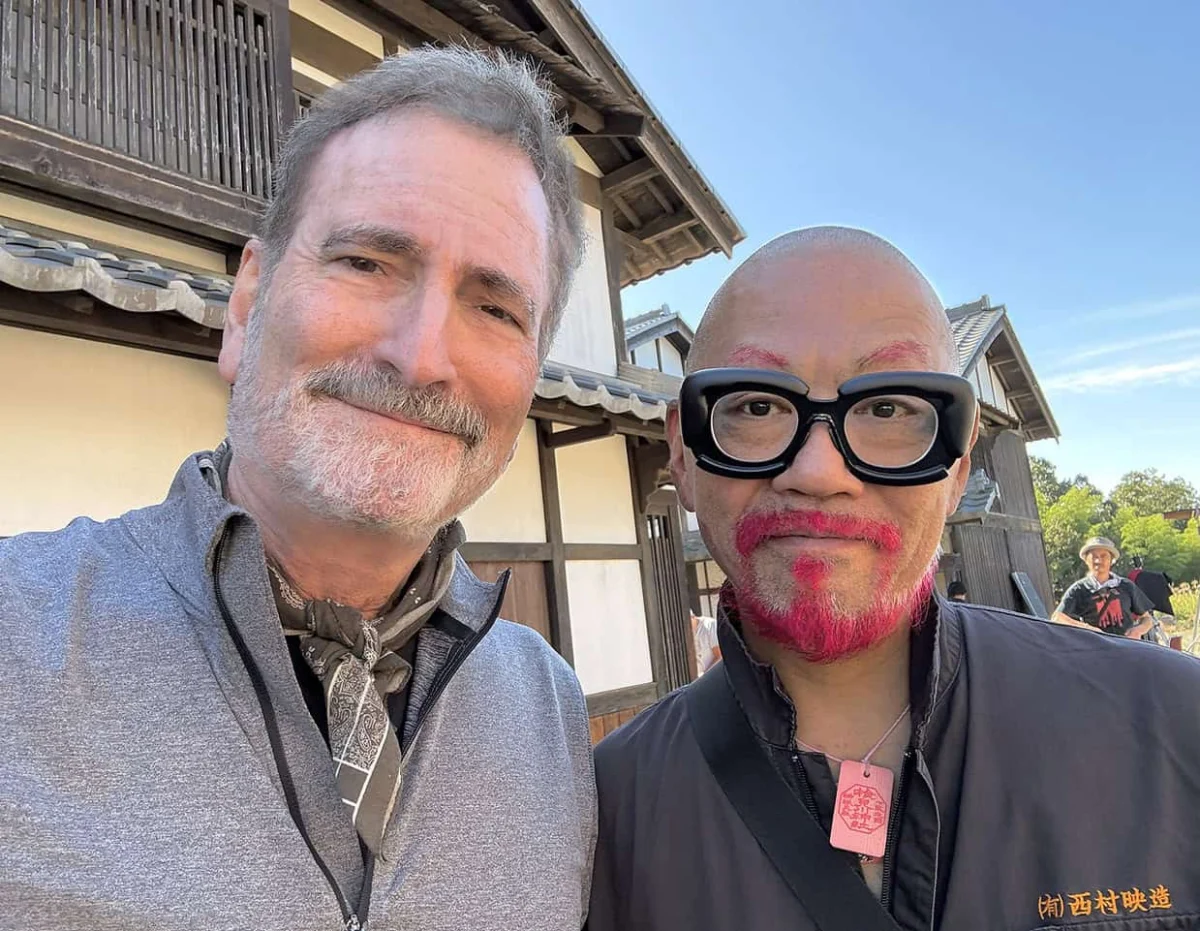
As Momoko’s career soared, she invited Rhine to visit her and her husband, Yo, in Tokyo. Yo, a professional translator who also worked with Nishimura, became the crucial link. Rhine hired Yo for a week to facilitate communication, and it was through Yo that the initial meeting between Rhine and Nishimura was arranged at Nishimura’s studio and home. The encounter, as Rhine recalls, was instantly memorable. Nishimura, arriving on an electric skateboard, clad in a "wild outfit" and sporting "bright red hair," immediately struck a chord with Rhine. Despite the language barrier—Nishimura spoke little English, and Rhine no Japanese—their shared passion for extreme horror and dark, often over-the-top comedic cinema forged an immediate bond. It was during this initial meeting, over tea at Nishimura’s home, that Rhine pitched the concept for "Geisha War."
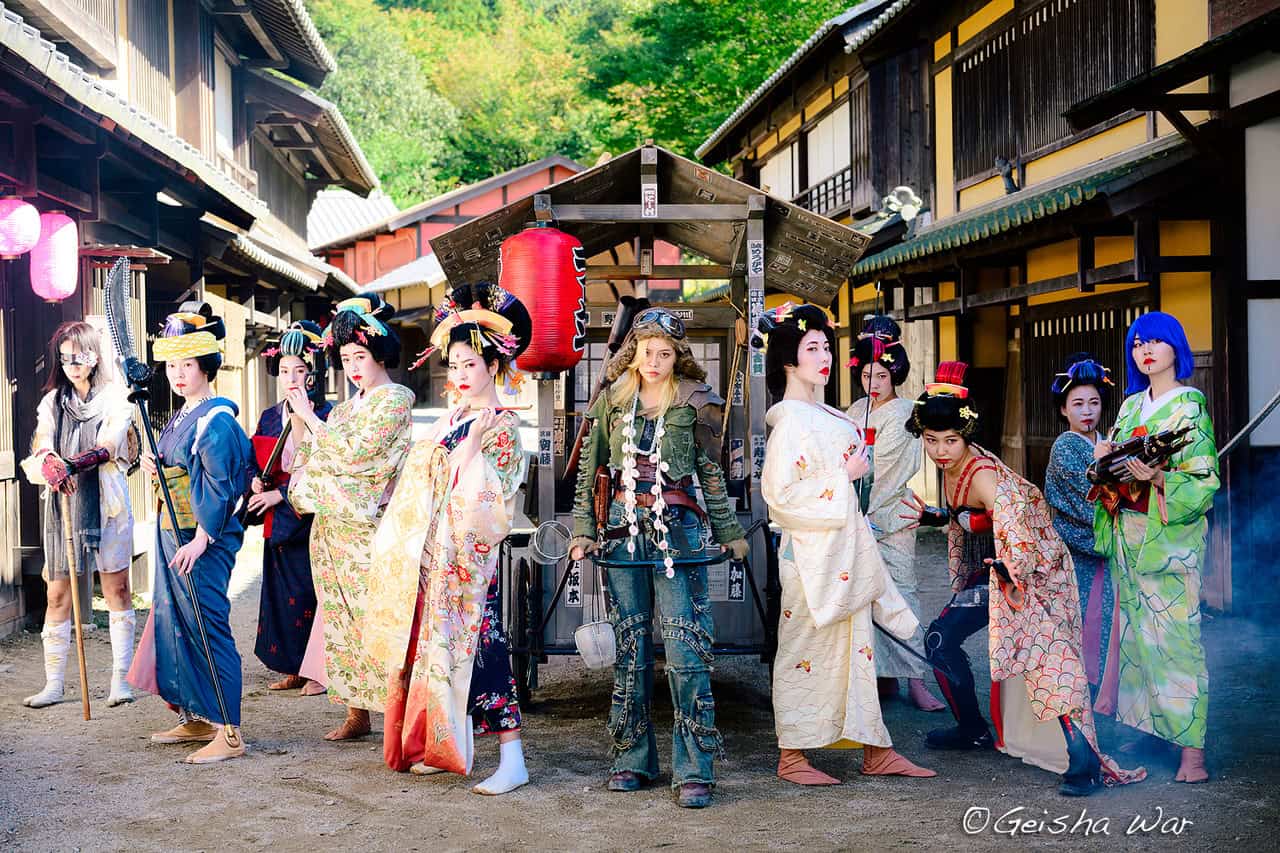
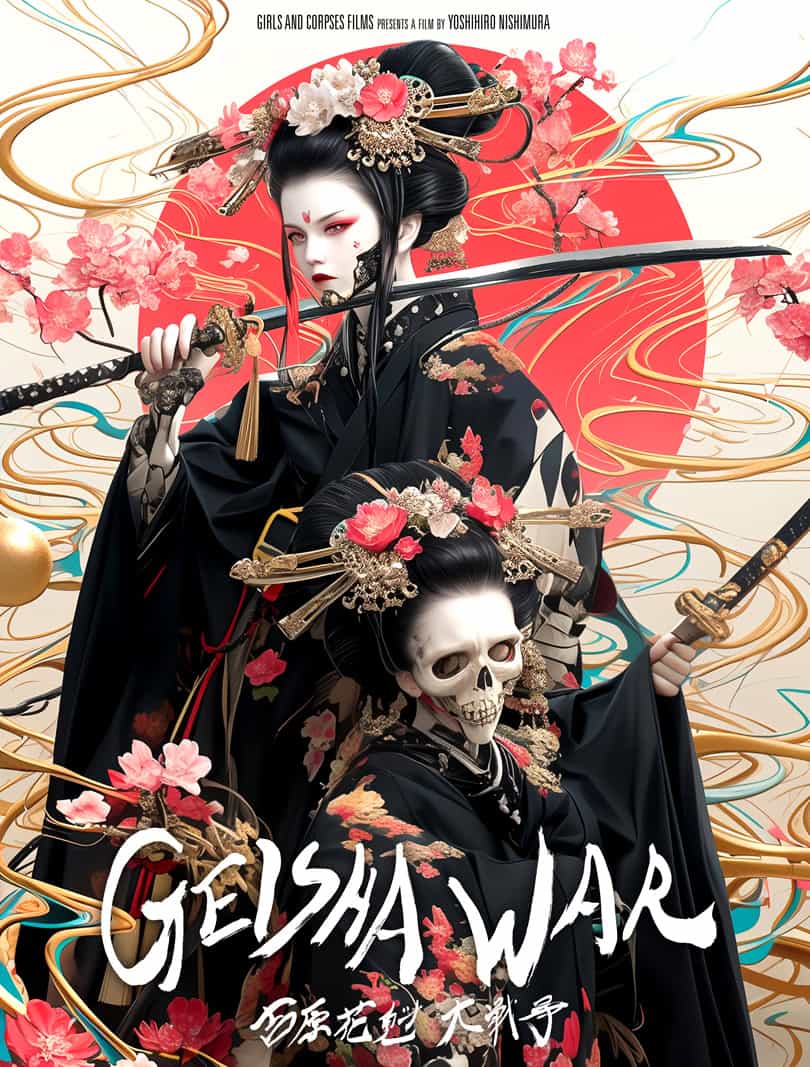
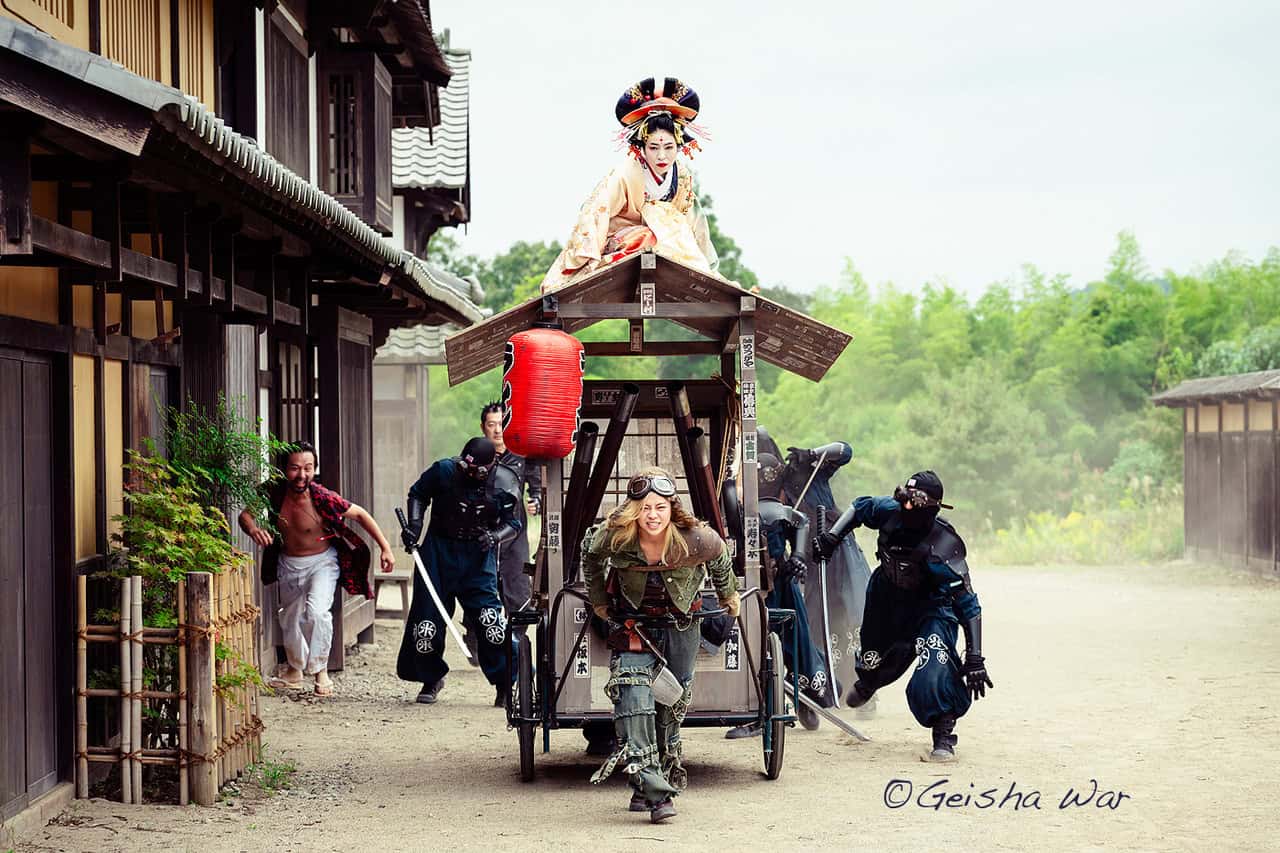
The proposed film was an ambitious blend of historical aesthetics and futuristic elements, set in Japan’s famed Yoshiwara district during the Edo period, but infused with modern and sci-fi flair. The narrative centered on an escalating conflict between geishas and the American Mafia, a premise that deeply excited Nishimura. He quickly embraced the idea of directing what would become his first American/Japanese co-production, signaling his interest in expanding his creative reach across international borders.
Financing and Creative Development
Following their initial conceptual discussions, Nishimura traveled to America to further develop "Geisha War" with Rhine. At this juncture, Robert Rhine had already established himself as a prolific independent film producer and financier. His production company had successfully brought numerous independent features to fruition, including two films he also penned: "Cynthia" (2018) and "Exorcism at 60,000 Feet" (2019). Since then, Rhine has amassed a portfolio of twenty-two independent movies, with his most recent, "Dead Janitors Club," slated for release on August 28 by Blue Fox Films. This extensive background in independent financing and production proved crucial for "Geisha War."
Initially, Rhine explored crowdfunding avenues, launching an Indiegogo campaign for the project in 2019. However, the campaign did not raise sufficient funds to meet the production budget. Undeterred by this setback, Rhine made the decision to self-finance "Geisha War," a testament to his belief in Nishimura’s vision and the project’s potential, mirroring his approach for previous successful ventures like "Cynthia" and "Exorcism at 60,000 Feet."
The screenplay for "Geisha War" underwent several revisions during its development. Robert Rhine brought in Daniel Benton, his writing partner from "Exorcism at 60,000 Feet," to pen the initial draft. Early iterations focused on a traditional rivalry between the Japanese Yakuza and the American Mafia for control over the Yoshiwara district, with each faction dominating opposite sides of the historic street. Nishimura, with his characteristic creative flair, simplified and refined the narrative, shifting the antagonist to an unscrupulous American millionaire businessman. This character, played by Robert Rhine himself, attempts to seize the Yoshiwara district from the geishas through a deceitful contract. This revised plot provided a clearer focus and allowed for Nishimura’s unique directorial style to fully blossom within the framework of an international thriller.
Casting and Production: A Master at Work
The casting for "Geisha War" reflected its dual cultural identity. To anchor the American contingent, Robert Rhine secured Costas Mandylor, an actor renowned for his roles in the "Saw" film franchise, to portray Carmine, the lead American character. Nishimura, in turn, meticulously cast the Japanese actors, assembling a talented ensemble. Yoshika Nishi, a frequent collaborator of Nishimura’s, was cast as Kika, a character name that held personal significance for the director, inspired by his own daughter. This blend of established international talent and Nishimura’s trusted creative partners underscored the film’s ambitious scope.
Pre-production for "Geisha War" spanned six intensive months, a period dedicated to meticulous planning and artistic preparation. Once the groundwork was laid, Robert Rhine and Costas Mandylor flew to Kyoto, Japan, where principal photography commenced at Hikone Studios. The entirety of the film was shot within these facilities, allowing for a controlled environment conducive to Nishimura’s specific artistic demands. Rhine adopted a hands-off approach during filming, recognizing Nishimura’s singular talent. "I wanted Yoshihiro to make the work he wanted to make, and I was smart enough to stay out of his way and let his art flow," Rhine stated, a testament to his respect for the director’s creative autonomy.
Witnessing Nishimura on set was, for Rhine, an awe-inspiring experience. The director personally oversaw every detail, from designing and creating elaborate costumes to orchestrating the intricate special effects—a hallmark of his filmmaking philosophy which prioritized practical, tangible effects over digital enhancements. Rhine recounted observing Nishimura meticulously paint blood onto an actor’s shirt to achieve the perfect visual effect, likening his precision to that of a surgeon. Nishimura worked with an unparalleled intensity, seemingly tireless, while his veteran crew operated with synchronized efficiency. His profound connection to the craft was palpable; he was "in his favorite element of filmmaking," and the atmosphere he fostered on set was one of infectious "joy." This dedication to craftsmanship and the collaborative spirit he inspired were central to his artistic process.
A Poignant Farewell and the Future of "Geisha War"
Yoshihiro Nishimura’s passing was preceded by a period of declining health. Robert Rhine had been aware of Nishimura’s ongoing concerns with his liver and recurring leg pain. Tragically, just days before he was rushed to the ICU, Nishimura and Rhine had been discussing minor changes to "Geisha War." Nishimura had initially planned to attend the Los Angeles screening of "Geisha War" on May 6 at The Garland Theater but was forced to cancel due to issues with flying. This cancellation, though disappointing at the time, proved to be a bittersweet blessing, as it ensured his final days were spent in Tokyo, surrounded by friends and family, rather than in a foreign hospital. The news of his death, received from one of his cast members after two weeks in the hospital, sent shockwaves through the film community and deeply affected his collaborators.
Despite the profound loss, the legacy of Yoshihiro Nishimura and his final cinematic endeavor, "Geisha War," is poised to endure. Robert Rhine is committed to realizing Nishimura’s complete vision, diligently implementing the director’s final notes and technical specifications for the film. These detailed instructions, provided by Nishimura shortly before his hospitalization, ensure that the final cut aligns precisely with his artistic intentions.
"Geisha War" is now entering the distribution phase, with Rhine actively meeting with distributors and submitting the film to major international festivals. The film has already garnered critical attention and appreciation, having screened once in Switzerland at the Plan 9 Film Festival, where it was met with a standing ovation—a powerful testament to Nishimura’s enduring appeal and the film’s quality. The last time Robert Rhine saw Yoshihiro Nishimura was during a Zoom call with the audience following the Los Angeles screening of "Geisha War." Nishimura appeared "healthy and happy," warmly greeting the audience who had enthusiastically received the film. The LA screening was a multi-faceted event, featuring a live concert by The Anti-Groupies, an American band whose four songs are prominently featured in "Geisha War," contributing to its unique cross-cultural vibe. Plans are also underway for a special screening of "Geisha War" in Japan, which will be followed by another live concert featuring The Anti-Groupies and a Japanese band, transforming the event into a celebratory tribute to Nishimura’s life and work.
Broader Impact and Enduring Legacy
Yoshihiro Nishimura’s death at 59 represents a significant loss not only for his immediate collaborators and dedicated fanbase but for the broader landscape of genre cinema. His relentless pursuit of practical effects in an era increasingly dominated by CGI, his unique blend of horror, action, and dark comedy, and his willingness to push creative boundaries have left an indelible mark. He was a torchbearer for independent, visionary filmmaking, demonstrating that artistic integrity and audacious imagination could thrive outside conventional studio systems.
His work, including "Geisha War," serves as a testament to the power of international collaboration in independent film, bridging cultural divides through shared artistic passion. The posthumous release of "Geisha War" will undoubtedly become a poignant event, allowing audiences to experience one of Nishimura’s final creative statements and a fitting capstone to a career defined by innovation and boundary-pushing artistry.
The outpouring of grief and tributes from across the globe underscores the profound impact Nishimura had on a generation of filmmakers and fans. His films, celebrated for their unique aesthetic and uncompromising vision, will continue to inspire and challenge viewers for years to come. Robert Rhine’s final words in his tribute resonate deeply with this sentiment: "We will miss you, Yoshi. But your movies, and ‘Geisha War,’ will live on. Rest in heaven, my Japanese friend." Yoshihiro Nishimura’s legacy is etched permanently into the annals of cult cinema, a testament to a filmmaker who dared to be different and, in doing so, created a body of work that is truly unforgettable.