Spider-Noir was never intended to be more than a fleeting experiment. Its origins lie in a niche series of "Noir" comics published by Marvel Comics between 2009 and 2010. This line reimagined classic Marvel characters, including Spider-Man, X-Men, Daredevil, Iron Man, Luke Cage, and the Punisher, through the lens of the Great Depression era. The series concluded its run, and the character of Spider-Noir seemed destined to fade into comic book history. However, fate, and a burgeoning multiverse, had other plans.
The Unlikely Rise of Spider-Noir
The character’s first significant resurgence came in 2014 with the ambitious "Spider-Verse" comic event. This storyline masterfully united every alternate version of Spider-Man ever conceived, alongside entirely new creations. Among the reunited web-slingers were familiar faces like Miles Morales, Spider-Ham, and Spider-Man 2099, and crucially, Spider-Noir. This event also introduced the now-iconic Spider-Gwen, further expanding the tapestry of the Spider-Verse.
The year 2018 proved to be a pivotal turning point for Spider-Noir. Marvel’s "Spider-Geddon" event, intended as a narrative mechanism to "cull the herd" of alternate Spider-People, tragically saw the demise of several characters, including Spider-Noir. Yet, fate intervened once more, this time through the silver screen. The animated masterpiece Spider-Man: Into the Spider-Verse featured a distinctively stylized, black-and-white animated iteration of Spider-Noir, voiced with captivating gravitas by Nicolas Cage. This version, often seen with a Rubik’s Cube, captivated audiences and reignited interest in the character.
Cage’s remarkable vocal performance played a significant role in this revival, breathing life into the 1930s-era Spider-Man. This renewed popular appeal led to the character’s resurrection in the comics through narrative means, with new miniseries released in 2020 and a further installment slated for 2025, demonstrating sustained fan engagement. The affection for Spider-Noir reached a crescendo with the announcement of his own television series, a project that lured Nicolas Cage back to television, a medium he had long expressed a desire to avoid, underscoring his deep personal connection to the character.
A Visual Feast: Color or Monochrome?
The newly released eight-episode season of Spider-Noir, available on Amazon Prime Video following a preview on MGM+, offers viewers a unique interactive experience: the choice between watching in classic black and white or vibrant color. While many fans embraced the monochrome option, aiming to replicate the authentic cinematic feel of the era, the color version presents a compelling alternative. The producers’ decision to render the early 1930s New York City in full color is a testament to historical accuracy and artistic vision. The degradation of early film stock, not the absence of color in the actual world, was the primary reason for the grainy, dark appearance of films from that period. The colorized Spider-Noir is described as visually striking and rich, offering a dynamic portrayal of its setting. This dual presentation caters to both purists and those seeking a more immersive, colorful experience, a thoughtful touch in an era often dominated by singular viewing formats.

Navigating the Shifting Sands of Sony’s Spider-Adjacent Universe
Sony Pictures has faced a challenging landscape with its live-action Spider-Man spin-off projects. While the Venom film trilogy achieved moderate success, other ventures such as Morbius, Madame Web, and Kraven the Hunter have been widely panned and commercially disappointing. The critical and commercial reception of Spider-Noir marks a significant breakthrough for Sony in this arena, signaling a potential shift in their approach to non-Spider-Man-centric Marvel properties. The series is being lauded as a successful fusion of genre homage and compelling superhero narrative, resonating particularly well with fans of both film noir and the broader Spider-Man mythos.
A Pulp Detective’s World: Themes and Characterization
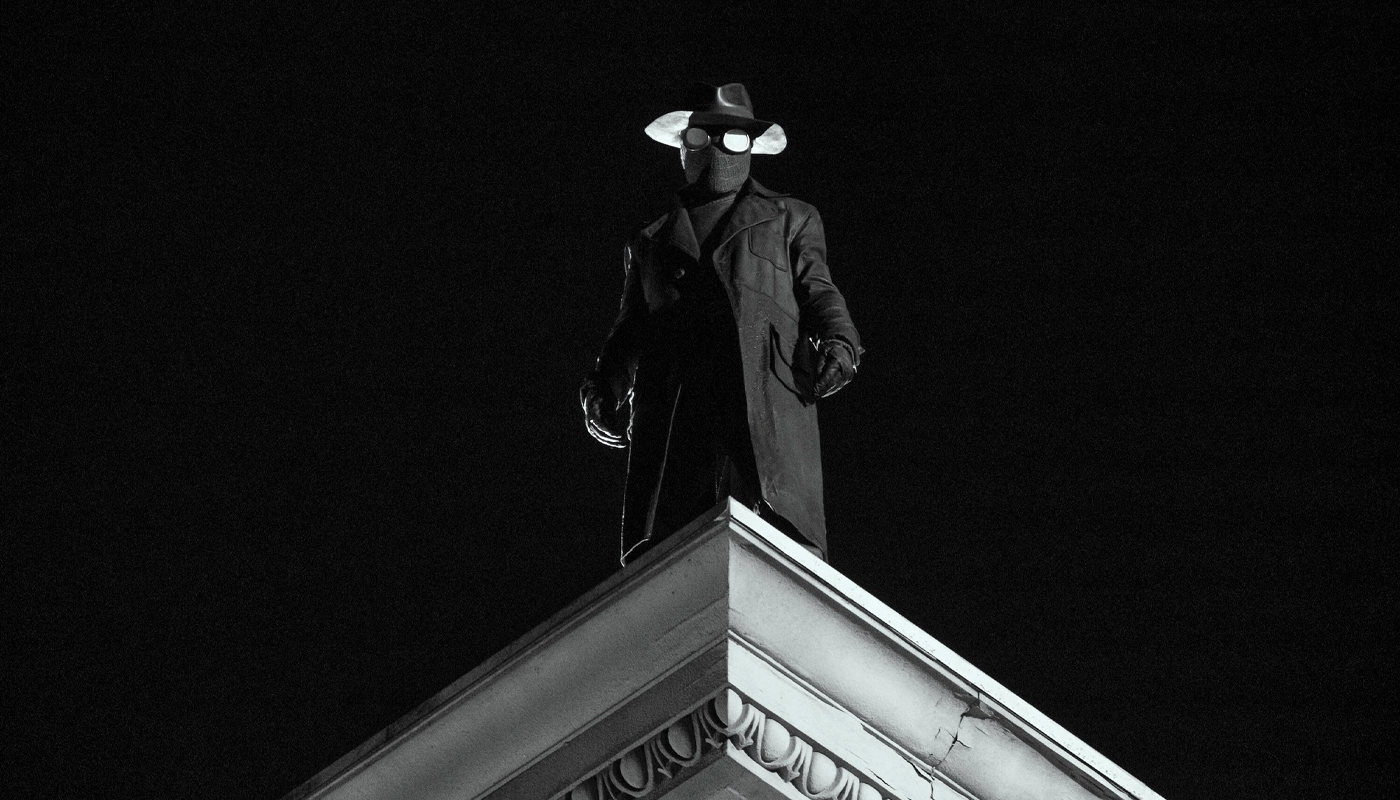
Unlike its comic book counterpart, which often directly mirrors the primary Spider-Man cast, the Spider-Noir television series opts for a more thematic connection. Only a handful of names will feel familiar to seasoned comic readers: Ben Reilly, Flint Marko, and Joe "Robbie" Robertson. The protagonist, Ben Reilly, adopts the mantle of "the Spider," a deliberate nod to the 1933 pulp character of the same name. This pulp hero, created as a rival to The Shadow, is widely considered one of the inspirations for Spider-Man, and the television series’ costume design pays homage to this original iteration.
The series leans heavily into the tropes of pulp fiction and film noir. Ben Reilly operates as a private investigator, surrounded by a cast that includes a long-suffering secretary, a loyal best friend, and the inevitable femme fatale who brings a perilous case to his doorstep. The narrative is steeped in corruption, mob bosses, intricate love triangles, and the gritty realities of smoking, drinking, fisticuffs, and gunplay, all punctuated by the character’s unique webbing abilities.
The series cleverly integrates the fact that its lead actor, Nicolas Cage, is not a young man. The narrative establishes Reilly as a World War I veteran, a detail that subtly aligns with Cage’s age. His return to heroism is prompted by the tragic death of the love of his life, a blonde named Ruby, for which he carries immense guilt. This deviation from the comic lore, where such a figure might be named Gwen Stacy, highlights the series’ commitment to forging its own path within the established character framework.
Furthermore, the show embraces the "weirdness" often associated with Nicolas Cage’s performances. The origin of the Spider’s powers, and those of the four super-powered antagonists encountered throughout the season, are rooted in genetic experiments conducted by the Germans on American prisoners of war during World War I. These experiments involved combining human and animal genetics. Reilly, having led the platoon that rescued these POWs, was bitten by an individual undergoing a spider-like transformation, thereby imbuing him with his arachnid abilities. This origin story provides a narrative justification for Reilly’s constant struggle to maintain human behavior over his spider-like instincts, a struggle he navigates by using classic cinema as a guide, emulating the speech patterns of actors like James Cagney and Humphrey Bogart, and exhibiting peculiar mannerisms and facial tics, allowing Cage to deliver a performance that is both unhinged and thematically justified.
A Rogues’ Gallery Emerges from the Ashes of War
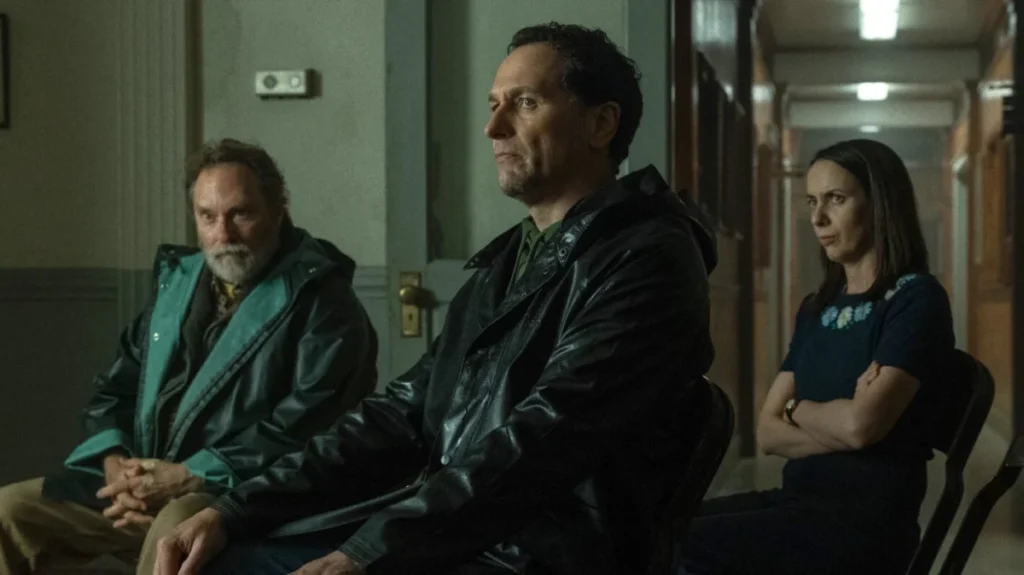
Four of the rescued POWs, now possessing extraordinary abilities, resurface in New York City and fall under the sway of Silvermane. Portrayed by Brendan Gleeson, Silvermane embodies the archetypal crime boss, delivering a performance described as a bravura turn, reminiscent of Sidney Greenstreet with an Irish brogue. While based on the comic character Silvio Manfredi, the series presents a distinct interpretation.

The first episode sees the demise of one of these POWs, Addison, who possessed the ability to generate flames. This confrontation serves as a catalyst for the season’s overarching plot. The other POWs include:
- Lonnie Lincoln (Abraham Popoola): Possessing super-strength and invulnerability, he appears to be a fusion of the Lizard and Tombstone.
- Dirk Leyden (Andrew Lewis Caldwell): Who harnesses electricity, embodying a blend of Electro and the Shocker.
- Flint Marko (Jack Huston): Who can transform into sand, directly referencing the classic Sandman character. Notably, he is the only one of the four to retain his comic counterpart’s name.
The Femme Fatale and Shifting Loyalties
A central element of the narrative is the inevitable love triangle involving Marko, Reilly, and the enigmatic femme fatale, Cat Hardy (Li Jun Li). Hardy, a lounge singer and a favorite of Silvermane’s, is presented as a riff on Felicia Hardy, the Black Cat from mainline Marvel comics. In the Spider-Man Noir comics, Felicia Hardy owned a nightclub named the Black Cat. Here, Cat Hardy is in love with Marko but finds herself drawn to Reilly. When she believes Marko has disappeared, she contemplates fleeing with Reilly, only to betray him by revealing his identity as the Spider to a scientist attempting to cure the POWs. Hardy’s deduction of Reilly’s secret identity is facilitated by her keen observation of his unique, spider-like body language, a trait expertly portrayed by both Cage and his stunt double.
Confronting the Era’s Shadows: Racism and Poverty
Beyond its pulp-noir sensibilities, Spider-Noir courageously confronts the harsh realities of the 1930s that were often glossed over in films of the era. The series directly addresses racism through Robbie Robertson (Lamorne Morris), a reporter who was unjustly fired from the Daily Bugle due to his race. His attempts to regain employment are met with prejudice, and even upon rehiring, he is relegated to a subpar desk, facing disdain from his all-white colleagues. The dialogue between Marko and Lincoln further underscores this theme, with Lincoln expressing his exhaustion from being beholden to powerful white men, highlighting his lifelong experience as an outsider, even after being publicly branded a monster as the Sandman.
The crippling poverty of the Great Depression is also vividly depicted, with scenes set in "Hoovervilles" and illustrating the widespread struggle for survival during the nation’s most severe economic crisis. The criminal empire flourishing under Prohibition, with bootleg liquor serving as Silvermane’s primary source of power and income, is another significant thematic element.
A Character-Driven Core: The Office Dynamic
A standout aspect of the series is the palpable relationship between Reilly, Robertson, and Reilly’s secretary, Janet Ruiz (Karen Rodriguez). Rodriguez delivers a performance that is both charming and spirited, portraying Ruiz as the indispensable linchpin of Reilly’s office and, often, Reilly himself. She is depicted as sassy, intelligent, compassionate, and remarkably competent, making her a fan favorite. Her character, a plus-sized Latina, represents a demographic rarely seen in pulp and noir narratives, yet accurately reflects the diverse tapestry of New York City.
The dialogue among these three characters is exceptionally sharp and naturalistic, evoking the camaraderie of lifelong friends who possess both deep affection and little patience for each other’s eccentricities. A particularly memorable moment captures this dynamic: when Reilly returns to the office after an absence, only to find Robertson and Ruiz with urgent revelations, he exclaims, "What are we waiting for?" as he grabs his coat. Robertson’s retort, "You, asshole, we were waiting for you!" perfectly encapsulates their bond and shared purpose.

Narrative Inconsistencies and Historical Nuances
Despite its many strengths, Spider-Noir is not without its flaws. One minor inconsistency arises with Mayor Morris’s (Michael Kostroff) campaign promise to repeal Prohibition, a federal law that a city official could not influence. The narrative also leaves his opponent, Hudson, largely undeveloped, despite Silvermane’s backing. The deep connection between Reilly and the POWs, while crucial to the plot, strains credulity regarding Reilly’s delayed realization of the full implications. Marko’s allegiances fluctuate in ways that seem more driven by plot necessity than character consistency, particularly during the climactic street fight in the finale, where his motivation for attacking the Spider is unclear.
Furthermore, the series exhibits some anachronisms. Reilly’s explanation for his involuntary spider-like movements, claiming he is practicing tai chi, is historically inaccurate, as this martial art was not introduced to the United States until 1939, several years after the presumed setting of the series (between 1929 and 1933). Additionally, the level of genetic study described, particularly concerning its application during World War I, surpasses the scientific understanding and terminology of that era.
A Hero’s Resolve in a World of Adversity
Despite these minor narrative and historical quibbles, Spider-Noir is a remarkably strong series. While it may not delve as deeply into its comic book origins as some might expect, the storyline effectively captures a fundamental truth of any Spider-Man narrative: he is a hero, even when he resists the role, questions his abilities, or faces overwhelming adversity. The series portrays Reilly as someone who has endured significant hardship – the equivalent of the "Parker luck" – yet consistently rises to the occasion when it matters most.
The eight-episode season is praised for its tight pacing and lack of filler. Unlike many contemporary superhero shows that suffer from a lull in the middle, Spider-Noir maintains momentum throughout, delivering a cohesive and engaging narrative arc.
For the first time, a live-action Sony Spider-adjacent project has earned unreserved praise, and it arrives as a welcome and overdue addition to the genre. Spider-Noir stands as a testament to the enduring appeal of well-crafted storytelling, proving that even characters born from humble origins can achieve remarkable success when given the right creative vision and dedicated execution.