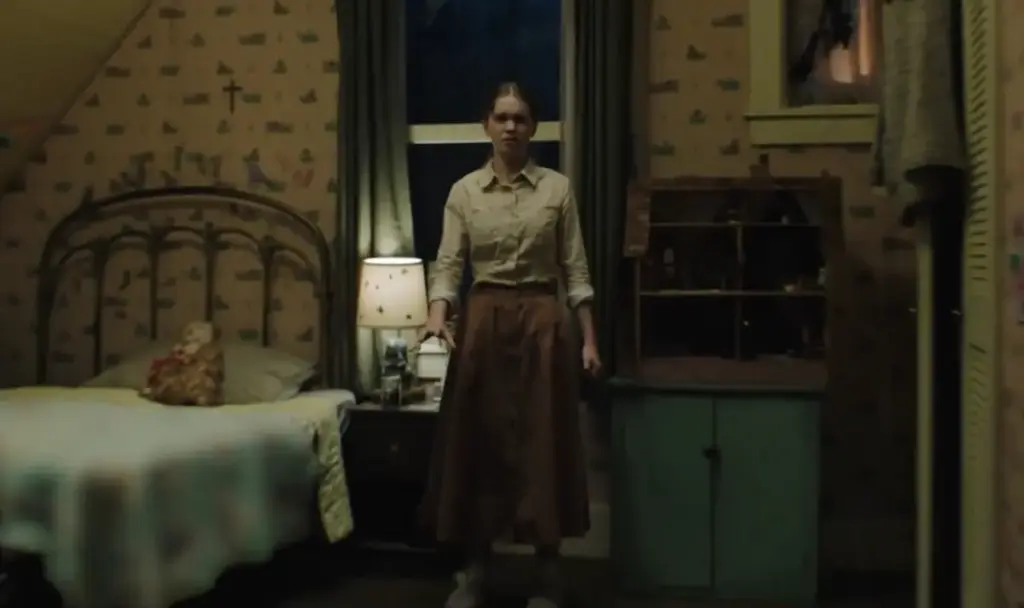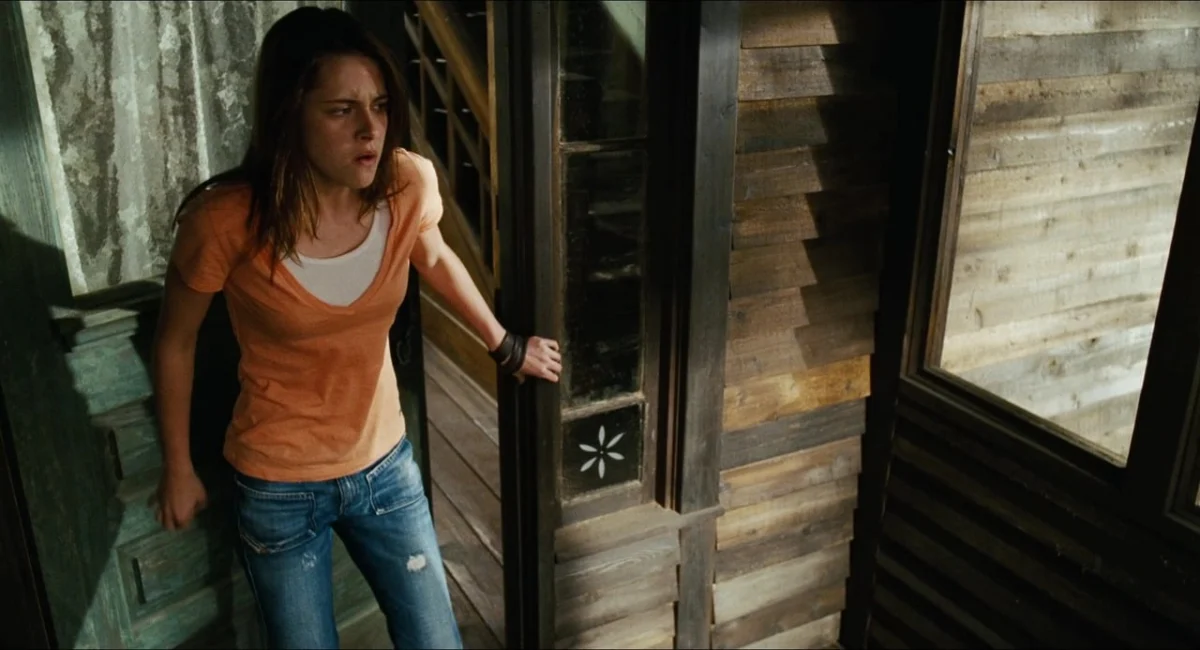
In the landscape of early 2000s horror, a genre often characterized by its reliance on remakes and a surge in "torture porn" subgenres, The Messengers emerged in 2007, attempting to carve its own niche. Directed by the Pang Brothers (Danny and Oxide Pang), known for their work on The Eye, and executive produced by horror maestro Sam Raimi, the film boasted a promising pedigree. Starring a young Kristen Stewart, alongside John Corbett, Dylan McDermott, and a pre-Schitt’s Creek Dustin Milligan, the supernatural thriller aimed to deliver chills from its remote North Dakota setting. This retrospective delves into the film’s narrative, its production context, and the reasons behind its relative obscurity, exploring whether it was a victim of its time or a missed opportunity for greater impact.
The premise of The Messengers centers on the Solomon family – Roy (McDermott), Denise (Penelope Ann Miller), teenage daughter Jess (Stewart), and young son Ben (Evan and Theodore Turner) – who relocate to a secluded North Dakota farmhouse with aspirations of establishing a sunflower farm. The move is intended as a fresh start, a chance to escape a past trauma. However, the isolated property is far from welcoming, as an unseen malevolent force begins to torment the family, preying on their existing vulnerabilities. The film’s narrative unfolds against the backdrop of a previous tragedy, where the former residents of the farmhouse met a brutal end, hinting at a lingering darkness that has yet to be appeased.
A Star’s Early Promise: Kristen Stewart’s Performance
At the time of The Messengers‘ release, Kristen Stewart was on the cusp of global superstardom, having already garnered critical attention for her role in David Fincher’s 2002 thriller Panic Room. While Panic Room showcased her nascent talent in a more contained, suspenseful environment, The Messengers presented Stewart with an opportunity to embody a more complex, emotionally charged character. As Jess Solomon, Stewart portrays a teenager grappling with the emotional fallout of a significant family upheaval. Her performance is marked by a palpable sense of adolescent angst and a guarded demeanor, as she navigates the challenges of a new environment while trying to maintain a semblance of normalcy for her younger brother.
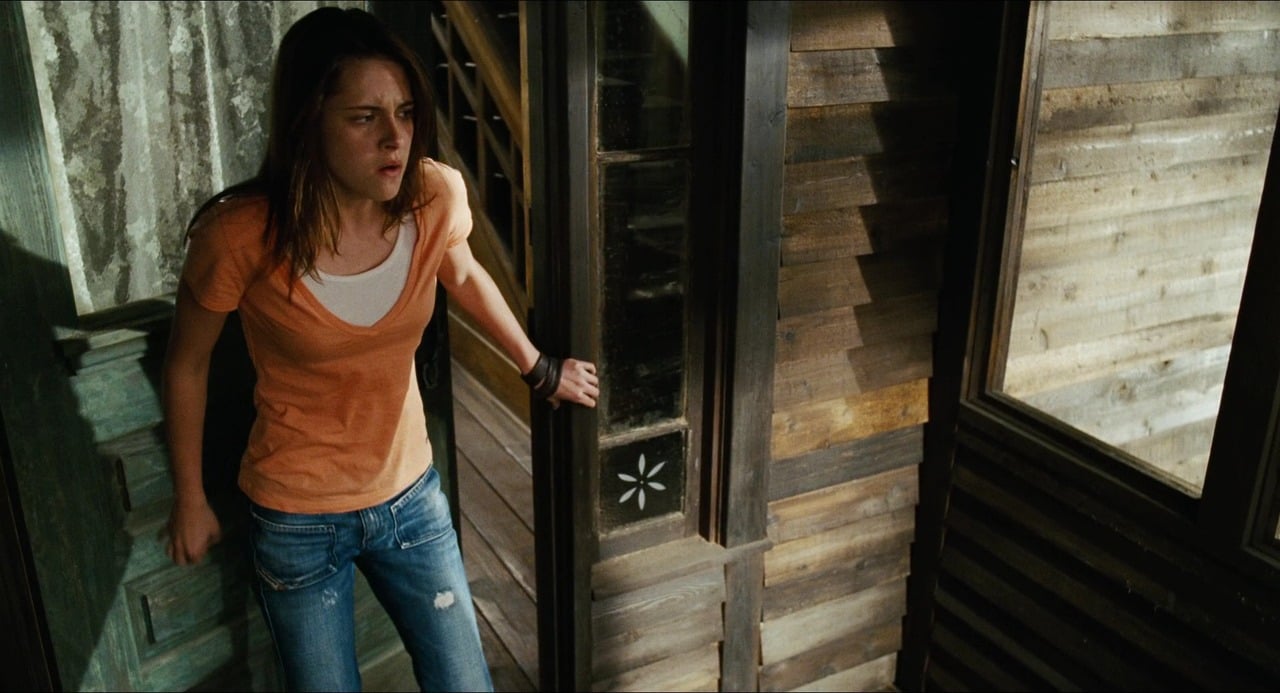
Stewart’s portrayal of Jess is often cited as a standout element of the film. She imbues the character with a depth that transcends the typical portrayal of a troubled teen. Jess’s skepticism towards the supernatural occurrences, her protective instincts towards her mute younger brother, and her underlying vulnerability all contribute to a relatable and compelling character arc. This performance, even within a film that ultimately failed to achieve widespread recognition, served as an early indicator of Stewart’s potential to carry a film and deliver nuanced performances in demanding roles. Her ability to convey internal turmoil and outward resilience, even in the face of supernatural threats, foreshadowed the powerful dramatic performances she would later deliver.
Production and Development: From The Scarecrow to The Messengers
The genesis of The Messengers reveals a more complex development path than initially apparent. The film’s foundation was originally laid by screenwriter Todd Farmer, whose script, titled The Scarecrow, presented a significantly different narrative. Farmer’s original concept was intended as a psychological thriller focusing on a family struggling with financial hardship on their farm. The plot revolved around the father’s desperate attempt to protect his crops with a scarecrow, leading to a series of mysterious deaths. The twist in Farmer’s script was that the father himself was revealed to be the perpetrator, driven by desperation.
This original script, The Scarecrow, reportedly explored themes of desperation, moral compromise, and the psychological toll of financial ruin. The shift from this psychological thriller to a supernatural horror film, The Messengers, involved substantial rewrites and alterations to the core narrative. The decision to transform the story into a haunted farmhouse tale, incorporating elements of ghostly apparitions and demonic possession, marked a departure from the grounded psychological terror that Farmer had envisioned. This transition raises questions about the creative decisions made during the film’s development and whether the original, potentially more compelling, narrative was sacrificed for a more conventional horror approach. The existence of a prequel, Messengers 2: The Scarecrow, which seemingly revisits Farmer’s original concept, further underscores this divergence.
The Pang Brothers’ Direction and Sam Raimi’s Influence
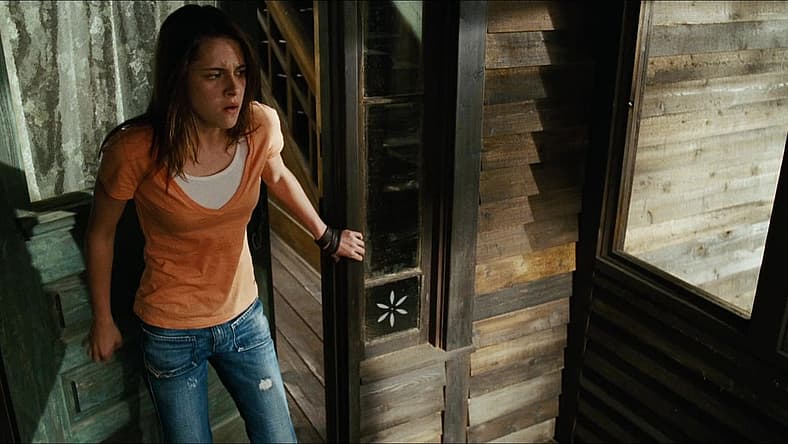
The involvement of the Pang Brothers brought their distinct visual style and experience in crafting atmospheric horror to the project. Their work on The Eye demonstrated a proficiency in building suspense and unsettling imagery. In The Messengers, they aimed to create a sense of pervasive dread within the isolated farmhouse setting. The film opens with a stark and brutal sequence depicting the violent demise of the previous inhabitants, immediately establishing a tone of danger and foreshadowing the horrors to come. This cold open, noted by critics and viewers alike, was an effective way to jolt the audience and set a high stakes for the narrative.
The executive production of Sam Raimi, a titan of the horror genre, also lent a certain weight to the project. Raimi’s signature blend of horror and dark humor, evident in films like The Evil Dead series, might have been an anticipated element by some viewers. However, The Messengers largely eschews overt comedic elements, focusing instead on a more traditional, albeit sometimes languid, approach to supernatural horror. The film’s marketing, which appeared in teen magazines like CosmoGirl, further positioned it as a more accessible horror offering, potentially alienating a segment of the hardcore horror audience while aiming to attract a younger demographic.
The "Good," The "Bad," and The Unseen Specter
Upon re-examination, The Messengers presents a mixed bag of effective moments and significant shortcomings. The film’s strengths lie in its initial setup and Stewart’s performance. The aforementioned cold open is undeniably impactful, effectively establishing the film’s willingness to delve into disturbing territory, even with a PG-13 rating. The gradual reveal of the Solomon family’s past trauma, woven throughout the narrative, adds a layer of emotional resonance. Jess’s character, as portrayed by Stewart, serves as an anchor for the audience, her skepticism and underlying protective nature making her a sympathetic protagonist.
However, the film falters in its pacing and the execution of its scares. Despite the promising opening, The Messengers struggles to maintain momentum, often succumbing to a slow burn that, in this case, borders on tedious. The paranormal activity, while present, lacks the urgency and impact to truly terrify. Even when supernatural events occur, the characters’ reactions, or lack thereof, often undermine the intended suspense. For instance, young Ben’s apparent delight in witnessing unsettling phenomena, rather than fear, creates a disconnect that dilutes the horror. This lack of consistent threat and character reaction contributes to the film feeling "boring" for some viewers, a sentiment echoed in retrospective reviews.

The film’s climax and its central mystery also fall short of expectations. The twist, while present, is often described as unsatisfying, failing to deliver the cathartic punch of a well-executed supernatural reveal. Compared to contemporary horror films that effectively utilized similar premises, such as The Conjuring, The Messengers appears to play it too safe, failing to escalate the terror to a truly memorable level. The reliance on familiar tropes within the haunted house subgenre, without offering significant new insights or innovative scares, further contributes to its lack of lasting impact.
The 2007 Horror Landscape and The Messengers‘ Place Within It
The year 2007 was a dynamic period for the horror genre. While films like Paranormal Activity were beginning to redefine found-footage horror, the industry was still heavily influenced by the trends of the preceding years. The remake craze continued, and subgenres like "torture porn" (e.g., Saw franchise, Hostel) remained popular. The Messengers, with its PG-13 rating and focus on a supernatural haunting rather than explicit gore, occupied a more traditional space.
However, this positioning also meant it had to contend with a crowded market. Films like The Conjuring, released several years later in 2013, managed to tap into a similar aesthetic of haunted house terror but with a more refined approach to scares and character development, leading to greater commercial and critical success. The Messengers‘ perceived lack of originality, combined with its uneven pacing and less impactful scares, likely contributed to its inability to stand out in this competitive environment. The film’s marketing, while broad, may not have effectively communicated its specific brand of horror, leading to a disconnect with potential audiences.
The Verdict: A Nostalgic Echo in a Crowded Genre

The Messengers remains a curious artifact of early 2000s horror. While it features a compelling performance from Kristen Stewart and a promising directorial effort from the Pang Brothers, its narrative shortcomings, particularly in pacing and the effectiveness of its scares, prevent it from achieving cult status or widespread recognition. The film’s potential was arguably hampered by its deviation from a more compelling original script and its adherence to established genre conventions without offering significant innovation.
For those seeking a trip down memory lane to experience a film representative of the 2007 horror landscape, The Messengers might offer a degree of nostalgic value, especially given its availability on streaming platforms like Tubi. However, its inability to leave a lasting impression suggests that it was a film that, while present, ultimately failed to resonate with audiences or leave an indelible mark on the horror genre. The question of whether a different script or a more aggressive directorial approach could have elevated the film remains a subject of speculation, but as it stands, The Messengers serves as a reminder of the many films that, despite their potential, fade into relative obscurity within the ever-evolving world of cinema. The legacy of the film, for many, is now intertwined with the burgeoning career of Kristen Stewart, a testament to her early promise rather than the film’s intrinsic merits.