The curtain has officially fallen on one of the most culturally significant and polarizing television dramas of the last decade. Following the broadcast of the Season 3 finale, Home Box Office (HBO) and series creator Sam Levinson have confirmed that the saga of Rue Bennett and the residents of East Highland has reached its definitive conclusion. Despite years of intense speculation regarding a potential fourth installment, the narrative choices made in the final episodes of Season 3, combined with official statements from the network and creative team, indicate that the series has concluded its run. The decision brings an end to a production that served as a defining pillar of modern prestige television while navigating a gauntlet of production delays, real-world tragedies, and shifting creative directions.
The Definitive Conclusion of the Rue Bennett Narrative
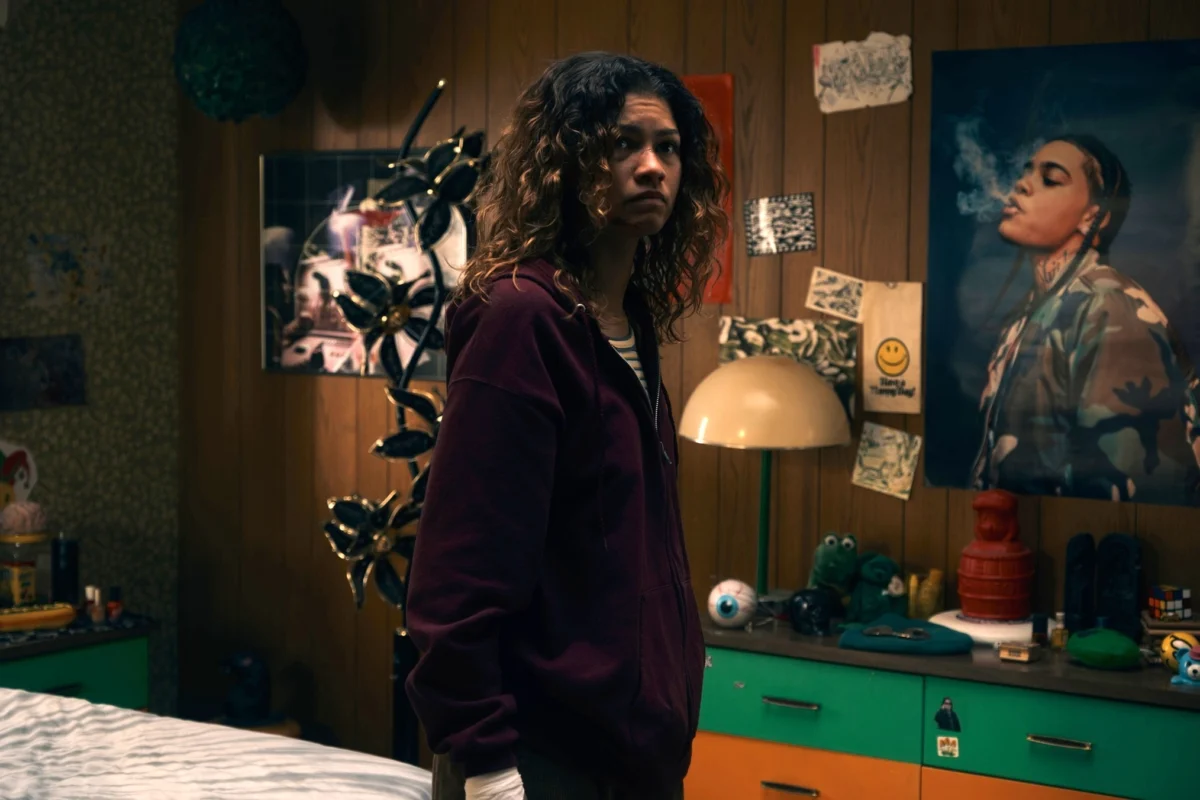
The primary factor behind the series’ conclusion lies in the terminal nature of its protagonist’s journey. In a move that shocked the dedicated fanbase, the Season 3 finale depicted the death of Rue Bennett, played by two-time Emmy winner Zendaya, following a final, fatal overdose. As the emotional and narrative anchor of the series, Rue’s perspective provided the framework for the show’s exploration of trauma, dependency, and the fleeting nature of adolescent hope. Without Rue’s internal monologue and central struggle, the creative team determined that the series lacked its necessary focal point.
In addition to Rue’s passing, the narrative landscape of East Highland was fundamentally dismantled in the closing hours of the third season. The penultimate episode saw the death of Nate Jacobs, portrayed by Jacob Elordi, a character who served as the primary antagonist and a source of much of the show’s interpersonal conflict. The removal of these two central figures—the protagonist and the "villain"—left the series with few logical paths forward. While characters such as Jules Vaughn (Hunter Schafer), Maddy Perez (Alexa Demie), and Cassie Howard (Sydney Sweeney) remained alive, their individual arcs were largely resolved through a series of vignettes that acted as an epilogue to their high school and post-high school transitions.
Official Statements and Creative Direction
Following the airing of the finale, Sam Levinson addressed the future of the franchise during an appearance on The New York Times’ Popcast. Levinson, who wrote and directed the vast majority of the series, expressed a sense of completion regarding the themes he intended to explore. He stated that the story he set out to tell was fundamentally about addiction and its ultimate consequences, and that the events of Season 3 felt like the natural end of that exploration. This sentiment was subsequently echoed by HBO leadership, who officially confirmed that Season 3 would serve as the series finale.

The network’s confirmation puts to rest years of rumors regarding a potential time-jump that would have seen the characters in their mid-twenties. While early development for Season 3 reportedly considered various iterations of a future-set Season 4, the logistical challenges of coordinating the schedules of its now A-list cast, combined with the thematic gravity of the Season 3 scripts, led to the decision to wrap the project. HBO’s programming strategy appears to be shifting toward new intellectual properties and established franchises like House of the Dragon and The Last of Us, making the conclusion of the expensive and production-heavy Euphoria a strategic pivot for the cabler.
A Chronology of a Cultural Phenomenon
To understand the weight of Euphoria’s conclusion, one must look at the timeline of its production and its meteoric rise within the zeitgeist.
- June 2019: Euphoria premieres on HBO, based on an Israeli miniseries of the same name. It immediately garners attention for its unflinching depiction of teenage drug use, sexuality, and mental health, as well as its distinctive visual style.
- September 2020: Zendaya makes history as the youngest winner of the Primetime Emmy Award for Outstanding Lead Actress in a Drama Series.
- January 2022: Season 2 premieres after significant pandemic-related delays. It becomes a social media juggernaut, with viewership numbers second only to Game of Thrones in HBO history.
- July 2023: The production faces a significant loss with the passing of Angus Cloud, who portrayed the beloved character Fezco. His death necessitated major script revisions for the upcoming third season.
- 2024–2025: Production on Season 3 is hampered by the dual WGA and SAG-AFTRA strikes, as well as the skyrocketing film careers of its lead actors.
- 2026: Season 3 finally airs, concluding with the deaths of several major characters and the official announcement that no further seasons will be produced.
The Impact of Real-World Loss and Production Hurdles
The path to the Season 3 finale was fraught with challenges that arguably influenced the decision to end the series. The untimely death of Angus Cloud in 2023 left a void that the show struggled to fill. Fezco was a moral compass in a world of moral ambiguity, and his absence was felt heavily in the final season’s pacing. Furthermore, the death of Eric Dane, who played the complex Cal Jacobs, earlier in 2026 (within the context of the show’s production cycle) removed another pillar of the series’ veteran cast.
Beyond the loss of cast members, the show faced the "Stranger Things" dilemma: the aging of its youthful cast. By the time Season 3 was in production, the actors—many of whom were in their late twenties—could no longer convincingly play high school students. The creative team was forced to choose between a jarring time jump or concluding the story while the characters were still tethered to their formative years. Ultimately, they chose the latter, opting for a definitive, if tragic, ending over a protracted continuation.
Viewership Data and Market Influence
Despite its controversies, Euphoria was an undeniable commercial success for HBO and its streaming counterpart, Max. According to internal data and Nielsen ratings, Season 2 averaged over 16 million viewers per episode across all platforms. The show’s influence extended far beyond television ratings; it sparked global trends in fashion and makeup, often referred to as "The Euphoria Effect."

However, the high cost of production—driven by Levinson’s cinematic approach, which often involved shooting on 35mm film and elaborate set pieces—meant that the show required massive viewership to remain viable. As the cast’s salaries increased alongside their fame, the budgetary requirements for a potential Season 4 would have been astronomical. From a business perspective, ending the show at its narrative peak allowed HBO to preserve the brand’s prestige without risking the diminishing returns often associated with aging dramas.
The Legacy of East Highland
As the dust settles on the series, the implications of Euphoria’s run are being analyzed by media critics and industry insiders alike. The show is credited with ushering in a new era of "teen" drama that treats adolescent problems with the gravity of adult tragedies. It also served as a powerhouse talent incubator. Zendaya transitioned from a child star to a powerhouse producer and Academy Award contender; Sydney Sweeney and Jacob Elordi became some of the most sought-after names in Hollywood; and Hunter Schafer emerged as a significant voice in both acting and activism.
The decision not to move forward with Season 4 ensures that Euphoria remains a time capsule of a specific era of television—one defined by visual maximalism and raw, often uncomfortable, emotional honesty. While fans may clamor for spin-offs or "where are they now" specials, the creative team has made it clear that the story of East Highland is closed.
Final Reflections on the Series’ Future
While Season 4 is officially off the table, the world of Euphoria will likely continue to exist through its soundtracks, its fashion legacy, and the careers of its breakout stars. The finality of the Season 3 finale serves as a reminder of the show’s core message: that the intensity of youth is often unsustainable and that the consequences of addiction are frequently final.
For viewers who followed Rue’s journey from her first stint in rehab to her final moments, the lack of a Season 4 may be disappointing, but it is narratively consistent. The series began with a girl trying to find her place in a world that felt too loud and too painful; it ended when that world finally went quiet. HBO Max continues to stream all three seasons, providing a permanent home for a series that, for better or worse, changed the landscape of modern television.