Hollywood’s traditional gatekeepers are undeniably facing a significant paradigm shift as the pipeline from YouTube content creator to acclaimed filmmaker continues to expand its growing list of unprecedented success stories, challenging established norms and prompting a re-evaluation of how talent is discovered and nurtured in the entertainment industry. The recent box office triumphs of films like A24’s Backrooms and Focus Features’ Obsession serve as compelling evidence of this evolving landscape, signaling a potent new force in cinematic production.
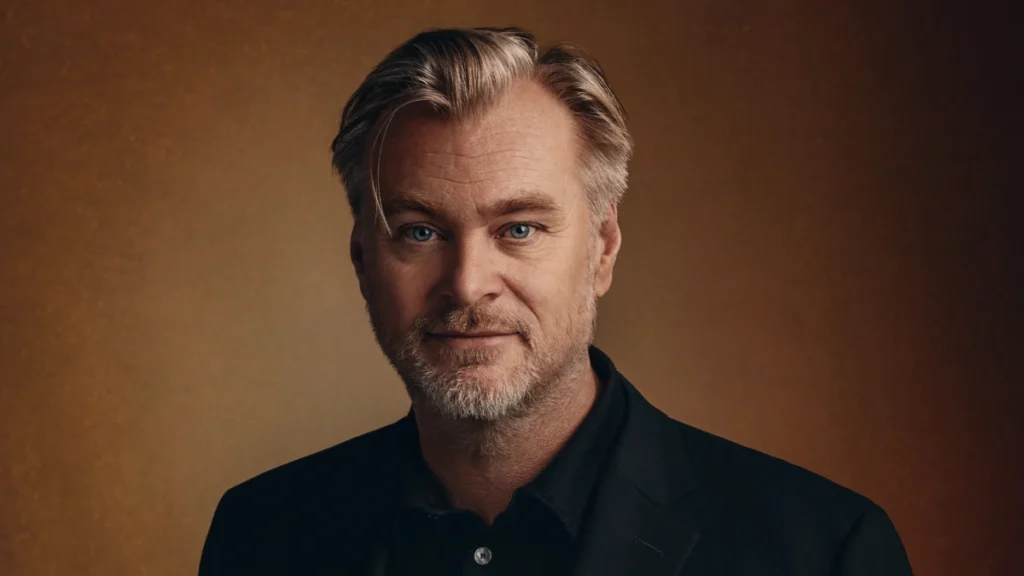
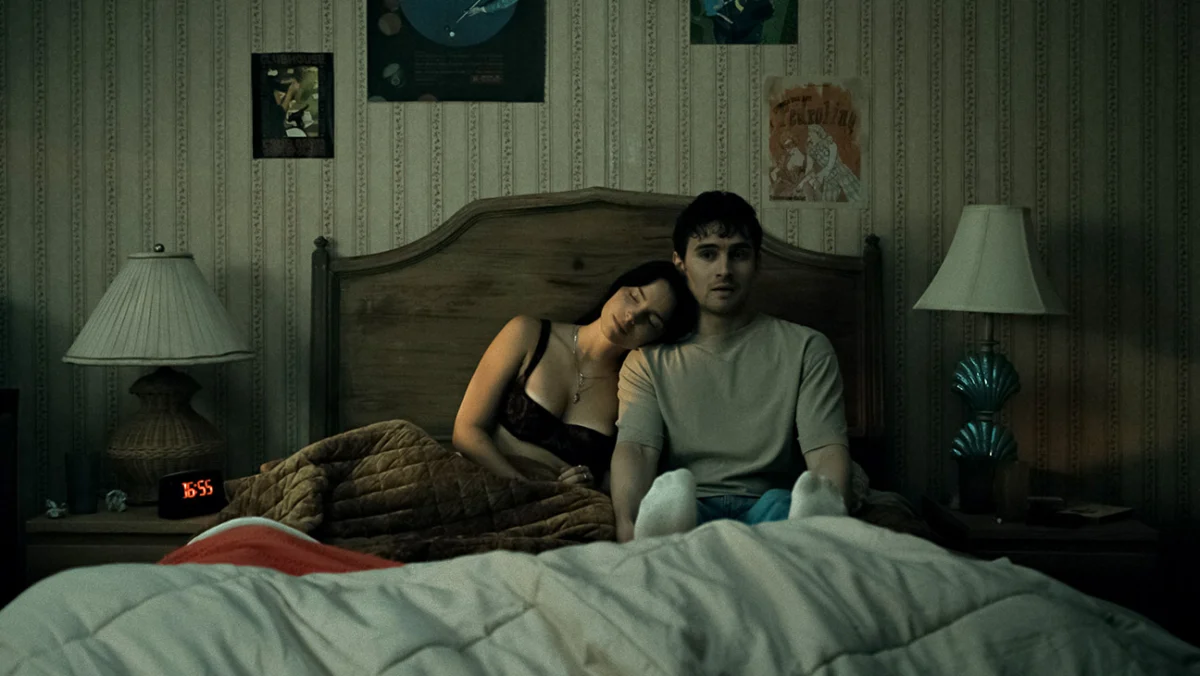
The phenomenon reached a new zenith with A24’s horror film Backrooms, which dramatically surpassed expectations by grossing over $81 million during its opening weekend, marking the studio’s biggest opening frame ever. This remarkable achievement propelled 20-year-old filmmaker Kane Parsons into the history books as the youngest director to ever helm a domestic box office topper. Parsons’ project, a feature-length adaptation of his viral YouTube series centered on an infinite, unsettling maze of yellowed rooms, quickly ignited widespread discussion about content creators as legitimate new voices in filmmaking. This narrative was further bolstered by the concurrent success of 26-year-old director Curry Barker’s Obsession, a horror project released by Focus Features on May 15, which notched historic weekend-over-weekend gains, demonstrating a sustained audience interest beyond initial release.
The Genesis of a New Generation: From Viral Videos to Cinematic Vision
The journey of these young directors from internet phenomena to mainstream cinematic success is not an overnight sensation but rather the culmination of years spent honing their craft in the dynamic, often unforgiving, environment of online content creation. Kane Parsons, for instance, gained immense notoriety through his "Backrooms" series on YouTube, which began as a short, atmospheric horror video exploring the concept of liminal spaces – unsettlingly familiar yet empty locations. His meticulous attention to detail, innovative use of visual effects, and ability to evoke a palpable sense of dread with minimal resources resonated deeply with millions of viewers, quickly cultivating a dedicated fanbase. This organic growth and direct engagement with an audience provided a fertile ground for developing a larger narrative, ultimately attracting the attention of A24, a studio known for its discerning taste in original and genre-bending horror. The studio recognized the inherent potential of Parsons’ unique vision and the pre-existing, fervent community eager to experience his creation on the big screen.
Similarly, Curry Barker’s trajectory, while perhaps less globally viral in its initial stages, followed a parallel path of building a distinct creative voice through online platforms. His early short films and experimental projects demonstrated a keen understanding of genre conventions and storytelling techniques, allowing him to forge a stylistic identity that appealed to a niche but growing audience. The success of Obsession underscores the increasing willingness of traditional studios like Focus Features to invest in talents whose résumés might look unconventional by previous Hollywood standards but whose artistic merit and audience connection are undeniable.
Addressing the Skepticism: Ghost-Directing Rumors and Industry Resistance
Despite the clear box office performance and critical acclaim, the rapid rise of these young, internet-native filmmakers was met with a degree of skepticism within certain corners of the industry and among social media users. Unfounded speculation began to circulate, suggesting that more established Hollywood names were quietly "ghost-directing" behind the scenes, effectively undermining the autonomy and talent of Parsons and Barker. Specifically, conspiracies mounted around the idea that figures like Osgood Perkins or other seasoned Backrooms producers might have covertly taken the reins from Parsons, given his age and unconventional background.
These rumors, however, were swiftly and unequivocally dismissed by those directly involved. Mark Duplass, a co-star in Backrooms and a veteran independent filmmaker himself, publicly asserted on social media that “Kane was 100% in control,” vehemently defending the young director’s creative authority. Even Parsons, demonstrating a blend of maturity and humor, took to platforms like Reddit to poke fun at such notions, highlighting the absurdity of the claims.
This resistance and skepticism are not new phenomena, as David R. Craig, an Emmy-nominated producer and author of Creator Culture, elucidates. Craig, in an interview with The Hollywood Reporter, characterizes these rumors as a “classic, classist critique by people who paid their dues a different way, and they naturally look down on people who go around that system.” He draws historical parallels, noting how filmmakers emerging from the music video space in the 1980s (many of whom had advertising backgrounds) were initially disparaged before becoming hugely successful, much like those who later transitioned from cable television. Even further back, talent transitioning from radio serials to television faced similar prejudices. This pattern, Craig suggests, is a chronic contempt for the next wave of cultural production, a reluctance to acknowledge new pathways to legitimacy and success.
The Markiplier Precedent: Self-Distribution and Breaking the Stigma
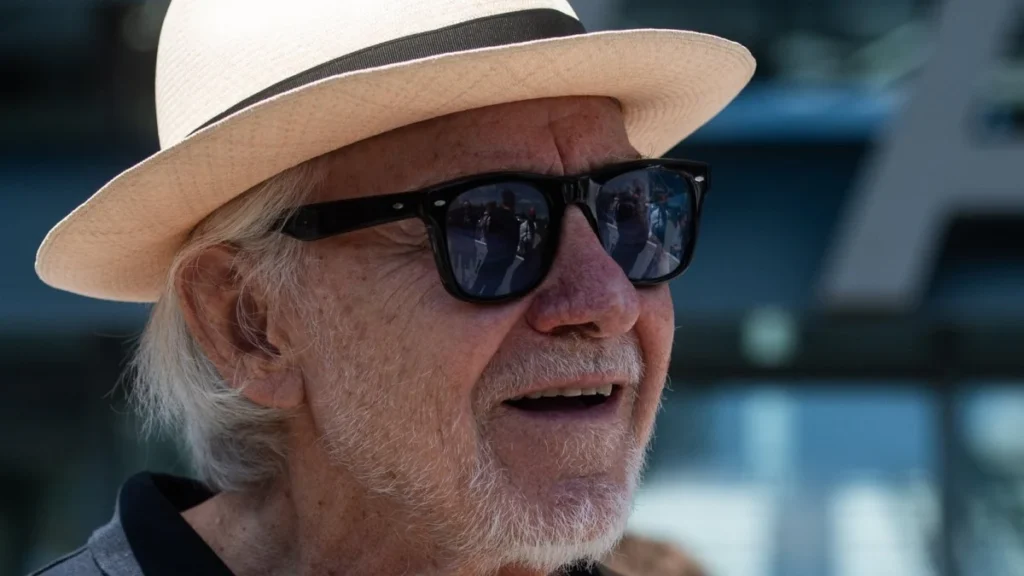
The groundwork for this current wave of creator-led cinematic success was, in many ways, laid by figures like Markiplier (Mark Fischbach), another YouTube titan whose horror film Iron Lung achieved a significant milestone earlier in the year. Iron Lung, a horror adaptation of a popular video game, garnered an impressive $40 million domestically, notably through self-distribution. Markiplier’s decision to self-distribute came after his project was reportedly spurned by traditional studios and distributors, a clear indication, as he told THR, that there “still is a stigma against YouTube” among some Hollywood decision-makers.
Markiplier’s success with Iron Lung was a crucial turning point, demonstrating that a massive, pre-existing online fanbase could be mobilized to support a film directly, bypassing the traditional studio system entirely if necessary. This proved that the financial viability of a creator-driven film was not solely dependent on established distribution channels but could thrive on the direct connection between creator and audience. His experience underscored the evolving power dynamics, forcing the industry to rapidly reconsider its stance and perceptions regarding YouTube talent.

The Unique Advantage of Creator-Filmmakers: Community and Genre Mastery
One of the most compelling arguments for the success of these creator-turned-filmmakers, as David R. Craig highlights, lies in their intrinsic relationship with an engaged fan base. Unlike creatives transitioning from other entertainment spheres like live theater, content creators come to Hollywood having already cultivated an interactive, often passionate, community. This built-in audience significantly de-risks projects for studios, providing a pre-sold market and reducing the substantial marketing costs typically associated with launching a new film.
Furthermore, these early successes largely reside within the horror genre, which Craig notes as “probably the most successful, if also the least challenging, genre of content” for this trajectory. Horror films often benefit from lower production budgets, rely heavily on creative concepts and atmosphere rather than expensive visual effects, and historically generate strong returns on investment. The genre’s dedicated online fandom, constantly seeking new scares and immersive experiences, makes it a perfect fit for creators who have honed their skills in crafting compelling, often unsettling, narratives within digital spaces. Their ability to achieve high production value on limited resources, a skill refined through years of YouTube content creation, aligns perfectly with the economics of independent horror filmmaking.
YouTube’s Role in Professionalization: Nurturing Future Talent
The transition of YouTube creators to professional filmmakers has not happened in a vacuum; YouTube itself has played a significant, albeit evolving, role in fostering the professional development of its content creators. Launched in 2012, YouTube Spaces were a collection of state-of-the-art physical facilities located in major cities globally, offering eligible creators free access to professional equipment, production studios, and invaluable training programs. Chris Chan Roberson, a professor of cinematography and editing at NYU and a former YouTube employee who managed the New York City location during its formative years, witnessed firsthand the ambitions of these creators.
Roberson explains the underlying philosophy: “It was the idea that YouTubers are doing a great job, but [let’s] educate them to have a better understanding about the technical aspects.” The goal was to enhance the quality of content – improving sound, lighting, and overall cinematic polish – to increase viewership and professional appeal, without altering the core creative vision. YouTube Spaces served as crucial incubators, allowing creators to experiment with advanced techniques and collaborate with industry professionals, effectively bridging the gap between amateur passion and professional production standards. Although most YouTube Spaces closed amid the pandemic, their legacy underscores YouTube’s long-standing recognition of its creators’ potential beyond the platform. The availability of increasingly sophisticated and affordable consumer-grade production equipment has further empowered creators to achieve professional-level output independently, democratizing access to filmmaking tools.
The Enduring Nature of Directorial Credit and Vision
The recurring debate around "ghost-directing" extends beyond the YouTube phenomenon, as Roberson points out. He cites historical examples like the persistent speculation surrounding the primary director of 1982’s Poltergeist, with many crediting Steven Spielberg over Tobe Hooper, or claims that Tombstone star Kurt Russell effectively helmed George P. Cosmatos’ 1993 Western. These instances highlight a broader misunderstanding of the collaborative nature of filmmaking.
Roberson articulates this by stating, “When you watch the credits to a movie, it’s seven minutes of scrolling jobs – no one person is doing all of it.” He emphasizes that a director with a strong vision, supported by a competent team, can achieve cinematic excellence regardless of age or traditional experience. “If you’re a director with a good vision, and you’ve got a team to back you up, you could be 5 years old,” he posits. This perspective underscores the resilience and sheer willpower of YouTube creators, who have often had to “will things into existence” through sheer determination and ingenuity, a trait highly valuable in the demanding world of filmmaking.
Broader Implications and the Future Landscape of Hollywood
As the rumors of ghost-directing are increasingly dismissed and the focus shifts to the artistic merit and commercial viability of these creator-led films, the likelihood of more digital natives getting their voices heard on the big screen intensifies. This trend is already visible, with other top content creators like Druski and MrBeast reportedly having Hollywood features in various stages of development. The implications for the entertainment industry are multifaceted and profound.
Firstly, this disruption challenges the traditional pathways into filmmaking. Film schools, assistant director tracks, and studio development programs, while still valuable, are no longer the exclusive gateways. Creators bring diverse perspectives and storytelling approaches honed outside these conventional structures, potentially leading to a richer, more varied cinematic output. Secondly, the model of audience engagement is shifting. Creators arrive with ready-made communities, transforming marketing strategies and fostering a more direct relationship between film and viewer. This could lead to innovative promotional campaigns and even influence the creative development of projects to better resonate with established fanbases.
Thirdly, the financial models are evolving. Markiplier’s self-distribution success hints at a future where creators might leverage their independent reach to bypass traditional distributors, commanding greater creative control and a larger share of profits. Studios, in turn, may need to adapt by offering more attractive partnerships or risk losing out on burgeoning talent. As Roberson concludes, "Just when you thought they ran out of stuff, there’s still ways to excite people. Does MrBeast deserve a movie? Sure, why not? Let’s see what this guy has to say. We’re due for another disruption.” This sentiment encapsulates the prevailing mood: Hollywood is on the cusp of a significant transformation, driven by the innovative spirit and boundless ambition of a new generation of creators who are not just making videos, but making movies.