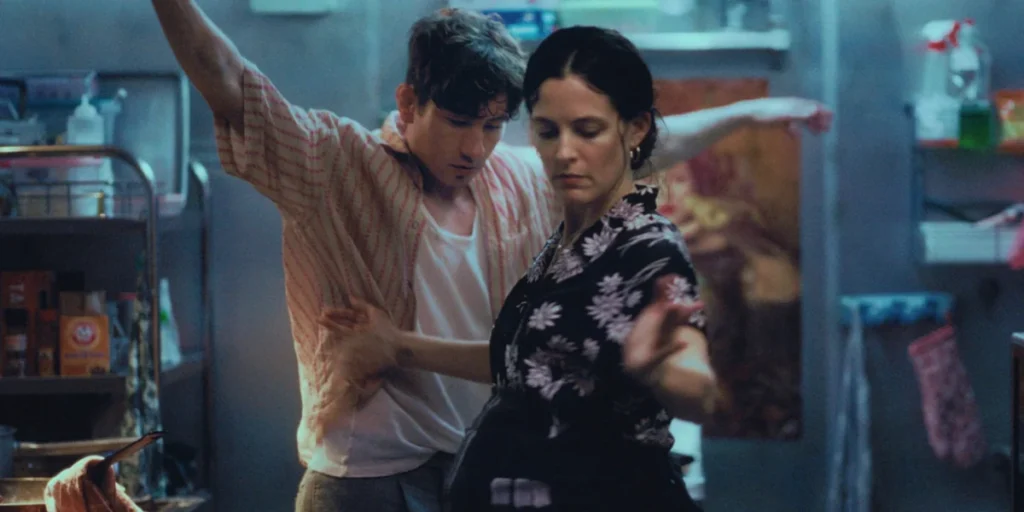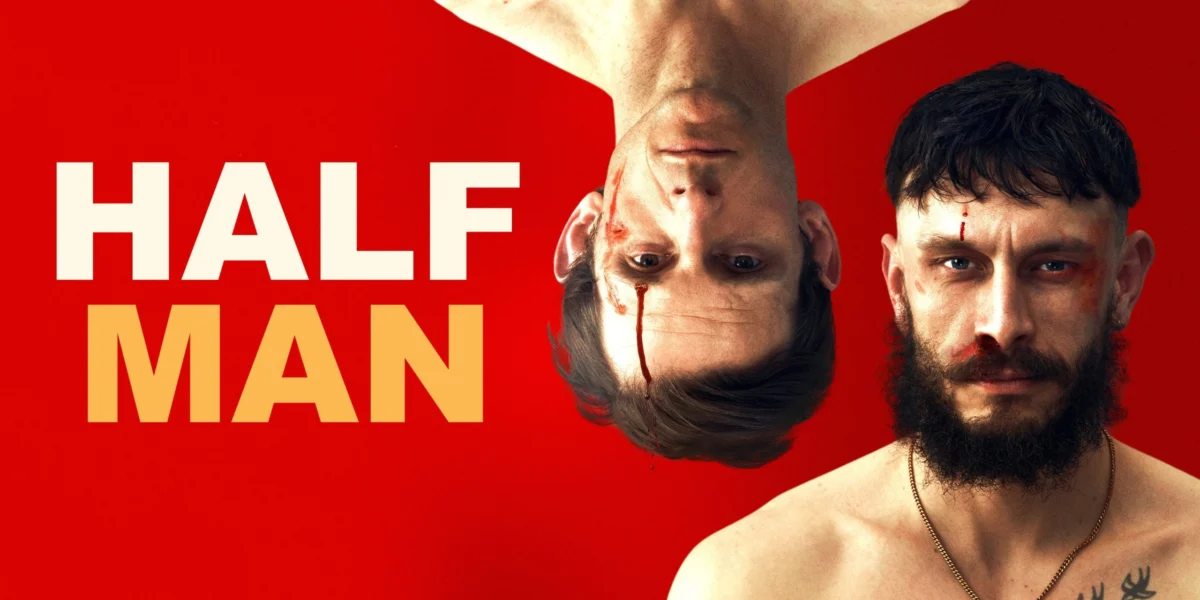
Thirty years after their formative years, the narrative reunites the pair at the wedding of Niall, portrayed by Jamie Bell. The reunion, however, is far from celebratory. Ruben, played as an adult by Gadd himself, appears visibly unsettled, his presence casting a shadow of unease over the festivities. This tension culminates in a sudden, jarring act of violence that serves as the catalyst for the series’ non-linear exploration of their past. Through a series of meticulously crafted flashbacks, the show dissects how their bond was forged in the crucible of their youth and illustrates the tragic trajectory of how even the most intimate relationships can disintegrate under the pressure of unresolved psychological wounds.
The Creative Vision of Richard Gadd and the Directorial Framework
The production of Half Man is anchored by the distinct creative voice of Richard Gadd, who serves as the series creator, writer, and lead actor. Gadd’s reputation for unflinching, semi-autobiographical storytelling has made him one of the most sought-after voices in contemporary British television. In Half Man, he shifts his focus toward the nuances of male vulnerability and the long-term effects of childhood environments on adult behavior. The series is directed by Alexandra Brodski and Eshref Reybrouck, whose collaborative efforts have been lauded for creating a visual language that mirrors the internal turmoil of the protagonists.
Brodski, known for her ability to capture intimate emotional beats, and Reybrouck, who brings a more visceral, kinetic energy to the direction, balance the dual timelines of the show. The direction ensures that the transition between the 1990s—where the younger versions of Ruben and Niall are played by Stuart Campbell and Mitchell Robertson, respectively—and the present day is seamless. This structural choice allows the audience to witness the genesis of the trauma in real-time while observing its manifestation in the adult characters. The "blistering writing" mentioned by critics highlights Gadd’s ability to use dialogue as both a weapon and a shield, revealing the characters’ motivations while maintaining a sense of suspense regarding the central mystery of their fallout.
Chronology of Development and Production
The development of Half Man followed a strategic timeline that coincided with the rising international profile of British "prestige" dramas. After the initial conceptualization phase, where Gadd sought to explore themes of fraternal loyalty outside of traditional bloodlines, the project was greenlit as a collaborative effort involving major UK production houses and international distributors.
- Early Development (2021-2022): Gadd began drafting the script for Half Man shortly after the initial success of his stage plays and early television work. The goal was to create a limited series that felt cinematic in scope but intimate in its character study.
- Casting and Pre-Production (Late 2022): The casting of Jamie Bell was seen as a major acquisition for the production. Bell, an actor with a storied career beginning with Billy Elliot, brought a grounded sensitivity to the role of Niall. The search for the younger counterparts was equally rigorous, resulting in the casting of Stuart Campbell and Mitchell Robertson to ground the emotional stakes of the past.
- Principal Photography (2023): Filming took place across various locations in the United Kingdom, utilizing the stark contrast between the rugged landscapes of the characters’ youth and the sterile, modern environments of the wedding setting to emphasize the passage of time.
- Premiere and Distribution (2024): The series debuted to critical acclaim, eventually finding a home on HBO Max for its North American release, positioning it for major awards consideration.
Performance Analysis and Award Recognition
The critical reception of Half Man has been overwhelmingly positive, with particular emphasis placed on the performances of the lead cast. Jamie Bell’s portrayal of Niall has been described as a masterclass in subtlety, capturing a man attempting to move forward with his life while being tethered to a past he cannot fully escape. This performance has earned Bell a nomination for Outstanding Lead Performance in a Limited or Anthology Series at the Gotham TV Awards.
The Gotham TV Awards, which recognize excellence in independent and small-screen storytelling, have also nominated Half Man for Outstanding Limited or Anthology Series. These nominations serve as a significant indicator of the show’s industry standing, particularly as it enters the competitive "For Your Consideration" (FYC) cycle for the Emmy Awards. Richard Gadd’s dual role as writer and actor has also been a focal point of critical discussion, with many noting that his performance as the adult Ruben is a stark departure from his previous roles, showcasing a darker, more volatile range.
Supporting performances from Stuart Campbell and Mitchell Robertson have been noted for their ability to establish the foundational chemistry of the brothers. Their work provides the necessary emotional context for the audience to understand the depth of the betrayal and violence that occurs in the present day. The interplay between the two timelines creates a narrative resonance that amplifies the impact of the series’ climax.

Industry Data and Streaming Context
The release of Half Man on HBO Max reflects a broader trend in the television industry where high-quality British dramas are increasingly sought after by American streaming giants to bolster their "prestige" libraries. Data suggests that limited series focusing on psychological depth and "human-interest" trauma perform exceptionally well on subscription video-on-demand (SVOD) platforms, often maintaining a longer "tail" of viewership compared to traditional procedural dramas.
According to industry analysts, the success of Baby Reindeer provided a significant "halo effect" for Half Man, driving initial viewership numbers as audiences sought out Gadd’s subsequent work. The series currently holds high ratings on aggregator sites, with critics praising its refusal to offer easy answers to the questions it poses about forgiveness and the cycle of violence. The decision to campaign the series for the Emmy Awards indicates the production’s confidence in its ability to compete with high-budget American domestic productions.
Official Responses and Creative Commentary
In recent interviews, Richard Gadd and director Alexandra Brodski have provided insight into the thematic intentions of the series. Gadd has emphasized that Half Man is not merely a story about violence, but a "ferocious dissection" of the ways in which men are taught to process—or fail to process—pain. He noted that the non-biological aspect of the brotherhood was crucial to the story, as it explores the idea of "chosen family" and how the stakes of such bonds can be even higher than those of blood relatives.
Alexandra Brodski commented on the directorial challenges of the series, stating that the goal was to make the audience feel the "claustrophobia of the past." By using specific color palettes for the different timelines—warmer, more nostalgic tones for the childhood sequences and a colder, more clinical look for the present—the directors were able to visually communicate the characters’ emotional states. This meticulous attention to detail has been a recurring point of praise in reviews from major trade publications.
Broader Implications and Cultural Impact
The impact of Half Man extends beyond its immediate narrative, contributing to a growing sub-genre of television that interrogates the long-term effects of trauma through a masculine lens. By focusing on "brotherly trauma," the series tackles subjects that are often overlooked in mainstream media, such as the complexities of male intimacy and the psychological scars left by unconventional upbringings.
Furthermore, the series highlights the continued evolution of Richard Gadd as a formidable creator in the global television landscape. His ability to translate specific British sensibilities into universal themes of grief and reconciliation has established him as a key figure in the "new wave" of television auteurs. As Half Man continues to stream on HBO Max and garners attention during the awards season, it stands as a testament to the power of uncompromising, character-driven storytelling.
The series’ exploration of how relationships fall apart—not through a single event, but through the slow erosion of trust and the weight of secrets—offers a sobering look at the human condition. For viewers and critics alike, Half Man is more than a drama; it is a clinical, yet deeply empathetic, examination of the ghosts that haunt the transition from childhood to adulthood. With its Gotham TV Award nominations and Emmy prospects, the series is poised to remain a central part of the cultural conversation regarding the state of modern television drama.