Benedict Cumberbatch and Olivia Colman, two titans of British acting, headline "The Roses," a remake of the 1989 marital breakdown dramedy originally starring Michael Douglas and Kathleen Turner. The contemporary British take aims for a heightened sense of class and sophistication, with Cumberbatch reportedly giving his considerable best opposite the equally prestigious Colman. However, early critical assessments suggest the film struggles to land its emotional punches. Critics have noted that despite the actors’ evident talent, the film feels overwrought and unconvincing. A central criticism is the inability of the narrative to establish the couple’s former passionate love or their current intense animosity, a key element for the story’s dramatic arc. The script has been cited as a contributing factor, reportedly leading to a coldness in Cumberbatch’s otherwise technically assured performance, failing to imbue the character with the necessary depth of emotion. This perceived misstep, coupled with the film’s ambition to elevate the source material, has led to a lukewarm reception, raising questions about the effectiveness of translating a story of raw, often messy, marital discord into a more refined, "classy" British context. The film’s release is anticipated to test the audience’s appetite for such a stark portrayal of relationship breakdown, particularly when undercut by a script that struggles to bridge the emotional chasm between its protagonists.
The Thing With Feathers (2025)
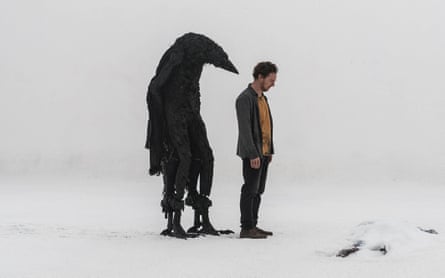
Benedict Cumberbatch lends his distinctive gravitas to "The Thing With Feathers," a film described as a serious and introspective study of grief and emotional breakdown. Cumberbatch portrays a writer and illustrator grappling with the profound loss of his wife. The narrative introduces a striking visual metaphor: a gigantic, hallucinatory crow, voiced by the gravelly tones of David Thewlis, which symbolizes the overwhelming agony of grief. This film showcases Cumberbatch’s commitment to roles that demand emotional honesty and intellectual depth. While his performance is acknowledged as intelligent and well-intentioned, some critics have observed that his portrayal, while technically sound, might lean towards being too refined and dry for the raw, visceral nature of the material. The film’s ambition to delve into the complexities of mourning is evident, but the execution, particularly in how the central metaphor interacts with the protagonist’s internal state, appears to have been a point of contention. The presence of such a potent symbolic element, while potentially powerful, requires careful integration to avoid feeling contrived. The film’s success hinges on its ability to translate abstract emotional pain into a relatable cinematic experience, a challenge that "The Thing With Feathers" seems to have navigated with a degree of success, albeit with some reservations regarding the actor’s nuanced approach to such profound sorrow.

August: Osage County (2013)
In the critically acclaimed film adaptation of Tracy Letts’s Pulitzer Prize-winning play, "August: Osage County," Benedict Cumberbatch delivered a subdued yet significant performance. The drama centers on an explosive family reunion triggered by the matriarch’s disappearance, forcing estranged relatives to confront long-buried secrets and resentments. Cumberbatch’s portrayal of Little Charles, a shy and depressed cousin, was noted for its understated power. This role exemplified how Cumberbatch’s inherent theatricality and distinctive presence, when paired with material that doesn’t demand overt melodrama, can yield compelling results. While the ensemble cast, led by Meryl Streep and Julia Roberts, provided the film’s undeniable dramatic fireworks, Cumberbatch’s less-is-more approach to Little Charles offered a crucial counterpoint, adding a layer of quiet desperation and internal struggle to the chaotic family dynamics. His performance demonstrated a nuanced understanding of character, allowing the audience to perceive the depth of Little Charles’s internal turmoil without resorting to histrionics. The film’s success in capturing the raw, often brutal, realities of familial relationships was further enhanced by these carefully calibrated performances.
The Hobbit Trilogy (2012-2014)
Beyond the realm of intense character studies and period dramas, Benedict Cumberbatch has also demonstrated his versatility in blockbuster fantasy epics. In Peter Jackson’s "The Hobbit" trilogy, a prequel to "The Lord of the Rings," Cumberbatch lent his voice and motion-capture performance to two formidable creatures: the terrifying dragon Smaug and the equally menacing Necromancer. These roles allowed Cumberbatch to explore the more theatrical and larger-than-life aspects of his acting range. His portrayal of Smaug, in particular, was lauded for its rich vocal performance and a captivating blend of evil grandeur and underlying loneliness, echoing the vocal prowess and gravitas of Ian McKellen’s Gandalf. The challenge of embodying a CGI character required Cumberbatch to infuse the dragon with a palpable sense of menace, ancient power, and a surprising degree of pathos, contributing significantly to the film’s visual and narrative impact. This foray into high fantasy provided a welcome opportunity for Cumberbatch to engage with a different genre, showcasing his ability to command attention even when delivering lines through digital avatars.
The Other Boleyn Girl (2008)
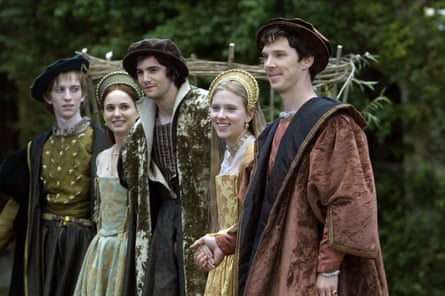
In the lush historical drama "The Other Boleyn Girl," Benedict Cumberbatch took on the role of William Carey, a courtier in the court of Henry VIII and husband to Mary Boleyn, the sister of Anne Boleyn. While the film, directed by Justin Chadwick, delves into the complex and often scandalous relationships at the heart of Tudor England, Cumberbatch’s part was more circumspect, placing him adjacent to the central power struggles. His character, while not at the forefront of the political machinations, served as a grounding presence within the opulent and treacherous environment of the royal court. The film, which starred Scarlett Johansson as Mary Boleyn and Natalie Portman as Anne Boleyn, aimed for an enjoyably gossipy and dramatic portrayal of the era. Cumberbatch’s presence, even in a supporting capacity, lent an air of gravitas and historical authenticity to the proceedings, underscoring the film’s commitment to its period setting. His early career roles, such as this, demonstrated his capacity to inhabit historical figures with a quiet dignity, even when not cast in the most prominent roles.
The Courier (2020)
"The Courier," an espionage thriller based on a true story, saw Benedict Cumberbatch transform into Greville Wynne, a seemingly unassuming businessman thrust into the dangerous world of Cold War intelligence. Cumberbatch’s performance is noted for its subtle yet powerful depiction of British reserve and underlying courage. He masterfully conveys Wynne’s initial hesitancy and subsequent quiet determination as he undertakes clandestine missions to Moscow to liaise with a Soviet defector. The film highlights Cumberbatch’s ability to portray a character who is not inherently heroic but rises to the occasion through a combination of circumstance and inherent decency. His character’s transformation from a somewhat fusty businessman, complete with a distinctive homburg and moustache, into a pivotal figure in international espionage is a testament to Cumberbatch’s nuanced acting. The film’s success in capturing the tense atmosphere of the era and the personal stakes involved for its protagonist is significantly bolstered by Cumberbatch’s compelling portrayal of a man who finds extraordinary purpose in ordinary circumstances.
Atonement (2007)
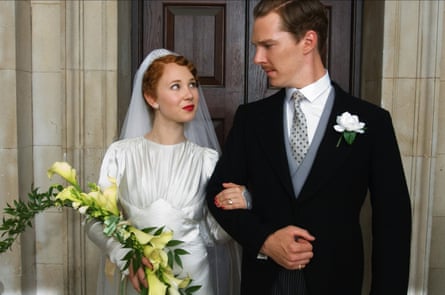
Ian McEwan’s celebrated novel "Atonement" found a cinematic rendition in 2007, featuring Benedict Cumberbatch in a notable supporting role. The film, directed by Joe Wright, weaves a complex narrative of love, betrayal, and the devastating consequences of a false accusation. Cumberbatch portrayed Paul Marshall, a well-spoken young man whose actions at an aristocratic country house prior to World War II form a crucial, albeit tragic, misunderstanding. His character’s role in the calamitous events underscores the film’s exploration of how a single untruth can irrevocably alter lives. Cumberbatch’s performance, while perhaps not as central as those of the film’s leads, contributed significantly to the intricate tapestry of the story. It was a role that predated his meteoric rise to stardom, showcasing his talent for embodying characters who, even in their relative obscurity, play vital roles in the unfolding drama. "Atonement" remains a significant entry in his filmography, highlighting his early aptitude for nuanced character work within ambitious, literary adaptations.
Four Lions (2010)
Chris Morris’s audacious black comedy "Four Lions," which satirizes jihadist extremism, provided Benedict Cumberbatch with a rare opportunity to showcase his comedic talents. In the film, he plays a special branch negotiator tasked with communicating with a group of aspiring suicide bombers. Cumberbatch’s performance is characterized by a deadpan delivery and a portrayal of stolid professionalism that, in a darkly ironic twist, borders on a certain kind of bureaucratic cluelessness, mirroring the bumbling nature of the terrorists themselves. This role demonstrated Cumberbatch’s capacity to excel in comedic roles, a facet of his acting that, by his own admission, he has had fewer opportunities to explore. The film’s controversial subject matter was handled with a unique blend of absurdity and sharp social commentary, and Cumberbatch’s contribution provided a crucial element of understated humor amidst the film’s provocative themes.
Black Mass (2015)
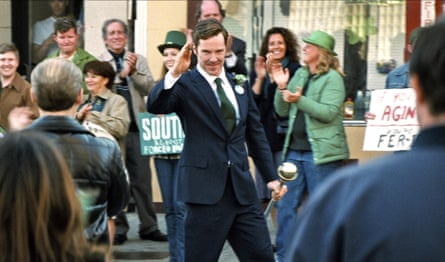
In Scott Cooper’s gritty crime drama "Black Mass," Benedict Cumberbatch took on the challenging role of Billy Bulger, a Massachusetts senator and brother to notorious gangster Whitey Bulger, played by Johnny Depp. Cumberbatch’s performance was notable for his adoption of a studied South Bostonian accent, a skill he applied with impressive precision. As Senator Bulger, he navigates the corridors of power, engaging in sophisticated dealings with the elite while simultaneously being entangled in the criminal world of his infamous sibling. The film explores the complex dynamics of loyalty and corruption, and Cumberbatch effectively portrays Billy’s infatuation with his own prestige and the increasing pressure to influence his brother’s actions. His ability to embody the character’s polished exterior while hinting at the underlying moral compromises made the performance a compelling study of power and its corrupting influence.
War Horse (2011)
Steven Spielberg’s epic war drama "War Horse" featured Benedict Cumberbatch in a commanding role as Major Jamie Stewart. The film, set during World War I, chronicles the journey of a young man and his horse amidst the brutal realities of the battlefield. Cumberbatch’s portrayal of Major Stewart captured the essence of a patriotic and determined officer, delivering a fierce speech to his troops before a disastrous cavalry charge. His presence in the saddle, embodying the archetypal figure of the British officer class, was visually striking. The character, while somewhat stylized, allowed Cumberbatch to convey a sense of unwavering resolve and perhaps a touch of the fervent idealism that characterized some military leaders of the era. The role provided a platform for Cumberbatch to demonstrate his ability to inhabit figures of authority with conviction, even within a narrative that, at times, leaned towards the more theatrical.
Starter for 10 (2006)
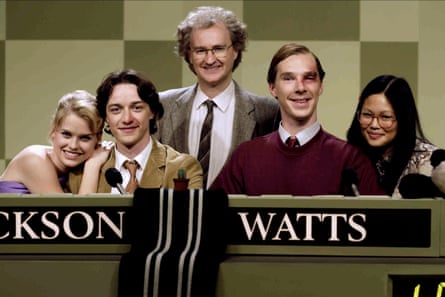
An early role for Benedict Cumberbatch, "Starter for 10" offered a glimpse into his comedic potential. The film, based on David Nicholls’ novel, follows a university student’s pursuit of love and academic glory on the popular quiz show "University Challenge." Cumberbatch played a pompous postgraduate student and team captain, a character who, in contrast to the lead protagonist, was portrayed as an almost slapstick antagonist. His performance was characterized by an almost exaggerated arrogance, making him the clear "geeky butt-of-the-joke" figure. This role highlighted Cumberbatch’s ability to embrace broader comedic performances, a talent he has rarely had the chance to fully develop in his subsequent career. The film’s vibrant portrayal of university life and its competitive spirit was enhanced by Cumberbatch’s energetic, albeit villainous, comedic turn.
1917 (2019)
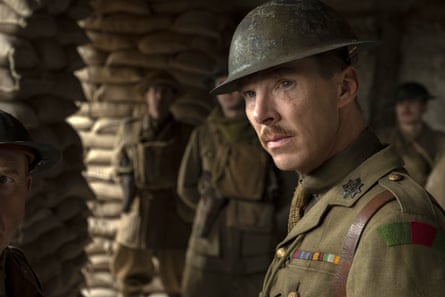
In Sam Mendes’s immersive World War I film "1917," Benedict Cumberbatch made a significant, albeit brief, appearance as Colonel Mackenzie. The film, renowned for its innovative single-shot cinematography, thrusts viewers into the harrowing experiences of two British soldiers tasked with delivering a critical message. Cumberbatch’s role as Colonel Mackenzie, a weary but resolute commanding officer, provided a powerful moment of authority and gravitas. His character is the recipient of the vital intelligence, and his portrayal conveyed the immense burden of command and the deep emotional toll of the relentless conflict. The film’s visceral depiction of trench warfare and its impact on those who led the troops was amplified by Cumberbatch’s ability to convey a sense of careworn despair beneath a facade of military stoicism. His cameo served as a poignant reminder of the human cost of war, even for those in positions of leadership.
Tinker Tailor Soldier Spy (2011)
John le Carré’s intricate spy thriller "Tinker Tailor Soldier Spy" provided Benedict Cumberbatch with one of his most complex early roles. He portrayed Peter Guillam, an intelligence officer operating in the shadow of his superior, George Smiley (Gary Oldman). Guillam, positioned lower on the intelligence hierarchy, becomes instrumental in Smiley’s investigation into a suspected Soviet mole within the British intelligence service. Cumberbatch’s performance captured Guillam’s cool, somewhat insolent demeanor, a consequence of his semi-protected status and his close relationship with Smiley. The film’s meticulously crafted atmosphere of paranoia and deception was perfectly complemented by Cumberbatch’s portrayal, which included a distinctive visual style—an absurd mop of hair and a rather rumpled three-piece suit—adding a layer of understated characterization to his role. His ability to convey subtle suspicion and loyalty within the labyrinthine world of espionage was a key element in the film’s success.
Star Trek Into Darkness (2013)
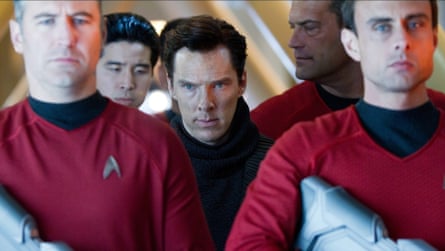
Benedict Cumberbatch embraced the role of a formidable antagonist in J.J. Abrams’s "Star Trek Into Darkness," portraying John Harrison, later revealed to be the genetically engineered super-soldier Khan Noonien Singh. This role allowed Cumberbatch to tap into the darker, more imposing aspects of his persona, presenting a chillingly intelligent and formidable foe for the USS Enterprise crew. His performance was characterized by a measured intensity and a captivatingly enigmatic presence, making Khan a memorable villain in the Star Trek canon. The film’s narrative allowed Cumberbatch to luxuriate in the character’s complex motivations and formidable intellect. His ability to project both menace and a certain roguish charm made him a compelling force against the film’s heroes, demonstrating his versatility in science fiction blockbusters.
Wreckers (2011)
The independent drama "Wreckers," directed by Dictynna Hood, offered Benedict Cumberbatch one of his most nuanced and fully realized performances. In this lesser-known film, he plays David, a seemingly grounded schoolteacher whose tranquil home life is shattered by the return of his troubled brother, Nick. The film delves into uncomfortable family secrets and hidden traumas, revealing a complexity in David that challenges initial perceptions. Cumberbatch’s portrayal of David showcases a departure from his more overtly intellectual or eccentric characters, instead presenting a man grappling with deep-seated emotional turmoil and hidden vulnerabilities. The performance is lauded for its subtle detailing and considered execution, highlighting Cumberbatch’s capacity for portraying deeply human and flawed characters with authenticity.
Doctor Strange (2016)
Benedict Cumberbatch found his definitive entry into the Marvel Cinematic Universe with his portrayal of Dr. Stephen Strange. The film, a visually spectacular introduction to the mystical side of Marvel, saw Cumberbatch embody a brilliant yet arrogant neurosurgeon whose life is irrevocably altered by a devastating accident. His journey to becoming the Sorcerer Supreme, guided by an enigmatic mentor played by Tilda Swinton, allowed Cumberbatch to showcase his unique charisma and theatrical flair on a global scale. The character’s transformation from a man driven by ego to one wielding immense magical power resonated with audiences worldwide. The "Doctor Strange" franchise, including its sequel "Doctor Strange in the Multiverse of Madness," cemented Cumberbatch’s status as a leading man capable of anchoring massive superhero narratives while retaining his distinctive acting style.
The Wonderful Story of Henry Sugar (2023)
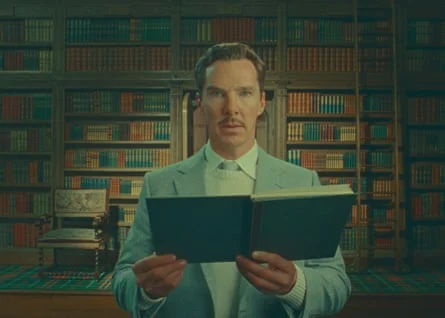
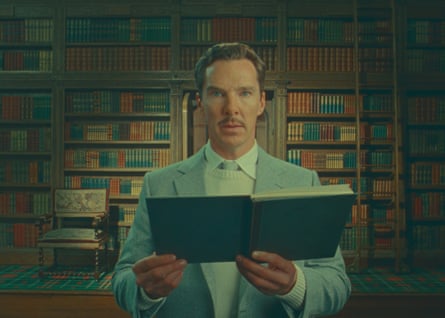
Wes Anderson’s distinctive directorial style found a perfect canvas in Benedict Cumberbatch for "The Wonderful Story of Henry Sugar." This Oscar-winning short film, adapted from Roald Dahl’s story, saw Cumberbatch in a role that allowed him to explore his underappreciated comedic timing. As the wealthy and greedy Henry Sugar, who discovers the ability to see without eyes and cheat at gambling, Cumberbatch delivered a performance characterized by a deadpan, almost Keatonian, stoneface. His portrayal of an inscrutable character with a penchant for self-gain highlighted his ability to inject subtle humor and complexity into even the most straightforward of premises. The film’s unique narrative structure and visual aesthetic, hallmarks of Anderson’s work, provided an ideal environment for Cumberbatch’s particular brand of British idiosyncrasy.
12 Years a Slave (2013)
In Steve McQueen’s powerful and unflinching depiction of slavery, "12 Years a Slave," Benedict Cumberbatch delivered a morally complex performance as William Ford, one of Solomon Northup’s enslavers. Ford, presented as a seemingly more liberal and thoughtful master, is nonetheless complicit in the brutal institution of slavery. Cumberbatch’s portrayal captured the character’s bland adherence to the status quo and his self-pitying weakness in selling Northup to a far more sadistic owner. This role was significant as it required Cumberbatch to embody a character whose culpability lies not in overt cruelty but in passive acceptance and a profound lack of moral courage. His performance contributed to the film’s devastating indictment of slavery by illustrating the insidious nature of complicity and the psychological toll it takes on all involved.
The Imitation Game (2014)
"The Imitation Game" provided Benedict Cumberbatch with a career-defining role as Alan Turing, the brilliant mathematician and codebreaker whose work was pivotal to Allied victory in World War II. Cumberbatch masterfully embodied Turing’s genius, his social awkwardness, and his profound loneliness. The film chronicled Turing’s groundbreaking achievements at Bletchley Park and his subsequent persecution as a gay man in the intolerant climate of 1950s Britain. Cumberbatch’s portrayal was lauded for its sensitivity and depth, capturing Turing’s intellectual brilliance alongside his vulnerability and the tragic injustice he faced. The film also highlighted the poignant, fabricated heterosexual relationship Turing entered into with his colleague Joan Clarke, played by Keira Knightley, adding a layer of romantic melancholy to his story. Cumberbatch’s performance resonated deeply, humanizing a historical figure whose contributions were immense and whose life was tragically cut short.
The Power of the Dog (2021)
Jane Campion’s critically acclaimed Western, "The Power of the Dog," stands as a monumental achievement in Benedict Cumberbatch’s filmography. In this atmospheric and psychologically charged drama, Cumberbatch delivers a career-best performance as Phil Burbank, a charismatic yet deeply disturbed rancher in 1920s Montana. Phil is a man of contradictions: outwardly tough and cruel, yet harboring profound emotional repression and a disturbing fascination with his brother George’s new wife and her son. Cumberbatch imbues Phil with a magnetic and sinister aura, navigating the character’s volatile temper, his complex motivations, and his hidden desires with breathtaking skill. The film’s slow-burn tension and nuanced exploration of masculinity, repression, and violence are amplified by Cumberbatch’s masterful portrayal of a deeply flawed and unsettling individual. His performance earned widespread acclaim, solidifying his status as one of the most compelling actors of his generation.