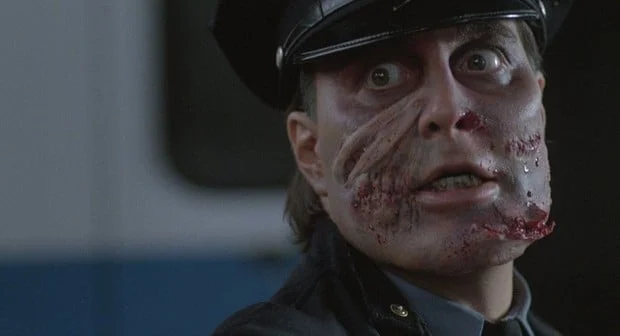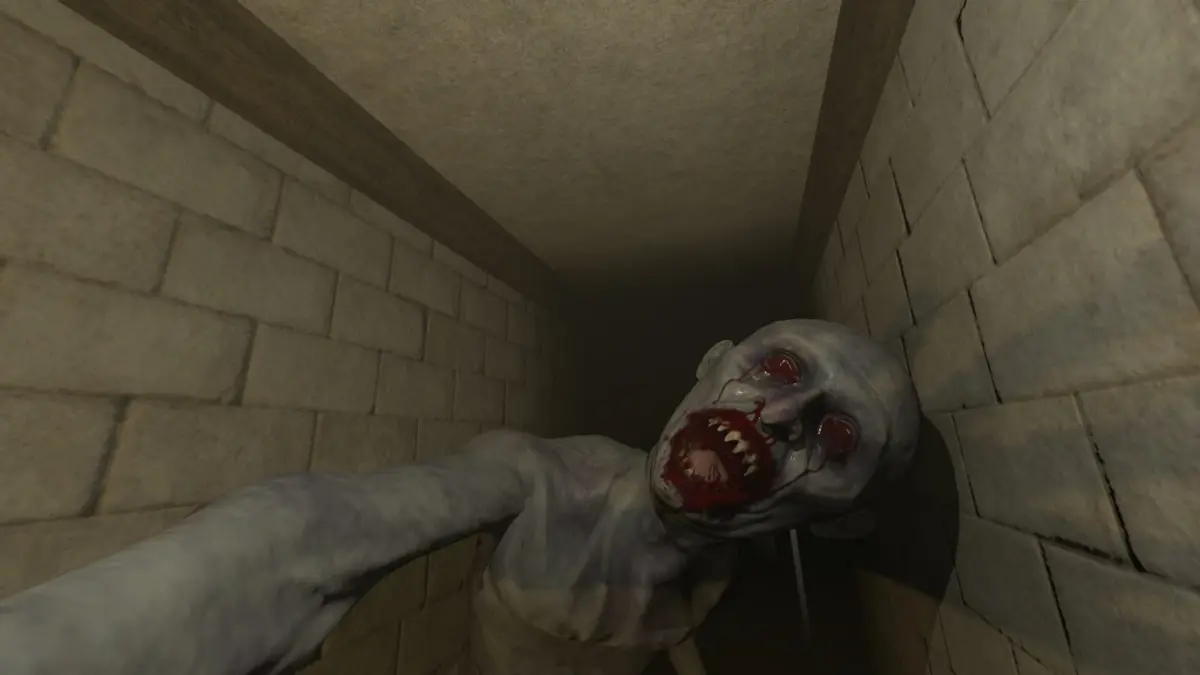
The landscape of video game-to-film adaptations continues to expand rapidly as reports emerge that production company Story Kitchen is currently developing a live-action feature film based on the 2022 psychological horror title MADiSON. According to industry insider Daniel Richtman, the project is in the preliminary stages of development, marking another strategic move by Hollywood to capitalize on the intellectual property of independent horror gaming. While neither the studio nor the developers of the game, Bloodious Games, have issued an official confirmation, the report has generated significant industry discourse regarding the viability of adapting first-person psychological horror into the cinematic medium.
The Genesis of MADiSON and Psychological Horror Trends
MADiSON, released in July 2022, quickly gained a reputation among gaming enthusiasts for its intense atmosphere and reliance on sensory deprivation and psychological dread rather than traditional jump scares. The game follows the protagonist, Luca, who finds himself trapped in a claustrophobic environment, his hands stained with blood, forced into the service of a demonic entity. The narrative centers on a gruesome, decades-long ritual that serves as the foundation for the game’s primary objective: survival through the completion of this dark inheritance.
The game’s core mechanic—the use of an instant camera—functions as both a gameplay tool and a narrative device. By capturing and physically "developing" photographs in-game, players are forced to engage with the supernatural at their own pace. This mechanic was widely praised for its ability to build tension, as the delay between taking a photo and seeing what the developed image reveals creates a unique psychological feedback loop. Critics and players alike noted that this feature distinguishes MADiSON from other horror titles of its era, grounding the terror in a tangible, tactile experience.
Story Kitchen and the Strategy of Video Game Adaptations
Story Kitchen, a production company co-founded by Dmitri M. Johnson, has established itself as a major player in the adaptation space. The company’s portfolio is heavily focused on bridging the gap between gaming and film/television, with notable involvement in projects such as the Sonic the Hedgehog franchise and the upcoming Tomb Raider and Streets of Rage adaptations. Their interest in MADiSON aligns with a broader industry trend of identifying "high-concept" indie horror games that offer strong, easily translatable visual hooks.
The adaptation of MADiSON represents a shift in how studios approach horror gaming properties. Unlike massive, action-oriented franchises like Resident Evil or Silent Hill, which often require high-budget CGI and sprawling narratives, MADiSON offers a contained, character-driven story that could potentially be produced on a modest budget with a high return on investment. This "lean" production model is increasingly attractive to studios navigating a volatile theatrical market, where original IP remains a difficult sell compared to established digital brands.
Critical Reception and Atmospheric Legacy
When MADiSON launched, it was met with a polarized but generally enthusiastic reception. Critics frequently cited the game’s suffocating atmosphere as its greatest strength. Justin Wood, writing for Dread Central, highlighted the game’s ability to sustain fear throughout the duration of the player’s experience, calling it "easily the scariest game I’ve played this year."

However, the game also faced criticism for its puzzle design, which some reviewers found to be opaque or overly reliant on trial-and-error. The challenge for any screenwriting team tasked with adapting the source material will be to translate the "waiting to see what develops" mechanic into a cinematic experience that remains engaging for an audience that cannot actively participate in the puzzle-solving. The narrative will likely need to be expanded beyond the game’s singular focus on Luca to provide the necessary stakes and character development required for a feature-length film.
The Chronology of the Project
While the reports regarding the film’s development are current, the timeline of the property’s journey from a digital release to a potential silver-screen feature is relatively short by industry standards.
- July 2022: Bloodious Games releases MADiSON on PC, PlayStation, and Xbox consoles, receiving praise for its unique camera-based gameplay mechanics.
- Late 2022–2024: The title maintains a "cult classic" status within the indie horror community, with streamers and content creators consistently citing it as a benchmark for modern psychological horror.
- October 2025: Initial reports from industry analysts, including Daniel Richtman, suggest that Story Kitchen has secured the rights to the IP and is in the early stages of development.
- 2026 and Beyond: If the project follows a standard production cycle, audiences might expect an official announcement regarding a screenwriter, director, or production schedule within the next 18 to 24 months, provided the development hurdles are cleared.
Broader Implications for the Horror Genre
The move to adapt MADiSON reflects a systemic change in how horror films are being greenlit. In the past, horror adaptations were primarily focused on long-running slasher franchises or literary works. Today, the "Game-to-Film" pipeline is arguably the most reliable source of new horror IP. The success of adaptations like Five Nights at Freddy’s has proven that a game’s dedicated fanbase can act as a powerful marketing engine, effectively guaranteeing a box-office floor for these projects.
However, the transition from an interactive medium to a passive one remains fraught with creative challenges. The hallmark of a great horror game is agency—the player’s ability to control their fear by choosing when to move forward or when to retreat. In a film, that agency is removed, and the director must manipulate the pacing to achieve the same effect. For MADiSON, the success of the film will depend on whether the filmmakers can replicate the "instant camera" anxiety without the player’s input. If they can successfully translate the claustrophobia of the game’s setting, the film could set a new standard for how indie psychological horror is presented to a mainstream audience.
Market Analysis and Industry Outlook
The financial implications of a successful MADiSON film could be significant for Bloodious Games. Should the adaptation perform well, it would likely increase interest in the original title, leading to a long-tail revenue stream through digital storefronts. Furthermore, it validates the strategy of indie developers seeking partnerships with boutique production houses like Story Kitchen.
From a production standpoint, the lack of an announced director or cast suggests that the project is in the "optioning and development" phase. Studios often option rights to dozens of properties simultaneously, and not all reach the production phase. The involvement of Story Kitchen, however, lends credibility to the report. Their track record in successfully navigating the complex rights and creative challenges of game adaptations suggests that this project is intended to be a serious, multi-platform undertaking rather than a simple licensing deal.
As of late 2025, the project remains in the shadows, much like the entities that haunt the halls of the game itself. Fans and industry analysts will be watching closely for any official word from the studio or the original creators. Until then, the prospect of an adaptation of MADiSON serves as a reminder of the enduring power of the psychological horror genre and the ongoing, intimate relationship between the worlds of gaming and cinema. Whether or not the film can successfully capture the chilling, deliberate pacing of its source material remains a question for the coming years of production.