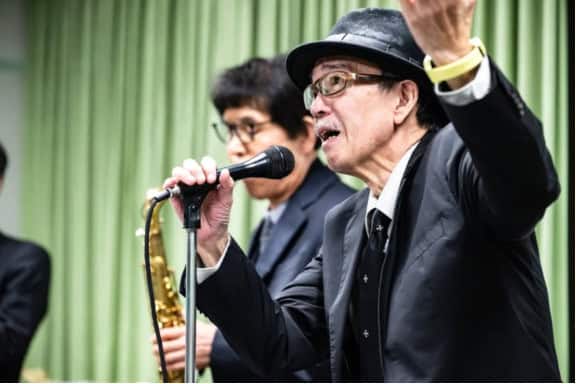
As Kani Releasing prepares for the Blu-ray debut of the iconic Japanese film ‘New Love in Tokyo,’ an exclusive interview with its co-creator, Kei Shimamoto, offers a rare glimpse into the vibrant, often scandalous, world of Showa-era erotic culture and its profound transformations. Shimamoto, a multifaceted artist known as the founder, vocalist, lyricist, and harmonica player of the band Pathos, and a prolific writer under the pen name Namedaruma Oyakata, shares insights into his nearly fifty-year collaboration with legendary photographer Nobuyoshi Araki and editor Akira Suei, the genesis of ‘New Love in Tokyo,’ and his candid views on the evolving landscape of media, censorship, and artistic freedom. Born in 1952, Shimamoto belongs to Japan’s shirake generation, a cohort marked by disillusionment with the socio-political climate of their youth, a sentiment that subtly informed his later artistic endeavors. His journey into music began unexpectedly after turning fifty, driven by a spontaneous flow of songs, leading to his CD debut in 2003 and a persistent dream of recognition as a singer—the melancholic oyaji of his own making.
A Career Forged in the Golden Age of Adult Media
Shimamoto’s professional life thirty years ago was characterized by a relentless pace, deeply embedded in the thriving adult entertainment journalism of Japan. He recalls a period of overwhelming busyness, primarily writing for evening newspapers and weekly magazines catering to adult audiences. This era, often dubbed the "golden age of sports papers," saw his columns featured in major publications like Nikkan Sports, Tokyo Sports, Sponichi, and Nikkan Gendai. His daily routine involved roaming Tokyo’s entertainment districts, often accompanied by a young female photographer, conducting interviews with women, sketching encounters, and gathering stories. Functioning as a "one-man information shop," Shimamoto personally handled everything from interviews to illustrations, amassing a vast repository of material. This rich collection of anecdotes, observations, and human interactions eventually formed the bedrock of his desire to distill these experiences into a single book. His longstanding friendship with Nobuyoshi Araki, spanning nearly five decades, proved instrumental; upon Shimamoto’s proposal to publish, Araki immediately agreed to contribute, giving birth to the seminal work that would later inspire the film.
The book’s creation was a swift, almost surreal process. With assistance from a close friend for the foreword and wraparound band, and internal handling of the book design, the project quickly took shape. Remarkably, a film adaptation proposal emerged almost immediately, with acclaimed director Banmei Takahashi, whom Shimamoto deeply admired, at the helm. This rapid transition from literary concept to cinematic production underscored the cultural potency and timeliness of Shimamoto’s work during that period.
The Collaborative Nexus: Araki, Suei, and the Bubble Era’s Energy
The pivotal connection between Shimamoto and Nobuyoshi Araki was forged by Akira Suei, a significant figure in Japan’s underground culture. At the time, Suei edited the pop comic Kanden King and hosted storytelling salons that attracted avant-garde artists. Shimamoto, then a freelancer illustrating books and taking on various jobs, was introduced to Araki through Suei. As Suei transitioned into a publishing house editor, he spearheaded the launch of numerous erotic magazines with remarkable speed, bringing Araki into the fold, and soon, Shimamoto found himself working alongside the celebrated photographer. Araki, who had left his promotional photography role at Dentsu in his late twenties to pursue more personal and expressive work, was already incredibly busy but selectively avoided commercial advertising, preferring projects that aligned with his artistic vision.
This period coincided with Japan’s "Bubble Era," an exhilarating time of unprecedented economic prosperity and cultural effervescence from the late 1980s to the early 1990s. This economic boom fueled an intense energy within the entertainment and publishing industries, creating an environment ripe for experimentation and provocative art. Suei capitalized on this, encouraging Shimamoto to embark on a regular series, seeking out unusual places and people to uncover stories that no one else was telling. This mandate further solidified Shimamoto’s unique role as a chronicler of Tokyo’s hidden dimensions, often through an erotic lens.
‘New Love in Tokyo’: From Essay to Evocative Cinema
The essay book ‘New Love in Tokyo’ emerged organically from this fertile creative environment, although not a direct commission from Suei. An editor suggested compiling Shimamoto’s extensive collection of essays and articles. He meticulously reviewed, selected, rewrote, and reshaped pieces that still resonated, forming the manuscript. A crucial aspect of the book was its foundation in real events; everything depicted was non-fictional, though the women photographed by Araki weren’t necessarily the same individuals mentioned in the essays. Instead, Araki’s photographs were intended to evoke the emotional atmosphere and world Shimamoto sought to convey, making the visual component indispensable for the book’s completeness. The title itself, ‘Le Nouveau Monde Amoureux,’ was inspired by Charles Fourier’s work, lending an intellectual depth to its erotic explorations.
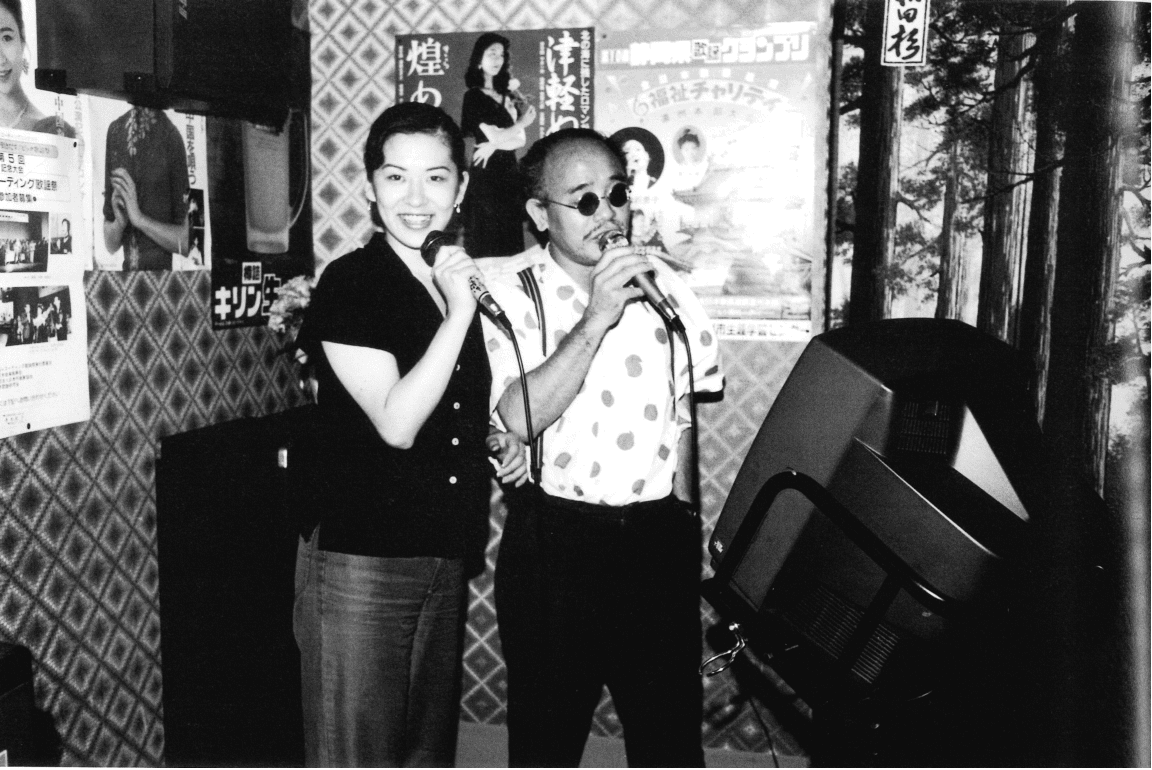
The book comprised 66 essays, each derived from interviews and specific setups. Shimamoto, a long-time admirer of the American TV series ‘Route 66,’ subtly paid homage to it through this numerical choice. While much of the material had seen prior publication, Shimamoto reimagined and reworked it for the book, aiming for a more complete and enduring artistic statement. The subsequent film, though developing a distinct storyline, creatively referenced various pieces from these essays. The innovative structure of the film, weaving elements from different stories into a cohesive new narrative, is credited to the producer’s passionate vision, who saw the potential for a fresh cinematic interpretation. Some lines from the essays were even used verbatim, recontextualized to serve the film’s unique narrative.
Navigating Scandal and Censorship in 1990s Japan
The avant-garde and underground art of the Bubble Era, particularly works delving into eroticism, often courted controversy and were branded "scandalous." Shimamoto notes a peculiar fascination among certain Western countries with this type of material. He suggests that artists like Nobuyoshi Araki and playwright Shuji Terayama could be defined as "scandalists"—individuals who intentionally transgress boundaries, creating work that is not merely provocative but fundamentally challenges established definitions of art. Their willingness to explore taboo subjects pushed societal norms and artistic conventions.
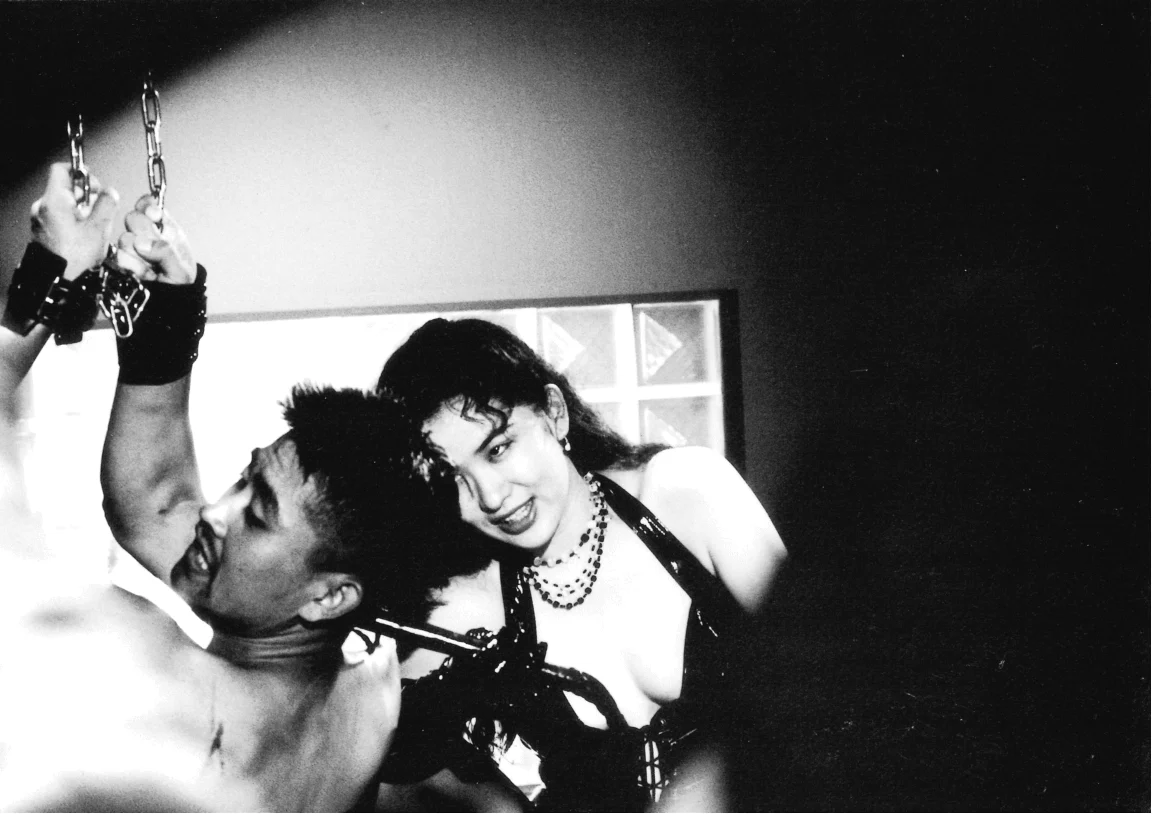
A significant aspect of ‘New Love in Tokyo’s’ production was its navigation of Eirin, Japan’s Film Classification and Rating Committee, which historically maintained strict censorship regarding nudity. The 1990s, however, witnessed a "cultural thaw" in Japan, gradually relaxing restrictions on what could be shown on screen. In the case of ‘New Love in Tokyo,’ the inclusion of full nudity, albeit with pubic hair still obscured (a common Eirin practice at the time), was accepted due to its artistic framing. Crucially, the nudity was perceived as an integral artistic element, closely linked to Araki’s established photographic work, rather than being purely pornographic. This period also saw the increasing allowance of full nudity in books and magazines. Coupled with Banmei Takahashi being at the zenith of his career as a leading voice in Japanese erotic cinema, these factors allowed ‘New Love in Tokyo’ to become a notable example of how Japanese cinema began to test and expand the boundaries of nudity and censorship during that transformative decade.
When juxtaposed with Ryu Murakami’s ‘Tokyo Decadence’—a film known for its grim and unsparing portrayal of the sex industry—’New Love in Tokyo’ offered a comparatively optimistic perspective, despite dealing with subjects like SM. Shimamoto attributes this distinction to director Banmei Takahashi’s approach, which avoided overly dramatic or heavy-handed treatment, bringing a "breath of fresh air" to the erotic genre.
Casting and the "Married Women Erotica" Series
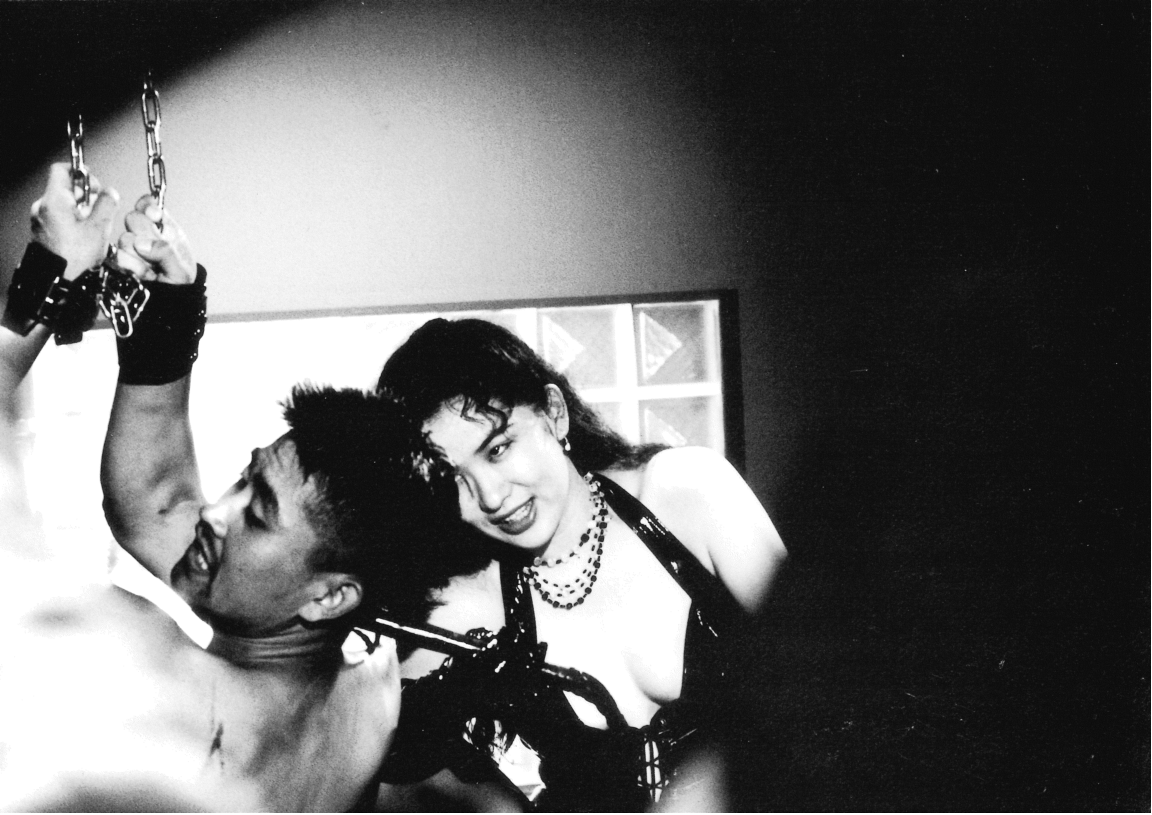
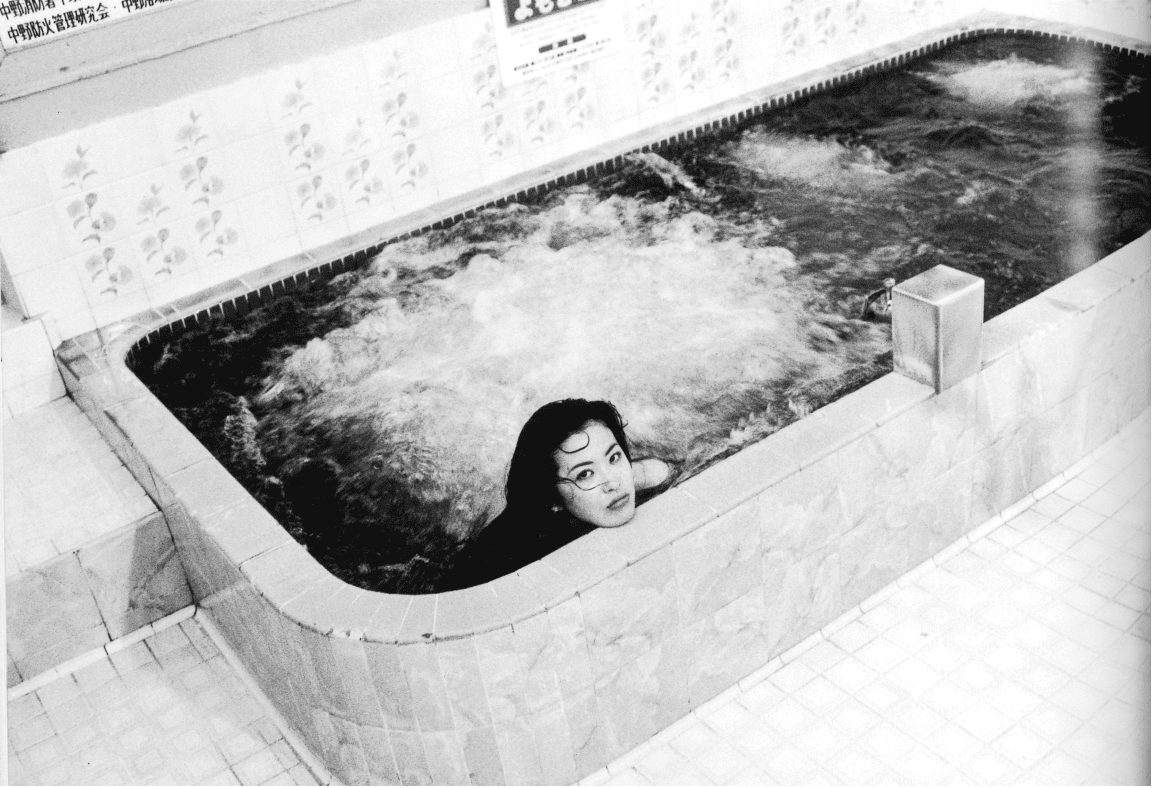
The casting of Sawa Suzuki for ‘New Love in Tokyo’ was a pivotal decision. Shimamoto recalls her audition in her early twenties, amidst many attractive contenders. Suzuki possessed a unique "spark in her eye" and a distinct charm that transcended conventional beauty. Both Araki and Shimamoto recognized this singular quality, leading to her selection. The film’s production, however, operated under very tight conditions, as evidenced by the limited photographic output from the associated album, particularly from the initial week of shooting.
Shimamoto also sheds light on the genesis of Araki’s controversial ‘Married Women Erotica’ photobook series, a project that naturally evolved during Araki’s weekly magazine serialization. Araki, keen on authenticity, insisted on photographing real housewives, moving away from using models who merely posed as married women. This led to an unconventional "casting call," where participants were sought among housewives interested in earning "a little extra spending money." While some applicants had prior modeling experience, the strict criterion was their marital status. The series featured real women leading real lives, many with children, resulting in a growing pool of diverse participants. The aim was for anonymity, though some women expressed indifference to being recognized, contributing to the series’ raw, unvarnished quality, which prioritized unique stories over conventional beauty.
Pathos: Music as a Reflection of Life and Era
Beyond his literary and collaborative work, Shimamoto’s musical career with the band Pathos offered another avenue for artistic expression. Their music was often infused with sarcasm and irony, sometimes even playfully poking fun at traditional Japanese themes like enka (a popular Japanese ballad genre), or delving into darker subjects reminiscent of 1960s and 70s short-form TV dramas. These dramas, typically 10-15 minutes long, often satirized political issues or provided sharp commentary on current events, an atmosphere Pathos sought to emulate. Their aim was to craft a "contemporary banquet piece" inspired by enka but imbued with a modern sensibility, serving also as a "sentimental journey" reflecting Araki’s life experiences.
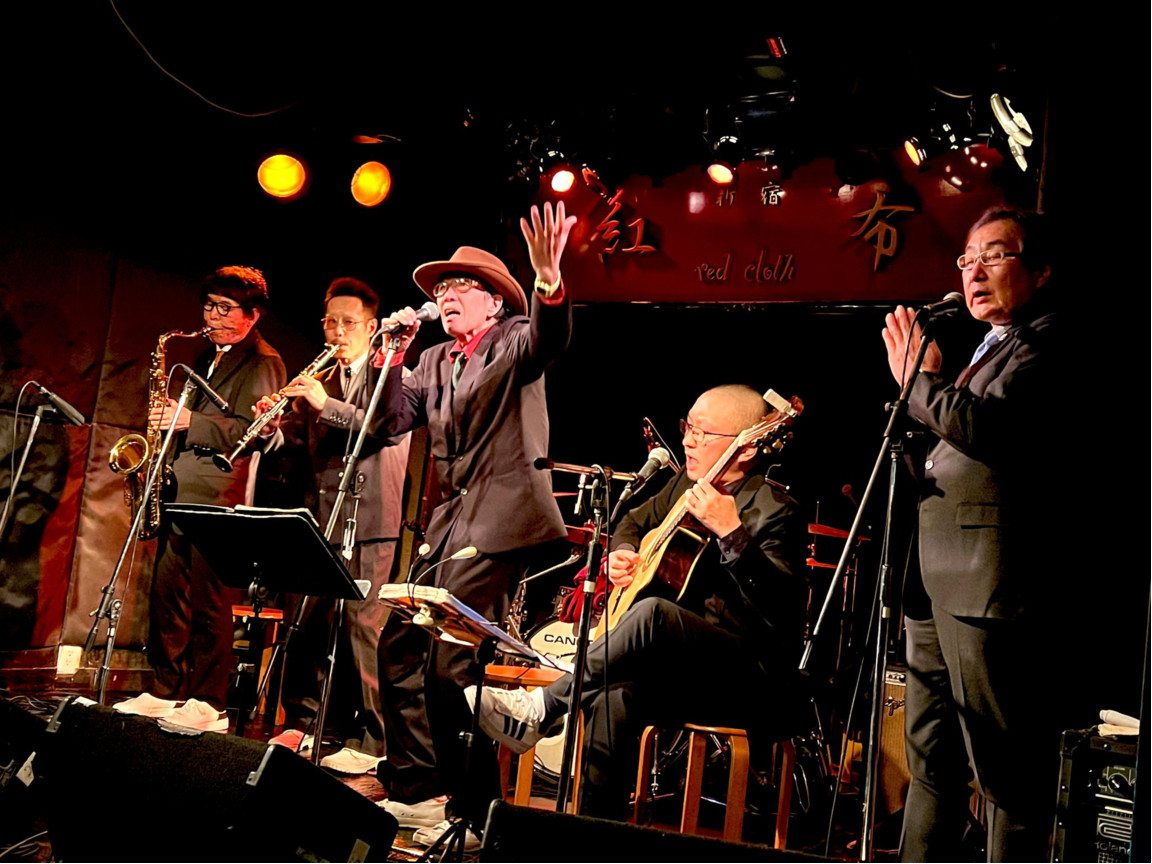
Araki himself was deeply involved, hosting monthly opening parties at his gallery where he would consistently ask Shimamoto to perform a new song. This tradition became a fertile ground for creativity, with Shimamoto writing and performing a new piece each month. Eventually, these works culminated in the CD ‘Sentimental Journey,’ with all album photographs personally taken by Araki. The title, ‘Sentimental Journey,’ was even used for a commercial, a decision Shimamoto initially worried might cause offense but was ultimately well-received.
The Shifting Sands of Japanese Erotic Media and Industry
Shimamoto laments the disappearance of the distinct Showa-era atmosphere that once defined Japan’s erotic culture. The "mystery" once associated with enticing erotic books and magazines, often wrapped in vinyl, has largely vanished, replaced by the omnipresence of online content. The internet age has fundamentally altered media consumption, rendering the physical magazines and print media that once fueled his prolific writing career largely obsolete. The old ways—working nonstop on sports newspapers and weekly magazines, often fueled by late-night drinking sessions—are no longer the norm.
He acknowledges that any contemporary creative endeavor would likely need to adapt to new media formats, such as online platforms like YouTube. This shift represents a "sad" reality for those who cherished the physical print media and the cultural scene it fostered.
The landscape of Japan’s sex industry has also undergone significant evolution. While districts like Kabukicho and Shibuya still retain vestiges of their traditional entertainment styles, they have undeniably shrunk and become less visible. Health clubs and host clubs persist but operate more discreetly, often within a legal "gray zone" where police tolerate their existence under certain conditions. The past, with districts like Yoshiwara known for specific, visible services, contrasts sharply with today’s more hidden operations. Modern audiences, Shimamoto observes, are more inclined to consume content on YouTube than to seek out physical magazines or locations. He concludes with a nostalgic reflection, suggesting that "the simplest things are the best: a quiet conversation over a beer, with no expectations, just enjoying the moment," as potentially the most satisfying way to experience life.
Modern Production Challenges: The Intimacy Coordinator Debate
Shimamoto’s interview culminates in a poignant reflection on the challenges facing creative freedom in the contemporary era, particularly concerning the role of intimacy coordinators in film production. He notes the increased public scrutiny surrounding sexual misconduct, with long-suppressed issues finally surfacing and public conversations emerging around figures like Araki. While emphasizing the non-negotiable importance of consent—categorically condemning touching or sexual acts without clear permission—Shimamoto expresses a profound concern that the presence of intimacy coordinators can render a film "overly staged or unnatural," potentially stripping it of its "raw, unfiltered quality" and "core essence."
He worries that the spontaneous, vulnerable moments crucial to artistic expression risk becoming "overly managed, even sterile," feeling as though someone other than the director is guiding the scene. For Shimamoto, the "unexpected—the surprise, the hesitation, the ambiguity—that breathes life into a scene," is where true expression lies. He fears that removing these elements of uncertainty and risk diminishes something essential, suggesting that "tension, discomfort, or mistakes can lead to powerful, meaningful encounters."
This sentiment leads him to a broader concern about a "darker era" where creative freedom is increasingly constrained. He perceives a climate where "outrage is manufactured," and even without malicious intent, controversy can be stirred, leading to "scandals." The space for freedom of expression, he believes, is steadily shrinking, making it difficult for even established filmmakers like Banmei Takahashi to create the kinds of works they once did. Shimamoto’s reflections underscore a tension between essential ethical safeguards and the potential for artistic spontaneity and boundary-pushing expression.
As ‘New Love in Tokyo’ finds a new audience through its Blu-ray release, Kei Shimamoto’s insights offer not only a historical document of a pivotal cultural moment in Japan but also a timely commentary on the enduring complexities of art, ethics, and the evolving nature of creative freedom in an ever-changing world. His unique position, bridging the raw, unbridled energy of the Bubble Era with the cautious sensibilities of the present, provides an invaluable perspective on the intricate dance between artistic vision and societal boundaries.