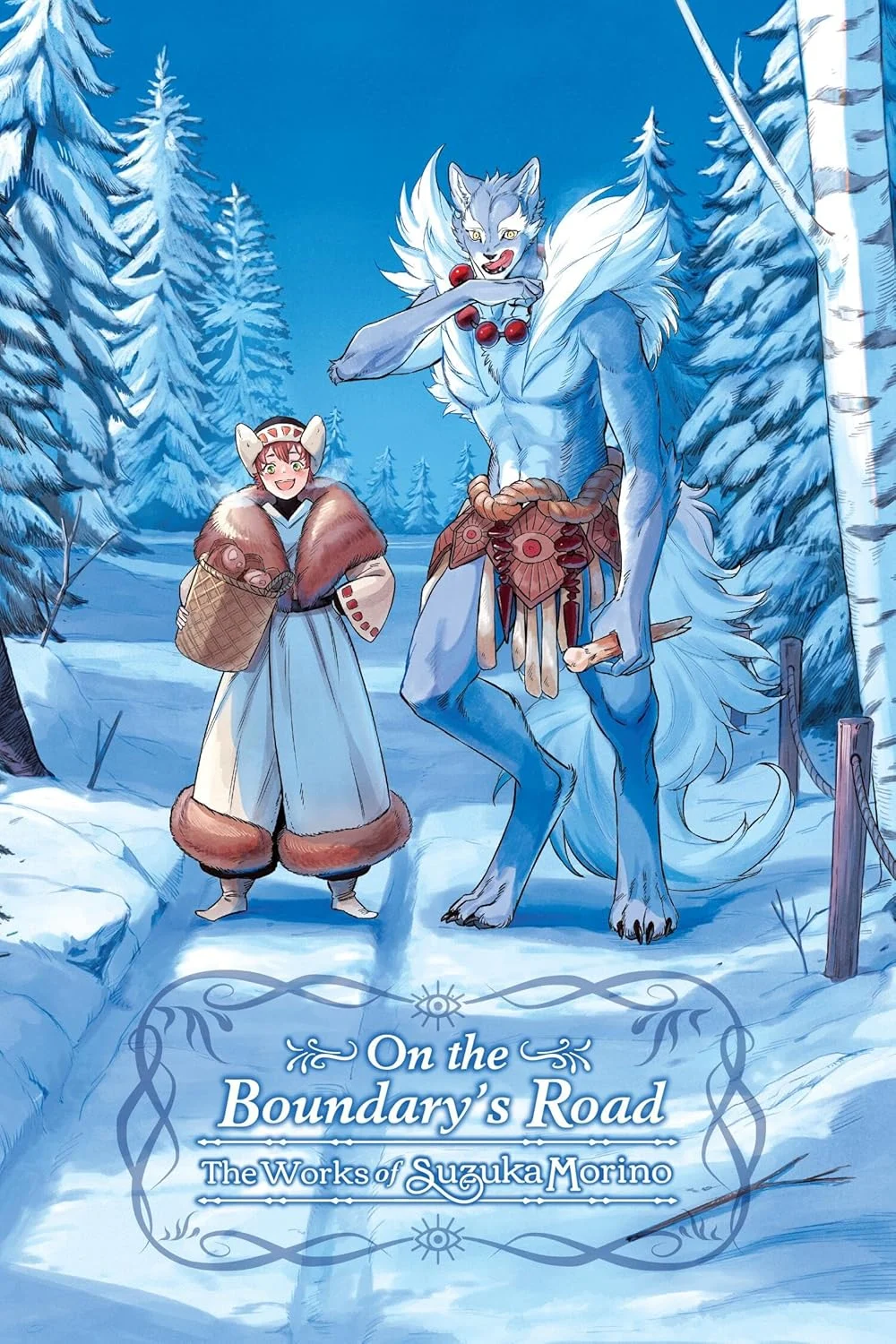
Suzuka Morino has rapidly distinguished herself within the vibrant world of manga, capturing the attention of a growing readership with her distinctive artistic style and profound thematic explorations. Her work is characterized by delicate linework, a unique approach to demihuman characters, and a consistent interest in the intricate dynamics that unfold between humans, beasts, and supernatural entities. While her presence in English-language publication is still relatively nascent, Morino has already solidified a recognizable visual and narrative identity through notable collections such as "Servant Beasts" and the comprehensive story compilation, "On the Boundary’s Road: The Works of Suzuka Morino." A recurring motif across her oeuvre is the examination of contact between disparate forms of life, which serves not merely as a foundation for fantastical scenarios but as a rich ground for probing universal human experiences such as fear, curiosity, prejudice, loyalty, and the arduous path to understanding.
Thematic Depth: Bridging Worlds and Emotions
Morino’s narrative framework consistently ventures into territories where the boundaries between species blur, creating a unique space for emotional and social commentary. This thematic core allows her to dissect complex interpersonal dynamics through the lens of interspecies interaction. Her stories often feature characters grappling with inherent differences, societal expectations, and personal biases, reflecting broader human conditions despite their fantastical settings. The interplay of vulnerability and power, acceptance and rejection, forms the emotional backbone of her narratives, resonating with readers who appreciate stories that delve beyond superficial fantasy elements.
The exploration of "demihuman" characters is a cornerstone of Morino’s appeal. Unlike conventional anthropomorphism that might simply depict animals with human traits, her demihumans often possess distinct physiologies, cultural norms, and psychological frameworks that challenge human characters—and by extension, readers—to reconsider preconceived notions. This nuanced portrayal enriches the fantasy genre, pushing it beyond simple escapism into realms of deeper philosophical inquiry regarding identity, belonging, and empathy. The inherent tension and potential for misunderstanding arising from these cross-species encounters serve as potent allegories for real-world social divisions and the universal human quest for connection.
A Glimpse into the Collection: Diverse Narratives, Unified Vision
"On the Boundary’s Road: The Works of Suzuka Morino" serves as a compelling showcase of her narrative range and artistic prowess. The anthology format allows Morino to present a series of vignettes, each contributing to a broader understanding of her thematic preoccupations. While varied in specific plot points, the stories collectively reinforce her overarching interest in the complex relationships between different forms of life.
-
"Go for It, Wolfy": Navigating Identity and Service
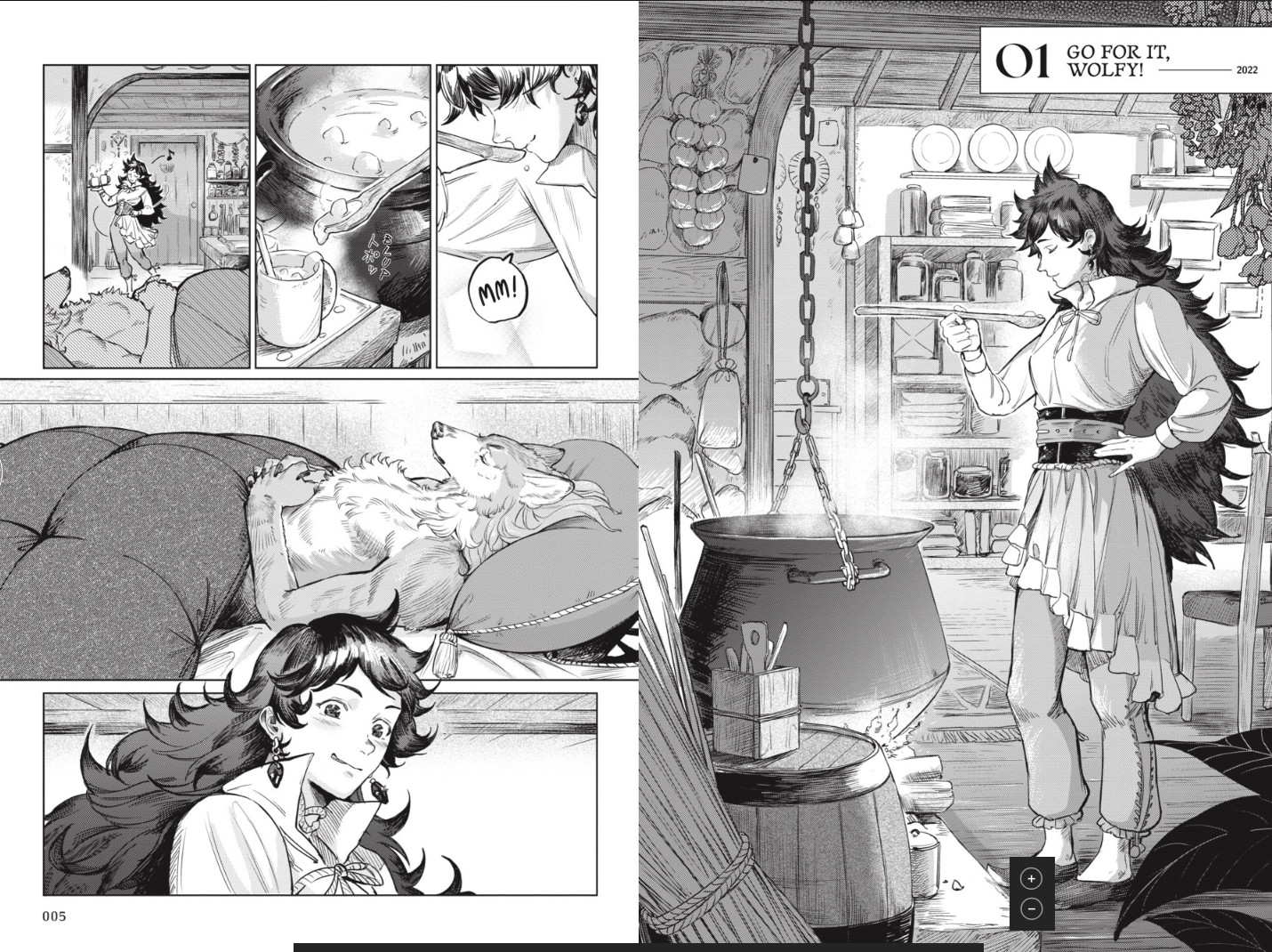
The collection opens with "Go for It, Wolfy," a narrative that immediately introduces Morino’s distinctive blend of humor and poignant character development. The protagonist, a wolf humanoid butler, finds himself abruptly dismissed from service by his employer, the eccentric Witch of Flowers, who declares an unexpected preference for felines. This abrupt dismissal forces Wolfy into a new, equally peculiar arrangement with the Witch of Scales. The new witch, whose primary interaction with Wolfy involves intense, often unwelcome, petting, only breaks this habit to assign him an array of absurd and challenging chores.
Initially, Wolfy’s experience is one of discomfort and frustration, highlighting the challenges of adapting to new environments and personalities. However, Morino masterfully crafts a gradual shift in their dynamic. Despite the Witch of Scales’ eccentricities and Wolfy’s initial reluctance, his innate need to serve as a familiar to a witch slowly fosters a sense of loyalty and even affection. This story subtly explores themes of professional identity, the search for belonging, and the unexpected bonds that can form despite initial friction. It suggests that understanding and connection can emerge even from the most unconventional of circumstances, a recurring motif in Morino’s work. The humor derived from the witches’ quirks and Wolfy’s stoic reactions provides a lighthearted entry point into deeper emotional currents.
-
"Training a Gryphon": Rivalry, Humility, and Unexpected Mentorship
Further into the collection, "Training a Gryphon" delves into themes of pride, competition, and the transformative power of humility. The central character, Yuri the Perfect, embodies academic excellence and an almost arrogant self-assurance, believing himself to be the singular, undisputed ace of his school. His meticulously constructed world of self-proclaimed superiority is disrupted when another student is appointed as a prefect, placing them on an equal footing. This perceived affront fuels Yuri’s frustration, particularly when a seemingly straightforward gryphon riding lesson proves to be an insurmountable challenge for him, while his new "arch rival" demonstrates an effortless natural talent.
Yuri’s struggle is intensified by the gryphon itself, which Morino portrays with a subtle, almost mocking sentience, further chipping away at his self-esteem. This narrative arc cleverly uses the fantastical element of gryphon training to explore the very human experience of encountering one’s limitations and the bitterness of perceived failure. However, the story takes a turn as the rival prefect, instead of gloating, extends kindness and understanding. This unexpected empathy begins to dismantle Yuri’s walls of pride, illustrating how external validation and the softening of a competitive spirit can lead to personal growth. The narrative champions the idea that true strength lies not just in individual prowess but also in the capacity for connection and mutual respect, even with those initially viewed as adversaries.
-
"On the Boundary’s Road": Ambition, Community, and Exploitation
The titular story, "On the Boundary’s Road," stands out as a powerful and emotionally resonant piece, embodying the zenith of Morino’s thematic and narrative capabilities. It centers on the younger brother of a duo, driven by an ambition to establish his own eatery, separate from the family business—a restaurant inherited from their parents which he feels rightfully belongs to his older sibling. Following a significant dispute with his brother, he makes the audacious decision to open his establishment in the ominous woods adjacent to their town. These woods are notorious, forbidden territory, shrouded in local lore due to the dangers posed by the "cursed beasts" said to inhabit them.
His initial endeavors are fraught with peril, yet through perseverance and an open heart, he not only succeeds in building his eatery but also forms an unexpected camaraderie with the very beasts deemed dangerous. This transformation of a hostile environment into a thriving community, founded on mutual respect and shared sustenance, is a testament to the younger brother’s vision and Morino’s belief in the power of understanding across species. The narrative subtly highlights the beauty of coexistence and the breaking down of prejudice. However, this idyllic success is shattered when his older brother, learning of his sibling’s prosperity, views it not as a triumph of spirit but as an opportunity for exploitation. This tragic turn introduces a layer of human avarice and betrayal, contrasting sharply with the harmony achieved with the "cursed" beasts. The story’s tragic irony, where human greed proves more dangerous than any mythical creature, and the profound drama it evokes, are frequently cited as among Morino’s finest writing achievements, underscoring her ability to craft narratives with significant emotional depth and moral complexity.
Artistic Excellence: A Visual Feast
Beyond her compelling narratives, Suzuka Morino’s manga is visually captivating. Her character design is consistently lauded as being of an exceptionally high standard. Many of her humanoid animals are depicted with a majestic quality, combining animalistic features with human grace in a way that feels both natural and fantastical. The intense focus on the intricate details of their presentation—from fur textures to unique anatomical features—lends them an immediate sense of realism and presence. The human characters, while serving as a contrast, are also competently drawn, exhibiting a range of expressions and body language that enhance their roles in the narrative.
Morino’s ability to render movement is equally impressive, with action sequences and subtle gestures alike being well-sketched and dynamic. This attention to fluidity ensures that the stories flow seamlessly, allowing readers to immerse themselves fully in the unfolding events. Furthermore, the backgrounds are not mere afterthoughts; they are intriguing and contribute significantly to the atmosphere and world-building of each story. Whether depicting a witch’s eccentric abode, a challenging training ground, or the foreboding yet ultimately welcoming enchanted woods, the environmental details are rich and thoughtfully composed. Overall, the artistry in "On the Boundary’s Road" is an integral component of its appeal, showcasing an impressive command of the manga art form.
The Anthology Format: Strengths and Limitations
The short story format, while offering a diverse range of narratives, inherently presents certain challenges. As observed by critics, some of the stories within the collection, particularly shorter pieces like "Working as an Apprentice Butler" (featuring a humanoid tiger boss and a human servant), feel notably brief, spanning only a few pages. This brevity can sometimes lead to a sense of narratives being rushed, where complex themes or character developments are not fully communicated or explored to their utmost potential. The concise nature of these segments might leave readers desiring more depth or a longer engagement with the intriguing premises Morino introduces.
Despite these limitations, the anthology format also highlights Morino’s versatility and ability to craft compelling micro-narratives. The overarching themes of anthropomorphism, the profound impact of benevolent actions, and the inevitable consequences of malevolent ones coalesce to form an appealing and cohesive collection. The strength of this thematic amalgam is particularly evident in the final, titular segment, "On the Boundary’s Road," which distills and elevates all these aspects to their highest degree. This story’s poignant ending and dramatic resonance serve as a powerful testament to Suzuka Morino’s burgeoning writing abilities, often leading readers and critics to express a desire for it to be expanded into a full-length series.
Broader Implications and Industry Context
Suzuka Morino emerges at a time when the manga industry, both in Japan and internationally, is experiencing a surge in demand for diverse storytelling and unique artistic voices. Her focus on interspecies relationships, while a classic fantasy trope, is given a fresh perspective through her nuanced characterizations and ethical explorations. This approach positions her work favorably among readers seeking narratives that blend fantastical elements with profound humanistic inquiries, appealing to a demographic that appreciates works like "Natsume’s Book of Friends" or "The Ancient Magus’ Bride," which similarly explore the intricate connections between humans and the supernatural.
For the English-language market, where Morino is still a relatively new name, "On the Boundary’s Road" acts as a crucial introduction. It showcases her distinct identity and signals her potential to become a significant voice. The anthology format is particularly effective for introducing new creators, offering readers a varied taste of their style and thematic interests without the long-term commitment of a serial. Industry analysts might view Morino’s ability to tackle complex emotional and social issues within a fantasy framework as a key differentiator, indicating a broad appeal across various reader demographics, from young adults to more mature audiences who appreciate thoughtful storytelling.
The emphasis on delicate linework and detailed character design also aligns with current aesthetic preferences in manga, where high-quality artwork is often a primary draw. Her capacity to create visually stunning demihuman characters, rather than relying on generic designs, sets her apart and ensures her work leaves a lasting impression. As the manga market continues to expand globally, creators like Morino, who offer a unique blend of visual artistry and thematic depth, are well-positioned to carve out substantial niches.
Conclusion: A Promising Voice on the Horizon
"On the Boundary’s Road: The Works of Suzuka Morino" undeniably possesses the inherent limitations of a short story omnibus, primarily the occasional sense of brevity. However, these minor drawbacks are significantly overshadowed by the collection’s profound strengths. It unequivocally highlights the considerable talents of Suzuka Morino as both a storyteller and an artist. Her distinct visual style, characterized by delicate linework and majestic demihuman designs, combined with her incisive exploration of relationships across species, establishes her as a unique and compelling voice. The collection, particularly its poignant and dramatically rich titular segment, serves as a powerful testament to her potential, suggesting that Morino is a mangaka whose future works are eagerly anticipated and whose unique contributions to the fantasy genre are just beginning to unfold. Her ability to infuse fantasy with genuine emotional depth and thought-provoking social commentary marks her as an artist poised for broader recognition and continued success within the international manga landscape.