Episode 9 of the anime series MAO has garnered a community score of 3.8, a figure that reflects a mixed reception from viewers. This installment, while offering compelling narrative developments and a deeper dive into the darker aspects of its universe, has been met with criticism regarding its pacing and structural choices. The episode’s presentation, divided into two distinct halves that concluded one arc while initiating another, contributed to a perceived disjointed flow. Further exacerbating this issue was a significant reliance on flashbacks and recaps, a characteristic that has drawn comparisons to past anime adaptations and raised concerns about the series’ long-term narrative momentum.
Structural Challenges and Pacing Concerns
The review highlights a recurring issue in episode nine: an overemphasis on recapping recent events and delving into extended flashbacks. This structural choice, particularly at the nine-episode mark of a series typically slated for a single cour (approximately 12 episodes), has been identified as a significant drawback. For a series like MAO, which is based on a manga with over 300 chapters, being only nine episodes into its anime adaptation means viewers are still in the relatively early stages of the overarching narrative. The expectation, therefore, would be for the anime to propel the plot forward rather than revisiting already established information.
The reviewer explicitly notes a moment of disappointment, thinking, "Just as I started complimenting this show on its pacing, it starts doing this." This sentiment underscores the frustration with a sudden shift towards narrative repetition. The article draws a parallel with the anime adaptation of Inu Yasha, a well-known series also penned by Rumiko Takahashi. Inu Yasha was frequently criticized for its extensive use of recaps and filler episodes. The concern is that MAO‘s anime adaptation might be inadvertently replicating one of the most criticized aspects of Takahashi’s previous work, potentially undermining the show’s inherent strengths. The article posits that this trend is particularly concerning given that MAO‘s anime pacing has, until this point, been generally well-received. The implication is that if this habit of padding runtime with recaps continues, it could significantly detract from the overall viewing experience and squander the positive momentum the series had built.
Thematic Exploration and Narrative Development
Despite the pacing concerns, episode nine did deliver on several fronts, particularly in its first half. This segment successfully concluded the arc involving an immortal apprentice from a millennium ago. A pivotal revelation emerged: the waitress character is an ayakashi, a supernatural being. This revelation, coupled with a graphically violent comeuppance for a villain who targeted women, was lauded as a positive development. The reviewer described the villain’s demise as "deliciously gory," indicating a willingness by the series to explore darker themes.
This emphasis on brutal consequences and the supernatural nature of characters has solidified the perception that MAO is one of Rumiko Takahashi’s darker works. While this has been a subtle undercurrent throughout the series, the explicit depiction of a man’s heart being forcefully ripped from his chest serves as a definitive marker. This thematic exploration suggests a departure from some of Takahashi’s lighter fare and positions MAO as a series unafraid to delve into more mature and unsettling territory. The episode effectively transitioned from the established supernatural conflict to a new narrative direction in its second half.
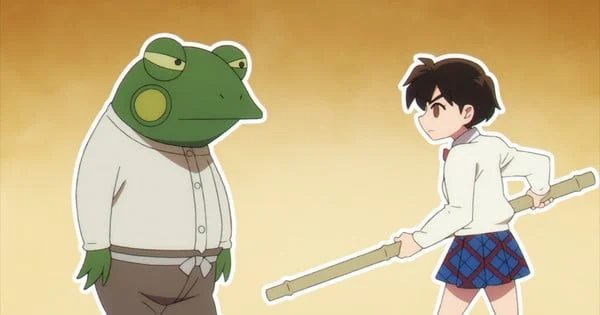
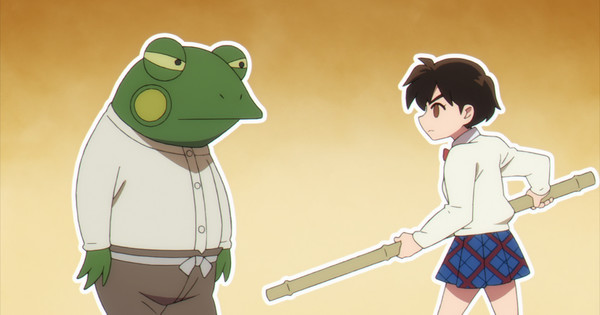
The latter portion of the episode introduced new elements, including dragonflies and frogs, hinting at a future collaboration between Mao and Hyakka. This partnership is expected to focus on solving a mystery, and Nanoka is poised to take on a more active combat role, leveraging her understanding of elemental powers. This shift in focus has re-engaged the audience, particularly with the prospect of Hyakka receiving more screen time. Hyakka, along with other apprentices who once sought to curse Mao, remains a figure shrouded in mystery. The promise of exploring their backstories and motivations offers a significant avenue for narrative expansion. The article notes Hyakka’s peculiar backstory of traveling with a circus and his "floating heads," suggesting a potential for a compelling and eccentric supporting character.
Historical Context and Potential Implications
The series MAO is set in early 20th-century Japan, a period of significant societal change and lingering traditional beliefs. This historical backdrop is crucial for understanding the supernatural elements and the societal anxieties that may be explored within the narrative. The presence of ayakashi, ancient curses, and individuals with extraordinary abilities is interwoven with the historical setting, creating a unique blend of fantasy and historical fiction. The introduction of apprentices from a millennium ago directly taps into this rich historical context, suggesting that the series aims to explore the long-standing repercussions of past events and the enduring nature of supernatural forces.
The core conflict of MAO revolves around the protagonist, Mao, who is cursed and possesses a demon arm. He is tasked with exorcising yokai and protecting humans from supernatural threats. The narrative is driven by his quest to break his own curse and uncover the truth behind his predicament, which involves a complex web of relationships and ancient prophecies. The introduction of other apprentices from a millennium ago, particularly those who were once adversaries, adds layers of complexity to this central conflict. It implies that Mao’s curse and the events surrounding it are part of a much larger, historical struggle with deep roots.
The mention of Mao and the Byoki being "framed" suggests a conspiracy or a deliberate misrepresentation of events from the past. This element introduces a mystery that extends beyond the immediate supernatural threats. Understanding who framed them, why, and the true nature of their past actions will likely be a significant driving force for the latter half of the series. The implications of these revelations could redefine the characters’ allegiances and the very nature of the conflict. It raises questions about the reliability of historical accounts within the MAO universe and the possibility of a hidden truth being revealed.
The comparative analysis with Inu Yasha also provides a crucial piece of context. Both series are created by Rumiko Takahashi, renowned for her ability to blend action, romance, and supernatural elements. Inu Yasha enjoyed a long and successful run, but its anime adaptation faced criticism for its pacing and the inclusion of filler content. The MAO anime, by exhibiting similar pacing issues early on, risks alienating viewers who might have expected a more streamlined and engaging adaptation, especially given the series’ potential for a more condensed narrative arc within its initial cour. The success of MAO‘s anime adaptation hinges on its ability to navigate these pacing pitfalls and deliver a compelling narrative without resorting to the perceived excesses of its predecessor.
Community Reception and Future Outlook
The community score of 3.8 for episode nine, while not critically low, indicates a segment of the audience found the installment to be less than satisfactory. This score, in conjunction with the critical review, suggests that the pacing and structural issues are not isolated concerns but rather widely perceived flaws. However, the reviewer’s continued interest in the series, particularly with the introduction of the ancient apprentices and the ongoing mystery surrounding Mao and the Byoki, points to the underlying potential of the narrative.
The reviewer’s hope that the series will avoid getting "bogged down by excessive recaps" is a sentiment likely shared by many viewers. The concern is that the show might repeat the mistakes of Inu Yasha‘s anime adaptation, where pacing issues were a persistent criticism. The article expresses a desire for MAO to maintain its current strong pacing, which has been a positive attribute up to this point. The fear is that a reliance on padding could undermine the otherwise engaging plot and character development.
The streaming availability of MAO on Hulu provides a platform for a broad audience to engage with the series. As the narrative progresses, particularly with the deepening of the ancient apprentices’ storylines and the unraveling of the "framing" conspiracy, the series has the opportunity to regain and even surpass its initial critical momentum. The effectiveness of the latter half of the season will be crucial in determining the overall reception of MAO‘s first anime adaptation and its ability to stand on its own merits, distinct from the legacy of Inu Yasha. The anticipation for new information about Hyakka and the other ancient apprentices suggests a strong appetite for world-building and character exploration, which, if executed well, could elevate the series beyond its current pacing challenges. The series’ future trajectory will depend on its capacity to balance its darker thematic elements with a cohesive and forward-moving narrative, ultimately leaving a lasting impression on its audience.