The fifth and penultimate episode of "The Terror: Devil in Silver" thrusts viewers into a maelstrom of personal reckonings and institutional decay. Titled "What We Do in Life," the installment sees Dory confronting the ghosts of her past, Pepper wrestling with his future, and Miss Chris finally taking a decisive stand against the pervasive injustices within the New Hyde psychiatric facility. This episode, airing as the season hurtles towards its conclusion, serves as a critical juncture, exposing the deep-seated rot within the institution and the desperate measures taken by its inhabitants, both human and supernatural, to survive or escape.
The Review Board and the Unraveling of New Hyde
The episode opens under the scrutinizing gaze of Dr. Cleave (Robert Sean Leonard), a representative of the review board. Ostensibly tasked with investigating the death of Coffee—born Kofi—Cleave’s true objective is to rubber-stamp the closure of the New Hyde unit. His detached, bureaucratic approach is palpable as he systematically checks off procedural boxes, indifferent to the human cost. The atmosphere within the unit is thick with apprehension and evasion. Josephine appears adrift and visibly worried, while Scotch Tape adopts a defensive posture. The patients, when questioned, offer a unified, evasive chorus: "I don’t know what happened. I was in my room." This collective amnesia, born of fear and a desperate attempt at self-preservation, highlights the pervasive control and silencing mechanisms at play within New Hyde.
Miss Chris’s Defiance: A Beacon of Resistance
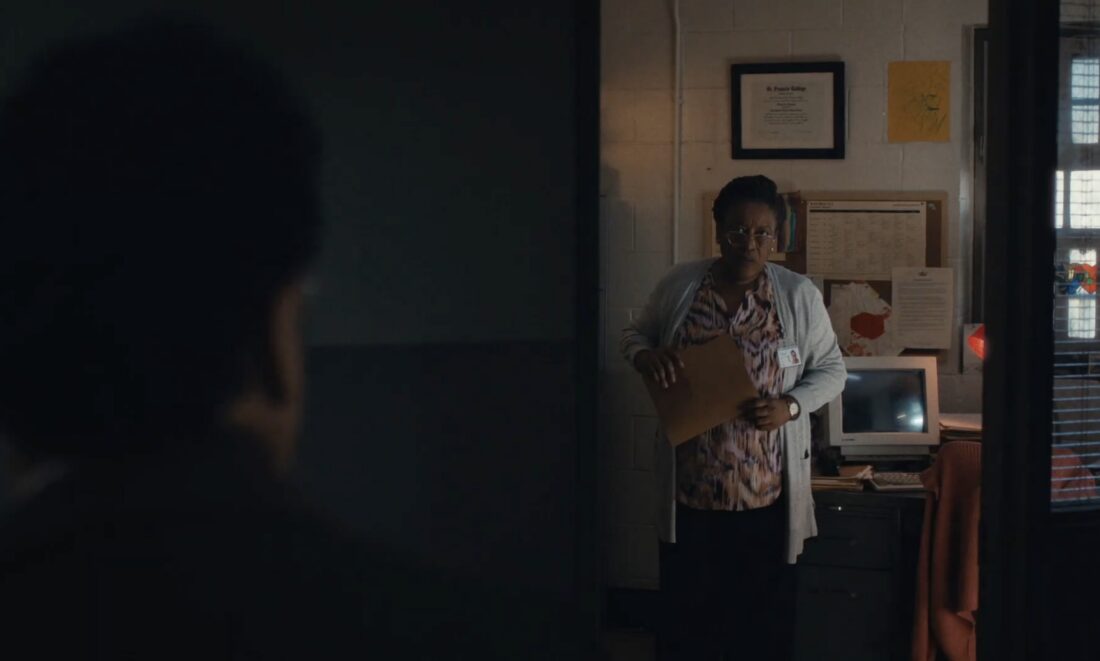
While the reviewer board’s presence casts a pall, it also ignites a long-simmering fire within Miss Chris. Despite past criticisms of her methods, the tragic execution of Coffee, a Black man with a disability, serves as a catalyst for her open defiance. She boldly confronts the "hospital brass," condemning their pattern of neglect. Miss Chris articulates a bitter truth: New Hyde and its patients are treated as if they cease to exist until a crisis erupts, at which point they become the focus of superficial attention. Her impassioned outburst, punctuated by the colloquialism, "doo-doo hits the fan," underscores her frustration with the systemic hypocrisy and the callous disregard for the lives under their care.
Dr. Anand’s Downfall: A Faustian Bargain’s End
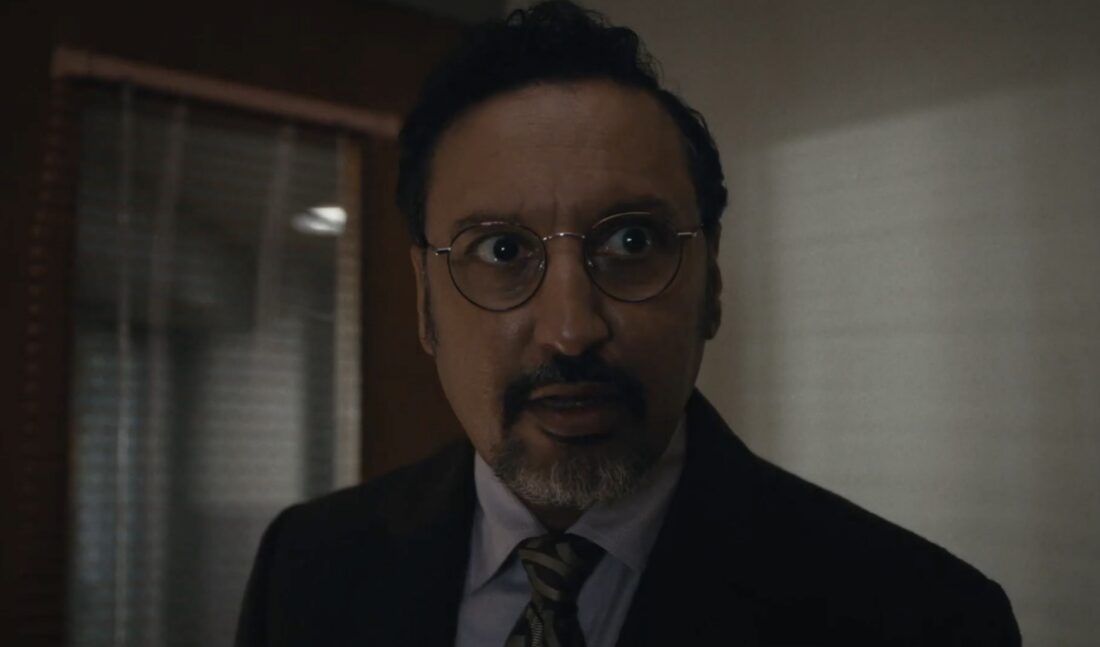
Dr. Anand, a figure who has consistently navigated the ethical minefield of New Hyde with a degree of moral ambiguity, finds himself at a precipice. He is presented with an opportunity to fight back against the review board’s machinations but instead succumbs to despair, seemingly accepting his predetermined fate. The narrative reveals Anand as a man who has entered into a tacit, if not explicit, pact with the malevolent forces at play. His continued employment, and presumably his comfort, hinges on his ability to supply the institution—and by extension, the entity haunting it—with a steady stream of vulnerable patients, thereby ensuring the flow of both souls and financial resources. The moment he can no longer fulfill this role, his own fate becomes precarious, culminating in a violent dismissal that underscores the transactional and ultimately disposable nature of his position. His journey serves as a cautionary tale of complicity and the consequences of prioritizing personal survival over ethical responsibility.
Dory’s Past Unveiled: A Legacy of Trauma
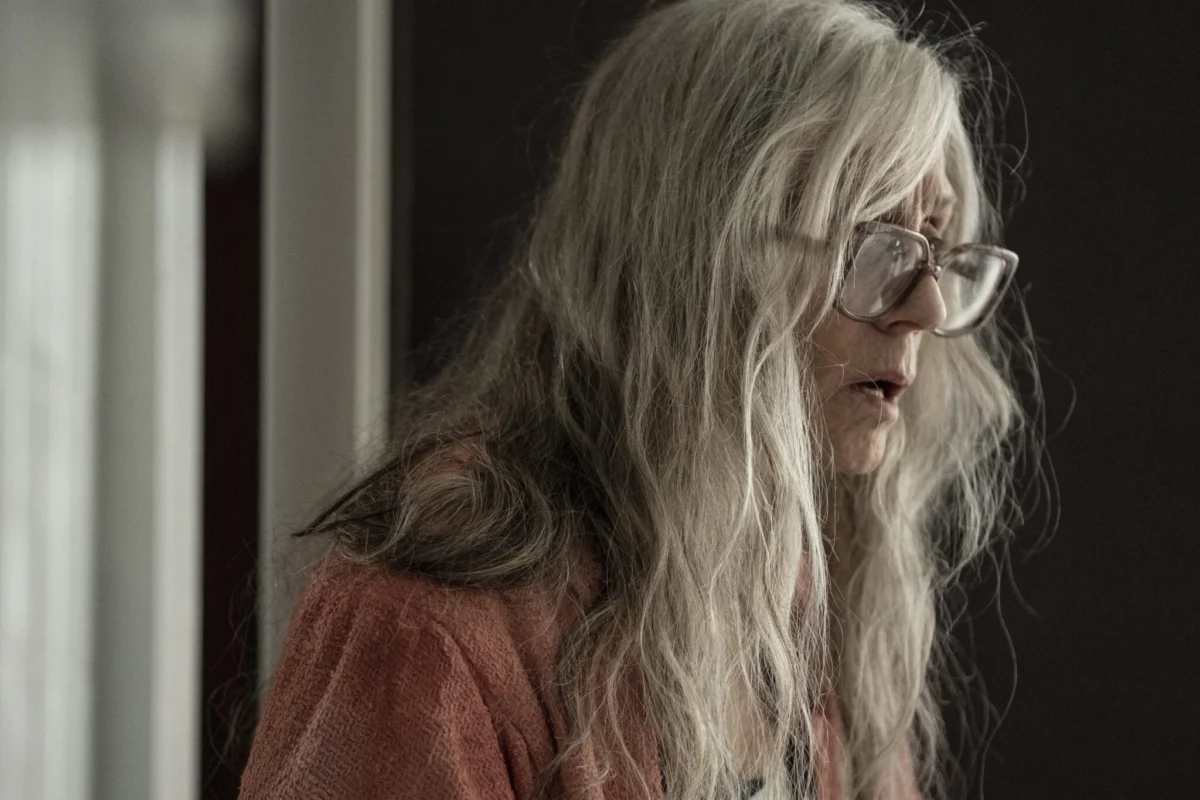
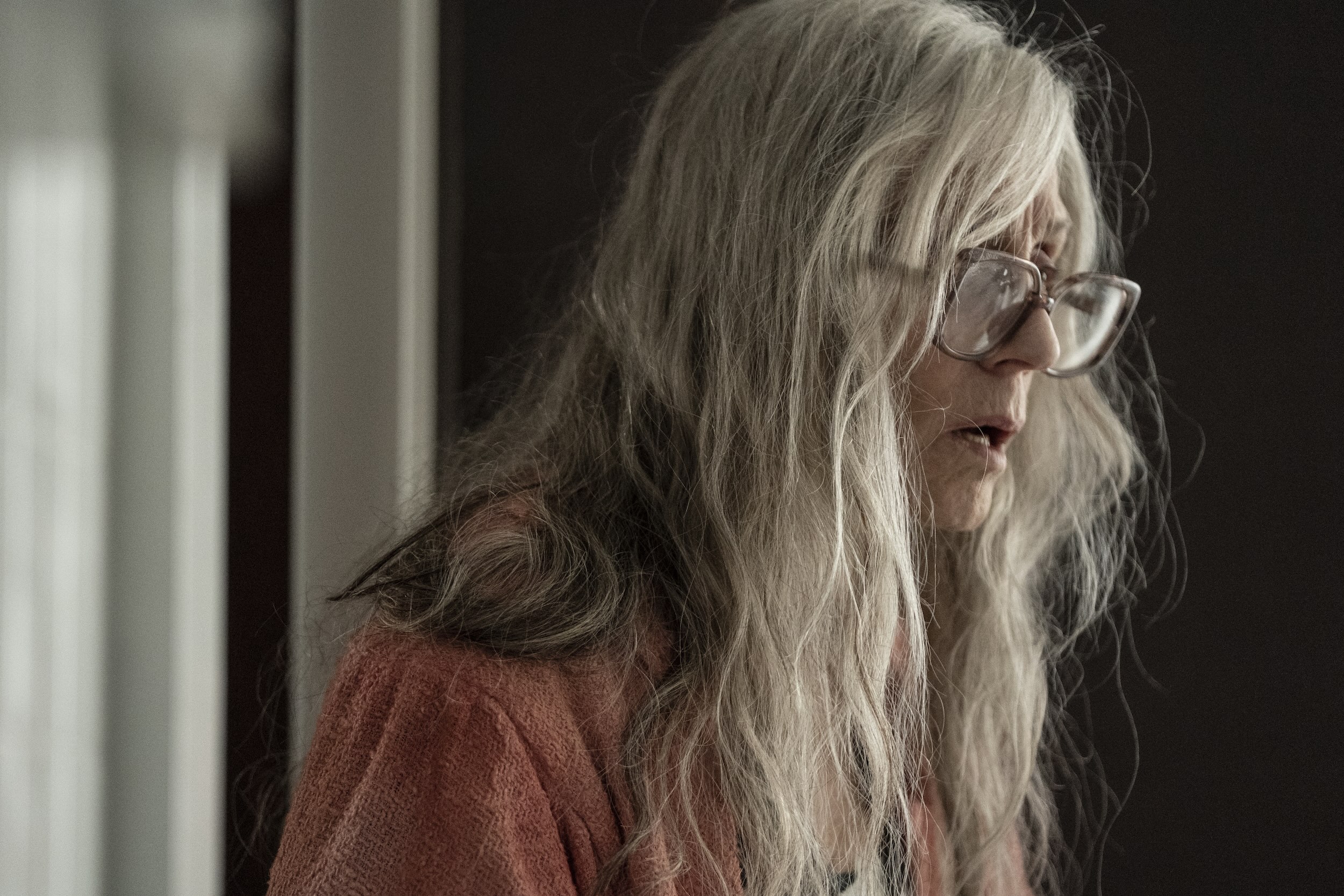
The episode delves deeply into the fractured psyche of Dory, whose pre-New Hyde identity is revealed as Dorinda. Her emotional vulnerability, marked by tears rather than the violent outbursts seen in characters like Loochie, suggests a complex internal landscape. The nature of her mental state—whether it stems from mental illness, neurodivergence, or a confluence of both—remains a subject of poignant ambiguity. Central to her narrative is the cruel manipulation by her husband, Ralph. Portrayed as a patronizing and deceitful figure, Ralph’s dismissiveness towards Dory’s feelings and experiences is starkly illustrated. His calculated deception, lying about an eye doctor appointment to orchestrate a romantic outing before betraying her with chilling finality, paints a devastating picture of emotional abuse and control. This flashback sequence is crucial for understanding the deep-seated trauma that likely contributed to her institutionalization.
The Shadow of Dr. Walter Freeman and the Lobotomy Era
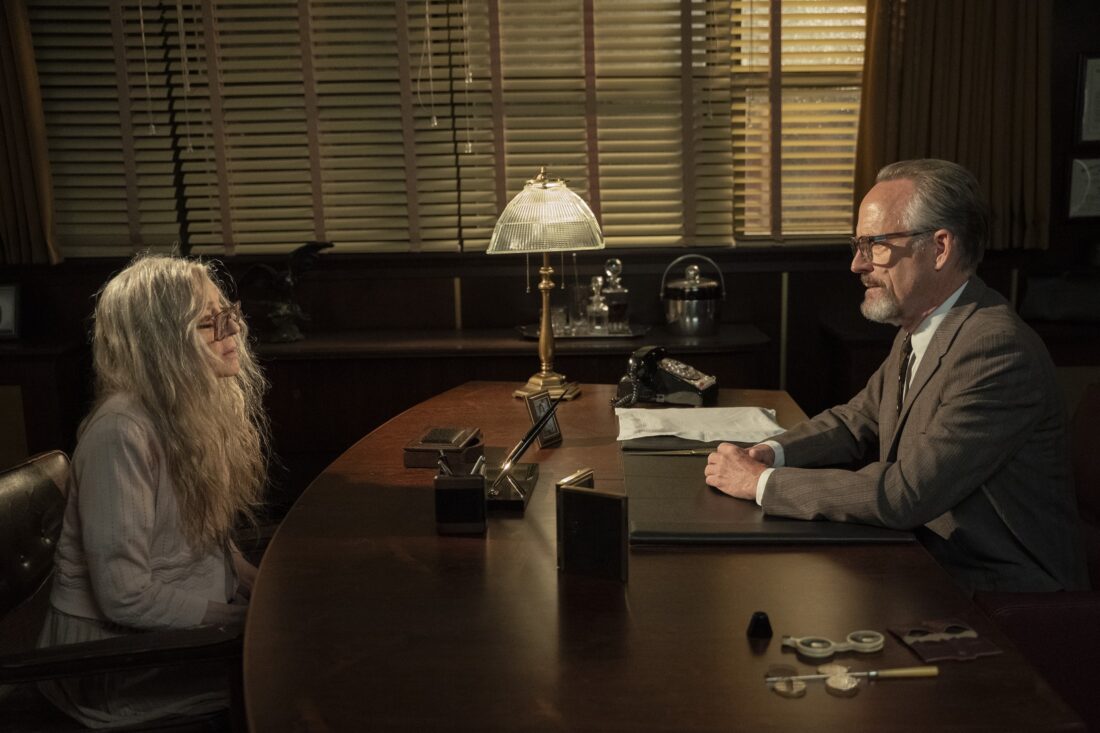
The character of Dr. Walter, the physician directly responsible for Dory’s lobotomy, draws a chilling parallel to the real-life Dr. Walter Freeman, a notorious figure in psychiatric history. Freeman popularized the transorbital lobotomy, a procedure often performed with alarming frequency and minimal ethical consideration. Between 1936 and the mid-1950s, an estimated 50,000 individuals in the United States and Canada underwent lobotomies, with women disproportionately represented. A significant portion of these patients, particularly those subjected to Freeman’s methods, experienced severe psychological damage, with symptoms like apprehension and insomnia being treated with irreversible brain surgery. The historical context reveals a disturbing pattern: women were often deemed "more normal" after these procedures, even if they reported a loss of spontaneity, their husbands’ approval often serving as the sole metric of success. Dory’s lobotomy, performed in the late 1960s, occurred during a period when Freeman himself was facing scrutiny and was eventually banned from performing the procedure following a patient’s death during her third operation. This historical backdrop lends a profound weight to Dory’s experience, framing her suffering within a broader societal failure to adequately address mental health.
The Devil’s Appetite and Institutional Malfeasance
The narrative then pivots to the insidious nature of the entity haunting New Hyde, referred to as the "Devil." Its interest lies not in the staff or the board members, but in vulnerable patients like Dory and Pepper, those slated for transfer to new facilities. This predatory behavior is likened to a parasite seeking new hosts, a relentless hunger for sustenance. Beyond the supernatural, the episode critiques the systemic vulnerabilities of psychiatric institutions. Facilities like New Hyde, even those perceived as reputable, are perpetually on the brink of collapse, susceptible to funding cuts and the avarice of their overseers. Dory’s history at New Hyde is a testament to this enduring institutional failure. She endured the barbaric "good years" under Dr. Walter’s scalpel and the "bad years" of overmedication and punitive measures under Dr. Anand. The implication is clear: had lobotomies remained a viable practice, Anand, driven by his own distorted logic, would likely have subjected all his patients to them.
Literary Parallels: Van Gogh and the Echoes of Suffering
The episode thoughtfully integrates literary references, particularly through the characters’ engagement with "The Letters of Vincent van Gogh." Dr. Anand’s resonance with Van Gogh’s reflections on patients aiding one another is interpreted not as a heartwarming sentiment but as a stark indictment of the dire conditions within institutions. Anand’s own efforts, rather than fostering genuine support, inadvertently recreate the very circumstances that failed Van Gogh, highlighting a cycle of neglect.
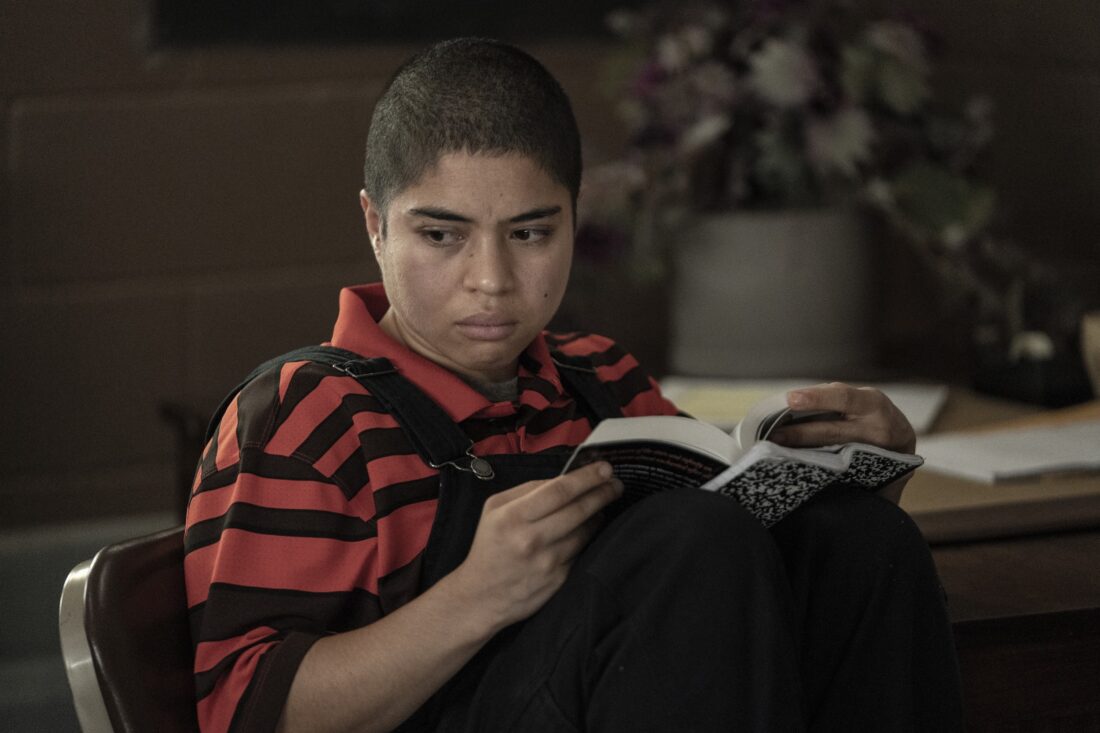
Loochie, an artist herself, finds a profound connection with Van Gogh. Both are individuals whose artistic expression is hampered by mental health challenges, prone to uncontrollable violent outbursts, and grappling with feelings of insignificance and isolation. The conversation between Loochie and Nana, particularly concerning Loochie’s past actions towards their brother, gains an amplified emotional resonance when juxtaposed with the story of Vincent and his supportive brother, Theo. Theo’s unwavering belief in Vincent’s artistic endeavors, even in the face of his brother’s severe mental health crisis and eventual suicide, stands in stark contrast to Loochie’s fractured familial relationships.
Pepper’s Struggle: Reconciling Past and Future
In contrast to Loochie’s yearning for familial connection, Pepper actively pushes his biological family away. The trauma of Coffee’s fate weighs heavily on him, intensifying his fear that his son, Anthony, might suffer a similar fate. The previous week’s episode, where the Devil preyed on Pepper’s guilt-ridden memories, has clearly left its mark. Anthony’s appearance, offering solace to the father who abandoned him, is a poignant moment. The complex reality of being the adult child of an absent parent is explored: a childhood spent craving the attention of someone who offered none, evolving into an adult understanding that their identity was shaped by that very absence. Anthony, having navigated this difficult terrain, demonstrates remarkable grace, a testament to Pepper’s own efforts to mend the damage caused by his past mistakes.
"Duppy" and the Unseen Adversary
The malevolent entity plaguing New Hyde is given further definition through various monikers. While the "Devil" has offered a spectrum of names, Miss Chris introduces the term "duppy," rooted in Black Caribbean folklore and originating from West African spiritual traditions. Miss Chris displays a shrewdness in her encounter with Arnold Visserplein, recognizing the danger and tactfully retreating. However, her subsequent decision to reveal her strategy for trapping the entity in Northwest to the duppy itself proves to be a critical misstep, highlighting the peril of underestimating an enemy, especially one with supernatural capabilities.
Dory’s Burden: A Legacy of Exploitation
Dory’s relationships with men are characterized by a pattern of exploitation and misunderstanding. Ralph treated her as disposable, Pepper perceives her as less intelligent, and Dr. Anand dismisses her as mentally unstable. The Devil, often manifesting in male forms, views her as a mere pawn in its relentless pursuit of sustenance. Coffee, her sole male friend who sought only companionship, is now deceased. Dory bears a share of the responsibility for the violence at New Hyde, but this responsibility is shared by the staff and Pepper. She was not the architect of the violence but a victim, compelled by men and the Devil to act against her will. Yet, her decision to cease resisting the Devil’s influence, to engage in "his dirty work," albeit with good intentions, resulted in harm to others.
The Unanswered Question: Sacrifice or Survival?
As the patients face relocation, the question of their future looms large. Will the new facility offer solace or merely a different form of suffering? The episode poses a profound ethical dilemma: is a prolonged, compromised existence preferable to an earlier, self-determined end? Coffee’s sacrifice, an act of courage to protect his friends, prompts reflection on its ultimate value. Dory’s final act of defiance, channeling decades of suppressed rage against patriarchy and abuse, came at the cost of her life. The episode concludes by placing the onus on Pepper, Loochie, and Miss Chris to ensure that Coffee’s sacrifice and Dory’s struggle are not in vain. The impending finale promises to reveal whether Pepper’s final confrontation will be successful or if Loochie’s somber premonition—that they "ain’t going home"—will prove tragically accurate. The season’s climax is poised to be a pivotal and emotionally charged conclusion.
Notable Quotes:
Cleave: "How long did you know the deceased?"
Dory: "Which one?"
This exchange, while dark, injects a moment of sharp, albeit grim, humor, underscoring Dory’s disillusionment and the chaotic nature of life within New Hyde.