Disney and 20th Century Animation have officially released the first teaser trailer for Ice Age: Boiling Point, the sixth installment in the long-running animated franchise that has captivated global audiences for over two decades. The reveal, which occurred on June 4, 2026, marks a significant milestone for the series as it transitions fully into the Disney era while attempting to recapture the theatrical grandeur that defined its earlier entries. Scheduled for a nationwide theatrical release on February 5, 2027, the film—informally known as Ice Age 6—promises a return to the high-stakes, slapstick-driven adventure that made the original films a cornerstone of modern animation.
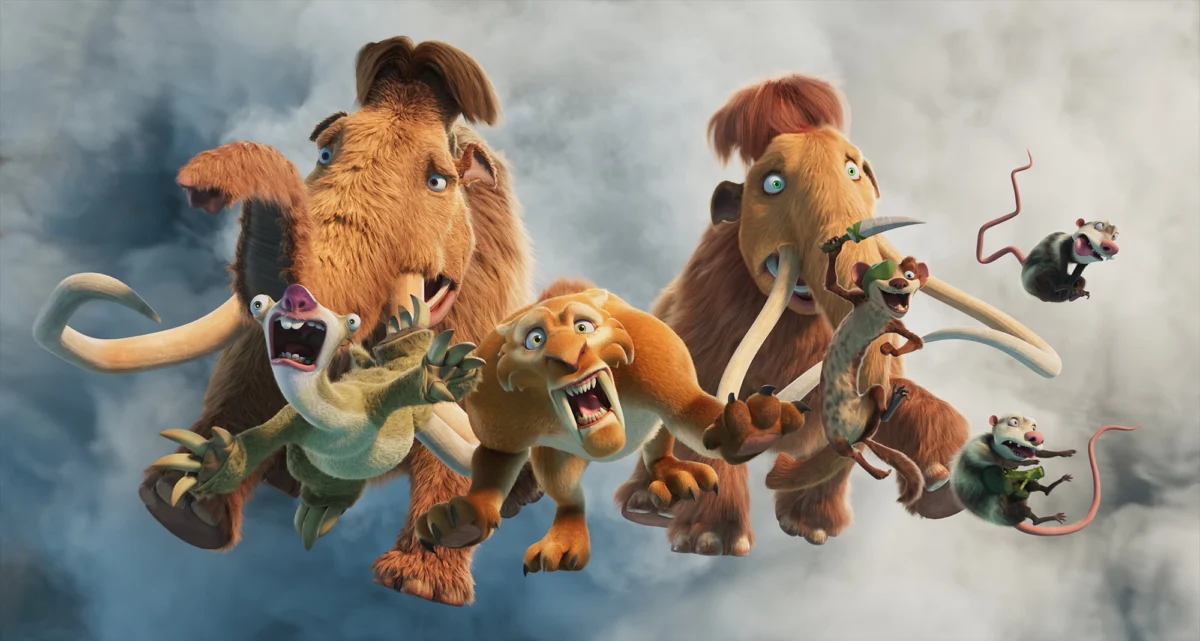
The newly released footage, while brief, confirms the return of the central "herd," including Manny the mammoth, Sid the sloth, and Diego the saber-toothed tiger. The teaser suggests a narrative centered on the "Lost World," a subterranean tropical environment first introduced in the 2009 hit Ice Age: Dawn of the Dinosaurs. In this upcoming iteration, the characters find themselves navigating a volatile landscape of active volcanoes and flowing lava, justifying the film’s "Boiling Point" subtitle. The trailer features a frantic sequence where the group is ejected from a volcanic vent, signaling a shift toward more action-oriented set pieces compared to the franchise’s most recent streaming-exclusive spin-offs.
The Evolution of the Ice Age Franchise and Production History
The journey of the Ice Age franchise is a reflection of the broader shifts within the Hollywood animation industry over the last twenty-five years. Originally conceived and produced by Blue Sky Studios, the franchise launched in 2002 under the banner of 20th Century Fox. The first film was a surprise critical and commercial success, grossing over $383 million worldwide and establishing Blue Sky as a formidable competitor to Pixar and DreamWorks.
Following the success of the original, the franchise expanded through several sequels: The Meltdown (2006), Dawn of the Dinosaurs (2009), Continental Drift (2012), and Collision Course (2016). However, the landscape changed significantly in 2019 when The Walt Disney Company acquired 21st Century Fox, including 20th Century Studios and Blue Sky. In a move that shocked the animation community, Disney shuttered Blue Sky Studios in 2021, citing the economic impact of the COVID-19 pandemic.

Despite the closure of the original studio, Disney recognized the enduring value of the Ice Age intellectual property. The franchise remains one of the highest-grossing animated series in history, with a cumulative global box office exceeding $3.2 billion. In 2022, Disney released The Ice Age Adventures of Buck Wild on Disney+, which served as a spin-off focused on the character Buck (voiced by Simon Pegg). Ice Age: Boiling Point represents a return to the main series and, more importantly, a return to a full-scale theatrical release strategy, signaling Disney’s confidence in the brand’s ability to draw large crowds to cinemas.
Narrative Direction and Returning Voice Talent
Ice Age: Boiling Point is directed by John Donkin, a veteran of the franchise who served as a producer on the original Ice Age and several of its sequels. Donkin previously directed The Ice Age Adventures of Buck Wild, and his elevation to the director’s chair for the sixth main installment suggests a desire for continuity in the franchise’s visual and comedic style. The film is produced by Lori Forte, who has been a guiding creative force for the series since its inception.
The production has secured the return of the franchise’s "A-list" voice cast, a move seen by industry analysts as essential for maintaining the series’ identity. Ray Romano returns as the pragmatic Manny, John Leguizamo as the eccentric Sid, and Denis Leary as the stoic Diego. Joining them are Queen Latifah as Ellie and Simon Pegg as the swashbuckling weasel Buck. The teaser also confirms the presence of fan-favorite supporting characters Crash and Eddie, as well as the return of Scrat, the saber-toothed squirrel whose Sisyphean quest for an acorn has become the franchise’s signature motif. Notably, the teaser introduces "Baby Scrat," a character who first appeared in the Scrat Tales shorts, suggesting that family dynamics will play a central role in the subplots of the new film.
The plot involves the herd venturing into uncharted regions of the Lost World. Unlike the icy tundras of the first film or the oceanic settings of Continental Drift, Boiling Point focuses on geothermal hazards. The "Lost World" setting allows the creative team to reintroduce dinosaurs into the narrative, providing a biological foil to the Cenozoic mammals that lead the cast.
A Chronology of the Ice Age Cinematic Universe
To understand the stakes of Boiling Point, it is necessary to examine the timeline of the franchise’s theatrical and streaming releases:

- Ice Age (2002): Introduced the unlikely trio of Manny, Sid, and Diego as they attempted to return a human infant to its tribe.
- Ice Age: The Meltdown (2006): Explored the environmental threats of a warming world and introduced Ellie, Crash, and Eddie.
- Ice Age: Dawn of the Dinosaurs (2009): The herd discovered a subterranean world where dinosaurs survived extinction. This remains the highest-grossing film in the series, earning $886.7 million.
- Ice Age: Continental Drift (2012): Used the breakup of Pangaea as a backdrop for a high-seas adventure involving pirates.
- Ice Age: Collision Course (2016): A cosmic-themed entry where Scrat inadvertently triggers a series of celestial events that threaten Earth.
- The Ice Age Adventures of Buck Wild (2022): A Disney+ original movie that focused on the escapades of Buck, Crash, and Eddie in the Lost World.
- Ice Age: Boiling Point (2027): The upcoming sixth theatrical installment, returning the focus to the full ensemble cast.
Financial Context and Market Implications
The decision to release Ice Age: Boiling Point in early February is a strategic move by Disney. Historically, the "late winter" window has been a successful corridor for animated features that do not have to compete with the crowded summer or holiday seasons. The February 5, 2027, date places the film in a position to capitalize on the Presidents’ Day holiday weekend in the United States, a period traditionally lucrative for family-oriented cinema.
The financial performance of the franchise has historically been driven by international markets. For instance, while Ice Age: Collision Course saw a decline in domestic (U.S.) earnings compared to its predecessors, it remained a powerhouse overseas, particularly in Latin America, Europe, and China. Disney’s global distribution infrastructure is expected to leverage this international brand loyalty. Industry analysts suggest that if Boiling Point can replicate the $400 million to $600 million range of its predecessors, it will solidify Ice Age as a permanent fixture in Disney’s portfolio, potentially leading to further sequels or theme park integrations.
Technological Advancement and Animation Style
While the original films were known for the proprietary "CGI Studio" rendering software used by Blue Sky, Ice Age: Boiling Point is being produced by 20th Century Animation with support from external animation houses. This shift in the production pipeline is expected to result in a visual upgrade. The teaser highlights more fluid character movements and highly detailed environmental effects, particularly in the rendering of lava and volcanic ash.
The challenge for the creative team lies in balancing the modern capabilities of 2027 animation technology with the established, slightly "cartoony" aesthetic of the Ice Age world. The franchise has always prioritized expressive, rubbery character designs over hyper-realism, a choice that has helped the films age better than some of their contemporaries.
Official Responses and Industry Reception
While Disney has not released an official statement regarding the specific budget for Boiling Point, the scale of the marketing campaign—beginning nearly eight months before the release—indicates a significant investment. Early reactions from industry observers have been cautiously optimistic. Animation historian Jerry Beck noted that the return of the original voice cast is a "major win" for the studio, as the chemistry between Romano, Leguizamo, and Leary is the "emotional engine" of the series.

Social media metrics following the teaser release showed high engagement levels, with "Scrat" and "Ice Age 6" trending on various platforms. Fans have expressed particular interest in the return to the Lost World, which is widely considered the most visually inventive setting in the franchise’s history.
Broader Impact on Disney’s Animation Strategy
The production of Ice Age: Boiling Point serves as a case study in how Disney manages acquired intellectual property. By reviving a dormant 20th Century franchise for the big screen, Disney is diversifying its animated output beyond the core Walt Disney Animation Studios and Pixar brands. This strategy mirrors the company’s approach to other acquired properties, such as the Marvel Cinematic Universe and Star Wars, where legacy titles are revitalized for new generations.
As the industry moves toward 2027, the success of Ice Age: Boiling Point will likely dictate the future of other former Fox properties. If the "herd" can still command the box office after a decade-long hiatus from theaters, it may pave the way for the return of other animated classics. For now, the focus remains on February 5, 2027, when Manny, Sid, and Diego will face their most "heated" adventure yet, proving that even in a changing cinematic climate, some legends are truly "sub-zero."