Narrative Framework and Plot Progression
The story of Recluse centers on Joan, a woman whose life is defined by her acute sense of hearing. As a film industry sound recordist, Joan is trained to detect the minutiae of the acoustic world—the subtle shifts in ambient noise, the cadence of whispered secrets, and the rhythmic textures of physical environments. This professional skill set becomes a narrative catalyst when she receives a haunting voicemail from her estranged father, played by veteran actor Xander Berkeley. Her father, once a celebrated but controversial artist, has become bedridden following a catastrophic fire at his studio, an event that serves as the inciting incident for Joan’s return to her family’s deteriorating mansion.
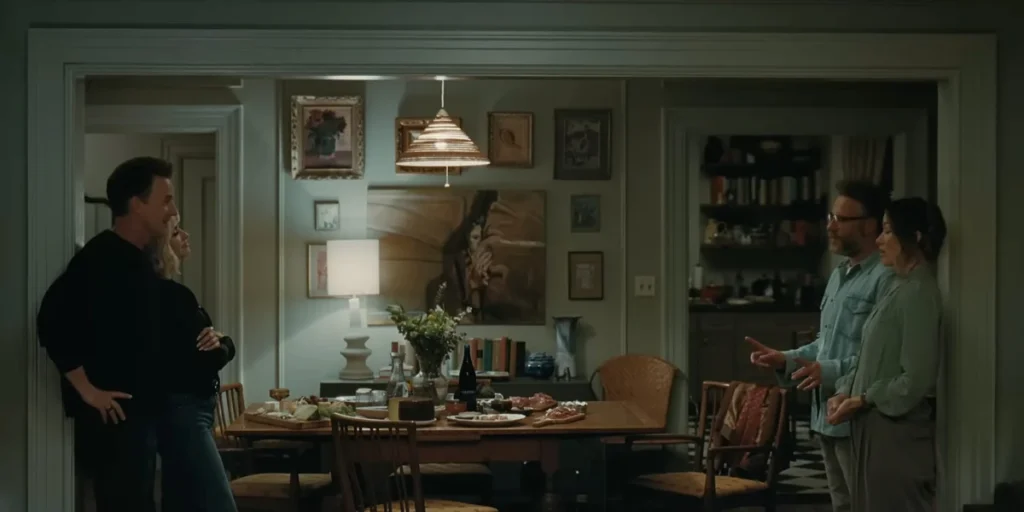
Upon her arrival, the film establishes a traditional "old dark house" atmosphere, though it attempts to modernize this trope through Joan’s technical equipment. She is not merely an observer of the house; she is a listener. The mansion is staffed by a housekeeper, Lydia (Toby Poser), and a nurse, Emily (Mia Vallet), both of whom exhibit behavior that suggests a hidden agenda or a psychological fracturing within the household. The primary mystery involves the cold-case disappearance of Joan’s mother, a trauma that has remained unresolved for decades. As Joan uses her recording gear to investigate strange noises within the walls, she unearths evidence suggesting that the "haunting" may be tied to her father’s artistic legacy and the physical manifestations of his past transgressions.
Production Background and Creative Context
Director Henry Chaisson enters the directorial space with a background in screenwriting, having previously contributed to projects that prioritize atmosphere and slow-burn dread. Recluse serves as a pivot from collaborative writing to a singular directorial vision. The film’s focus on sound as a medium for horror follows a burgeoning trend in the genre, where "sonic horror" is used to destabilize the audience’s sense of reality.
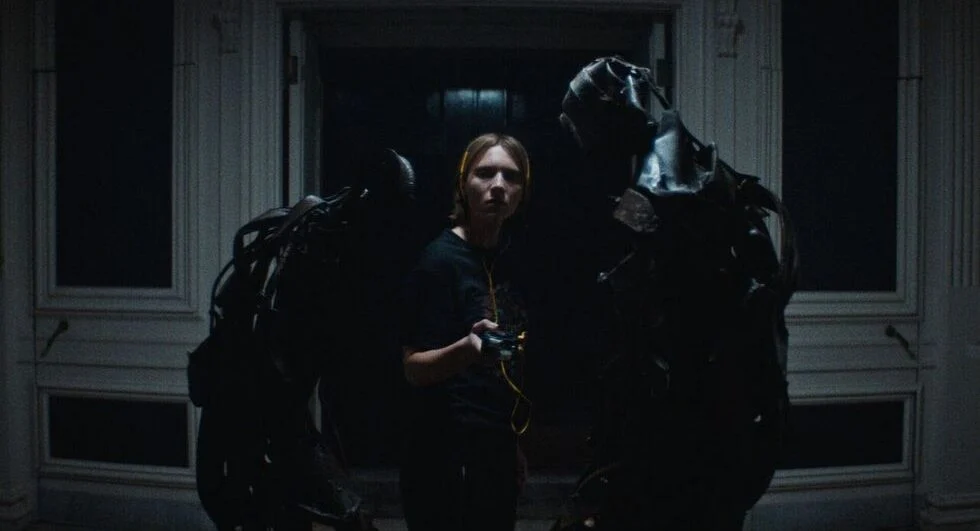
The production design of Recluse utilizes the mansion as a character in its own right. The estate is filled with sculptures and paintings, many of which reflect the father’s career. A notable element within the film is the "wood man" art piece, a grotesque sculpture located on the estate grounds. This piece serves as a visual metaphor for a recurring theme in Chaisson’s work: the idea that artistic creation is inextricably linked to human suffering. This philosophy is echoed in the dialogue and the physical state of the characters, suggesting that the "malevolent energy" mentioned in the story’s synopsis may be a byproduct of the father’s obsessive creative process.
The Technicality of Sound in Horror Cinema
To understand the framework of Recluse, it is necessary to examine the role of audio engineering in contemporary horror. The film draws comparisons to Ian Tuason’s Undertone, which also utilized distorted audio recordings as a primary plot device. In Recluse, the use of foley and ambient sound is intended to do more than provide jumpscares; it is meant to provide a window into Joan’s internal world.
Statistically, sound design is often cited by critics and audiences as the most vital component of horror, with research indicating that "infrasound" (sound waves below the frequency of human hearing) can induce feelings of anxiety and dread in viewers. Recluse attempts to tap into this by focusing on Joan’s recording sessions. In one sequence, Joan stands outside her father’s room, using a directional microphone to capture a muffled conversation. This scene highlights the technical precision Chaisson intended to bring to the genre, moving away from visual gore in favor of auditory suspense. However, the execution of these sequences has been noted for its lack of follow-through, as the film frequently shifts from subtle sonic cues to more conventional horror tropes.
Characterization and Performance Analysis
The success of a character-driven horror film often rests on the lead performance, and Sasha Frolova’s portrayal of Joan is central to the film’s structure. Frolova brings a "poker-faced" intensity to the role, which aligns with a character who spends her life listening rather than speaking. Her performance is tasked with carrying the emotional weight of a woman confronting a father who may be a monster—both in the literal and figurative sense.
Xander Berkeley’s performance as the bedridden patriarch provides the necessary gravitas to the film’s darker themes. Berkeley, known for his work in both prestige television and genre film, portrays the father as a man whose physical fragility belies a threatening presence. The supporting cast, including Toby Poser and Mia Vallet, contribute to the film’s "off-kilter" energy. Despite these efforts, the dialogue has been described as "wooden" by some industry analysts, suggesting a disconnect between the film’s high-concept premise and its script-level execution. The interactions between Joan and the staff often fall into genre archetypes, which can dilute the impact of the central mystery.
Critical Reception and Narrative Challenges
The reception of Recluse highlights a common challenge for debut directors: the transition from a compelling premise to a cohesive 102-minute feature. While the film’s visual language is praised for its atmospheric tone, the screenplay has faced criticism for being "muddled" and "unfocused." Several narrative threads, such as the mysterious disappearance of the mother and the true nature of the mansion’s staff, are introduced but not always satisfactorily resolved.
One specific point of contention in the film’s third act is the introduction of an eerie mask reveal. In the context of the story, this moment is intended to heighten the sense of surrealist horror, but it has been noted as feeling "tacked on," lacking the narrative foundation to make it feel earned. This highlights the film’s struggle between two different horror styles: the "less is more" approach of psychological dread and the "show-and-tell" approach of traditional supernatural films. By attempting to satisfy both, Recluse occasionally loses its momentum, leading to repetitive scares that fail to build upon the initial tension established in the opening scenes.
Chronology of the Film’s Development
The journey of Recluse from concept to screen follows a standard timeline for independent genre cinema:
- Development (Year 1): Henry Chaisson develops the script, focusing on the concept of an audio engineer investigating her own family history.
- Casting and Pre-Production (Year 2): Sasha Frolova and Xander Berkeley are attached to the project, and location scouting identifies the central mansion, which is essential for the film’s aesthetic.
- Principal Photography: Filming takes place over several weeks, with a heavy emphasis on capturing high-quality location sound to be used in the final mix.
- Post-Production: The sound design phase is extended to ensure that the "paranormal sounds" heard by Joan are distinct and unsettling.
- Release: Recluse enters the film festival circuit and digital distribution, where it is positioned as an "elevated" horror title for fans of atmospheric storytelling.
Industry Implications and Genre Trends
The release of Recluse occurs at a time when the horror genre is increasingly focused on "elevated" or "prestige" tropes—films that prioritize psychological depth and artistic cinematography over high body counts. The film’s exploration of the "creation and suffering" link places it alongside other modern horror works that examine the dark side of the artistic temperament.
From a business perspective, indie horror continues to be one of the most profitable sectors of the film industry. Low-to-mid-budget features like Recluse often find a second life on streaming platforms, where niche audiences seek out debut features from promising writers. However, the saturated market means that films must have a distinct "hook." For Recluse, that hook was the sonic-driven mystery. The film’s inability to fully capitalize on this unique angle serves as a case study for future filmmakers on the importance of aligning technical gimmicks with narrative substance.
Conclusion and Final Assessment
Recluse is a film of notable ambition that demonstrates Henry Chaisson’s potential as a visual stylist. By centering a horror story on the professional life of a sound recordist, the film opens up new possibilities for how tension can be constructed in cinema. The mansion setting, the "wood man" sculpture, and the committed performances of the lead actors provide a solid foundation for a chilling experience.
However, the film ultimately serves as a reminder that atmosphere alone cannot sustain a feature-length narrative. The "frustrating emptiness" noted in the character development and the reliance on derivative plot points suggest that the film’s script required further refinement. While Recluse may not redefine the genre, it contributes to the ongoing dialogue about the role of sound in horror and the enduring power of the family-secret narrative. For audiences interested in the technical aspects of filmmaking and atmospheric dread, Recluse offers moments of genuine intrigue, even if the final product lacks the cohesion to leave a lasting impact on the genre.