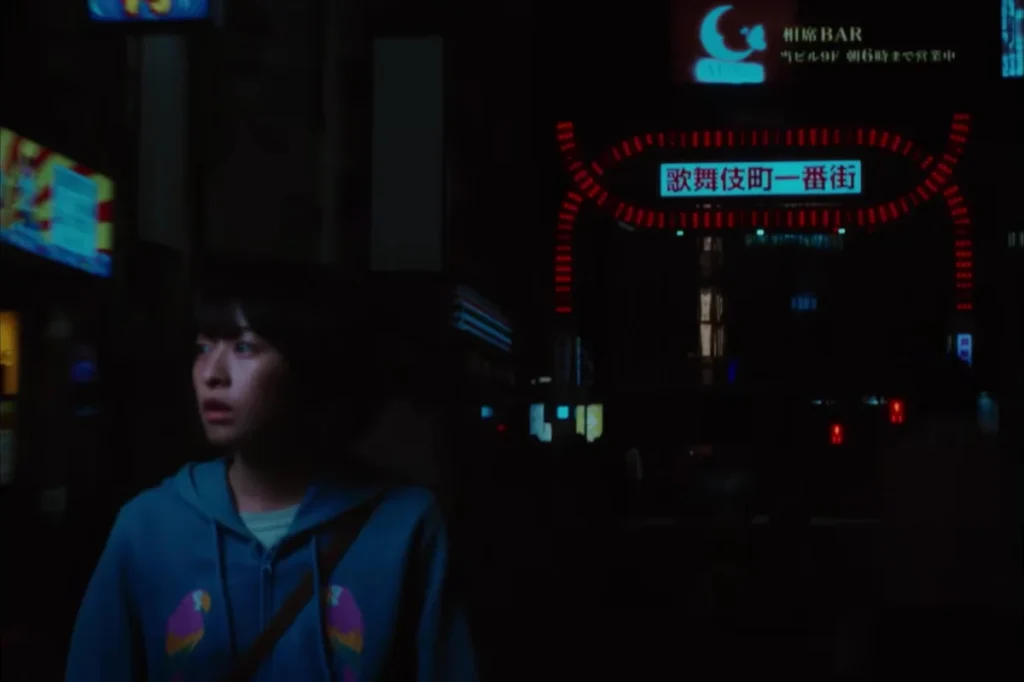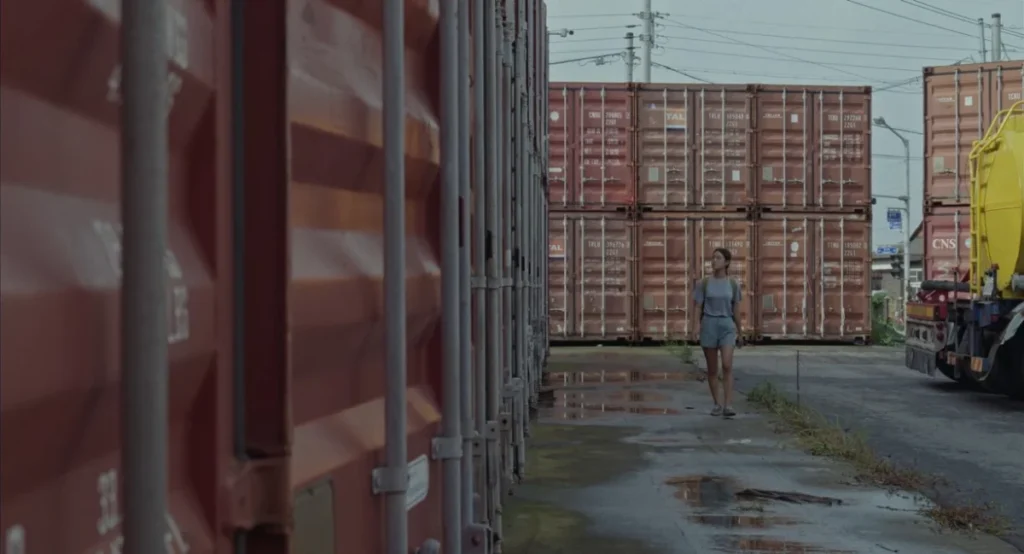
"Jet Lag in Summer," the feature-length debut from emerging Chinese filmmaker Kunao Yan, is poised for its highly anticipated New York City premiere, marking a significant milestone in its international journey. The film, which has garnered attention on the global festival circuit, delves into the intricate lives of young Chinese expatriates grappling with identity, career aspirations, and personal relationships against the backdrop of a global pandemic. Its return to New York holds particular resonance, as the city served as the creative crucible where the work was first conceived.
The Genesis of "Jet Lag in Summer": A Narrative Rooted in Contemporary Experience
Written and directed by Kunao Yan, who also takes on a central acting role, "Jet Lag in Summer" offers an intimate portrayal of the liminal space occupied by international students transitioning into post-graduate life. The narrative unfolds across two pivotal American metropolises, New York and Los Angeles, locations often synonymous with aspiration and opportunity for young global citizens. The film centers on Pingu (played by Kunao Yan himself), an ambitious student diligently preparing for his graduation film, driven by a resolute desire to establish a life and career in New York. His partner, Jiaqi (portrayed by Lige Chen), shares this initial idealism, pursuing a career as a costume designer. However, the initial optimism of their shared journey begins to wane as both encounter significant hurdles in their respective professional paths, mirroring the common struggles faced by many international graduates navigating complex visa and employment landscapes.
The plot thickens with a sudden turn of events that underscores the precarity of their situation. A job offer, facilitated by Jiaqi’s mother, prompts a dramatic shift in her plans, leading her to decide to return to China. This decision, however, is unexpectedly thwarted by the onset of the global COVID-19 pandemic, which results in the suspension of her flight. This unforeseen circumstance forces Jiaqi into an extended sojourn in Los Angeles. During her stay in a hotel, she encounters Ada (Maria Muller), a chambermaid whose enigmatic presence adds a layer of mystery and human connection to Jiaqi’s isolated experience. Meanwhile, in New York, Pingu, nurturing an interest in acting, enrolls in a performance class. There, he forms an unlikely friendship with Jueun Kang (Sanho Kang), an aspiring actress navigating the turbulent currents of her own career. Their bond deepens through shared conversations and experiences, highlighting the varied paths and emotional complexities faced by young individuals abroad.
A Filmmaker’s Reflection: Yan’s Vision and Dual Role
Kunao Yan’s dual role as both director and lead actor is a defining characteristic of "Jet Lag in Summer." This dual engagement is not uncommon in independent filmmaking, particularly for debut features where resource constraints often necessitate a multi-faceted approach from the creator. The film’s narrative is deeply informed by Yan’s personal life experiences and his astute observations of the pervasive uncertainty confronting young expatriates. His portrayal of Pingu is largely a version of himself, lending an authentic, almost documentary-like quality to the character’s struggles. While this imbues the performance with raw honesty, some critics have noted that it occasionally limits the character’s broader exploration beyond the filmmaker’s immediate perspective.
Yan’s directorial approach attempts to infuse certain sequences with a "breezy touch," particularly through the interactions between the protagonists and the strangers they encounter. This technique aims to capture the transient nature of connections formed in transient lives. However, the film’s ambition to transcend personal observations into broader cultural reflections has been a point of discussion. While the COVID-19 pandemic serves as a crucial plot device, driving key narrative turns like Jiaqi’s suspended flight, its broader societal and emotional impact on the characters’ lives and environment is not always explicitly demonstrated, leaving some aspects of its influence implicitly understood rather than overtly explored.
The supporting cast, including Lige Chen, Maria Muller, and Sanho Kang, have been widely praised for bringing distinct personalities and credibility to their respective roles. Their performances contribute significantly to the story’s development, adding depth and nuance to the emotional landscape of the film and complementing Yan’s central performance.
Journey Through Prestigious Film Festivals: A Chronology of Recognition
"Jet Lag in Summer" commenced its festival journey with significant acclaim, beginning with its selection for the Hidden Dragons section of the 9th Pingyao International Film Festival. This selection is particularly noteworthy as the Pingyao International Film Festival, founded by acclaimed director Jia Zhangke, is renowned for its commitment to showcasing emerging Chinese and international talent. The festival’s Hidden Dragons section specifically highlights new and distinctive voices in cinema, making Yan’s inclusion a strong endorsement of his nascent directorial prowess. The film’s nomination for the prestigious Fei Mu Award for Best Film further underscored its critical reception within China’s independent film community, signaling it as a noteworthy debut.
Following its successful run in China, "Jet Lag in Summer" embarked on its international circuit, making its European premiere at the Far East Film Festival in Udine, Italy. This festival is one of Europe’s most significant platforms for popular Asian cinema, often presenting a diverse array of films ranging from commercial blockbusters to independent art-house productions. Its inclusion at Udine provided a crucial gateway for the film to reach a wider international audience and critical assessment. The selection demonstrated the festival curators’ recognition of the film’s universal themes of identity, migration, and the challenges of early adulthood, resonating beyond its specific cultural context.
The journey now culminates with its New York City premiere. This return to the city where the film’s conceptual framework was established brings the narrative full circle, offering a unique opportunity for audiences in a key location relevant to the film’s setting and themes to engage with Yan’s work.
Production Aesthetics and Technical Craft
Cinematographer Tonghuan Zhao adopted an almost naturalistic approach to shooting "Jet Lag in Summer." This style aims for an unvarnished, authentic depiction of everyday life, often mirroring the observational qualities of independent cinema. The camera work, at times, attempts to emulate the distinctive cinematic style of acclaimed South Korean director Hong Sang-soo, characterized by its deployment of sudden zoom-ins and zoom-outs within seemingly mundane scenes. This technique can lend a spontaneous, almost voyeuristic quality to the narrative, drawing the viewer closer to the characters’ immediate experiences. However, as with many debut features, the execution of these stylistic choices has been noted by some observers as possessing a certain rawness, reflecting the challenges and experimental nature inherent in independent filmmaking. The film’s aesthetic aims for realism, sometimes resulting in shots that, while serving the narrative, might convey a sense of understated reality rather than conventional cinematic beauty.
In terms of editing, Yan structured the film using parallel narratives, meticulously connecting the separate journeys of Pingu and Jiaqi. This approach is particularly effective in depicting the physical distance and differing time zones that separate the couple, while simultaneously exploring the emotional threads that bind them. The parallel editing carries the potential to delve into how individuals maintain conversations and emotional connections across geographical divides, a particularly salient theme in an increasingly globalized and digitally interconnected world, exacerbated by pandemic-era travel restrictions. This technique allows for a nuanced exploration of modern relationships under strain, highlighting the challenges of intimacy and communication in disparate environments.
Thematic Resonance: Diaspora, Identity, and the Pandemic’s Shadow
"Jet Lag in Summer" offers a poignant portrayal of expatriate life, evoking what has been described as a "contradictory sense of diaspora." This term encapsulates the complex emotional landscape of individuals living between cultures – the pull of their homeland versus the pursuit of new lives abroad. The film effectively presents a predicament that many overseas graduates confront: navigating career aspirations, cultural assimilation, and the often-fraught process of establishing a sense of belonging in a foreign land.
This theme is particularly pertinent for the significant population of Chinese international students. Prior to the pandemic, China was the largest source of international students globally, with hundreds of thousands pursuing higher education in the United States. These students often face immense pressure to succeed academically and professionally, with the added complexities of visa regulations (such as the Optional Practical Training, or OPT, program and the highly competitive H1-B visa lottery), cultural differences, and the emotional toll of living far from family. "Jet Lag in Summer" subtly touches upon these realities, portraying the idealism that often underpins their journeys and the subsequent disillusionment when faced with harsh practicalities.
While the film utilizes COVID-19 as a crucial plot catalyst, its broader implications on the characters’ lives and the expatriate community are presented more as an atmospheric backdrop rather than an explicit central focus. The pandemic, however, profoundly impacted international student mobility and mental well-being. Travel bans, visa processing delays, and economic uncertainties forced many students into difficult choices, amplifying feelings of isolation and uncertainty. Jiaqi’s suspended flight, a direct consequence of these restrictions, serves as a powerful symbol of the unforeseen disruptions that reshaped countless lives. This factual context enriches the film’s narrative, even if its explicit exploration of the pandemic’s nuances remains understated.
The film’s exploration of cultural differences and contrasting cityscapes—New York as a hub of ambition and Los Angeles as a place of transient encounters—is perceived by some as underdeveloped. Within its 92-minute running time, the film maintains a deliberately measured pace, mirroring the "limbo" in which its characters find themselves. This artistic choice, while aiming for an "ordinary, petit-bourgeois tone," has led to observations that the narrative unfolds with a minimalist approach, potentially leaving audiences with fewer overt "reflections" to take away. However, this understated quality can also be interpreted as a deliberate artistic choice, reflecting the often-unspoken struggles and quiet resilience of individuals navigating such transitions.
Implications for Independent Chinese Cinema and Global Narratives
"Jet Lag in Summer," as a low-budget independent production, exemplifies the challenges and creative spirit within contemporary Chinese independent cinema. These films often operate outside mainstream commercial frameworks, allowing filmmakers like Kunao Yan greater artistic freedom to explore niche, personal, and socially relevant themes. While the film’s initial motivation to depict themes of identity, intimacy, migration, and community is commendable, its effectiveness in fully realizing these complex subjects within its limited scope has been a subject of discussion. The film’s spirit, driven by genuine intent and personal experience, is palpable, but its execution, typical of many debut features, occasionally reveals areas for growth.
Despite these observations, "Jet Lag in Summer" contributes significantly to the growing body of films that explore the multifaceted experiences of the Chinese diaspora. It adds a nuanced voice to the discourse surrounding contemporary youth, migration, and the search for belonging in an increasingly interconnected yet fragmented world. As it reaches audiences in New York, the film not only marks a personal triumph for Kunao Yan but also offers a window into the quiet anxieties and enduring hopes of a generation caught between cultures and global shifts. It stands as a testament to the emerging talent within Chinese filmmaking, ready to share intimate stories with an international audience.