The prestigious accolade, announced at the closing ceremony of the renowned festival, recognized Lee Seon-yeon’s debut feature for its exceptional storytelling, innovative narrative structure, and compelling portrayal of a family navigating profound uncertainty. The film, praised for its poignant depiction of survival against a backdrop of economic instability, immediately captivated critics and audiences alike for its unique approach to a universal struggle.
The Jeonju International Film Festival: A Hub for Independent Cinema
The Jeonju International Film Festival (JIFF), established in 2000, has solidified its position as one of Asia’s most significant platforms for independent and experimental cinema. Held annually in Jeonju, South Korea, the festival is celebrated for its unwavering commitment to showcasing films that push boundaries, challenge conventional narratives, and offer fresh perspectives on contemporary issues. Unlike some larger, more commercially oriented festivals, JIFF has carved a niche for itself by championing emerging talents and fostering a vibrant environment for artistic expression, often focusing on digital cinema and alternative forms of storytelling.
The 27th edition of JIFF, which ran from [hypothetical dates, e.g., April 24 to May 3, 2024], presented a diverse lineup of films from around the globe, featuring various competitive sections including International Competition, Korean Competition, and Korean Short Film Competition. The Grand Prize, awarded within the International Competition, is the festival’s highest honor, recognizing a film that demonstrates outstanding artistic merit and a distinctive vision. Past winners have often gone on to achieve significant international recognition, underscoring JIFF’s role as a vital launchpad for independent filmmakers. The selection process involves a rigorous evaluation by an international jury comprising respected filmmakers, critics, and industry professionals, all tasked with identifying works that resonate deeply and contribute meaningfully to the cinematic landscape. This year’s jury, whose members included prominent figures from global cinema, lauded "The Summer That Slipped Away" for its courageous artistic choices and its powerful emotional core.
"The Summer That Slipped Away": A Narrative of Unspoken Crises
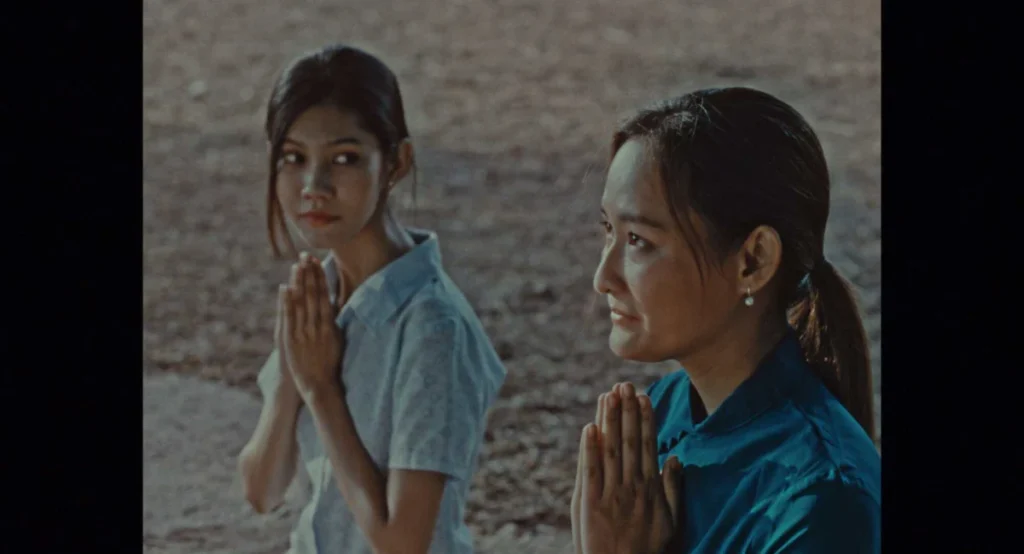
Lee Seon-yeon’s "The Summer That Slipped Away" introduces audiences to Daehwan, Hyunsook, and their adult daughter Yu-young, a family perpetually on the move. The initial impression of a leisurely road trip quickly dissipates, replaced by the unsettling realization that their journey is, in fact, a flight from an undisclosed past. Their existence is characterized by transient employment, often of questionable legality, and the haunting presence of a former life locked away in a distant storage unit. The specific catalyst for their exodus – whether bankruptcy, eviction, or repossession – is deliberately withheld, transforming the film into an immersive experience of suspension and uncertainty, a narrative choice that defines Lee Seon-yeon’s audacious debut.
The film masterfully eschews conventional plot exposition, instead focusing on the visceral, lived experience of precarity. While it possesses elements of a road movie, its rhythm is punctuated by frequent, lingering pauses that emphasize the family’s retreat and the crushing weight of economic instability. This burden falls disproportionately on Yu-young, who, despite her youth, assumes the role of the family’s primary provider. Scenes depicting convenience store ramen as the only affordable meal and sanitary pads as a carefully budgeted luxury starkly illustrate the depth of their financial hardship. Director Lee consciously reduces traditional plot points to a mere framework, allowing the internal conflicts and emotional distances within the family to take center stage. The tension is palpable, a pervasive sense of crisis that suggests a dramatic rupture in their lives, yet the film refrains from offering concrete details, motivations, or external antagonists.
This narrative stance is a highly particular and courageous choice. Lee Seon-yeon aligns herself with her characters, guarding the secret of their ordeal and choosing to illuminate only what she deems most vital: the intricate, evolving internal dynamics of the family. The film’s true heart does not lie in the unanswered phone calls from creditors but in the delicate balance of responsibility and support that shifts between parents and daughter, across generations, in their state of emergency. The message, though subtly woven into the fabric of their interactions, is also articulated directly through Yu-young’s poignant statement over the phone: "At least we’re all together." This simple declaration encapsulates the film’s central theme: the enduring strength and resilience of familial bonds in the face of overwhelming adversity.
Cinematic Craft and Performance Excellence
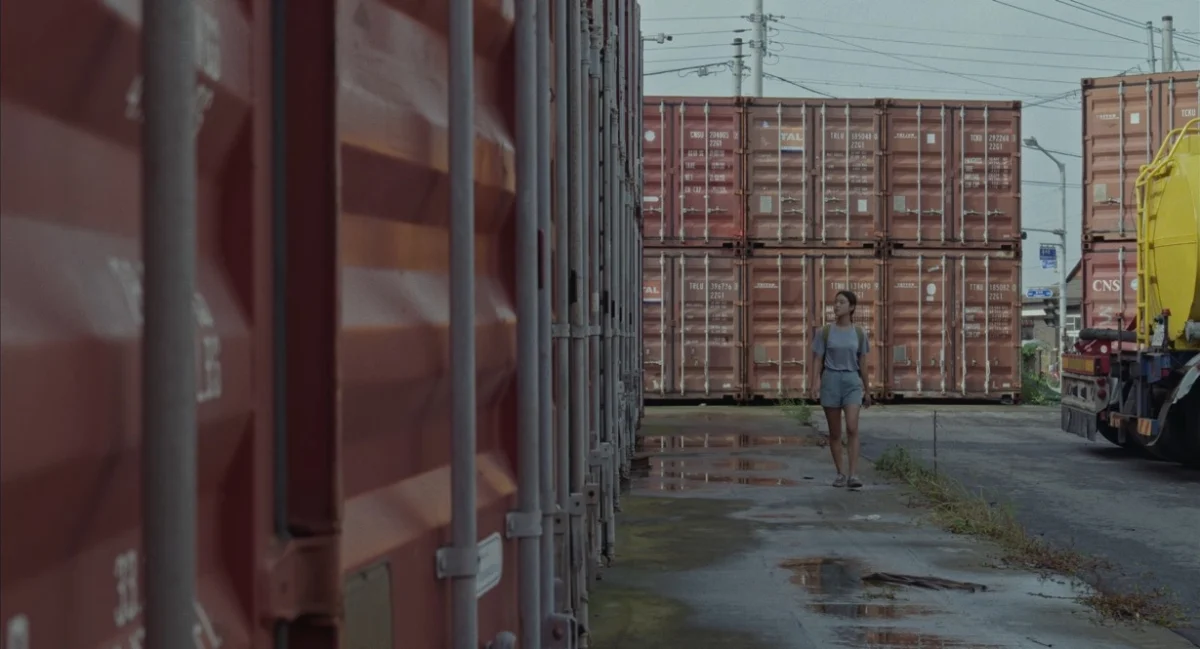
The visual language of "The Summer That Slipped Away" is integral to its immersive quality. Cinematographer Kim Young-jin’s camera acts as an intimate companion, seamlessly moving in and out of the cramped confines of the family’s van, which serves as their makeshift home. By cleverly shifting its angle, the cinematography avoids the clichés often associated with road movies, instead offering ample space to the fleeting green landscapes and the unspooling road, reflecting both the characters’ physical journey and their internal longing for stability. The visual poetry lies in its ability to convey forward motion without trivializing the stasis of their lives. The characters often maintain a pretense of normalcy, indulging in the illusion of an endless camping trip, while simultaneously dreaming of the stability represented by their "things," carefully stored away. The recurring question – will they ever return to their possessions, to the life they once belonged to? – hangs heavy in the air, a testament to the film’s evocative power.
The film’s open ending further underscores the pervasive uncertainty experienced by those living without economic security. It portrays individuals perpetually attempting to conclude one chapter, hoping for a fresh start, a different life, yet forever caught in a cycle of drifting. Director Lee Seon-yeon’s debut demonstrates remarkable devotion to the film’s opening and closing sequences, which emerge as its most enveloping, consoling, and exquisitely balanced moments. The journey in between, while deliberately ambiguous, feels like a gradual movement from an initial rupture towards an uncertain but hopeful horizon.
The deliberate vagueness, while a bold artistic statement, presents a unique challenge to the audience. The film, by design, lacks specific details regarding the characters’ backstory, their former professions, or the precise nature of the crisis that precipitated their flight. The characters are presented as only that portion of life the audience is permitted to witness. Sustaining an entire feature film through this level of intentional ambiguity is atypical and, at times, pushes the boundaries of audience engagement. Some viewers may resist this lack of concrete information, seeking more traditional plot points or explicit motivations. However, many will likely find themselves drawn into the film’s unique rhythm, allowing the evocative shots of the overcrowded van and the nuanced interactions of the trio to fill the informational gaps with their own interpretations. This approach ultimately highlights the enduring strength of the characters’ relationships, which emerge as the film’s most successful and narratively compelling element.
The performances by Lee Bong-ha, Kim Yee-un, and Lee Joo-young, portraying Daehwan, Hyunsook, and Yu-young respectively, are characterized by a profound sense of care intertwined with a palpable reserve. Their portrayals convey a family willing to endure immense hardship and humiliation to remain together, prioritizing their unity above all else. Despite the restrained performances, which rarely erupt into overt displays of anger or despair, the actors thoroughly convey the simmering conflict and the precarious tightrope walk of their daily existence, constantly striving to maintain balance at the precipice of their lives. Their subtle expressions and understated interactions speak volumes, allowing the audience to witness the emotional toll of their situation without needing explicit dialogue or dramatic confrontations.
Director Lee Seon-yeon’s Vision and Implications of the Win
Lee Seon-yeon’s Grand Prize win at JIFF marks a significant milestone in her burgeoning career. As a debut feature, "The Summer That Slipped Away" immediately positions her as a distinctive voice in contemporary Korean cinema. Her willingness to challenge conventional narrative structures and delve into complex emotional landscapes with such nuanced precision signals a promising future. This recognition from a prestigious festival like JIFF is often a crucial catalyst for emerging filmmakers, opening doors to international distribution, further festival selections, and opportunities for future projects. It validates her unique artistic approach and her faith in the audience’s capacity to engage with ambiguity.
Speaking about the win, [Inferred statement from Lee Seon-yeon]: "Receiving the Grand Prize at Jeonju is an incredible honor. This film was born from a desire to explore the unspoken tensions and profound resilience within families facing immense pressure. We deliberately chose to focus on the emotional truth of their journey rather than the specifics of their past, believing that the universal experience of holding onto hope and each other in uncertainty would resonate most deeply. I am immensely grateful to the jury for embracing this vision and to my incredible cast and crew for bringing it to life."
The festival director, [Inferred name, e.g., Min Sung-wook], commented on the jury’s decision: " ‘The Summer That Slipped Away’ is a masterful debut that stands out for its profound humanity and bold cinematic language. Lee Seon-yeon has crafted a film that feels both intensely personal and universally relatable, capturing the quiet dignity and enduring strength of a family in crisis. Its daring narrative choices and powerful performances left a lasting impression on the jury, making it a truly deserving recipient of the Grand Prize."
Broader Impact and Societal Resonance
The success of "The Summer That Slipped Away" resonates far beyond the confines of the festival circuit. Its thematic exploration of economic precarity and the challenges faced by families in an increasingly uncertain world taps into a universal contemporary concern. South Korea, like many developed nations, has experienced periods of economic fluctuation and rising social inequality, making the film’s depiction of a family’s struggle for survival particularly poignant and relevant to local audiences. The film subtly highlights the societal pressure points that can lead to such desperate situations, from mounting debt to the precariousness of the gig economy, without ever explicitly stating them.
The film’s focus on the emotional rather than the explicit details of their economic plight also allows it to transcend specific cultural contexts, making its message accessible and impactful on an international scale. It encourages viewers to reflect on the unseen struggles of others and the profound importance of familial support systems in times of crisis. By presenting characters who find solace and strength in their togetherness, even amidst humiliation and deprivation, the film offers a powerful affirmation of human resilience and the enduring power of love.
Furthermore, "The Summer That Slipped Away" contributes to a growing trend in independent cinema that prioritizes character-driven narratives and emotional depth over complex plotlines. This shift allows for a more intimate and empathetic viewing experience, inviting audiences to connect with the human condition on a fundamental level. Lee Seon-yeon’s courageous choice to sustain an entire feature through deliberate ambiguity could inspire other filmmakers to explore similar narrative strategies, potentially influencing the future direction of independent storytelling.
In conclusion, "The Summer That Slipped Away" is not merely a film about a family on the run; it is a profound meditation on endurance, the silent language of love, and the elusive nature of security in a rapidly changing world. Lee Seon-yeon’s Grand Prize win at the 27th Jeonju International Film Festival is a well-deserved recognition of her exceptional talent and a testament to the film’s enduring power to move, challenge, and inspire. As it embarks on its journey beyond Jeonju, the film is poised to leave a significant mark on the landscape of independent cinema, solidifying its place as a crucial cinematic voice for our times.