The documentary film Death Boom, directed by Jessica Chandler, is set to make its world premiere at the 2026 Tribeca Film Festival, offering a comprehensive and unflinching look at the systemic challenges currently facing the American deathcare industry. Produced by a high-profile team including Leonardo DiCaprio and Eli Roth, the film arrives at a critical demographic juncture as the United States prepares for an unprecedented surge in mortality rates. The central thesis of the documentary revolves around the impending "death boom"—the projected passing of approximately 77 million members of the Baby Boomer generation—and the catastrophic environmental, economic, and psychological consequences of maintaining traditional funerary practices.
The Convergence of Demographics and Industry Crisis
The title Death Boom refers to the demographic mirror image of the post-World War II birth surge. As the largest generation in American history reaches the end of its life cycle, the infrastructure designed to handle human remains is facing a logistical and ethical breaking point. According to data from the U.S. Census Bureau and various actuarial projections, the annual number of deaths in the United States is expected to rise significantly over the next two decades. This shift places an immense strain on a multi-billion-dollar industry that has, for nearly a century, relied on resource-heavy methods such as chemical embalming, steel-lined caskets, and concrete burial vaults.
Jessica Chandler’s directorial debut focuses on the deathcare workers who are currently positioned on the front lines of this crisis. The film captures the daily operations of morticians, cemetery managers, and crematorium operators as they grapple with the physical limitations of their facilities. The documentary argues that the current "business as usual" approach is unsustainable, not only due to land scarcity in metropolitan areas but also because of the cumulative toxicological impact of traditional burial methods on the ecosystem.
Production Pedigree: A Synergy of Environmentalism and Filmmaking
The involvement of Leonardo DiCaprio and Eli Roth as producers highlights the dual nature of the documentary’s appeal. DiCaprio, through his long-standing commitment to environmental activism and his production company Appian Way, brings a focus on the ecological footprint of the deathcare industry. His involvement signals the film’s intent to frame death not just as a personal or familial event, but as a major environmental issue. Traditional burials in the United States alone involve the annual interment of millions of gallons of embalming fluid—which contains formaldehyde, a known carcinogen—and tens of thousands of tons of steel and copper.
Conversely, Eli Roth, a filmmaker synonymous with the exploration of the macabre and the visceral, provides a lens into the psychological and societal taboos surrounding death. His participation suggests a narrative that does not shy away from the physical realities of decomposition and the clinical processes of the mortuary. Together with producers Sean McKittrick, Phillip Watson, Jennifer Davisson, and Ray Mansfield, the team aims to bridge the gap between hard-hitting investigative journalism and cinematic storytelling.

Quantifying the Environmental Impact of Traditional Practices
Death Boom provides a detailed breakdown of the environmental costs associated with the three primary methods of body disposition currently utilized in the West: traditional burial, cremation, and embalming.
The Chemical Legacy of Embalming
The film highlights the historical anomaly of American embalming, a practice that gained popularity during the Civil War but is far less common in many other parts of the world. The documentary cites environmental data showing that the formaldehyde used in the process eventually leaches into the soil and groundwater, posing risks to local ecosystems and the health of cemetery workers.
The Carbon Footprint of Cremation
While cremation has been marketed as a more space-efficient and "greener" alternative to burial, Death Boom presents evidence to the contrary. The process requires a massive expenditure of fossil fuels to maintain temperatures between 1,400 and 1,800 degrees Fahrenheit for several hours. This results in the release of carbon dioxide, nitrogen oxides, and heavy metals, including mercury from dental amalgams, into the atmosphere. The film notes that as the "death boom" accelerates, the cumulative atmospheric impact of millions of cremations could rival other major industrial pollutants.
Land Use and Resource Consumption
Traditional burials involve the use of reinforced concrete vaults and hardwood or metal caskets. The film illustrates the staggering amount of natural resources buried annually: enough wood to build thousands of single-family homes and enough steel to recreate the Golden Gate Bridge. As urban cemeteries reach capacity, the documentary explores the legal and social battles over land use, particularly in areas where housing shortages and burial needs are in direct competition.
The Economic Landscape of the Modern Funeral Industry
Beyond the environmental concerns, Death Boom investigates the corporate consolidation of the funeral industry. For decades, the industry was dominated by family-owned funeral homes, but recent years have seen a significant shift toward large-scale corporate ownership. This consolidation has often led to standardized pricing models that many critics, interviewed in the film, describe as predatory.
The documentary exposes the "deathcare industry" as a profit-driven entity that capitalizes on the vulnerability of grieving families. High-pressure sales tactics for premium caskets, unnecessary "protective" vaults, and elaborate service packages are scrutinized. The film suggests that the industry’s resistance to greener, cheaper alternatives is often rooted in a desire to maintain high profit margins associated with traditional merchandise and services.

Emerging Alternatives and the Green Burial Movement
A significant portion of the documentary is dedicated to the pioneers of the "Green Burial" movement. These innovators are seeking to return to more natural processes that allow the body to integrate back into the earth without the use of toxins or non-biodegradable materials.
Human Composting (Natural Organic Reduction)
The film features interviews with proponents of natural organic reduction, a process that transforms human remains into nutrient-rich soil over several weeks. At the time of the film’s production, several U.S. states had already legalized the practice, and Death Boom tracks the legislative hurdles faced by activists trying to expand its availability nationwide.
Aquamation (Alkaline Hydrolysis)
Another alternative explored is alkaline hydrolysis, often referred to as "water cremation." This process uses water, heat, and alkalinity to accelerate natural decomposition, leaving only bone fragments behind. The documentary emphasizes that this method uses a fraction of the energy required for flame-based cremation and produces no direct atmospheric emissions.
Conservation Burials
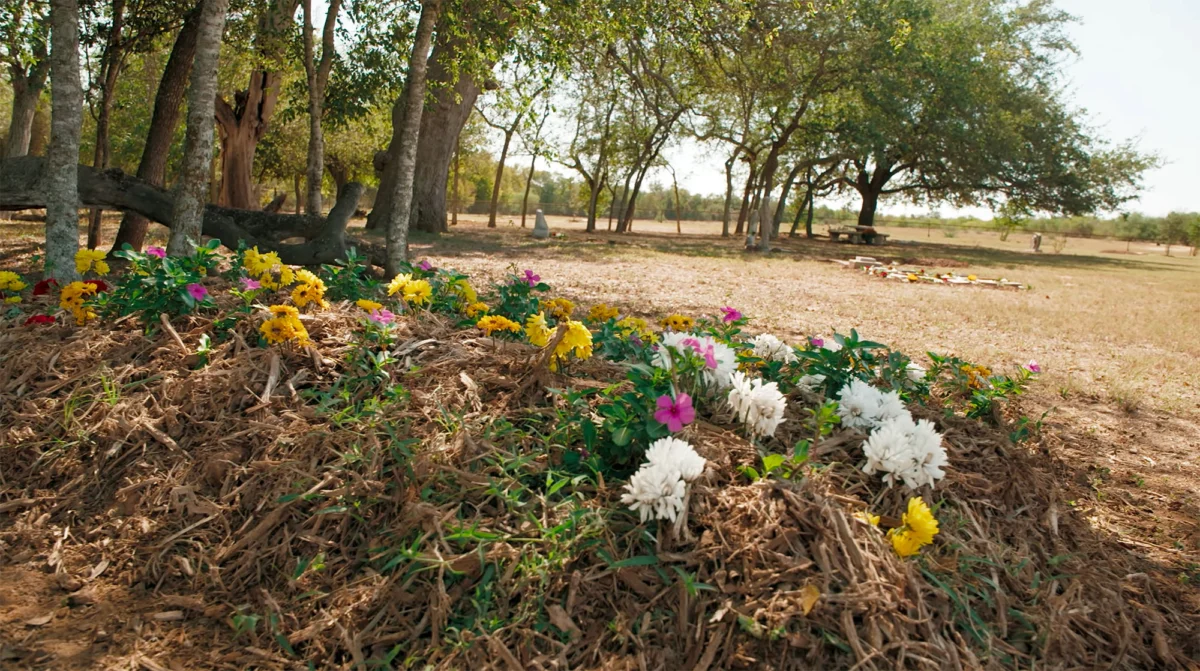
The film also visits conservation cemeteries, where burials are used as a means to preserve and restore natural landscapes. In these settings, bodies are buried in biodegradable shrouds or simple pine boxes, and the funds generated from the burial are used to acquire and protect wildlands.
Societal Implications and the Normalization of Grief
Director Jessica Chandler uses Death Boom to advocate for a cultural shift in how Western society perceives and discusses mortality. The film argues that the "death denial" prevalent in modern culture has allowed the industrialization of death to go unchecked. By keeping the processes of dying and body disposition hidden behind closed doors, society has lost its connection to the natural cycle of life.
Psychologists and grief counselors featured in the documentary suggest that the move toward green burials can also have a profound impact on the mental health of the bereaved. The act of participating in a more natural and hands-on burial process can foster a healthier relationship with grief and provide a sense of agency that is often lost in the highly regulated environment of a traditional funeral home.

Official Responses and Industry Reaction
While the trailer has already sparked significant conversation, the funeral industry’s official response has been cautious. Organizations such as the National Funeral Directors Association (NFDA) have historically defended traditional practices while slowly acknowledging the growing consumer demand for "green" options. Preliminary reactions from industry lobbyists suggest a concern that the film may oversimplify the complexities of public health regulations and the logistical requirements of handling large numbers of remains in urban settings.
However, the documentary also includes voices from within the industry—younger morticians and "death doulas"—who are eager for reform. These subjects express a desire to move away from the "salesman" archetype and return to a role of community service and environmental stewardship.
Anticipated Impact at the 2026 Tribeca Film Festival
The premiere of Death Boom at Tribeca is expected to be a major event in the 2026 festival circuit. Given the star power of its producers and the urgency of its subject matter, the film is positioned to influence public policy and consumer behavior. As the 77 million baby boomers continue to plan for their end-of-life care, the film serves as a timely intervention, urging a transition toward practices that are as respectful of the planet as they are of the deceased.
Following its festival run, Death Boom is expected to seek a wide distribution deal, with streaming platforms likely competing for the rights given the global relevance of the climate crisis and the demographic shifts occurring across the developed world. The film does not merely document a problem; it serves as a call to action for a more sustainable and honest approach to the one experience that remains universal to the human condition.