Thirty-five years after its initial release, the cult horror-comedy The Boneyard (1991) continues to captivate a dedicated fanbase, its peculiar blend of practical effects, dark humor, and unforgettable characters cementing its status as a unique artifact of 1990s independent cinema. Directed by James Cummins, a protégé of legendary special effects artists, the film stands as a testament to the enduring appeal of low-budget creativity and genre subversion. While not reaching the widespread recognition of cinematic titans like Halloween or A Nightmare on Elm Street, The Boneyard has carved out a significant niche, particularly among enthusiasts who appreciate its audacious practical effects and offbeat narrative.
Genesis of a Bizarre Vision: The Director and His Roots
The genesis of The Boneyard lies in the directorial debut of James Cummins, a filmmaker whose early career was deeply intertwined with the cutting edge of horror special effects. Cummins honed his craft under the tutelage of some of Hollywood’s most revered names in the field, including the Oscar-winning Stan Winston and Chris Walas. Winston, renowned for his work on iconic creatures like the Xenomorph in Alien and the Terminator, recalls Cummins with considerable warmth. "Jim was an amazing talent, wonderful human being, and very funny guy," Walas stated in a retrospective comment to Dread Central. "He was always coming up with different ideas and ways to approach things. Jim worked for me on Enemy Mine, and I was glad to see him move on to his own work. Great guy."
Cummins’ background in practical effects proved to be a foundational element of The Boneyard. The film is celebrated for its impressive and often grotesque creature designs, achieved through hands-on artistry rather than the burgeoning CGI technology of the era. This commitment to tangible, tactile horror elements resonated with audiences seeking a visceral experience, a stark contrast to the more polished, effects-driven blockbusters that would come to dominate the decade. Cummins’ experience, working on seminal films like John Carpenter’s The Thing and House (1985), provided him with a deep understanding of how to craft memorable and unsettling visuals that could elevate a narrative, even within the constraints of an independent production.
A Chronicle of Unleashed Canine Carnage and Ghoulish Mayhem
The Boneyard‘s narrative unfolds with a premise that immediately signals its departure from conventional horror tropes. The film centers on a suburban home that becomes the focal point of supernatural disturbances, primarily emanating from a local pet cemetery. The plot takes a decidedly peculiar turn as it introduces the concept of "good puppies gone bad," with canine companions transforming into monstrous, flesh-hungry entities. This initial premise is further amplified by the presence of ghoul-children, depicted with a deliberately unsettling and disfigured aesthetic that highlights the film’s embrace of practical, often visceral, horror.
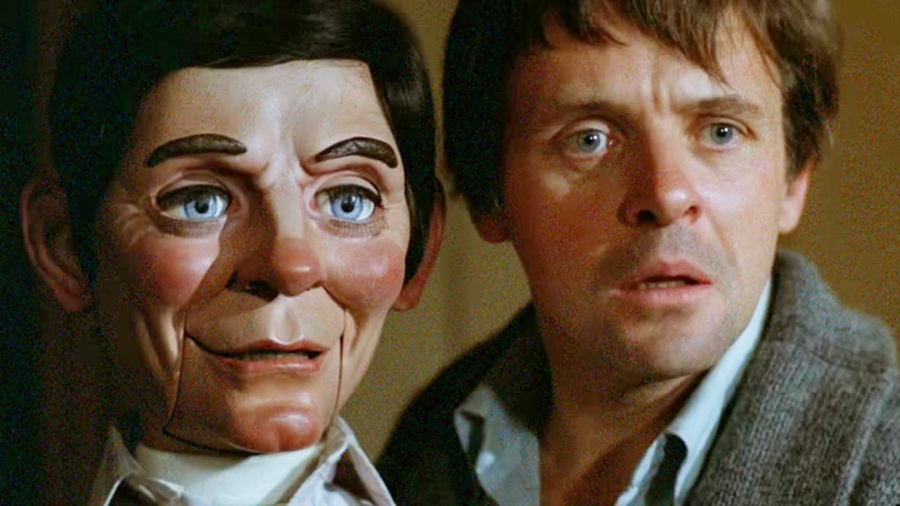
Adding another layer of eccentric charm to the proceedings is an animatronic puppet inspired by the memorable "Large Marge" character from Pee-wee’s Big Adventure. This element underscores the film’s comedic undertones, juxtaposing genuine horror with moments of absurdist humor. The inclusion of comedy legend Phyllis Diller in a supporting role further solidifies The Boneyard‘s unique identity, bridging the gap between horror and laughter. Diller’s presence, alongside the film’s other eccentric characters and scenarios, positions The Boneyard within a lineage of horror films that are not afraid to embrace the unconventional and the outright bizarre.
The 1990s Indie Horror Landscape: A Fertile Ground for Cult Classics
The early 1990s represented a dynamic period for independent horror filmmaking. While major studios continued to churn out sequels and franchise entries, a burgeoning underground scene thrived, fueled by creative ambition and a desire to push genre boundaries. Films like The Boneyard emerged from this environment, often characterized by their inventive use of practical effects, their willingness to experiment with tone, and their ability to cultivate a devoted cult following. This era saw the rise of directors and filmmakers who prioritized originality and artistic vision over mass-market appeal, leading to a diverse array of films that continue to be celebrated for their distinctiveness.
The Boneyard‘s success, in its own right, can be seen as a product of this fertile landscape. It offered an alternative to the prevailing trends, providing a dose of raw, unpolished horror that was both terrifying and entertaining. The film’s emphasis on practical effects, in particular, aligns with a broader trend in indie horror of the time, where filmmakers leveraged their ingenuity to create memorable monsters and terrifying sequences without the need for massive budgets. This dedication to the craft of special effects, a hallmark of films like The Evil Dead and early Peter Jackson works such as Dead Alive and Meet The Feebles, is a key reason why The Boneyard continues to resonate with fans today.
![‘The Boneyard Still Has Bite!’ Revisiting Forgotten Horror, 35 Years Later [Video]](https://www.dreadcentral.com/wp-content/uploads/2026/06/MV5BZTAyYzRiM2MtNDIyNS00YTgxLWFlYjctNmEyZTkyZTQzNjg1XkEyXkFqcGc@._V1_.jpg)
Critical Reception and Enduring Appeal: A Niche Masterpiece
While The Boneyard may not have garnered widespread critical acclaim upon its initial release, it has steadily accumulated a devoted following over the past three and a half decades. Its appeal lies in its unapologetic embrace of the weird and the wonderful. For horror aficionados who appreciate practical effects, unconventional storytelling, and characters who defy traditional archetypes, The Boneyard offers a rich and rewarding experience. The film’s ability to seamlessly blend elements of horror, comedy, and the downright bizarre has allowed it to transcend its initial reception and find a lasting place in the hearts of cult film enthusiasts.
The film’s exploration of themes, albeit through a darkly comedic lens, touches upon anxieties surrounding domesticity and the corruption of innocence, albeit in a highly stylized and exaggerated manner. The transformation of beloved pets into agents of terror and the unsettling depiction of ghoul-children tap into primal fears, while the film’s often over-the-top execution injects a sense of fun and absurdity that prevents it from becoming overly grim. This tonal tightrope walk is a defining characteristic of The Boneyard and a significant factor in its enduring cult status.
The Impact of Practical Effects: A Timeless Art Form
In an era increasingly dominated by digital visual effects, the practical artistry showcased in The Boneyard holds a special significance. The film’s reliance on tangible prosthetics, animatronics, and intricate puppetry not only created a unique visual style but also contributed to a sense of verisimilitude and tactile horror that can be difficult to replicate with CGI. This dedication to practical effects, a cornerstone of the genre for decades, continues to be appreciated by a segment of the audience that values the craft and ingenuity involved in bringing monsters and creatures to life.
The legacy of films like The Boneyard serves as a reminder of the power of practical effects to create lasting impressions. The creatures and characters born from hands-on craftsmanship often possess a weight and presence that can feel more visceral and impactful than their digitally rendered counterparts. As the film celebrates its 35th anniversary, it stands as a testament to the enduring power of practical effects and the creativity of filmmakers who master this art form.
A Call to Rediscovery: Encouraging New Audiences
For contemporary horror fans who may have overlooked it, The Boneyard represents an opportunity for rediscovery. Its blend of gonzo horror, dark humor, and impressive practical effects makes it a compelling watch for those seeking something beyond the mainstream. The film’s unique voice and its willingness to embrace the absurd offer a refreshing counterpoint to more formulaic genre offerings.
The continued appreciation for The Boneyard also highlights the cyclical nature of film appreciation, where once-obscure titles can gain new life through word-of-mouth, online communities, and retrospective analyses. As the film reaches this significant anniversary, it invites a new generation of viewers to explore its peculiar charms and to celebrate its place as a standout example of 1990s independent horror filmmaking. The film’s message, implicitly, is a call to action for audiences to "throw a bone" to The Boneyard and embrace its gloriously insane, and thoroughly entertaining, brand of horror.
The enduring appeal of The Boneyard is a testament to its unique vision and its unwavering commitment to practical effects and offbeat storytelling. As it marks its 35th anniversary, the film continues to be a beloved cult classic, proving that sometimes, the most memorable horrors are the ones that dare to be truly, wonderfully, bizarre.