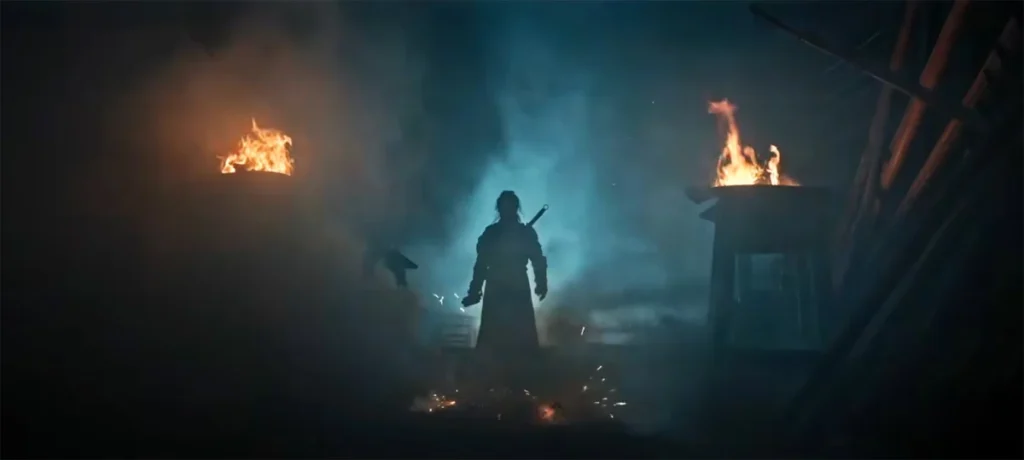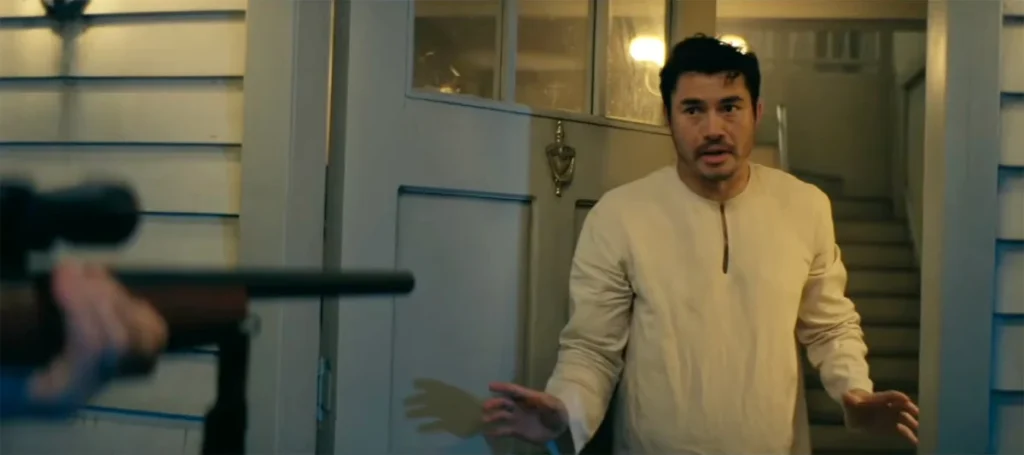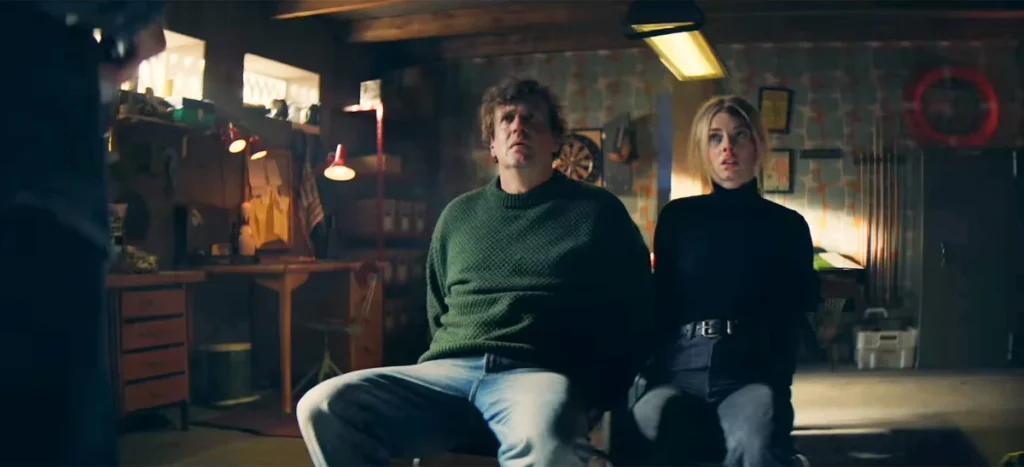
The cinematic landscape of the early 21st century was irrevocably altered by the release of a mid-budget action film centered on the underground street racing culture of Los Angeles. Twenty-five years later, Universal Pictures has officially announced that the film which ignited a multi-billion-dollar global phenomenon, The Fast and the Furious, will return to theaters nationwide on August 21, 2026. This celebratory re-release marks the quarter-century milestone of a franchise that has expanded into eleven feature films, numerous spin-offs, and a definitive place in pop culture history. The announcement was accompanied by a modern anniversary trailer, bridging the gap between the raw, street-level intensity of the 2001 original and the high-octane legacy it has since established.
The 25th-anniversary celebration gained significant momentum following a prestigious special screening at the 2026 Cannes Film Festival. This inclusion in the Cannes lineup underscores the film’s evolving status from a contemporary action hit to a foundational piece of modern blockbuster cinema. Directed by Rob Cohen and produced by Neal H. Moritz, the original film introduced audiences to the high-stakes world of Dominic Toretto and Brian O’Conner, portrayed by Vin Diesel and the late Paul Walker, respectively. As the studio prepares for the theatrical return of the "OG" classic, the industry is reflecting on the unprecedented trajectory of what Universal describes as its "most-profitable and longest-running franchise."
The Genesis of a Global Juggernaut
The origins of The Fast and the Furious are rooted not in a high-concept studio pitch, but in investigative journalism. The screenplay, penned by Gary Scott Thompson, Erik Bergquist, and David Ayer, was inspired by a 1998 article titled "Racer X," published in Vibe magazine by journalist Ken Li. The article detailed the real-life exploits of Rafael Estevez and the burgeoning illegal drag racing subculture in New York City. By shifting the setting to the sun-drenched, asphalt-heavy landscape of Southern California, director Rob Cohen captured a specific aesthetic that resonated with a generation of automotive enthusiasts and action fans.
Upon its initial release in June 2001, the film exceeded all commercial expectations. Produced on a relatively modest budget of approximately $38 million, it went on to earn $207 million worldwide. While the sequels would eventually pivot toward global espionage and international heists, the 2001 original remains lauded for its "raw" approach to action. The film relied heavily on practical stunts and actual automotive performance, setting a standard for realistic driving sequences that many contemporary films sought to emulate. The narrative focused on the tension between Brian O’Conner, an undercover LAPD officer, and Dominic Toretto, the charismatic leader of a hijacking crew, establishing the central themes of "family" and loyalty that would become the franchise’s trademark.

A Legacy Defined by Numbers: The $7 Billion Milestone
The decision to re-release the film comes at a time when the "Fast Saga" has reached staggering financial heights. According to data provided by Universal Pictures, the franchise has earned more than $7 billion at the worldwide box office across its eleven-film run. This makes it one of the highest-grossing film series in cinematic history, rivaling the commercial footprints of the Marvel Cinematic Universe and Star Wars.
The growth of the franchise is a study in exponential commercial expansion. While the first three films—The Fast and the Furious (2001), 2 Fast 2 Furious (2003), and The Fast and the Furious: Tokyo Drift (2006)—focused primarily on car culture and localized stakes, the series underwent a massive tonal shift with Fast & Furious (2009) and Fast Five (2011). The latter is often cited by critics and financial analysts as the turning point that transformed the series into a global heist-action powerhouse. By the time Furious 7 was released in 2015, the franchise was regularly crossing the $1 billion threshold for individual entries, a feat it repeated with The Fate of the Furious in 2017.
The 25th-anniversary theatrical window is strategically placed to capitalize on this enduring fan base. By returning to the "roots" of the saga, Universal is offering a nostalgic experience for "die-hard fans" while introducing younger audiences to the origin of the Toretto lineage on the big screen.
Chronology of the Fast Saga and Future Projections
The timeline of the Fast Saga is as complex as its stunt choreography. Following the 2001 debut, the series navigated various shifts in cast and direction before consolidating its "core family" in the late 2000s. The upcoming re-release serves as a bridge to the franchise’s future, as Universal has already confirmed that the next major installment, titled Fast Forever, is scheduled for a 2028 release.
A brief timeline of the franchise’s evolution includes:

- 2001: The Fast and the Furious premieres, launching the careers of Paul Walker and Vin Diesel.
- 2006: Tokyo Drift introduces a new protagonist and director Justin Lin, who would go on to shape the franchise’s modern era.
- 2011: Fast Five reboots the series as a heist franchise, introducing Dwayne "The Rock" Johnson.
- 2013: The tragic passing of Paul Walker during the production of Furious 7 leads to a poignant tribute that remains one of the highest-grossing moments in film history.
- 2019: The first spin-off, Hobbs & Shaw, expands the universe beyond the main ensemble.
- 2026: 25th Anniversary re-release and Cannes Film Festival honors.
- 2028: Projected release of Fast Forever.
Official Responses and Industry Analysis
Industry analysts suggest that the 25th-anniversary re-release is more than just a commemorative gesture; it is a calculated move to maintain the brand’s relevance in an increasingly competitive theatrical market. "Universal’s record-smashing, homegrown Fast & Furious Saga has become the studio’s most-profitable asset," a studio spokesperson noted during the Cannes presentation. "Returning to the film that started it all allows us to celebrate the legacy of the cast and the vision of Rob Cohen that made everything else possible."
The re-release also serves as a tribute to the original ensemble cast, including Michelle Rodriguez (Letty Ortiz), Jordana Brewster (Mia Toretto), Rick Yune (Johnny Tran), and the supporting players like Chad Lindberg and Ted Levine. The chemistry between these actors in 2001 is widely credited with providing the emotional anchor that allowed the franchise to survive for over two decades.
From a technical perspective, the re-release is expected to feature remastered visuals and audio, optimized for modern cinema projection systems. This allows the high-speed stunts—which were filmed on location in Southern California in the year 2000—to be viewed with a clarity that was not possible during the original 35mm theatrical run.
Broader Cultural Impact and Implications
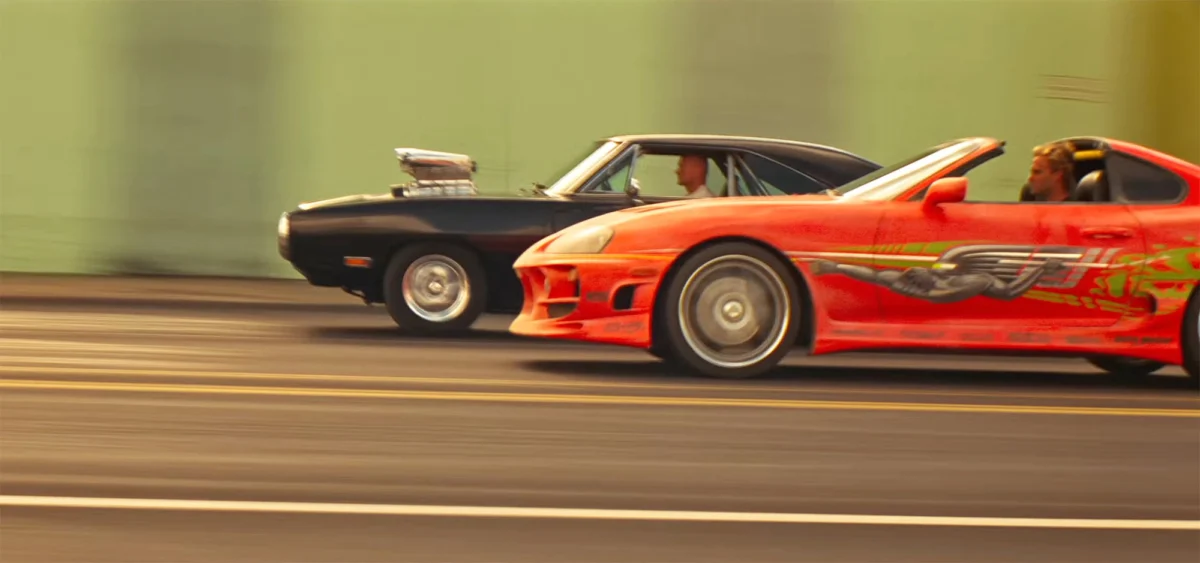
The impact of The Fast and the Furious extends far beyond the box office. The film is credited with popularizing the "tuner" car subculture in the United States, leading to a massive increase in the market for aftermarket automotive parts and Japanese Domestic Market (JDM) vehicles. The iconic 1994 Toyota Supra and 1970 Dodge Charger featured in the film have become some of the most recognizable vehicles in movie history.
Furthermore, the franchise has been lauded for its diverse, multicultural cast, which was a rarity for major studio action films in 2001. By featuring a lead ensemble of various ethnic backgrounds without making their race the central plot point, the film set a precedent for inclusivity in Hollywood blockbusters.

As the August 21st re-release approaches, the "Fast Saga" continues to demonstrate a unique ability to adapt and survive. While some critics argue the later films have strayed too far from the realistic driving and "raw" stakes of the 2001 original, the 25th-anniversary event offers a moment of reflection. It invites audiences to return to a time when the stakes were measured in quarter-miles and the "Family" was just beginning to find its way.
Tickets for the nationwide re-release are expected to be available through major platforms such as Fandango, as Universal looks to turn the late summer of 2026 into a celebration of nitro-boosted nostalgia. With the next sequel still two years away, this anniversary serves as a reminder of the enduring power of a film that, twenty-five years ago, simply asked the audience if they "wanna go for a drive."