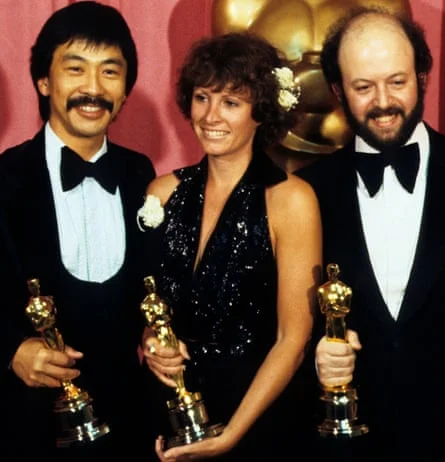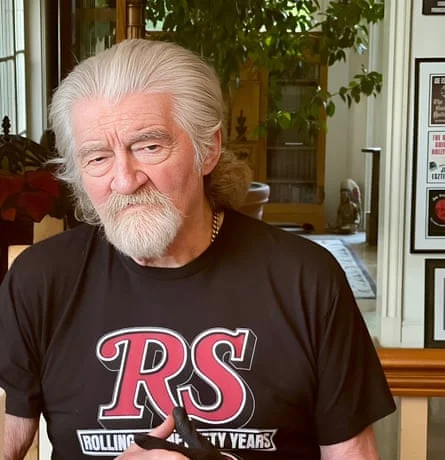
From the iconic bowler hats and polka dot scarves that defined Diane Keaton’s inimitable style, to Gene Hackman’s paint-stained brushes, Terence Stamp’s treasured love letters from Jean Shrimpton, and even Matthew Perry’s practical black leather wallet, complete with credit cards and AAA membership card, the estates of deceased celebrities are increasingly offering fans an intimate glimpse into their lives – at a significant price. This burgeoning trend, often referred to by the portmanteau "deleb" (dead celebrity), has witnessed a dramatic surge in popularity since the immensely successful Marilyn Monroe estate sale in 1999, transforming the auction of personal belongings into a major industry.
The Rise of the "Deleb" Market
The allure of owning a piece of a beloved star’s history is proving to be a powerful driver in the collectibles market. This phenomenon isn’t limited to iconic costumes or significant artistic creations; it extends to the everyday objects that once belonged to these larger-than-life figures. The items, once mundane, gain an almost sacred status when touched by fame, offering buyers a tangible connection to the idols they have admired.
The recent auction of Diane Keaton’s personal and professional items at Bonhams in New York exemplifies this trend. The first of four planned auctions saw her original "Annie Hall" script fetch an astonishing $394,000, vastly exceeding its initial $2,000 estimate. This sale alone highlights the immense premium placed on items directly linked to a celebrity’s most celebrated roles. Keaton’s signature fashion sense was also on full display, with several of her trademark hats commanding substantial prices. A Neogranadine cup hat, once featured in an Instagram video demonstrating its styling potential, sold for $5,888, a significant multiple of its $200-300 estimate. Similarly, a collection of six brown polka dot scarves, estimated at $200-300, garnered $6,144. Even a seemingly prosaic "curated box" of safety pins and nail clippers achieved $960. The initial Keaton auction generated $1.2 million, with an impressive 47 out of 50 lots selling for well above their estimated values.

Bonhams, in collaboration with The Fine Art Group, is set to auction a total of 787 items from Keaton’s collection. This diverse array includes her original collages, a striking Gucci sequin suit and beret worn to the LACMA charity gala in 2021, and more everyday possessions such as a "job lot" of her signature black turtlenecks, kitchen chopping boards, and even dog food bowls.
Expert Insights: The Emotional Connection and the New Collector
Shane David Hall, director of The Fine Art Group’s high-profile client division, attributes the market’s growth to a deepening personal connection fans feel with celebrities. "Over the past 20 years, the personal legacy market has really exploded," Hall states. "People genuinely feel a personal connection to celebrities and how they have influenced their own lives, and there is a real desire to own something of theirs to keep and deepen that connection."
Hall further elaborates that celebrities with dedicated cult followings, such as Keaton and Perry, often attract the most intense interest, with a particular focus on personal rather than solely professional objects. "There is a new generation of collectors with disposable income, and they are more aligned to celebrities and athletes than their parents," he observes. "With people like Diane Keaton, they really mean something to their fans; these are people that grew up with her films and her iconic wardrobe. Items of Diane’s are sentimental to them, there are pieces that fit into the trajectory of their own lives and remind them of significant moments in their own story. And of course, they make great conversation topics, one could argue more so than an artwork by a famous artist."
This sentiment underscores the emotional resonance of celebrity memorabilia. For many fans, owning an item previously owned by a star is akin to possessing a piece of shared history, a tangible link to moments that shaped their own cultural landscape. The accessibility of some items, like Keaton’s prescription reading glasses (four pairs selling for $2,176 against a $200-300 estimate), further democratizes the market, allowing a broader range of enthusiasts to participate.
A Booming Industry: Auction Houses and the "Deleb" Business
The increasing volume and value of celebrity estate sales have solidified their position as a significant segment of the auction industry. Bonhams, which has a proven track record with estates of notable figures like Ruth Bader Ginsburg, Barbara Walters, Lauren Bacall, and Gene Hackman, reports an 185% increase in its estate division sales last year, with an average annual growth of 28.5% since 2022.
Anna Hicks, Bonhams’ head of private and iconic collections, highlights the premium placed on items with celebrity provenance. "Fans often place significant value on items associated with a public figure they care about, and as a result, those pieces frequently command a premium well beyond what similar items might achieve without the celebrity association." She cites the example of Ruth Bader Ginsburg’s heavily annotated Harvard Law Review copy, which sold for $100,312, far exceeding expectations.
The lucrative nature of this market has spurred a competitive landscape for securing the rights to celebrity estates. Specialist advisors and auction houses are investing heavily in building relationships with celebrities and their families long before their passing. This proactive approach ensures that when the time comes, they are the preferred choice for managing and auctioning the valuable legacies left behind.
The Marilyn Monroe Effect: A Turning Point
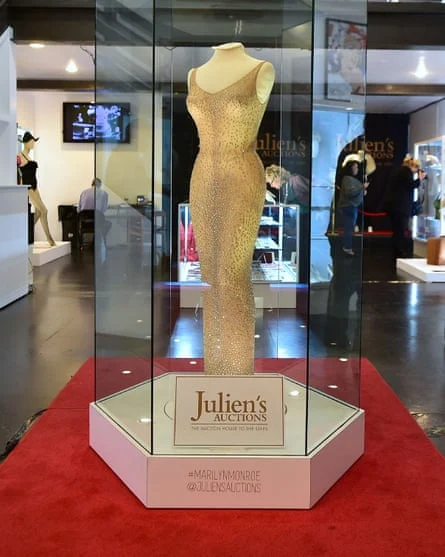
The landmark Marilyn Monroe estate sale in 1999 is widely recognized as a pivotal moment that ignited the modern celebrity memorabilia market. The sale, which included her iconic "Happy Birthday Mr. President" dress, was a revelation. Martin Nolan, co-founder and executive director of Julien’s Auctions, recounts his early awareness of this potential when his former boss at Merrill Lynch, Martin Zweig, acquired the dress for $1.27 million. "I thought he was crazy," Nolan admits, "and it made me think twice about his stock-picking. But when he died his widow entrusted us to sell his collection, and she told me she just wanted him to be proved right that the dress was worth that much. We sold it in 2016 for $4.81m to Ripley’s Believe It or Not! museum."
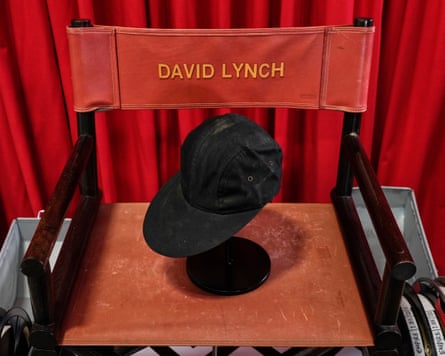
Nolan emphasizes the intense competition for these estates, noting that Julien’s Auctions, as a house specializing exclusively in celebrities, dedicates years to cultivating these relationships. "We’re the only auction house that specialises only in celebrities, while Sotheby’s, Christie’s and Bonhams dip in and out, we do this every day," he asserts. "And celebrities talk to each other, and we have a good reputation in terms of preserving and celebrating their estates."
The Psychology of Ownership: More Than Just Memorabilia
The appeal of celebrity possessions extends beyond mere fandom; it taps into a desire for connection, aspiration, and even a sense of vicarious achievement. For buyers, acquiring an item owned by a celebrity can feel like owning a piece of history, a tangible link to a person who has inspired, entertained, or influenced them. This psychological dimension is a key driver of the market’s sustained growth.
The demographic of buyers is also evolving. While older generations may have collected items tied to classic Hollywood icons, younger collectors are increasingly drawn to contemporary stars and cultural figures. This shift is reflected in the types of items that gain prominence and the platforms through which they are sold, with online auctions and social media marketing playing an increasingly significant role.
Furthermore, the phenomenon is not unidirectional. Celebrities themselves are often avid collectors of items belonging to their peers and idols. "Celebrities are just like you or I," Nolan observes. "They have people that they look up to and admire, and when they sadly pass, they also want to have something to remember them by." This creates a unique dynamic where the line between admirer and collector, fan and star, can become blurred.
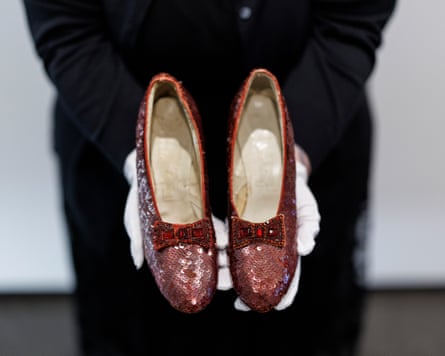
The Broader Implications: Cultural Significance and Financial Windfalls
The booming market for celebrity estates has significant broader implications. It not only provides financial windfalls for the heirs of deceased celebrities but also contributes to the preservation and dissemination of cultural history. These auctioned items often serve as touchstones, reminding the public of the indelible mark these individuals have left on art, culture, and society.
However, the increasing commercialization of celebrity legacies also raises questions about the ethical considerations of commodifying personal lives. While auctions offer a structured and transparent way to distribute these assets, the intense bidding wars and astronomical prices can sometimes overshadow the personal narratives behind the objects.
Despite these considerations, the trend shows no signs of abating. As more iconic figures pass away and their estates are brought to market, the "deleb" industry is poised for continued expansion, offering a fascinating intersection of celebrity culture, personal history, and the enduring power of collecting. The items, once imbued with personal significance for their owners, now carry the weight of public admiration and the allure of aspirational ownership, transforming everyday objects into coveted relics of a bygone era. The market continues to evolve, driven by a complex interplay of nostalgia, emotional connection, and the undeniable charisma of those who once graced our screens and stages.