A New Vision for the Undead: Plot and Premise
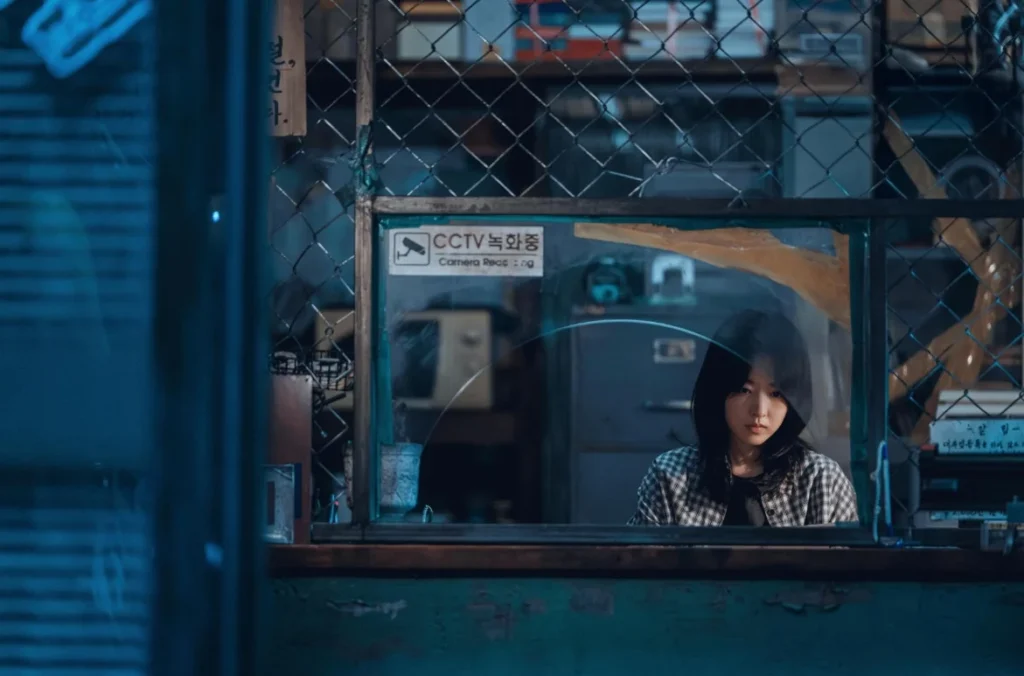
The film introduces audiences to Byeong-jin, who, in a desperate attempt to aid his wife Seon-woo’s recovery from depression, relocates them to his grandmother’s tranquil house in the rural district of Goeseong. Their hope for peaceful isolation is, however, abruptly shattered by the emergence of a zombie virus, which the government has futilely tried to contain. As the epidemic inevitably reaches their quiet village, Seon-woo becomes infected. Yet, her transformation defies typical genre conventions. Instead of exhibiting the aggressive, flesh-craving behavior commonly associated with zombies, Seon-woo retreats further into herself, ceasing to eat and becoming increasingly detached from the world around her, a somber echo of her pre-infection depression.
Initially, Byeong-jin attempts to coax his wife back to normalcy by preparing her favorite dishes, but these efforts only provoke anger and frustration from the unresponsive Seon-woo. A pivotal moment arrives when he uncovers his grandmother’s old recipe book, detailing meals she prepared for his grandfather who had lost the ability to speak. Inspired by the deep affection and non-verbal communication embedded in these culinary creations, Byeong-jin embarks on a new mission: to develop specific recipes tailored to Seon-woo’s altered state. Miraculously, as she begins to eat these specially crafted meals, faint traces of her former personality gradually resurface. The escalating crisis in the village, with more residents succumbing to the virus, eventually leads Bok-hee, the pragmatic owner of the local supermarket, to seek Byeong-jin’s unique expertise in caring for the newly infected.
Chronology of a Promising Independent Feature
The journey of Brunch with a Depressed Zombie from concept to its world premiere at BIFAN underscores the vital role of independent film support mechanisms in South Korea.
- Early Development & Recognition: The film’s initial concept likely began several years prior to its premiere, a common timeline for independent features. Director Kim Eun-young, following her debut "Will You Please Stop, Please," would have developed the screenplay with producer Hwang Young and Goranibooks.
- NAFF Project Market Selection: A significant milestone was its selection for the NAFF (Network of Asian Fantastic Films) Project Market, an industry program held concurrently with BIFAN. The NAFF Project Market is renowned for identifying and fostering promising genre film projects from across Asia, connecting filmmakers with potential investors, distributors, and co-producers. Being chosen for this market is a strong validation of a project’s potential.
- SBA Award for Post Production Support: During its participation in the NAFF Project Market, "Brunch with a Depressed Zombie" was honored with the SBA Award for Post Production Support. This award, provided by the Seoul Business Agency, is crucial for independent films, often covering critical expenses related to editing, sound design, visual effects, and color grading – elements that significantly enhance a film’s production quality and market readiness. This financial injection would have been instrumental in bringing Kim Eun-young’s vision to its final form.
- Completion and Festival Submission: Following the completion of post-production, the film was submitted to major film festivals, with BIFAN being a natural fit given its genre focus and the film’s prior connection to the festival’s project market.
- World Premiere at 30th BIFAN (July 2026): The film’s inclusion in the Fanta-scape section of the 30th Bucheon International Fantastic Film Festival marks its official debut to a global audience. This premiere provides invaluable exposure, critical feedback, and opportunities for international distribution.
BIFAN: A Beacon for Fantastic Cinema
The Bucheon International Fantastic Film Festival, celebrating its 30th anniversary, stands as a cornerstone of genre cinema in Asia and a significant event on the global festival circuit. Established in 1997, BIFAN is dedicated to showcasing and promoting films that push the boundaries of genre, encompassing horror, fantasy, science fiction, thrillers, and beyond. Its Fanta-scape section, where "Brunch with a Depressed Zombie" premiered, is specifically curated to feature films that offer unique perspectives, innovative storytelling, and a fresh take on fantastic elements.
BIFAN has a rich history of premiering groundbreaking South Korean genre films and introducing international genre cinema to Asian audiences. It has consistently served as a launchpad for emerging talents and a platform for established filmmakers to experiment with new ideas. In 2025, the festival attracted over 100,000 attendees and screened more than 200 films from dozens of countries, solidifying its reputation as a vibrant hub for fantastic cinema. The selection of "Brunch with a Depressed Zombie" for its world premiere at such a landmark edition of BIFAN underscores the festival’s commitment to championing films that challenge conventions and explore deeper thematic layers within genre frameworks.
Thematic Depth: Subverting the Zombie Trope
Kim Eun-young’s central thesis in "Brunch with a Depressed Zombie" is undeniably unconventional and profoundly thought-provoking. Rather than adhering to the well-trodden path of presenting the infected as mere enemies to be eradicated or escaped from, the film boldly shifts its focus to the possibility of sustained co-existence and care. Zombiehood, in this narrative, is re-conceptualized not as an apocalyptic endpoint, but as a severe illness that profoundly alters a relationship without necessarily terminating it. Byeong-jin’s approach to Seon-woo’s condition is not to seek a conventional cure, but to embark on a journey of understanding her new needs, adapting to her altered behavior, and finding a way to provide care within the confines of their transformed life.
This innovative perspective allows the film to draw striking parallels between the zombie condition and human experiences of severe depression, emotional withdrawal, and the inherent difficulties of communicating with someone whose inner world has become almost inaccessible. The film deftly uses the parallel of Byeong-jin’s grandfather, who lost the ability to speak, to underscore this theme. Much like the infected, the elderly man could not verbally articulate his needs, compelling his wife to interpret them through routine, meticulous observation, and the nurturing act of preparing food. In this context, cooking transcends a mere household chore; it evolves into a profound language, a medium of expression and connection when ordinary speech has failed.
Food as a Language of Love and Memory
The emphasis on local and traditional Korean food adds another rich layer to the film’s thematic tapestry. The narrative is thoughtfully structured into chapters, each named after a specific dish prepared by Byeong-jin. These individual recipes function as emotional markers, guiding the audience through the couple’s evolving relationship and Byeong-jin’s caregiving journey. Food, in this cinematic universe, becomes a powerful repository of family memory, regional identity, and knowledge passed down through generations.
The film profoundly articulates the idea that preparing a meal for someone can simultaneously be an ordinary, everyday act and a deeply profound declaration of commitment and love. This aspect resonates strongly within Korean culture, where food is often intertwined with familial bonds, historical narratives, and expressions of affection. The specific regional dishes of Goeseong, though not explicitly detailed in the synopsis, would undoubtedly add an authentic cultural texture, grounding the fantastic elements in a recognizable and relatable human experience.
Trauma, Memory, and Inherited Warmth
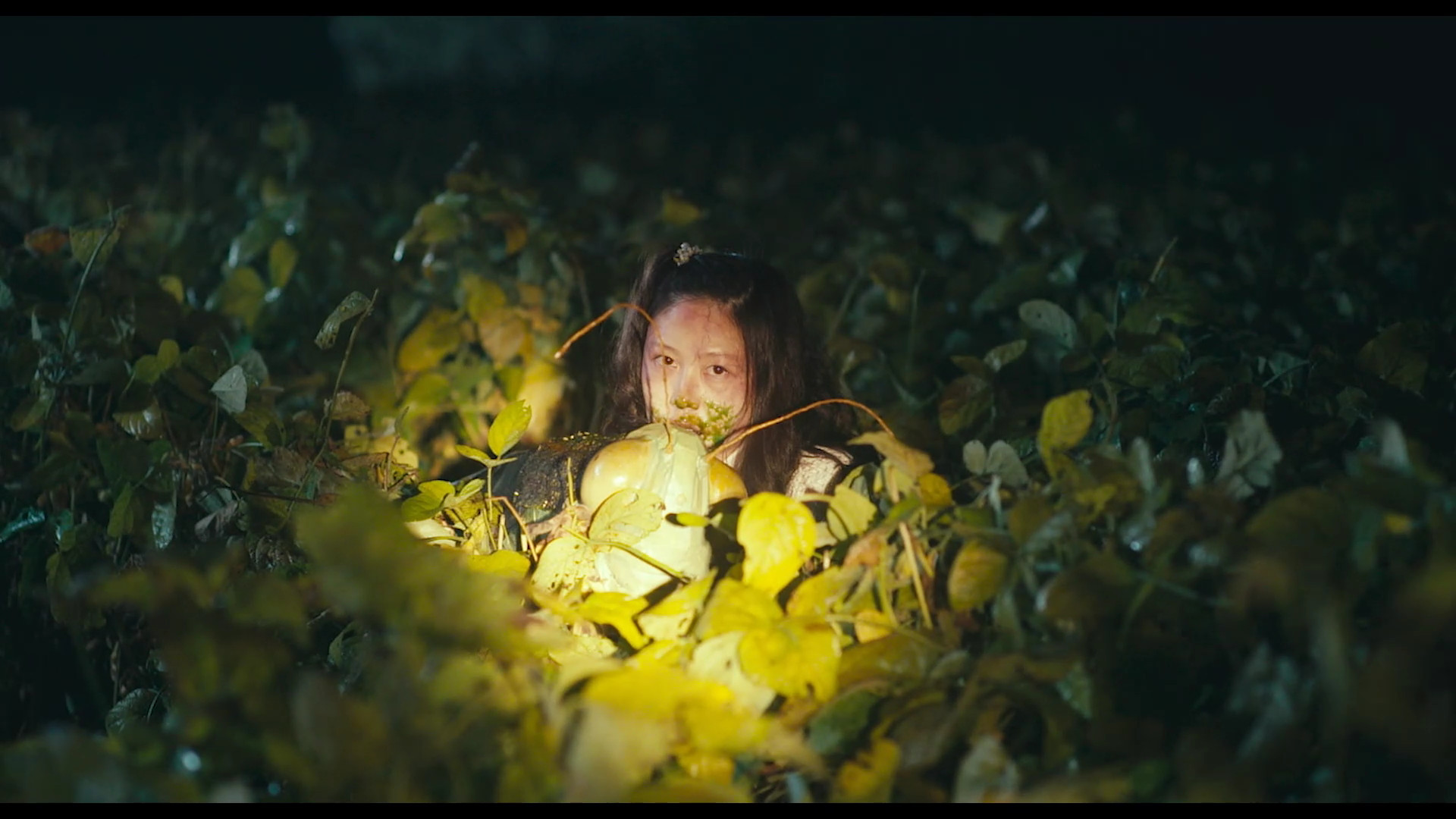
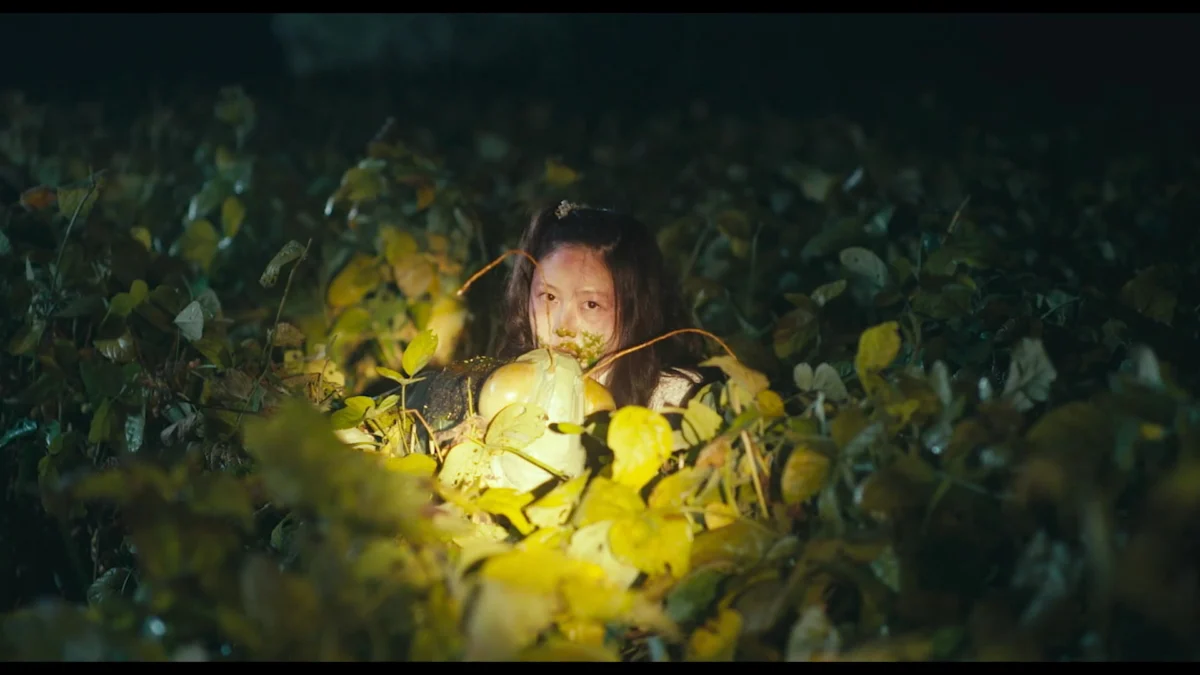
The narrative of "Brunch with a Depressed Zombie" is permeated by the pervasive presence of trauma, explored through a non-linear structure that employs frequent flashbacks. These temporal shifts transport the audience back to Byeong-jin’s childhood, gradually unveiling the painful circumstances that led him into the care of his grandparents. Other flashbacks revisit the earlier, healthier stages of his relationship with Seon-woo, portraying the couple before illness, infection, and emotional distance irrevocably reshaped their everyday lives.
The deliberate intention behind these temporal movements is to forge a compelling link between present-day caregiving and the deeply ingrained memories of having been cared for. The film subtly suggests that warmth, empathy, and the capacity for unconditional love can be inherited, much like a cherished family recipe. This intergenerational transmission of care becomes a central emotional pillar, offering a hopeful counterpoint to the isolating nature of depression and the zombie apocalypse. It posits that the act of nurturing, learned through personal experience, can become a powerful force in navigating profound adversity.
Inferred Statements and Industry Perspectives
While specific quotes from the director or producers are not provided, one can infer their artistic intentions and perspectives based on the film’s themes and industry reception.
Director Kim Eun-young is likely to emphasize her desire to challenge conventional genre tropes and explore the human condition within extraordinary circumstances. She might articulate her interest in portraying "zombiehood" as a metaphor for various forms of illness, social alienation, or mental health struggles, aiming to foster empathy rather than fear. "My previous work explored nuanced human relationships, and with ‘Brunch with a Depressed Zombie,’ I wanted to take that exploration into an unexpected, fantastic realm," Kim Eun-young is understood to have conveyed to industry peers. "The core idea was to ask: what if the apocalypse isn’t about fighting monsters, but about learning to live with them, especially when they are someone you love?"
Producer Hwang Young of Goranibooks would likely highlight the film’s unique narrative appeal and its potential to resonate with both genre enthusiasts and audiences seeking character-driven dramas. "Goranibooks is always on the lookout for stories that are fresh, bold, and emotionally resonant," Hwang Young might have stated during the NAFF Project Market. "Kim Eun-young’s script offered a truly original take on a well-worn genre, promising a film that would provoke thought and touch hearts. The support from the SBA Award for Post Production was instrumental in bringing this vision to fruition."
Festival organizers at BIFAN would undoubtedly commend the film’s innovative approach. "The 30th Bucheon International Fantastic Film Festival is proud to present ‘Brunch with a Depressed Zombie’ as a world premiere in our Fanta-scape section," a festival representative might have announced. "Director Kim Eun-young has crafted a poignant and original film that brilliantly redefines the zombie narrative, using it as a powerful lens to examine themes of mental health, caregiving, and the enduring power of human connection. It perfectly embodies BIFAN’s commitment to showcasing diverse and groundbreaking fantastic cinema."
Challenges in Narrative Cohesion and Pacing
Despite its rich conceptual framework and poignant themes, "Brunch with a Depressed Zombie" does face certain structural and pacing challenges, observations common in ambitious independent filmmaking. Reviewers and industry observers have noted that the film’s various narrative components, while individually compelling, do not always coalesce into a perfectly seamless whole.
The transitions between Byeong-jin’s childhood memories, the couple’s past before Seon-woo’s illness, the unfolding present-day zombie outbreak, and the culinary-themed chapters can, at times, feel abrupt. Instead of allowing one timeline to organically illuminate another, the editing occasionally interrupts the emotional momentum of preceding scenes. This constant back-and-forth movement, while intended to create a layered narrative, can inadvertently result in a fragmented viewing experience. Consequently, some moments may suffer from a perceived lack of tension, a challenge in a genre typically defined by suspense and urgency.
The chapter structure, which could have provided a clear organizing principle, sometimes contributes to the film feeling like a collection of separate episodes rather than a steadily developing story. Each segment introduces another memory, theme, or emotional problem, but often, these elements are not afforded sufficient time to achieve their full dramatic impact. The result can, at times, resemble a collage of loosely related ideas built around the central couple, rather than a tightly woven narrative tapestry.
Furthermore, certain subplots, such as the presence of a researcher specializing in supernatural phenomena, and several broader village elements, appear somewhat disconnected from the film’s core emotional and culinary focus. While the researcher’s character initially hints at a more eccentric expansion of the outbreak narrative, this subplot ultimately remains tangential. These elements, while potentially interesting as standalone short films, within the feature, contribute to the impression of a mosaic whose pieces have not been entirely joined, pulling focus from the intimate drama at its heart.
Broader Impact and Implications
"Brunch with a Depressed Zombie" holds significant implications for several facets of the film industry and cultural discourse.
- Reinventing the Zombie Genre: The film contributes to the ongoing evolution of the zombie genre, moving it beyond mere horror or action into more profound dramatic territory. It joins a growing lineage of films and series (like The Walking Dead or Train to Busan) that use the zombie apocalypse as a backdrop for exploring human nature, but it uniquely centers on empathetic caregiving and mental health within this context. This could inspire further genre subversion, pushing filmmakers to find new metaphorical uses for fantastic elements.
- Mental Health Representation: By explicitly linking the zombie condition to depression and emotional withdrawal, the film offers a powerful, albeit allegorical, commentary on mental illness. It highlights the challenges of communicating with and caring for individuals struggling with severe depression, emphasizing patience, adaptation, and finding unconventional ways to connect. This portrayal could contribute to broader conversations about mental health awareness and destigmatization in cinema.
- South Korean Independent Cinema: Kim Eun-young’s film reinforces the vitality and innovative spirit of South Korean independent cinema. The industry is renowned globally for its commercial blockbusters, but its indie scene consistently produces challenging and artistically daring works. Films like this, which gain international festival recognition, showcase the depth of talent and storytelling prowess beyond the mainstream.
- Cultural Significance of Food: The film’s deep integration of food as a language of love, memory, and cultural identity offers a nuanced portrayal of Korean culture, which could resonate with international audiences. It highlights how universal acts like cooking can carry profound personal and collective significance.
In conclusion, "Brunch with a Depressed Zombie" is an ambitious and thought-provoking cinematic endeavor. Director Kim Eun-young has woven together a tapestry of intriguing concepts, from genre subversion to profound explorations of care, trauma, and the silent language of food. While the film’s ambitious scope occasionally leads to structural complexities and a fragmented narrative, its core ideas and touching observations about human connection and resilience remain undeniably compelling. As it embarks on its festival run, it stands as a testament to the power of independent cinema to challenge conventions and provoke meaningful reflection on the human experience.