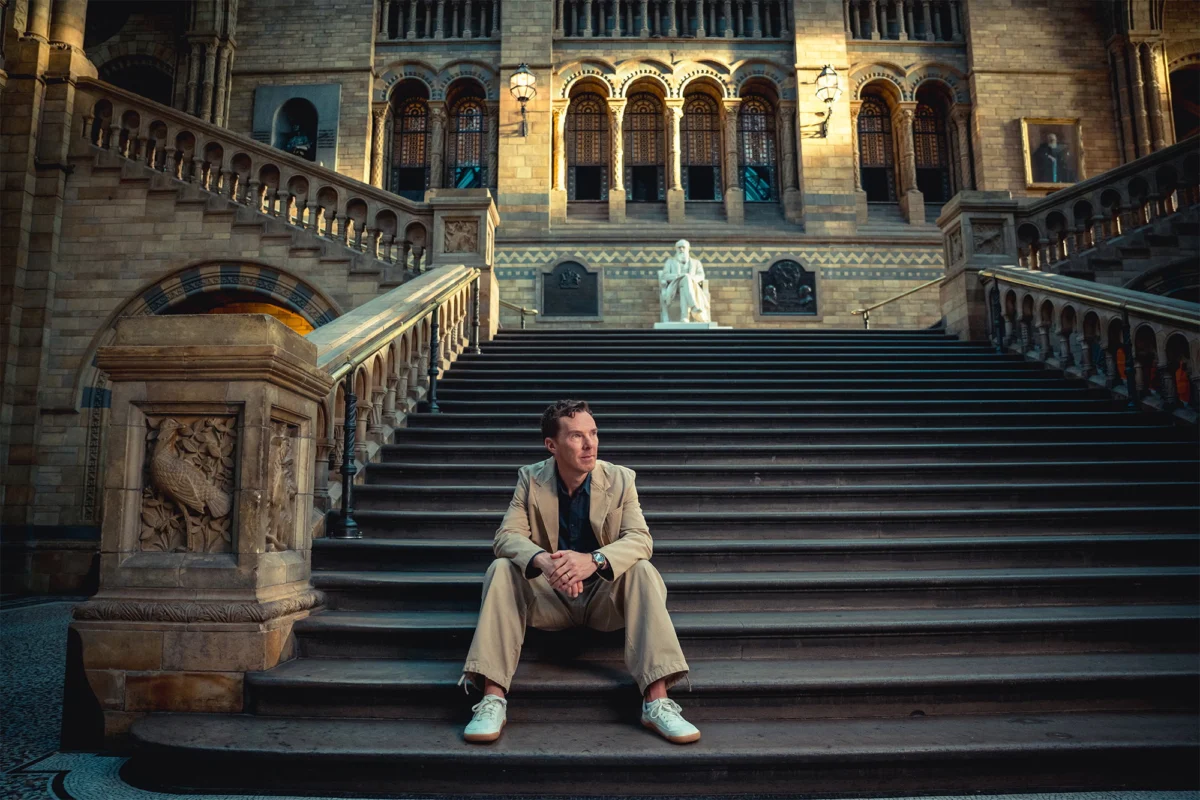
The global film industry and environmental advocacy sectors have turned their attention toward a significant new cinematic release as Open Planet officially unveiled the main trailer for the documentary How to Live on Earth. Presented and narrated by Academy Award nominee Benedict Cumberbatch, the film is positioned as a transformative "how-to guide" for the modern age, focusing on actionable solutions and the symbiotic relationship between humanity and the natural world. Directed by acclaimed natural history filmmaker Fredi Devas, the project is scheduled for a targeted United Kingdom theatrical release beginning June 26, 2026, followed by a wide digital release on YouTube later in the year.
Unlike the prevailing trend of climate-focused media, which often emphasizes catastrophic outcomes and systemic failure, How to Live on Earth is designed as an optimistic counter-narrative. The production aims to replace "climate anxiety" with "climate agency," utilizing high-definition cinematography and evidence-based storytelling to demonstrate how nature-based solutions can address the most pressing challenges of the 21st century.
A Strategic Shift in Environmental Storytelling
The release of How to Live on Earth comes at a critical juncture in environmental communication. For over a decade, documentary filmmaking has largely focused on the "warning" phase of the climate crisis, characterized by films such as An Inconvenient Truth or David Attenborough: A Life on Our Planet. While these films were instrumental in raising global awareness, sociologists and media analysts have noted a rising trend in "eco-anxiety" and "climate fatigue" among audiences.
Data from the Yale Program on Climate Change Communication suggests that while a majority of the public is concerned about the environment, a significant portion feels overwhelmed by the scale of the problem. How to Live on Earth addresses this by framing the Earth not as a victim, but as a partner. The film’s narrative structure is modeled after a "how-to" video, a format that has seen explosive growth on digital platforms, suggesting a pragmatic approach to global survival and prosperity.
Production Background and Creative Leadership
The documentary is helmed by Fredi Devas, a veteran of the BBC Natural History Unit whose previous credits include some of the most successful wildlife series in television history. Devas served as a director on Planet Earth II and Seven Worlds, One Planet, and directed the feature-length documentary Antarctica. His expertise in capturing the intricacies of the natural world is paired with a production team led by Jonnie Hughes, a frequent collaborator with Sir David Attenborough and a key figure at Silverback Films.

The involvement of Benedict Cumberbatch as the presenter and narrator adds significant cultural weight to the project. Cumberbatch has a long-standing history of supporting environmental causes, and his participation is expected to draw a broader audience beyond traditional documentary viewers. The film is produced by Open Planet, an organization dedicated to providing high-quality environmental footage to storytellers globally to accelerate the transition to a sustainable future.
Key Contributors and Diverse Perspectives
To provide a comprehensive view of how humanity can "team up" with nature, the film features a curated group of lead contributors, each representing a different sector of society:
- Xiye Bastida: A prominent climate justice activist and member of the Otomi-Toltec indigenous community. Bastida provides a perspective rooted in indigenous wisdom and youth activism, emphasizing that the solutions to environmental challenges often exist in traditional ecological knowledge.
- Dan O’Neill: A field biologist, wildlife filmmaker, and explorer. O’Neill’s contributions focus on biodiversity and the practical application of conservation science in the field. His segments highlight the resilience of ecosystems when given the opportunity to regenerate.
- Sam Kass: A former White House Chef and Senior Policy Advisor for Nutrition Policy under the Obama administration. Kass bridges the gap between environmental health and human sustenance, discussing how regenerative agriculture and sustainable food systems are essential components of a thriving planet.
These contributors offer a multi-disciplinary approach, ensuring that the film addresses economic, social, and biological aspects of life on Earth.
Distribution Strategy and Theatrical Timeline
The distribution model for How to Live on Earth is notably distinct. While many high-profile documentaries seek prestigious slots at international film festivals like Sundance or Cannes to build momentum, Open Planet has opted for a direct-to-audience approach.
Chronology of the Release:
- June 15, 2026: Official trailer and poster reveal via YouTube and major media outlets.
- June 26, 2026: Limited theatrical premiere across the United Kingdom. This theatrical window is designed to provide an immersive experience for the film’s high-fidelity cinematography.
- Late 2026: Global digital premiere on YouTube. The decision to host the film on a free-to-access platform aligns with the mission of Open Planet to democratize information and ensure that the "how-to guide" reaches the widest possible audience, regardless of socioeconomic status.
Industry analysts suggest that bypassing the traditional festival circuit may be a strategic move to prioritize immediate public engagement over industry accolades, particularly given the urgent nature of the film’s subject matter.

Supporting Data: The Efficacy of Nature-Based Solutions
The "optimistic" stance of the film is supported by a growing body of scientific data. According to the Intergovernmental Panel on Climate Change (IPCC), nature-based solutions—such as reforestation, peatland restoration, and regenerative farming—could provide up to one-third of the net carbon reductions required to meet the goals of the Paris Agreement by 2030.
Furthermore, a 2025 report by the World Economic Forum highlighted that more than half of the world’s total GDP is moderately or highly dependent on nature and its services. By showcasing the economic and social benefits of nature-positive transitions, How to Live on Earth aims to convince viewers that environmental protection is not merely a moral obligation but a pragmatic necessity for global stability.
Broader Impact and Global Implications
The release of How to Live on Earth is expected to influence not only public perception but also corporate and policy discourse. By presenting a "hopeful vision of a future within reach," the film challenges the notion that economic growth and environmental health are mutually exclusive.
Potential Implications Include:
- Educational Integration: The film’s "how-to" format makes it a prime candidate for educational curricula, providing students with a solutions-oriented framework for understanding the climate crisis.
- Corporate Sustainability: The focus on practical "teaming up" with nature provides a narrative that businesses can adopt to transition toward circular and regenerative models.
- Policy Advocacy: By highlighting the success of field biologists and policy advisors, the film provides a roadmap for legislators to support nature-based infrastructure and conservation funding.
The "Open Planet" initiative, which supports the film, also serves as a repository for footage that other creators can use. This creates a multiplier effect, where the visual assets of How to Live on Earth can be repurposed for localized environmental campaigns around the world.
Official Responses and Industry Reception
While the film has not yet undergone a formal festival review process, early reactions from the environmental community have been positive. Statements from conservation organizations suggest that the film’s focus on "teaming up" with nature is a refreshing change of pace.

A spokesperson for the production noted, "We wanted to create something that felt energizing. There is a lot of fear in the world right now, but fear can be paralyzing. We believe that by showing people how the world can work—and how it is already working in many places—we can inspire a new wave of action that is driven by hope rather than despair."
Cinematography experts have also lauded the trailer, noting that Devas’s background in high-end wildlife filmmaking is evident in every frame. The use of cutting-edge camera technology to capture the scale and beauty of the natural world serves to remind the audience of what is at stake, reinforcing the film’s central message that a world where nature thrives is a world where humanity thrives as well.
Conclusion
How to Live on Earth represents a new chapter in the evolution of environmental cinema. By combining the star power of Benedict Cumberbatch with the scientific rigor of leading activists and biologists, and the visual mastery of Fredi Devas, the film seeks to redefine the documentary’s role in society. As it prepares for its UK theatrical debut on June 26, 2026, the project stands as a testament to the power of optimistic storytelling in the face of global challenges. The eventual transition to a free global platform via YouTube further underscores the filmmakers’ commitment to making the "ultimate how-to guide" accessible to all inhabitants of the planet.